Shinobi: Art of Vengeance – A Special Between Old and New
Joe Musashi's return awakens long-dormant emotions
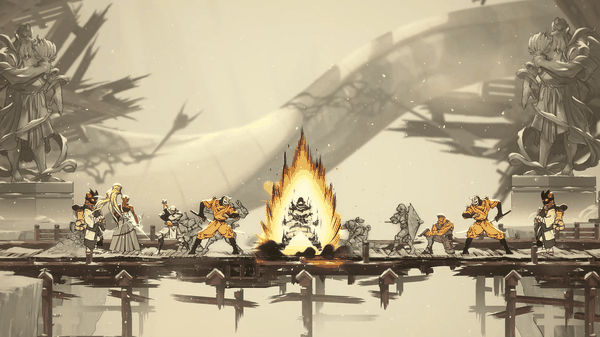


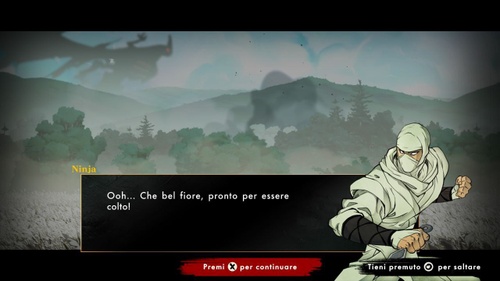
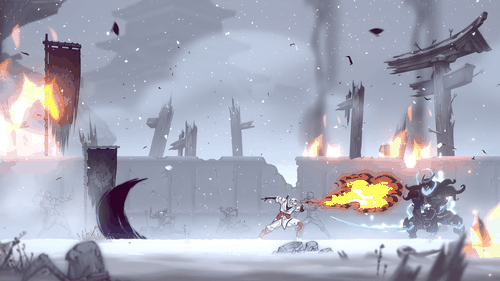
We played Shinobi: Art of Vengeance, and we loved it. Let's be honest: we loved it from the Demo, which in the blink of an eye threw us back to our youth, to that The Revenge of Shinobi for SEGA Mega Drive which probably constituted the greatest incarnation of Joe Musashi's adventures before the series fell into decline, like so many others of the same generation. Imagine then how that 12-year-old boy must have felt, 35 years later, finding himself in front of the white-clad Ninja jumping on walls, throwing kunai, and facing a ghost samurai at the end of the bamboo forest – and that was just the beginning.
For those who missed our articles on the game, we remind you of the Preview of the Demo, which you can find on the stores and we highly recommend downloading [we literally devoured it in the month leading up to the release] and the Review. In this new Special, we want to focus on the game's features that have successfully carried it from one gaming era to another and how this phenomenon is also affecting other brands and media across the board.
Joe Musashi: A Shinobi Who Doesn't Speak
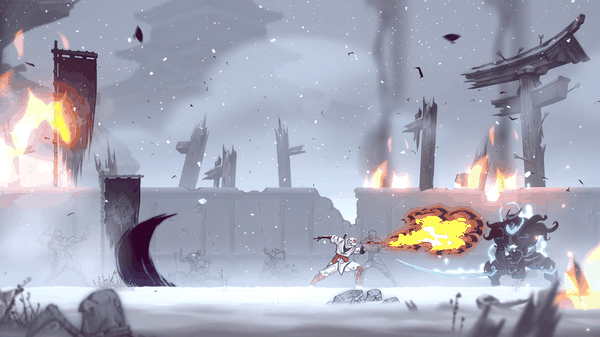
First and foremost, there's the protagonist, Joe Musashi: a Shinobi, a term actually more correct than Ninja as it denotes not only an expert in the combat arts of Ninjitsu but also all forms of stealth and assassination in which these special agents specialized. There are many Ninjas, but Joe is different... He's dressed in white and doesn't speak (at most he grunts): his martial arts speak for him; he's not afraid to conceal his presence, because when you see him, it means you're about to die. If this sounds like the beginning of an 80s Anime character, it's because, for crying out loud, it's exactly that: Musashi is the embodiment of the hero according to the philosophy of that period, just in ninja version – like Rambo, Kenshiro, Chuck Norris. And you can't say anything to him, because he's Joe Musashi: gaudy, grotesque, edgy... super cool! What can you say?
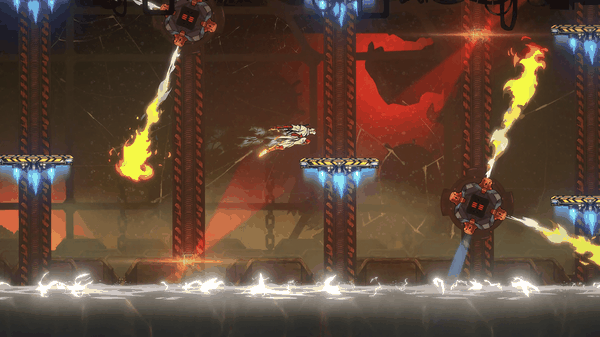
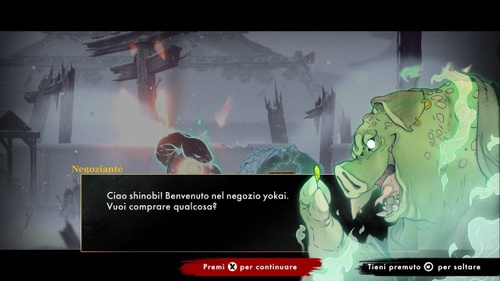
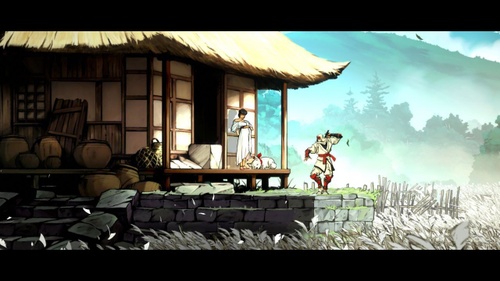
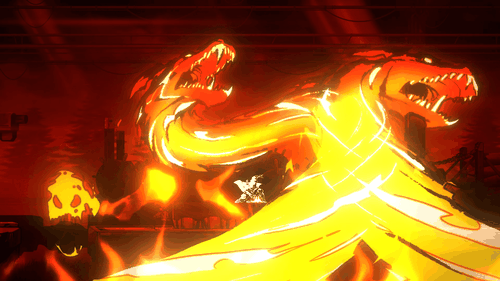
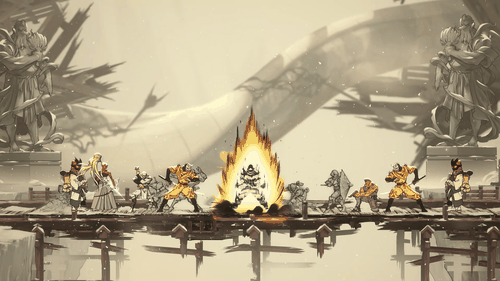
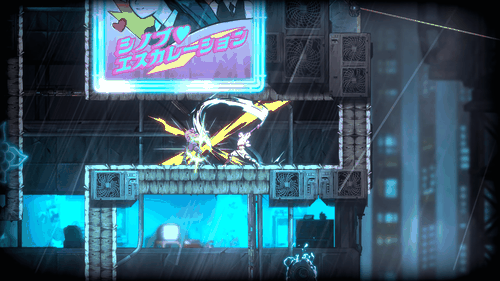
Then there's the setting: Japan, but a hybrid Japan between the tradition of the Sengoku period and the modern and futuristic era. It goes from the bamboo forest and the village with paper-walled houses to neon-lit concrete metropolises – where SEGA, Mega Drive, and Dreamcast logos stand out – to Chinese-style pagodas with lanterns, to mines and mountain temples, submarine bases, the fish market... all the settings of the reference game are there, obviously revised and corrected, connected by plot threads as fragile as cobwebs. In this world, both ninjas and samurai converge, as do marines armed with pistols and snipers with laser sights [American soldiers are not exactly "angels of salvation" in Japanese imagery], as well as explosive robots and cyborgs, monstrous creatures from Japanese folklore like kappa, oni, yokai, even involving amorphous or alien creatures. There's everything, because in the 80s, they didn't look too closely, and if something was "cool" and could be put into a game, damn it, why not? The cast even includes the Grim Reaper, but we won't tell you more because that would be spoiler...
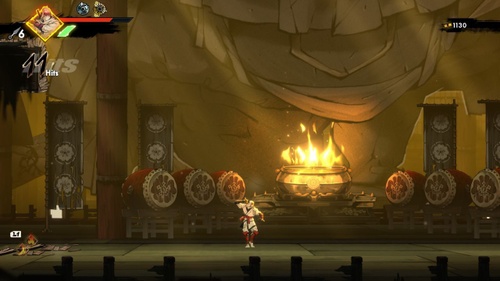
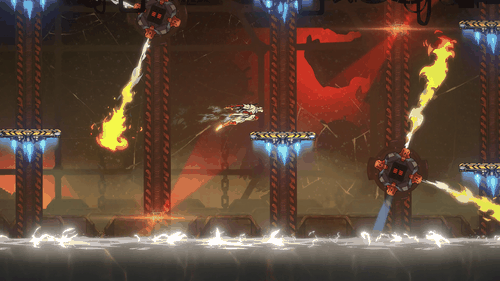
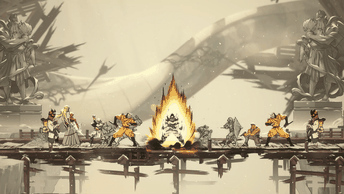
And finally, the gameplay: that well-tested formula of 2D platforming with action elements, that Metroidvania when we didn't even call it Metroidvania yet, so simple and immediate and frantic but also trivial and repetitive on paper, and the enemies are always the same, and this also feels like déjà vu, so why the heck do we keep dying in that series of jumps, in that room full of enemies, in that Boss fight?!? Too difficult? Not for those who were used to starting over when the Game Over screen appeared – something not seen for at least 20 years. Restart from the checkpoint and try again, kid, you who can... because if Shinobi: Art of Vengeance pleased us so much, it's because it takes all the style of the original, but not its limitations.
Shinobi and Other Children of the 80s and 90s
Shinobi: Art of Vengeance is simply the most recent brick in the wall of revival that various software houses, mostly indie, are carrying out on brands that marked the 80s and 90s but then got lost along the way. This revival is mainly carried out by those who lived those years as kids and can now finally bring their myths back to the screen: it's no coincidence that the Lizardcube team, authors of this chapter, has already made a name for themselves with Wonder Boy: The Dragon's Trap and especially with Streets of Rage 4 – in which the legacy of the original Bare Knuckle is fully perceived in the clash with Shiva and the final dialogue between him and Axl.
But Lizardcube are not the only ones: think for example of TMNT: Shredder's Revenge by Tribute Games [a name that says it all] or the less fortunate Shadow of the Beast by Heavy Spectrum; even Ninja Gaiden returned to 2D with Ragebound by The Game Kitchen and other brands, like Prince of Persia, are almost surprised by their success. The genre's legacy is then perceived in the abundance of Metroidvanias released in recent years [who said: "Hollow Knight"?] but the phenomenon doesn't stop there.
Probably the "go-ahead" for this phenomenon can be traced back to the first Transformers movie, followed by the entire MCU and the Star Wars sequel trilogy, or even Villeneuve's DUNE almost 37 years after Lynch's. There was – and still is to end – the Stranger Things series bringing that historical and cultural period back into vogue, Cobra Kai showed the future-present of The Karate Kid, Kevin Smith resurrected the Masters of the Universe, a prequel to Alien is coming online and there's already talk of a new and more fitting Street Fighter movie. And for those who really want to go overboard, the immortal trash masterpiece Kung Fury has the same attitude as Shinobi towards the setting: is something cool? Throw it in! And no one will be surprised if in the age of Vikings, among Valkyries armed with Vulcan machine guns, laser-raptors can be encountered hunting!
This is probably the true "revenge of the nerds": all those who in the 80s adored these brands and were mocked for them by "fashionable" types had the strength to bring them back into vogue and elevate them to global success. And if on the one hand it's perhaps a bit sad that modern designers don't so often have new, interesting, and incisive ideas capable of establishing new brands, on the other hand, we can only applaud those who manage to bring these myths and works back into our homes.
Well done, Lizardcube!
...now, however, we want Golden Axe! [...pleeeeeeease?]
Gallery
Shinobi: Art of Vengeance – A Special Between Old and New
Sometimes they come back, and they are stronger, more powerful, more fantastic than ever. Shinobi: Art of Vengeance is just one piece in the restoration work of past myths that more than one team is undertaking, but Lizardcube's work certainly deserves to be cited as an authentic gem. The period is flourishing for these returns: just look at cinema and TV series. What will be next?
Similar articles