The Walking Dead: Dead City 3, Review: Finally a Season Capable of Looking Forward
Dead City 3 moves past old conflicts and attempts to refresh the spin-off with greater narrative courage.


The third season of The Walking Dead: Dead City (from July 28th exclusively on Sky and streaming only on NOW) makes a necessary choice: it stops behaving as if its identity depended solely on the conflict between Maggie and Negan. It doesn't erase the weight that binds the two characters, but it avoids once again turning it into the sole engine of the story. From this decision comes a more vital season, finally capable of justifying the spin-off's existence beyond the charm of its protagonists. Here's the review of The Walking Dead: Dead City 3.
Gallery
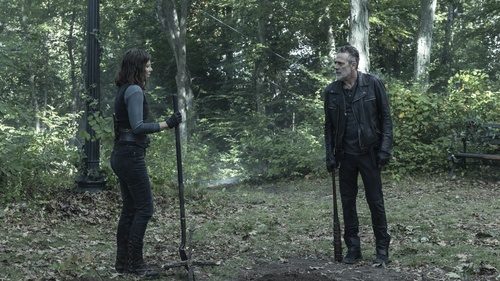
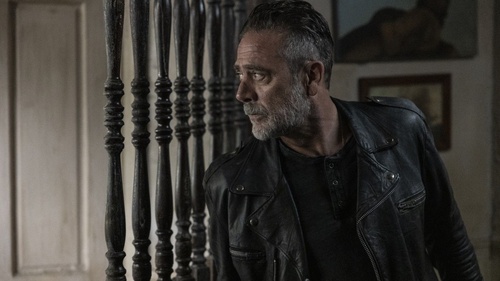
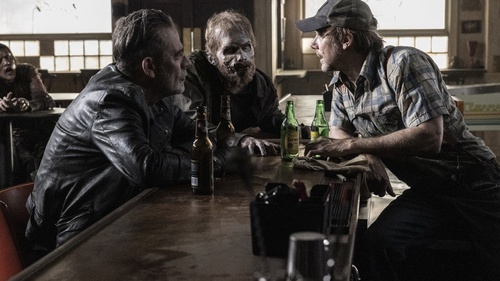
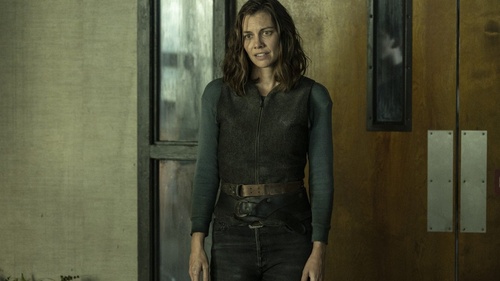
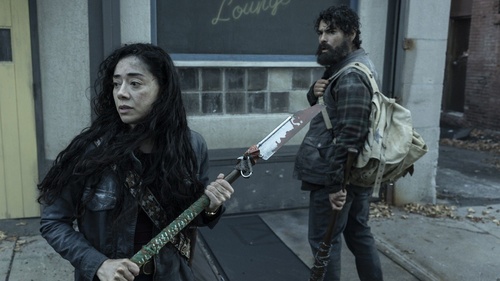
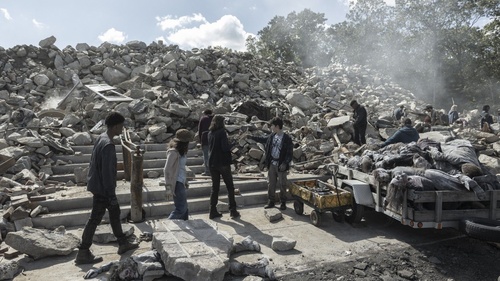
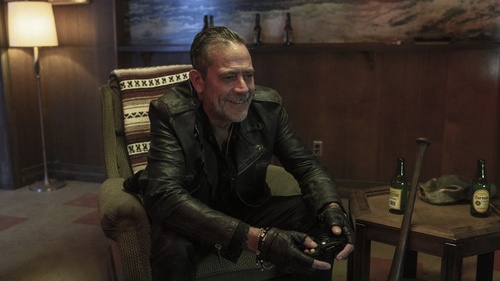
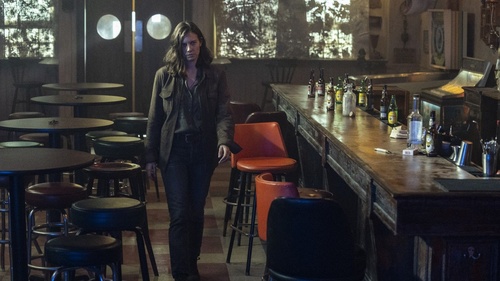
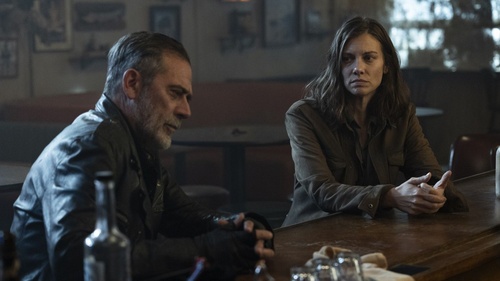
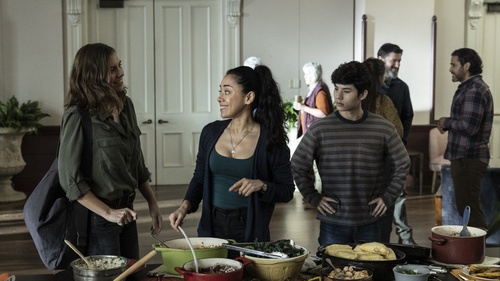
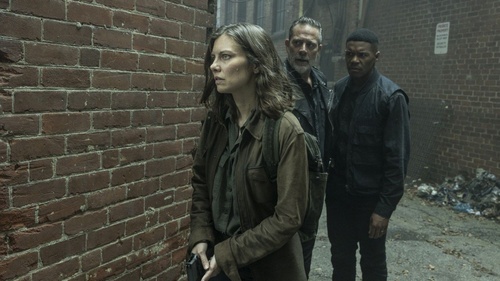
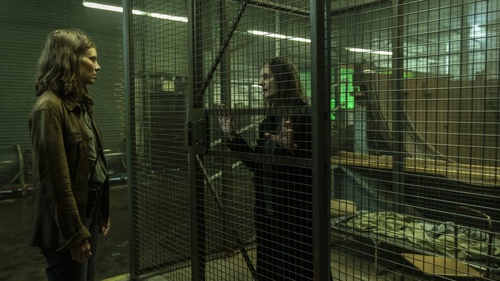
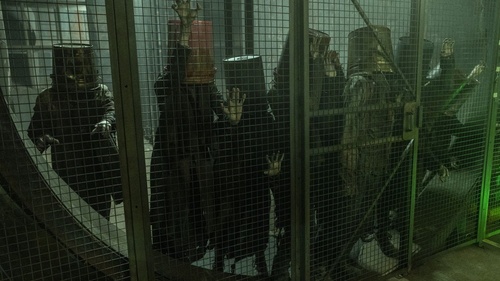
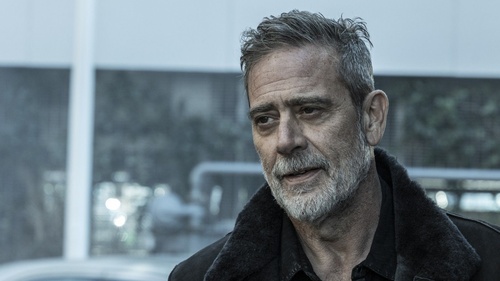
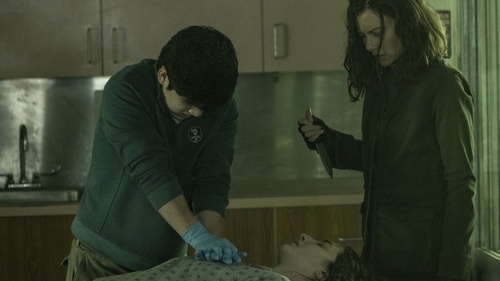
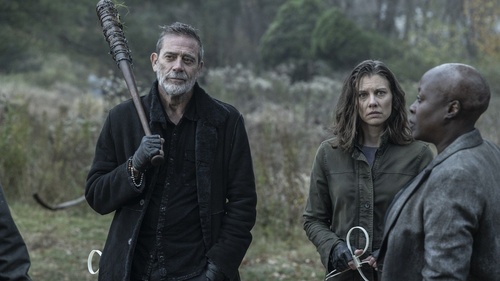
What The Walking Dead: Dead City 3 is like: the new showrunner changes the dynamics
The change of showrunner is palpable from the new general direction. Seth Hoffman inherits a series weighed down by worn-out dynamics and attempts an almost complete reconstruction. The transition, however, is not painless. The first episode has to quickly wrap up several loose ends and ends up appearing more functional than organic. There's a clear need to move the story elsewhere before the new course can truly begin.
Once past this stage, Dead City finds a more convincing rhythm. The season reduces narrative noise and gives more space to the characters. It doesn't suddenly become a revolutionary series, but it demonstrates that it knows where to focus its attention. Thus emerges the question that every post-apocalyptic story, sooner or later, must face: what society can arise after destruction?
Maggie and Negan are no longer prisoners of the past in Dead City 3
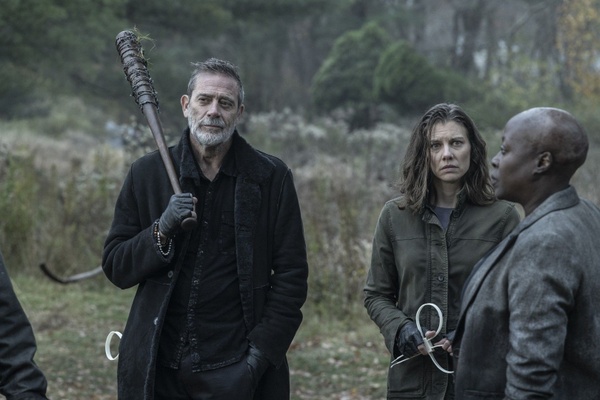
The relationship between Maggie and Negan remains the heart of the spin-off. This time, however, the writing doesn't force them to continually repeat the same confrontation. The past continues to exist and is not trivialized through an artificial reconciliation. It becomes a silent presence, capable of influencing every dialogue without preventing the characters from moving forward.
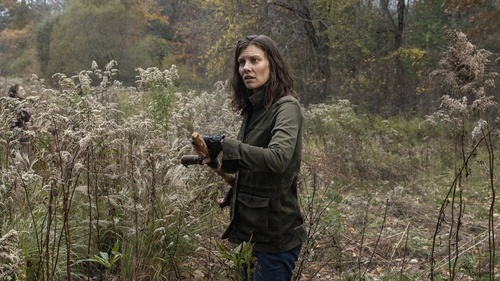
Lauren Cohan benefits most from this change. Maggie is no longer defined solely by suffering. Her performance regains a less angry strength, linked to the ability to imagine a possible future. Cohan can thus show nuances that the series had often sacrificed in favor of an almost permanent harshness.
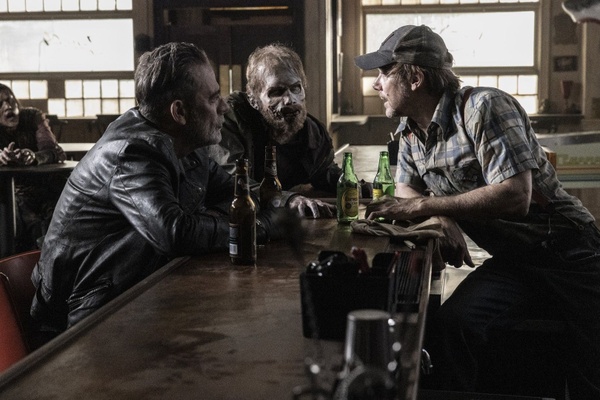
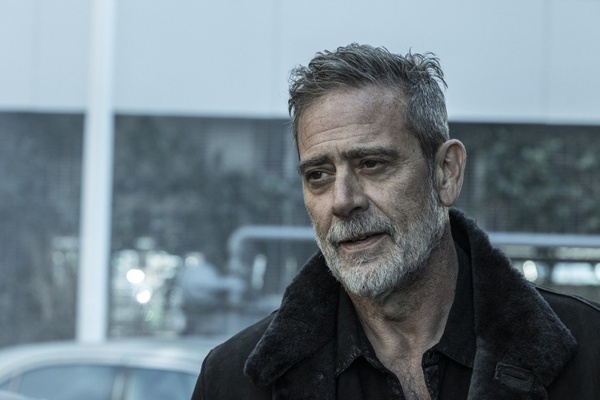
Jeffrey Dean Morgan, on the other hand, rediscovers Negan's more unpredictable side. The character becomes ironic again without losing awareness of his own faults. Morgan avoids turning him into a caricature and works effectively on moments when arrogance becomes a form of defense. The chemistry with Cohan remains evident, but the season works best when it refuses to reduce it to a sentimental formula.
The cast of The Walking Dead: Dead City 3 finds a new balance
The new additions also help Dead City break out of its insularity. Aimee Garcia imbues Renata with immediate energy, without relying on naive optimism. Raúl Castillo plays Luis with a more measured presence, useful for balancing some of the dynamics introduced by the season.
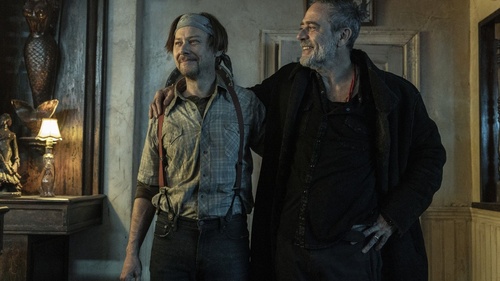
Jimmi Simpson, however, constructs Dillard as the most eccentric figure of the new cycle. The relationship with Negan allows the series to explore less predictable registers and restores a certain lightness to a universe often crushed by its own pessimism.
The Walking Dead: Dead City 3 Review: Conclusion
The third season also shows a greater willingness to experiment. One episode in particular breaks the series' usual structure and represents the most audacious attempt made by the spin-off so far. Not everything is perfectly coherent, but the risk takes on a precise value: it demonstrates that the world of The Walking Dead can still produce unexpected narrative solutions, instead of merely recombining old conflicts.
The pacing remains irregular. The beginning struggles, while the concluding part accelerates and sometimes reverts to more conventional solutions. The relationship with the overall continuity of the television universe also continues to be treated with a certain superficiality. Manhattan still retains a recognizable visual identity, although some digital effects don't always manage to support the ambition of the shots.
The Walking Dead: Dead City 3 doesn't bring the franchise back to its golden season. It does something more useful: it acknowledges the mistakes of the previous seasons of the spin-off and stops considering them inevitable. The series becomes less dark without losing tension. Above all, it allows Maggie and Negan to evolve without pretending that their past can be erased.
Score
Editorial team

The Walking Dead: Dead City 3, Review: Finally a Season Capable of Looking Forward
The Walking Dead: Dead City 3 is the season that finally allows the spin-off to break free from its stagnation. The relationship between Maggie and Negan remains central, but no longer stifles every other narrative possibility. The new direction shows greater courage and gives space back to the characters, even if the pacing continues to be inconsistent and some visual solutions are not entirely convincing. It's not a sensational rebirth, but it represents the most significant step forward the series has made so far.
Similar articles