The Miniature Wife: a tiny protagonist for big problems
A ten-episode series based on a short story, The Miniature Wife sees a scientist's wife accidentally shrunk to minuscule dimensions. On Sky.
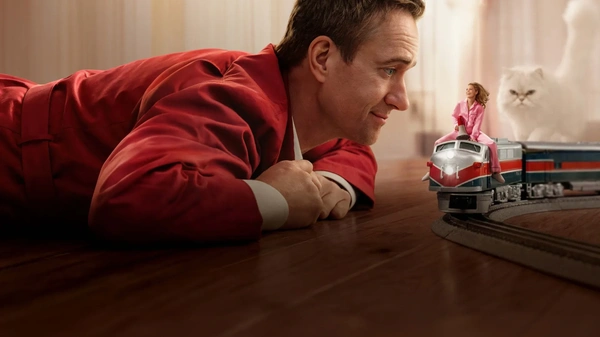


Lindy and Les Littlejohn form one of those couples where latent competition has now replaced love, without either of them seeming to have the courage to admit it. She is an award-winning writer with a Pulitzer for her first novel, also adapted into a film, but since then she has been plagued by a chronic lack of inspiration; he is a research physicist, obsessed with the idea of a discovery that could guarantee him the Nobel prize.
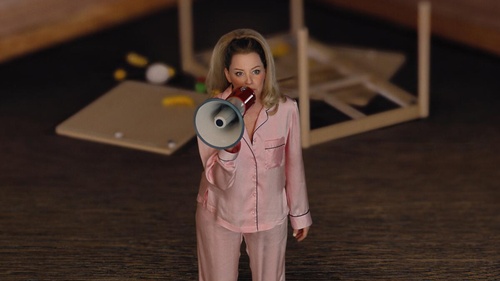
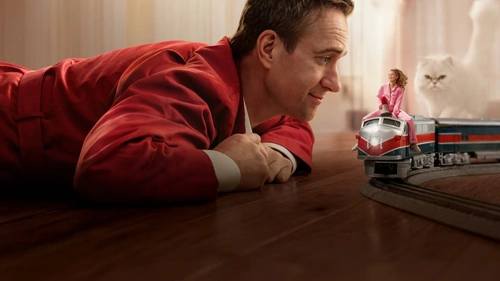
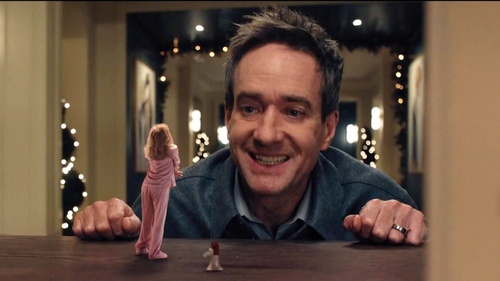
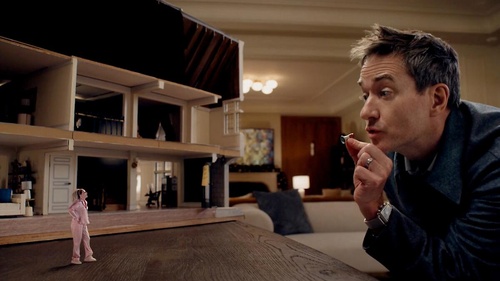
The man's research concerns the miniaturization of organic matter: a project already partially realized, funded by a spoiled billionaire, but still incomplete since the inverse process, that is, returning everything to its original dimensions, has not yet found a solution. In the increasingly confused marital hustle and bustle, between secret lovers and exposed jealousies, Lindy unfortunately falls victim to the invention and finds herself shrunk to a size where she can "live" in a dollhouse as if it were a real home. Now Les has a few days to make her return to normal, but funding for the research risks being suspended...
From Page to Screen
Manuel Gonzales is a Texan writer who in 2013 published a collection of short stories in the tradition of North American magical realism inaugurated by George Saunders and Aimee Bender: stories where the absurd is the supporting structure, the point of no return through which everyday reality reveals itself in its rawest and barest truth. The story that gives the book its title features a man who reduces his wife to Lilliputian dimensions, with all the consequences and (in)opportune reflections that entails. In a few pages, he created a portrait of toxic couple dynamics that needs no explicit morals.
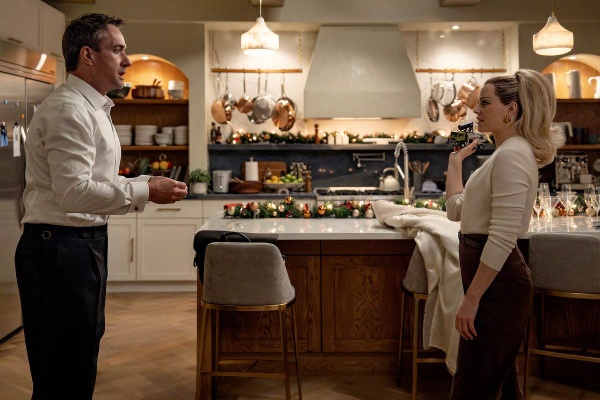
In The Miniature Wife, the serial adaptation in ten episodes ready to land on Sky for its Italian premiere, something has perhaps been lost, preferring to adapt the story into a light context, albeit illuminated here and there by some more or less marked peaks of cynicism. Jennifer Ames and Steve Turner, the two showrunners already known for Goliath and Ash vs Evil Dead, responded to the challenge by expanding the point of view: if in the original story the wife is predominantly the object of the male gaze, the adaptation restores her voice and dignity, transforming Lindy from a silent victim to a central figure in her own paradoxical drama.
Ups and Downs, Literally
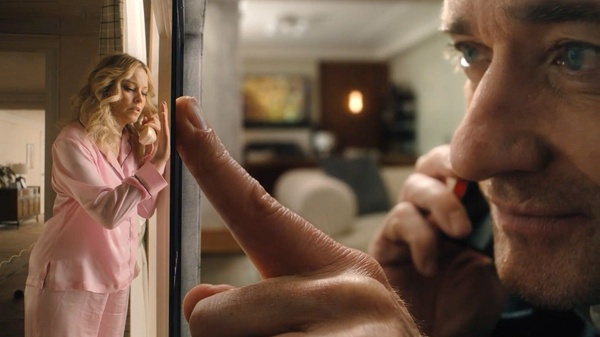
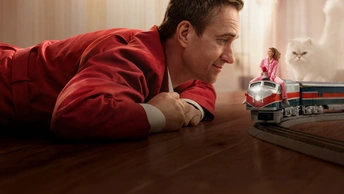
The series does not aim for spectacular effects; the budget is evidently reduced compared to its high ambitions, but it intelligently works with disproportions, exploiting the geometry of the shots between wide and close-up frames to build a domestic geography that becomes hostile territory and potentially full of dangers. The atmospheres inevitably recall the 1950s themed b-movies, above all the seminal The Incredible Shrinking Man (1957), updating them to the present: giant cats, flies that become annoying predators, and so on, keeping scientific realism at a distance and fully embracing the fantastic farce.
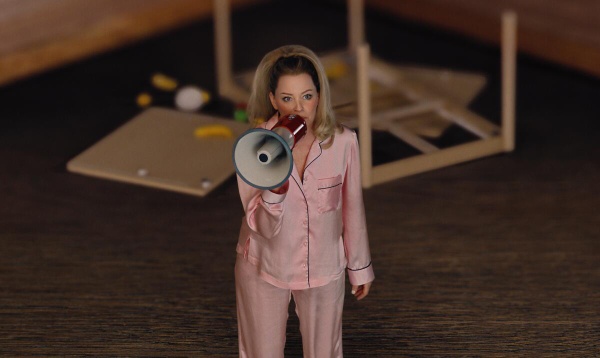
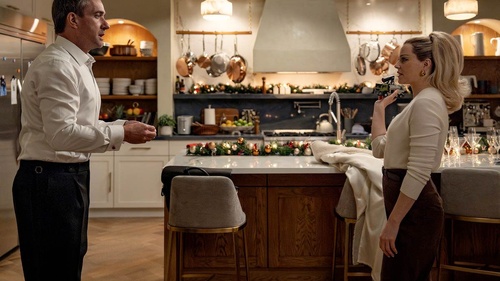
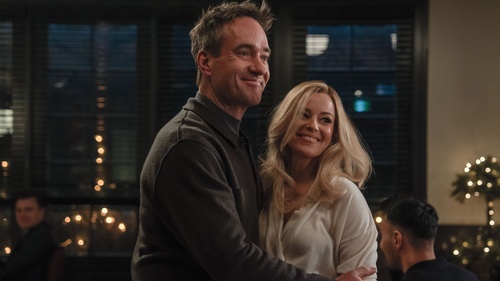
Elizabeth Banks plays Lindy with that mix of pseudo-Allenian neurosis, which makes her both likable and detestable at the same time, with morally ambiguous choices in her marital life. That the marriage was not going well was already clear from the first scenes, and the bickering with Matthew Macfadyen - some re-proposed in partially forced flashbacks - are a corollary of petty grievances and unspoken words that can only foreshadow the worst, that worst then occurring in the tragicomic narrative premise.
The main problem is that at times The Miniature Wife seems to want to say too much for what it actually has available, with a repetition of leitmotifs and forcibly inserted secondary characters that try to create a more organic background, unfortunately with little success. The caricature is sought perhaps too much, and the classic motto "a good game doesn't last long" was highly advisable to the creators, since already in the first half of the season one begins to feel a certain weariness, which might lead some viewers not to necessarily reach the end.
Gallery

Score
Editorial team
The Miniature Wife: a tiny protagonist for big problems
What happens when a short story, whose key to understanding lies precisely in its immediacy, is translated into live-action and stretched out excessively? Probably The Miniature Wife is an ideal example and, while not without pleasant insights, the series based on Manuel Gonzales's writing shows signs of running out of steam after the first few episodes. The shrinking of the wife, with the scientist husband trying to return her to normal size before the irreparable, could and should have lent itself to interesting reflections on relationships, skeletons in the closet, and the battle of the sexes. Instead, everything is subjugated to the logic of light and predictable comedy, albeit well-acted by its two protagonists - Elizabeth Banks and Matthew Macfadyen have an antithetical and complementary chemistry - but too simplistic in reiterating already well-known dynamics.
Similar articles