The Invite: We haven't laughed (and cried) about couple's life like this since Perfect Strangers
The Invite is a sweet, bitter, and sexy comedy about what it means to choose a life as a couple today, arriving at unexpected conclusions.
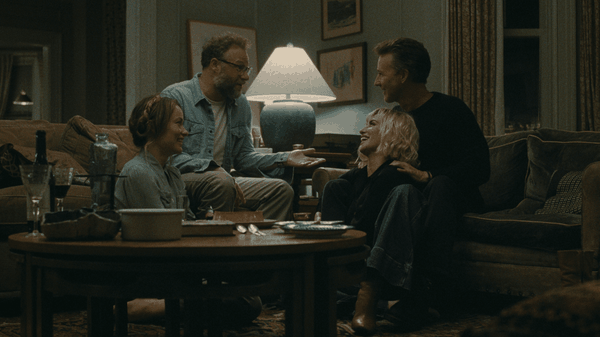


A New York couple, short on energy and patience, is forced to pause a long and intricate ongoing argument to welcome their neighbors, whom she invited to dinner despite her husband's objections. In retaliation, he plans to complain to the guests about their excessively enthusiastic, decibel-heavy sex nights. Like many exponents of this very theatrical branch of cinema – one with a handful of characters united in friendly and romantic relationships, confined to an apartment and forced to confront each other and themselves – The Invite starts from a very simple premise: a dinner that begins badly and repeatedly verges on catastrophic, amidst embarrassing moments, gaffes, and genuine despair.
Gallery
Two Couples Compared
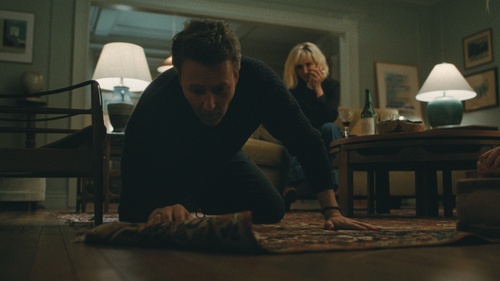
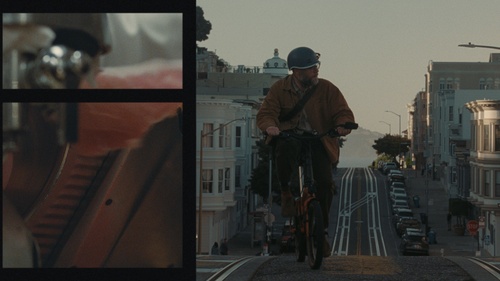
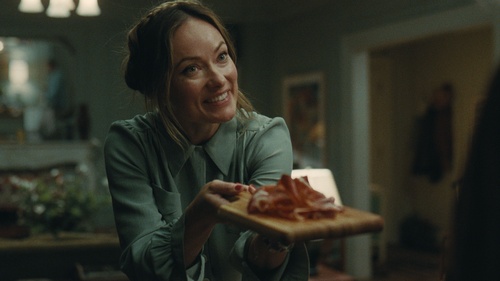
Between Olivia Wilde and Seth Rogen, who play the hosting couple, it's simply an off-night, and this doesn't help the dinner's start. He has just returned from his teaching job at a far-from-prestigious conservatory, exhausted from cycling on the folding bike she gave him to stay in shape. She has revamped the house, laid a new rug, prepared a table of appetizers and snacks that are studiously choreographed yet spontaneous enough, apparently, not to betray all the work behind them. They are both tired, stressed, on edge, and on opposite sides of the barricade from their partner.
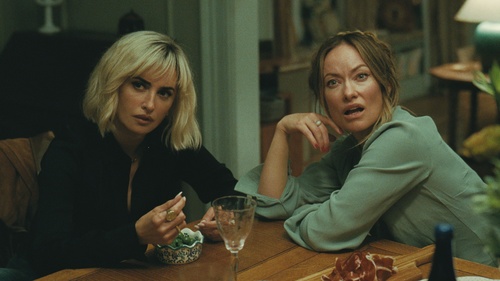
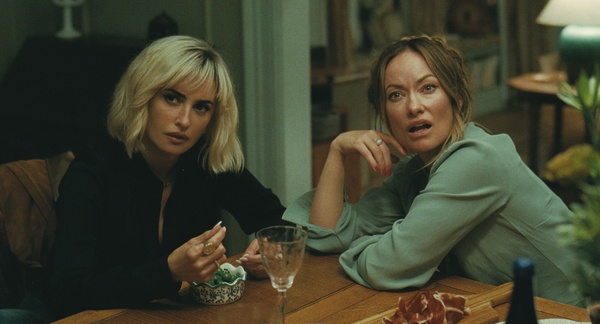
The tension between them is further highlighted by the comparison with the guests and their couple dynamic: Edward Norton and Penélope Cruz are, in a word, cool. Relaxed, ironic in their gaze but never judgmental, they are completely at ease in their own skin and in the neighbors' apartment, which they are visiting for the first time. He is a retired firefighter enjoying early retirement, a lover of interior design, and ready for whatever the evening brings. She is a psychologist and sexologist who radiates palpable sensuality, thanks to a truly magnetic performance by Cruz, so calm and confident in herself and her sensuality that she is absolutely irresistible. The neighbor couple also hopes to gain something from the evening and has its own agenda, as the film soon reveals.
The Invite never truly abandons that certain affected politeness we have when conversing politely with someone we don't know so well, but as the alcohol level, the blunders, and the revelations rise, the true point of tension, the unspoken but already strong bond that exists between the characters, is laid on the table: the cool couple lives in an open relationship and would like the neighbors to join their circle of acquaintances with whom they spend transgressive and pleasant evenings, dedicated to pleasure, partner swapping, and, why not, the occasional orgy. Thus, the title is revealed, in its full meaning: the dinner invitation that becomes an invitation to do much, much more together.
Sex, Overheard and Narrated, is the Starting Point for a Deep and Unexpected Couple's Story
Uninhibited, sensual, and occasionally irreverent, The Invite is a bittersweet comedy that also explores sex and transgression to paint a much broader, more complete, and unexpected portrait of what couple's life is like in the era of podcasts, flea markets, and swingers' parties. The plot's structure and its main twists faithfully adapt the original Spanish film, which has become a kind of format, much like Perfect Strangers, repeated and revised according to local sensibilities. After a fierce bidding war, A24 secured the rights for the American adaptation of this story and, in a not-so-obvious move, entrusted it to Olivia Wilde. The actress, who has been directing for some time, was bruised from a spectacular flop like Don't Worry Darling: one can almost feel, sitting in the theater, how the flop relieved her of the anxiety of making mistakes, the tension of someone labeled a "promising director." The Invite, in fact, sees her engaged in the dual role of director and actress, and in both, Wilde shines by choosing a very simple but always highly effective approach: following the traditional path, but putting in maximum effort and a lot of heart.
Direction Built Around Spaces
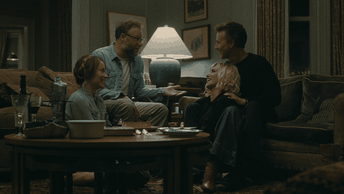
The direction thus recalls many films "confined" to a domestic setting, which use movement between spaces, mirrors, and lighting as elements to react with, to give dynamism to the images and to ensure that the composition of the shot and its colors already say much about the characters and the continuous change in their power dynamics even before they open their mouths. Just look, for example, at how Wilde is dressed in a color palette perfectly tone-on-tone with the apartment she renovated, on which she poured her repressed creativity and which she feels as an extension of herself, so much so that she merges, in fact, with its walls. Or how often the meaningful gaze of the diner listening to the guest or host speak is revealed not directly, but through a mirror in the bedroom, on the wardrobe door.
It's "old-fashioned" cinema, designed for the soundstage, which mimics naturalism and improvisation with what is a continuous choreography to incorporate spaces into the narrative and tell a story through who is sitting where and how. See, for example, the leadership and empathy that Penélope Cruz radiates, sitting in the finale on the armchair, elbows resting on her knees, legs spread: she has taken control of the tensions in the room, after having been a spectator for a long time, commenting on the tensions around her with long, allusive glances at her partner.
Destroy to Rebuild
The Invite is so careful not to limit itself to the banal dichotomy of the couple in crisis contrasted with the libidinous couple with supernatural understanding: even between Norton and Cruz there are misunderstandings and thorny issues (beautiful, for example, the subtle comment the film makes about his urgency to correct her English errors), but these are normal rough edges of those who have probably already faced and overcome the personal and couple tensions that the other couple is experiencing. In its final stages, The Invite tells precisely this: how much to grow and change, one must overcome the fear of ending the current state of affairs, especially if it is a cause of unhappiness. It is a bittersweet but beautiful, authentically uplifting message, reminding us that to build something, sometimes it is first necessary to destroy what is there and rethink it from scratch.
Score
Editorial team
The Invite: We haven't laughed (and cried) about couple's life like this since Perfect Strangers
You laugh, you cry, and you experience something cathartic watching The Invite on the big screen, a film excellently led by four capable performers who continuously renegotiate their relationship and understanding, divided between a kind of choreography of spaces and the continuous improvisation revealed in interviews. The chemistry, understanding, and humor are all there (thanks to truly spot-on casting) and work wonderfully, enhanced by direction that builds a story through image composition and camera movements that is indeed made of chatter and pleasantries, but also and above all of bodies, glances, and revealing gestures.
A very pleasant viewing, confirming that, both as an actress and a director, Olivia Wilde is a filmmaker with acute sensitivity and attention to relationships, who still has much to say.
Similar articles