The Sinners: The Record-Breaking Horror Film, Between Music and Vampires
Sixteen Oscar nominations for Ryan Coogler's film, where a quiet party in a Black-owned club turns into a nightmare of blood and death.
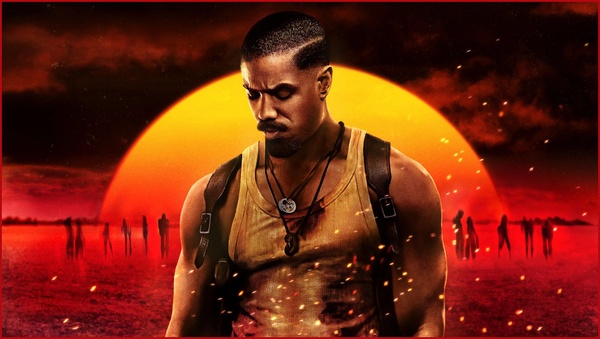


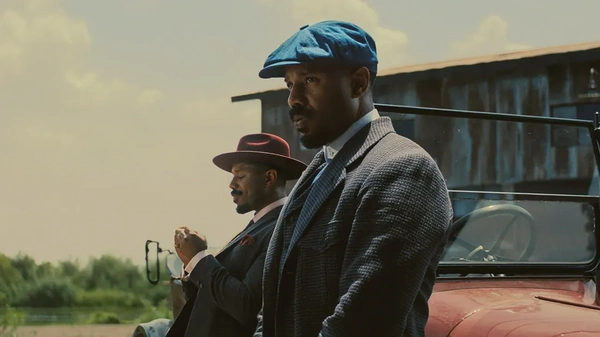
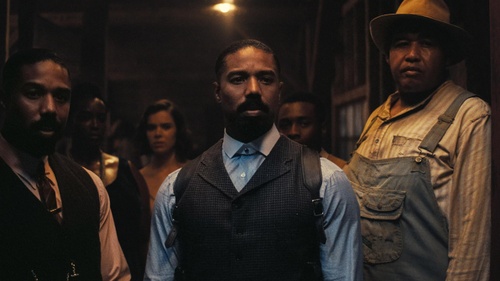
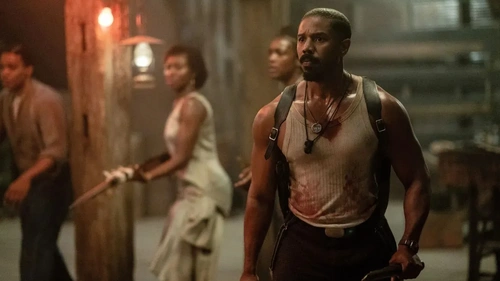
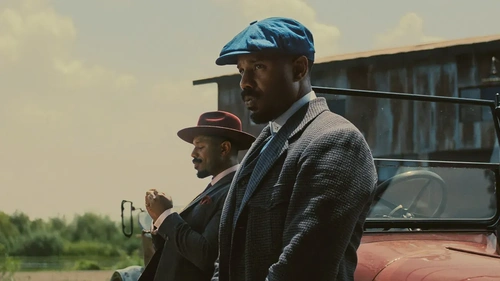
Mississippi, 1932. Twin brothers Elijah “Smoke” and Elias “Stack” Moore—both played by Michael B. Jordan—return to their hometown after seven years of absence. Veterans of World War I and later enlisted in Al Capone's organization in Chicago, they come back with a lot of money and cases of Irish beer, driven by an ambitious project: to open a juke joint—dance halls reserved for the African American community—inside an old sawmill purchased from an openly racist white man, creating a safe space where they can dance, drink, and forget, at least for one night, daily oppressions.
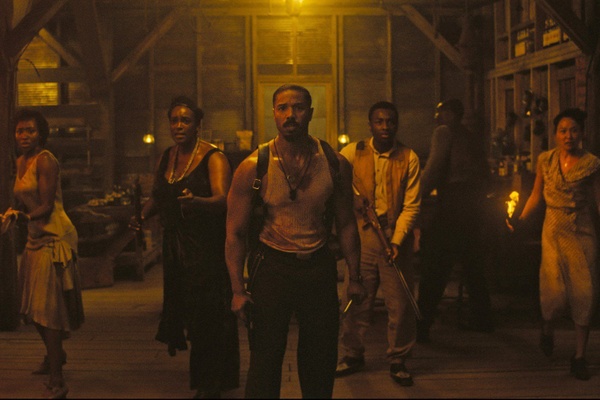
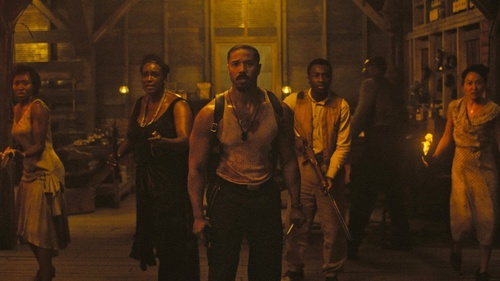
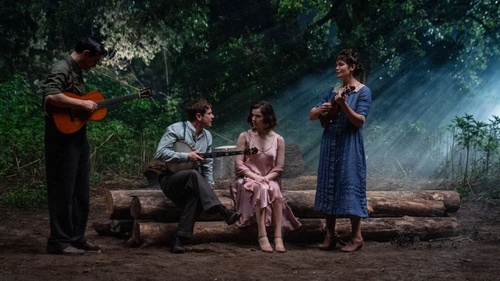
In The Sinners, Smoke and Stack recruit their cousin Sammie, nicknamed “Preacher Boy” for his religious past: a guitarist and singer of prodigious talent, capable of making the blues vibrate as if reaching the gates of heaven. Around him, a diverse team is assembled, carefully chosen for every aspect of the opening night: from Delta Slim, an elderly and alcoholic harmonica player, to Annie, a Hoodoo expert, to the Chinese bartenders Grace and Bo in charge of refreshments. But what should be a night of celebration and liberation quickly turns into a nightmare when the club's opening attracts the attention of Remmick, a cruel and charismatic Irish vampire, leader of a coven of undead who sees that isolated gathering as the perfect opportunity to swell the ranks of their immortal cult.
Who Sins and Who Doesn't
Sixteen Oscar nominations: a record that surpassed even more celebrated titles that have rightfully entered the history of the Seventh Art. It is very unlikely that The Sinners will convert all of them into statuettes, and some nominations appear frankly generous, but it is undeniable that the film will leave its mark on the upcoming Academy Awards night, trying to do better than Black Panther (2018), which a few years ago took home three out of seven awards, becoming a cultural symbol for the African American audience. It is no coincidence that behind the camera for both is Ryan Coogler, who after the dazzling debut of Fruitvale Station (2013) relaunched the Rocky franchise with Creed (2015), also inaugurating the now well-established collaboration with Michael B. Jordan.
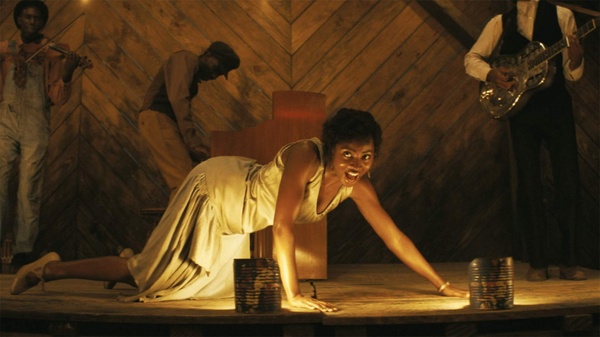
Here the actor doubles up in the dual role of the twins, within a cast that celebrates prominent figures of black cinema like Delroy Lindo and offers a rich and stratified cultural cross-section, with music playing a central role in several key scenes. The soundtrack is not mere accompaniment, but the true emotional engine of the narrative, capable of blending visceral blues and sudden folk outbursts of Irish origin, giving the film unexpected shifts and moments of authentic sensory power.
Not everything, however, works as it should. The two hours and ten minutes runtime—at times excessive—delivers an operation that wants to be many things at once: epic black horror, historical drama, musical, action thriller, reflection on racism, celebration of blues culture, metaphor for colonialism, and a political warning more relevant than ever in contemporary America. Noble aspirations, but rarely organically integrated, with a narrative that, especially in the first half, suffers from a marked slowness.
Awaiting the Announced Massacre
The first act is the film's true Achilles' heel. Burdened by an artificial solemnity, it risks alienating the viewer with long and didactic dialogues that explain everything, leaving little room for silences and unspoken words. The "team assembly" sequence, intended to introduce the characters and prepare for the event, drags on longer than necessary, with figures often defined exclusively by the narrative function they will fulfill, without real depth.
Coogler thus indulges in long contemplative shots of cotton fields, wind-bent trees, and sun-weathered faces. Undoubtedly fascinating images—Autumn Durald Arkapaw's cinematography is splendid, with echoes of certain Fordian cinema—but which contribute to a pervasive pretentiousness, stifling the narrative momentum. The doubt remains whether The Sinners deliberately aimed for awards season—an impression that seems confirmed by the exploit mentioned at the beginning of the article—or truly wanted to try to elevate genre cinema, oscillating between a grittier verve and a solemn register and struggling to find a stable balance.
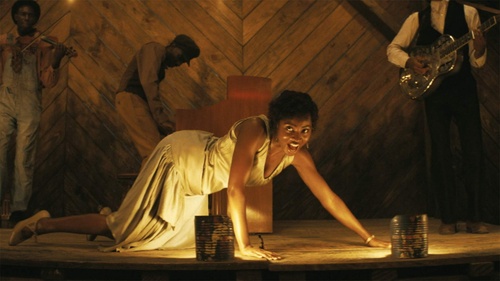
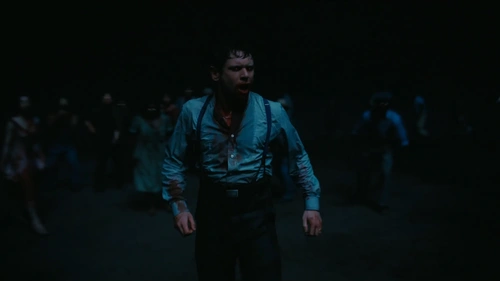
Some sequences are memorable: the dance in the farmhouse, where present and future intertwine in a temporal and cultural explosion, is visually overwhelming, though partly gratuitous compared to the development of events. More focused, however, is the epilogue set in the early nineties, with clear Jarmuschian echoes, which reflects on the passage of time and reiterates, perhaps with excessive clarity, themes already amply explicit, explaining to the viewer what was already evident, in a cinematic era where things need to be reiterated multiple times, with all the consequences.
Gallery
Score
Editorial team
The Sinners: The Record-Breaking Horror Film, Between Music and Vampires
Vampires suck blood and soul in a film laden, if not suffocated, with metaphors—some more refined, others more gratuitous—that attempts to portray a panorama of African American culture through the filter of genre cinema, hybridized with a solemn and ambitious style, as fascinating as it is, in the first part, partially off-putting. The Sinners is a work that certainly leaves no one indifferent, with at least a couple of unforgettable key scenes and a plot that reworks dynamics à la From Dusk Till Dawn (1996) to address racism and segregation in a precise historical context easily relatable to the present day. When the more direct and visceral black horror emerges, the film finally finds its stride, but the hemoglobinic turn arrives late, leaving music—at times captivating—to primarily break the arrogance of a narrative stretched by its own excesses. It is precisely that rhythm that, fortunately, vibrates strongly in the blues soul and in the Irish-tinged sounds, which alternate harmoniously before the awaited carnage.
Similar articles