In Supergirl, the only truly super thing is the protagonist Milly Alcock
Supergirl is a film that cultivates not a fraction of the ambition of the previous Superman and, if it doesn't completely derail, it owes it to its charismatic protagonist.
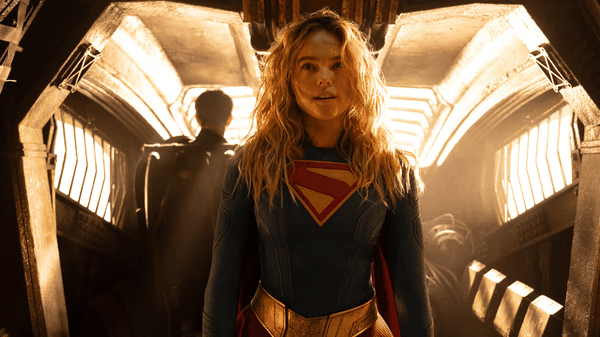


That something wasn't quite right with the Supergirl operation was clear long before seeing the film. For cinephiles and industry insiders, there's always a kind of aura, an impalpable pressure around a project, its trailers, its posters, the anticipation it generates or fails to generate. From the beginning of its promotion, the impression was that, between the film's conception and its arrival in theaters, something (a lot?) of the interest in it had been lost along the way. Both from the audience, increasingly tired, impatient, and uninterested in comic book movies, and from those who carried out the operation, but with decreasing conviction, proving that the numbers of the previous Superman were not a disaster, on the contrary, but certainly did not generate lasting enthusiasm.
Gallery
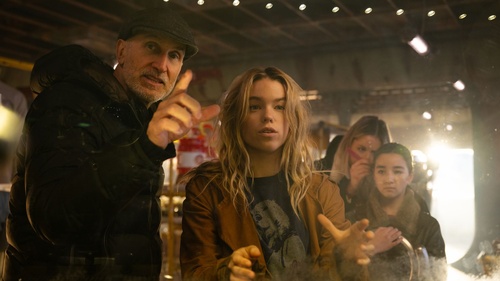

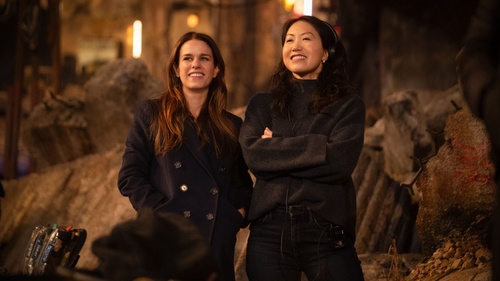

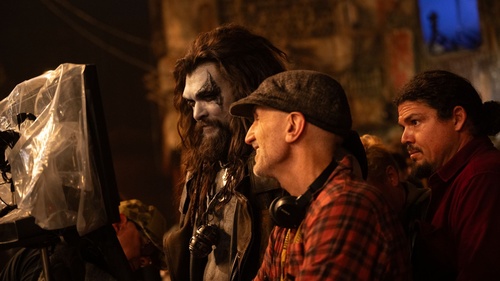
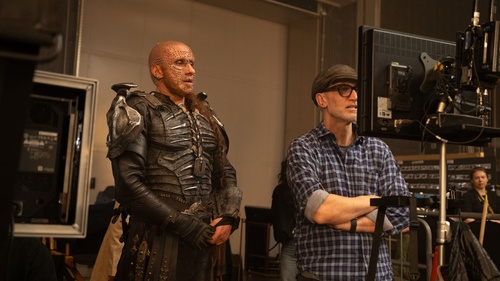
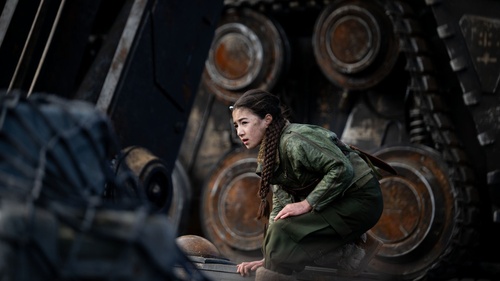
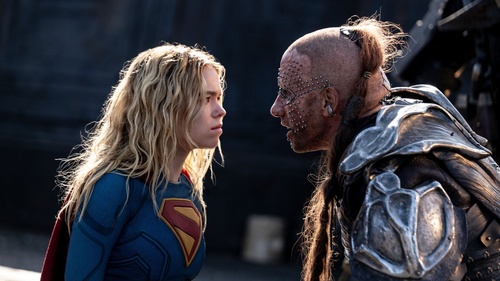
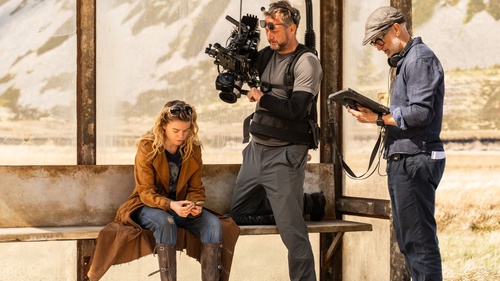
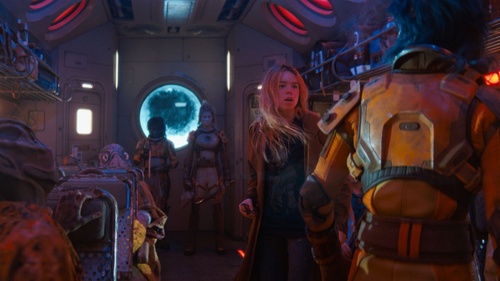

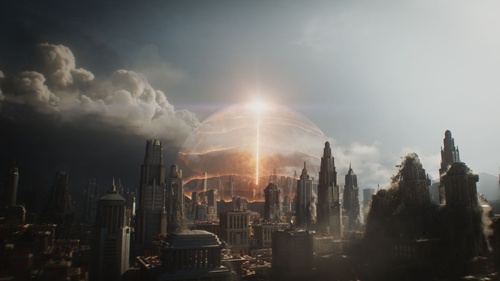

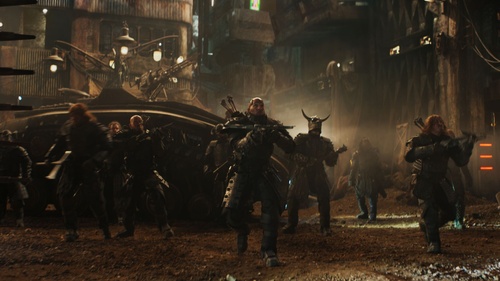
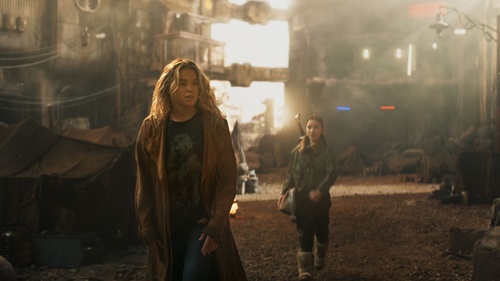


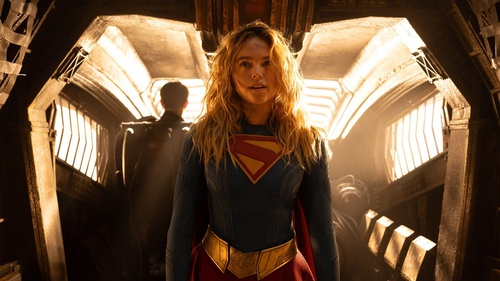
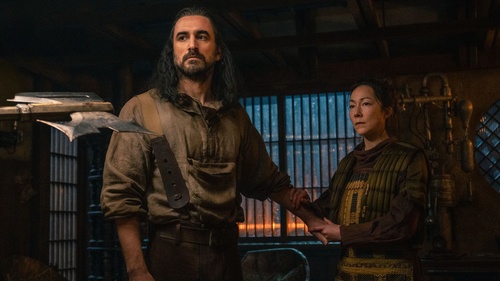
Sometimes, therefore, an operation must be brought to fruition without fanfare, waiting to reset everything and turn the page. Supergirl is exactly this type of film, written and directed with the ambition of doing as little harm as possible, risking less than the bare minimum. Unfortunately for it, this is particularly evident in comparison with its "older brother," James Gunn's Superman, which was, on the contrary, overly ambitious, ready to take enormous risks, capable here and there of surprising the viewer. So much so that the echo of those risks (primarily the plot twist that Kal-El's parents had sent him to Earth not as a savior, but as a conqueror and subjugator) also resonates in this film, so devoid of ambition is it.
A week of hangovers, Krypto, and distant suns
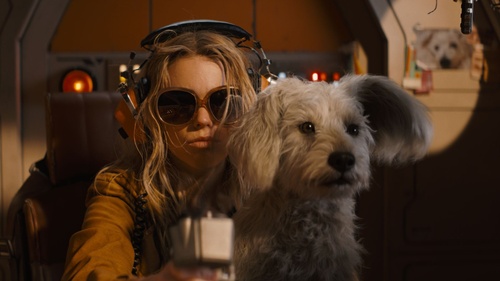
We already knew that Supergirl was prone to alcoholic melancholy, rough, sharp, but deep down good: an idea presented with quick brushstrokes in her appearance in James Gunn's Superman*,* which is more focused here, without necessarily becoming deeper. The film tells us about the alcoholic week in which she celebrates her twenty-third birthday, the spaceship strewn with leftover food and discarded objects, disheveled hair, sunglasses as her only post-hangover company along with her faithful dog Krypto. It is in a seedy bar in the shadow of a red sun where Kara goes to feel weakness, blows, and the alcoholic hit, that she gets entangled in someone else's affair that will lead to her beloved dog being poisoned and his owner shaking herself up, getting involved, donning the colors of her home planet and her cousin to save the animal and a very stubborn girl she met on the street.
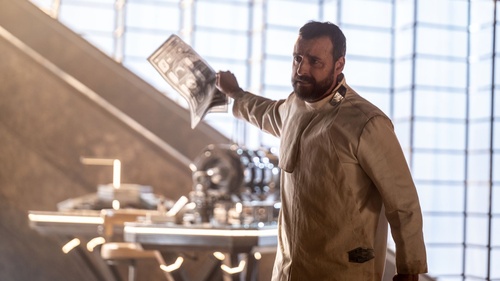
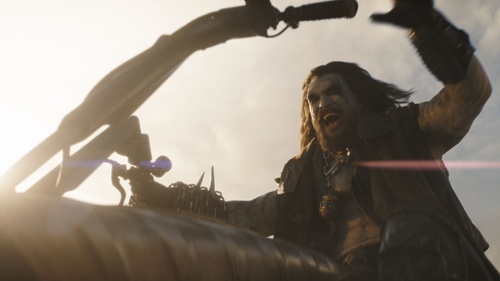
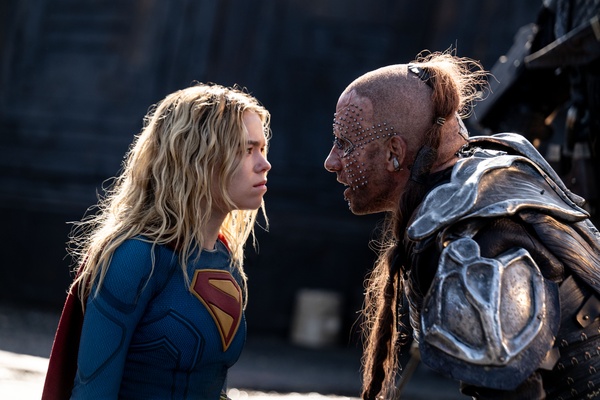
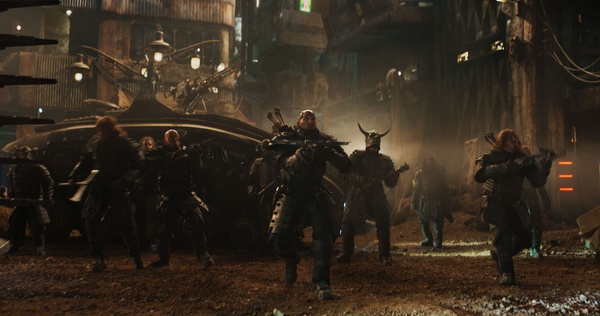
Someone on social media had joked about how much the film's trailer resembled the fake trailer that closed the comedy The Fall Guy, an action comedy starring Ryan Gosling as a stuntman. It was an accurate and brilliant insight, because the real film and the fake trailer both look to Mad Max: Fury Road and a certain, lazy aesthetic of bad comic book movies to build their visual imagery. Jason Momoa as Lobo, in particular, seems to be taken directly from a George Miller film (or the backstage of a Kiss concert), poorly blended with the rest of a universe that, awkwardly and with little originality, alternates yellow, red, and green suns to test the strength and masochism of its protagonist. The most thankless task, however, falls to Matthias Schoenaerts as the villain Krem, whose characterization stops at: he's bad because he is and has many facial piercings.
A protagonist better than her film, devoid of ambition
Perhaps sensing that she won't have many future opportunities to explain herself and indulge in revelations, the film takes a long (and also somewhat awkward) flashback to tell the protagonist's past and what makes her so different from her cousin, even if fundamentally they are identical in their being, despite everything that has happened to them, good. Gillespie, who from I, Tonya to Cruella has become a kind of specialist in "girls interrupted," is not afraid to dirty Supergirl, to make her truly messed up, off-putting, and sometimes decidedly unattractive in her manners and attitude.
The true strength of the film, however, is Milly Alcock, who manages to put authentic suffering into the character, even when the script becomes terribly didactic, almost embarrassingly so. For example, when Kara's mother tells her, plain and simple, that she is allowed to be "tough" and "not nice," as long as she promises to be good. It seems like a point from the list of demands that public relations must have forwarded to the production and that the film doesn't even attempt to transform into something minimally cinematic.
The real shame is that, after a predecessor so enthusiastic about being brave, daring, about taking a comic book mythology and handling it without fear of revolutionizing it and doing something new (and even political), a film arrives that never tries to be more than a filler space opera adventure, with a protagonist and a supporting cast whose potential is only partially exploited. It's especially regrettable for yet another heroine brought to the big screen at the last minute, in the midst of a creative and consensus crisis, in the face of a run famous in the world of comic book readers precisely for being the complete opposite: heartfelt, daring, unforgettable.
In Supergirl, there is very little that is unforgettable, but at least the film glides along without too many hitches towards its goal, also because it was wisely decided to keep the duration within two hours, which the film reaches not fatigued, but also never truly captivating the viewer. Pleasant, but not exceptional, is the IMAX version of the film.
Score
Editorial team

In Supergirl, the only truly super thing is the protagonist Milly Alcock
It's a shame, however, that (as almost always happens) the comic book movie with a female protagonist is treated as an experiment put together without much care, without a strong script, and above all, without giving it the opportunity to do anything that isn't exactly what we would expect from it. From space pirates with a technopunk vibe to the pop-rock songs by female bands that fill the soundtrack (which in Hollywood seems to equate to "tough female character"), Supergirl neglects none of the stereotypes that seem to accompany these "female" films. While they may have finally learned not to sexualize their protagonist or make her a mere canvas on which to reflect the male audience's desire, they end up giving the distinct impression that those who approve and make them don't quite know what to do with super girls.
Similar articles
Physint: Bill Skarsgård is the protagonist, and the poster doesn't mention PlayStation

Lee Cronin's The Mummy is Not Very Mummy, But It's Truly Scary: The Review

Grief Is the Thing with Feathers 2K - Pain and Evocative Visions