Exit 8: A Surprising Film Based on the Video Game
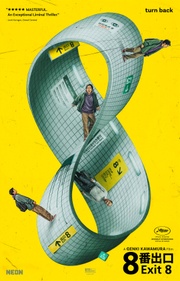
An adaptation of the walking simulator, Exit 8 is set in a subway where the protagonist is trapped in a loop with no apparent way out. In cinemas now.
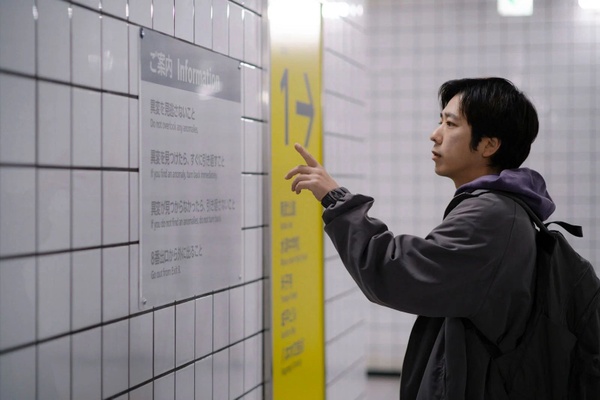


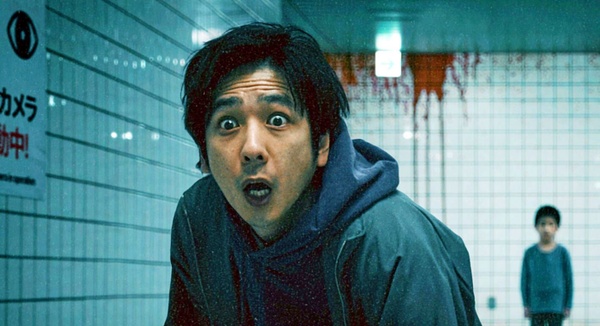
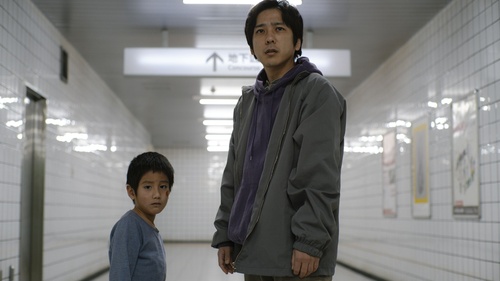
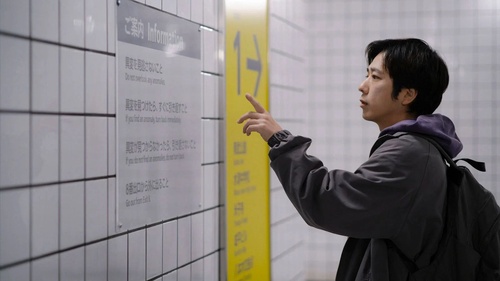
During a subway journey, a commuter witnesses another passenger's outburst towards a young mother, guilty only of being unable to calm her crying child. Stepping onto the platform, he receives a call from his ex-girlfriend, who informs him she is pregnant and asks about his intentions. But the communication is abruptly cut off when the protagonist of Exit 8 passes through an underpass.
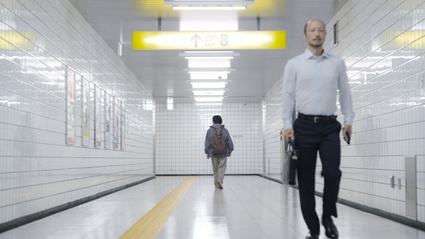
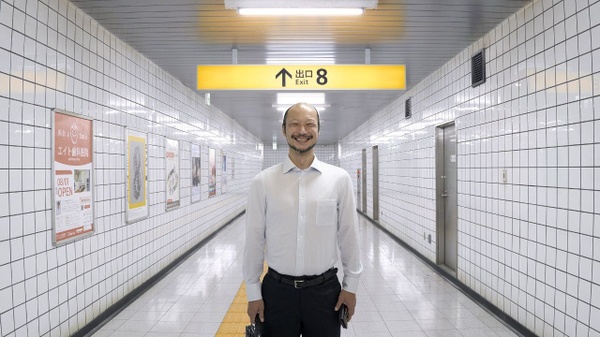
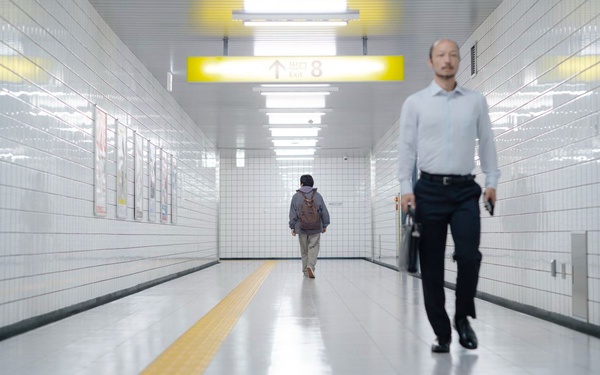
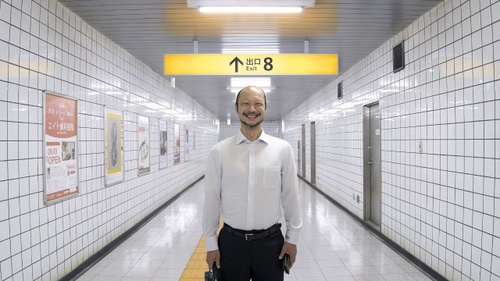
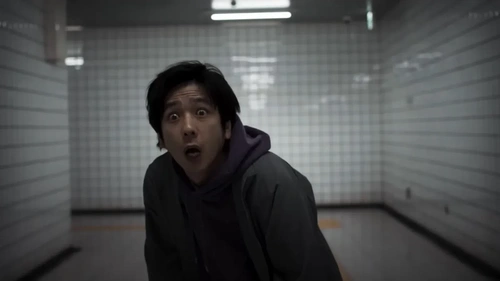
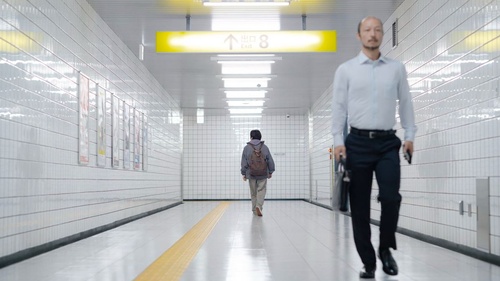
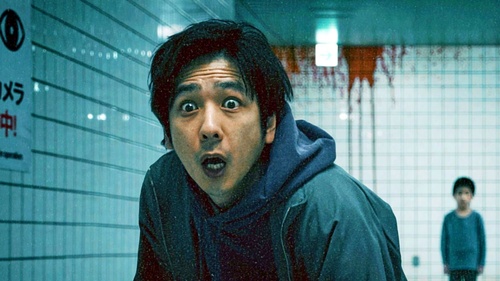
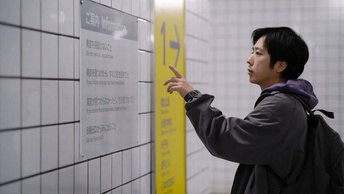
From that moment, the man finds himself trapped in a long, deserted corridor, destined to repeat endlessly. The path is always the same, and after every turn, he finds himself walking in the same tunnel. The posters on the walls don't change, and even more disturbingly, the same figure cyclically wanders through each passage: an individual with a briefcase who seems not to notice his presence. Only then does he understand the existence of small anomalies scattered along the way, potential clues to find a way out of that claustrophobic, waking nightmare.
Exit 8: In or Out
That the plot is so essential in its surrealism should not surprise: we are, in fact, faced with an adaptation of a dialogue-free video game, the eponymous walking simulator without a true story in the conventional sense, based on a mechanic as elementary as it is obsessive.
The Exit 8, developed in 2023 by Japanese Kotake Create and sold for a few pennies on all major platforms, asks the player to do only one thing: walk a Tokyo subway corridor, identify any anomalies present – such as a poster with altered details, a door that shouldn't be there, or human figures that suddenly appeared – and turn back when encountering them; conversely, proceed if everything seems unchanged. Making a mistake means starting over, i.e., from 0. The goal is to reach exit number 8, a task far from simple, as one must pay attention to every minute detail.
The Mind Behind the Project
Genki Kawamura is a well-known name to those who follow contemporary Japanese cinema, especially in his role as producer: he is credited with bringing to the screen a recent animation classic like Makoto Shinkai's Your Name (2016), as well as Hirokazu Kore-eda's magnificent coming-of-age Monster (2023), deeply different works but united by a strong emotional substance.

In his second directorial work, after the drama A Hundred Flowers (2022), an introspective journey into senile dementia, Kawamura tackles a completely different project, presented at the Cannes Film Festival 2025 and capable of extracting a more layered dimension from the source material, adding a surreal and visionary subplot that finds resonance in a credible reality. Common fears and anxieties, such as the theme of impending fatherhood, thus insinuate themselves into a story with fantastic and partially horrific tones, taking on a metaphorical significance and violence that are anything but obvious.
From Screen to Screen
From an aesthetic point of view, the faithfulness to the original work is remarkable, even recreating scene by scene the aseptic and monochromatic design of the game. That endlessly repeating corridor becomes a symbol of an existence in limbo, and the protagonist's journey in the loop is not just an architectural trap, but also an existential one. The play of perspective, with an initial subjective view that drags the viewer into the nightmare before opening up to a broader gaze, leads the audience to ideally interact with the film, searching for clues and anomalies that the character misses, almost in an attempt to anticipate his fate.
The minimalist soundtrack works by subtraction, ensuring that every unexpected noise acquires enormous weight, amplifying the sense of unease. Just as the editing becomes obviously predominant, in a kind of real-time continuum and sequence shot, which captivates and disturbs at the same time. Exit 8 is a film where almost everything finds its place and where the end symbolically marks a new beginning.
Gallery


Score
Editorial team
Exit 8: A Surprising Film Based on the Video Game
An existential horror with a hypnotic style, intelligently adapting the eponymous video game. That walking simulator expands on screen into a metaphorical dimension, in the paradoxical odyssey of a protagonist trapped in a subway with no way out. Exit 8 may initially disorient with its apparent cyclicality, but it proves surprisingly engaging as it invites the viewer to personally identify the anomalies that separate perdition, perhaps eternal, from cathartic salvation. Genki Kawamura transforms a minimal premise into a psychological horror of rare intelligence, capable of reinventing itself throughout its duration, amidst a subtly unsettling atmosphere and metaphorical implications that enrich the simplicity of the video game's core idea.
Similar articles