Marvel Tokon Fighting Souls: Review of an Enjoyable but Chaotic Fighting Game
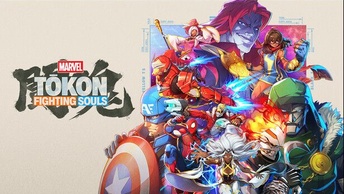
Marvel Tokon Fighting Souls brings comic book heroes to the screen
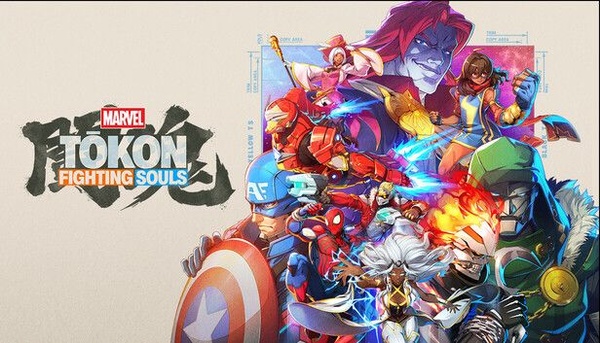


Here we are, we've tried it on various occasions, we've dreamed of a tag team or an assist-based fighting game, we've tried it, played it, dissected it, and finally, the time has come to talk about this project, controller in hand.
A History Lesson
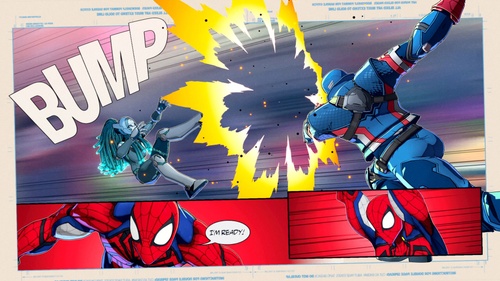
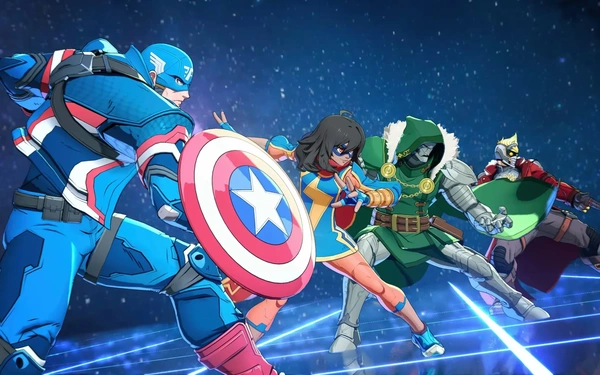
The Episodes mode isn't just a simple succession of matches; the game offers five different narrative arcs, each dedicated to a specific team of characters. Avengers, X-Men, Guardians of the Galaxy, Samurai Outriders, and Knights of Doom are involved in a grand competition orchestrated by the Champion, a powerful cosmic entity who tests heroes and villains from across the galaxy. Each episode delves into the relationships between the protagonist group's members, showing unexpected alliances, internal tensions, and different visions on how to confront the threat. The narration is presented through animated comic-style sequences, with illustrations created specifically for the game by artists from both the comic and manga worlds, giving each arc a strong visual identity. The result is a mode designed not only to introduce new fights but also to tell a completely new Marvel story and offer players a narrative context that enhances the title's rich roster. This is also the mode I suggest starting with because it contains a small guide for some heroes and how to control them.
Gallery
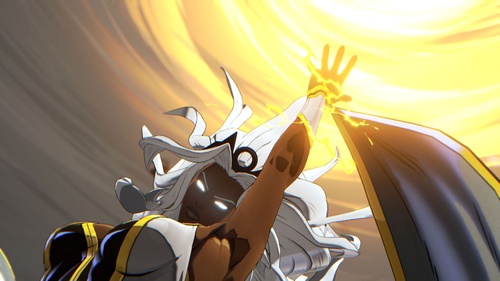
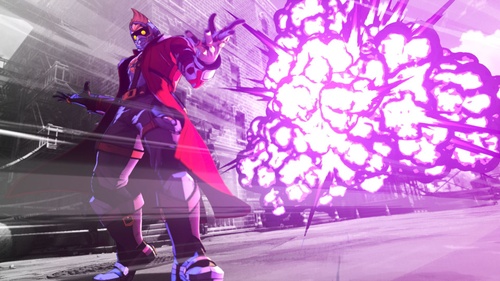
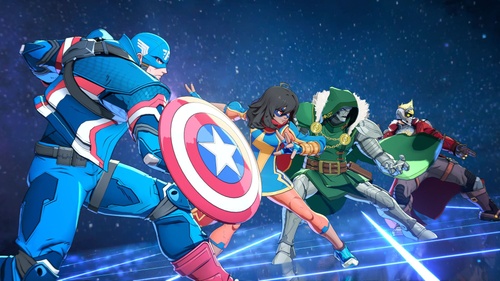
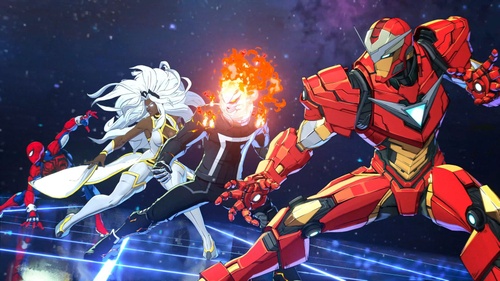
Solo-mode
You can certainly tackle individual challenges against the CPU, but the All-Star Arena and Survival modes, alongside the main campaign, offer a roguelike experience designed for those who want to test themselves in a series of ever-changing challenges. In this mode, players face paths composed of consecutive battles, progressively choosing which opponents to face and which rewards to obtain along the way. Each match can evolve differently thanks to bonuses, power-ups, and team compositions that alter the approach to subsequent encounters, encouraging experimentation and replayability. The goal is not just to win individual matches, but to build an increasingly strong and adaptable formation until reaching the final battles, creating an experience that combines the strategic depth of fighting games with the typical progression of modern roguelikes. Fun, extensive, and rich in content, absolutely delightful and very fresh.
A Rich Package
Training mode is designed to allow players to delve into every aspect of the combat system with complete freedom. Here, it's possible to study character moves, practice combos, perfect assist timing, and understand the numerous mechanics that characterize team battles. You can learn the generic basics or master each individual fighter to uncover all their secrets and dominate the arena.
The multiplayer component is the obvious competitive core of the experience. Players can compete in ranked matches to climb the online leaderboards or choose more casual and relaxed encounters. There are public lobbies where users can meet and quickly organize new challenges, as well as private rooms dedicated to matches with friends. Finally, local multiplayer is also present, allowing players to share the same screen and experience the full intensity of face-to-face combat, keeping alive the traditional spirit of great arcade fighting games.
Brawling Mayhem
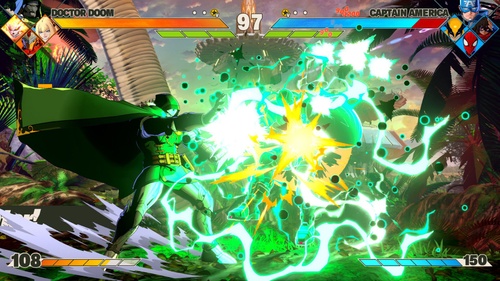
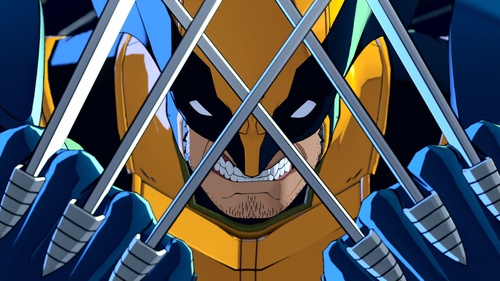
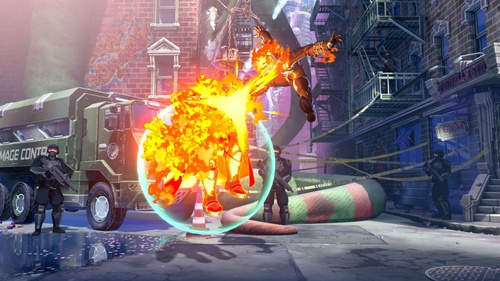
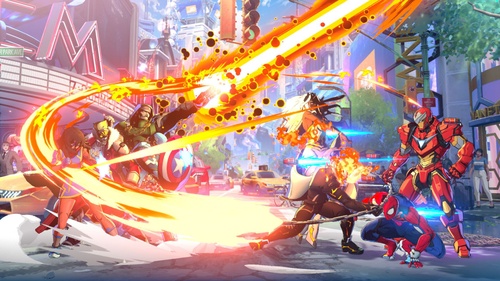
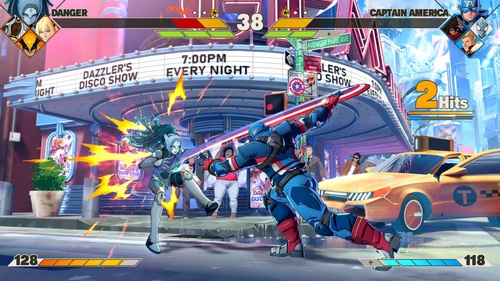
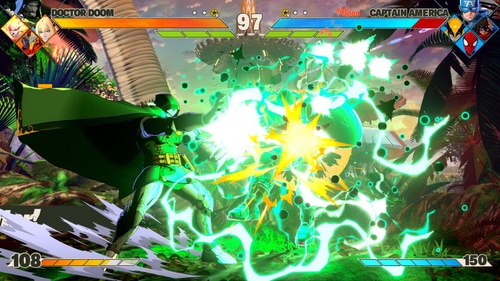
I won't dwell on the graphics, which are perfect, genuine, fresh, and well-drawn, in addition to representing a detailed 2.5D. However, it works less well than one might think when the screen fills with characters supporting our main hero or vice-versa. The other fighters, three besides the main one, can replace the first or provide support moves, but the final result is poor readability of the scene when it's crowded with characters, making it hard to know where to strike. The very concept of the game, with a single shared life bar, makes the continuous alias switching somewhat pointless; mind you, it's balanced because it has the variations I mentioned above, but frankly, it could have easily been a single combat and perhaps would have been decidedly more logical and orderly. Overall, the offering is extensive, you'll have a blast, and I can only imagine how much it will be expanded, but in this chaos, it's reasonable to expect an objective imbalance in the roster – did someone say Wolverine? – and many classic flaws like zoners return forcefully. In fact, the game features so many moves that with a minimum of technique, you can decimate the most annoying enemies, and this lack of a way to equalize the (justified) ease of inputting moves sometimes clashes a bit with the need to demand something deeper.
Score
Editorial team
Marvel Tokon Fighting Souls: Review of an Enjoyable but Chaotic Fighting Game
Similar articles