Expeditions: Samurai: Review of a Tactical Katana-Based Return
From Rome to Sengoku Japan: the series evolves towards role-playing, narration, and stealth, remaining faithful to its tactical soul


Expeditions: Samurai inherits the legacy of Expeditions: Rome and transports it to one of the most fascinating eras of Japanese history. Set in 1600, during the final years of the Sengoku period, the game places the player at the center of a civil war destined to change the face of Japan. As the captain of a European ship that has landed on Japanese shores, you find yourself involved in an intricate political conflict between warlords, rival clans, and historical figures fighting for power.
Gallery
Journey to the East
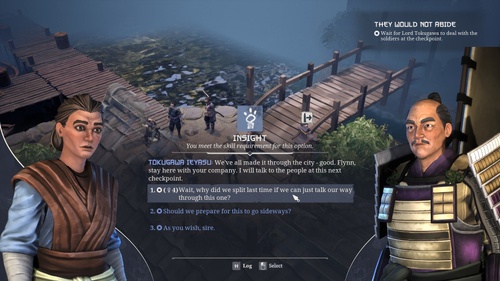
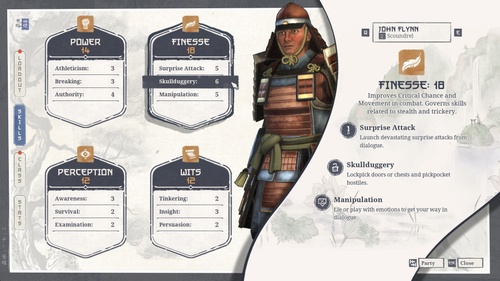
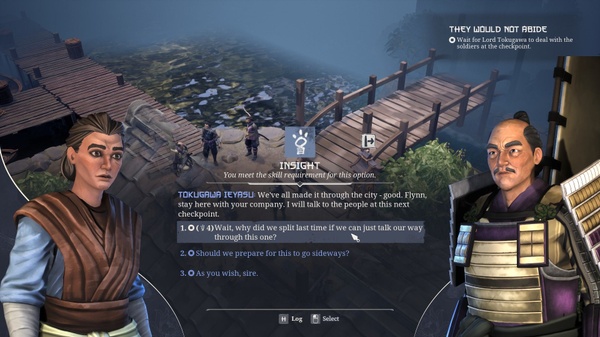
The first thing that strikes you is how the developers decided to evolve the series' formula. If Expeditions: Rome was heavily focused on the protagonist's military career and leading their legion, Samurai places a greater emphasis on the role-playing and narrative aspects. Choices seem to have an even more pronounced weight, and the relationship with travel companions takes on a central importance in the adventure's economy. Each crew member has a personal story, their own objectives, and relationships that can develop in many different directions.
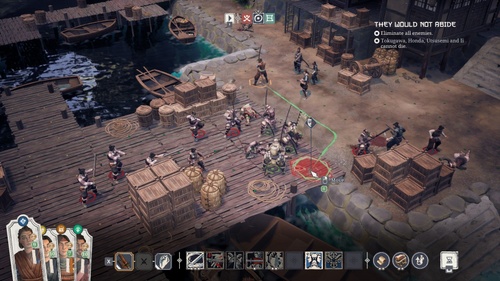
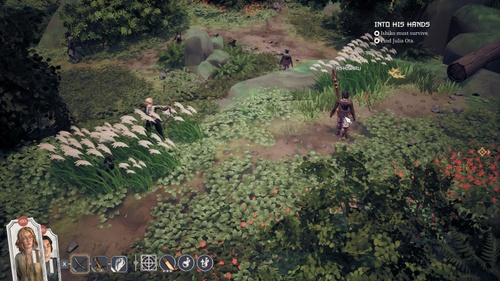
The combat system also represents a clear step forward compared to Rome. The previous chapter offered solid and deep tactical battles, but often characterized by rather slow pacing. In Expeditions: Samurai, encounters are more dynamic thanks to action management that makes the flow of battle much faster and more spectacular. The strategic component remains fundamental, but the overall feeling is that of a more modern and fluid experience.
One of the most interesting innovations is the introduction of stealth mechanics. In Rome, direct confrontation was almost always the primary solution, while here it's possible to observe the battlefield, separate team members, organize ambushes, and exploit the environment before combat begins. This addition significantly expands tactical possibilities and makes each mission more open to the player's interpretation.
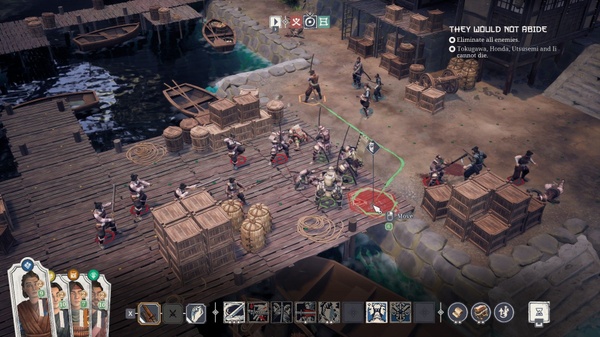
Rome vs Samurai: What Changes
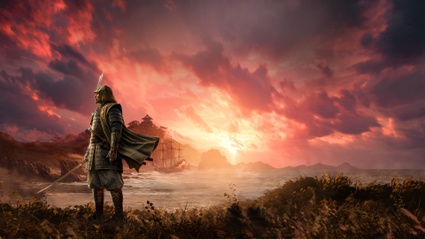
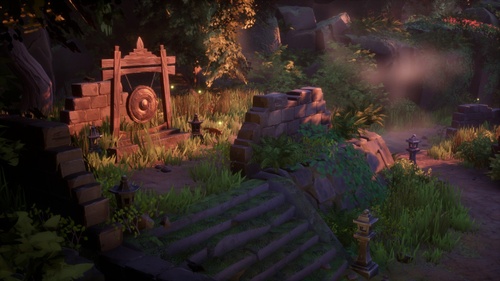
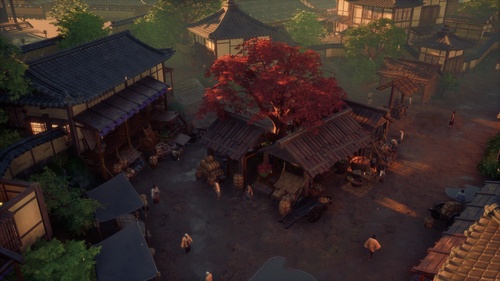
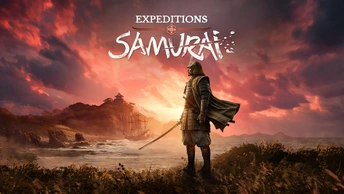
From an artistic point of view, the change of setting is probably the best element of the game. Samurai armor, feudal castles, rural villages, and Japanese countryside create a scenario rich in charm and personality. The atmosphere is immediately engaging and manages to distinguish itself sharply from the Roman setting of the previous chapter.
In a direct comparison, Rome still maintains an advantage in the strategic-military component thanks to legion management and the large military campaigns that punctuated the adventure. Samurai, on the other hand, seems to focus entirely on the evolution of role-playing, character relationships, freedom of approach to missions, and a more evolved combat system. Those who loved Rome will find the same attention to historical reconstruction and moral choices, but with a richer and more ambitious structure.
In practice, Samurai streamlines many of the clunky and less interesting aspects of Rome and also adds a great deal of attention to dialogues, where, like a true role-playing game (and gamebooks), you can die very easily and very quickly for a wrong line of reasoning, if you don't follow the logical path of your character within their context. All of this isn't perfect, but it works; it's simple, logical, and each of the parts: narrative and combat, almost always have various facets useful for giving you something to reflect on.
Score
Editorial team
Expeditions: Samurai: Review of a Tactical Katana-Based Return
Expeditions: Samurai demonstrates that the series can evolve without betraying itself: in place of Rome's cold military management, a more role-playing soul emerges, made of impactful dialogues, companion relationships, and finally more agile combat, enriched by new stealth mechanics. The Sengoku Japan setting also provides a strong and distinctive visual identity. Not everything is perfect, and those who loved Rome's strategic-military component might miss it, but overall it's a sequel that grows in the right direction: recommended for fans of the tactical genre and those who already loved the Roman chapter.
Similar articles