Zelda: Ocarina of Time Remake Switch 2 Review: Nintendo Preserves the Magic of a Classic Without Distorting It
Free camera, dedicated jump, ocarina to whistle into the microphone, and the Monster Hall: the remake modernizes Link's journey 28 years after the original
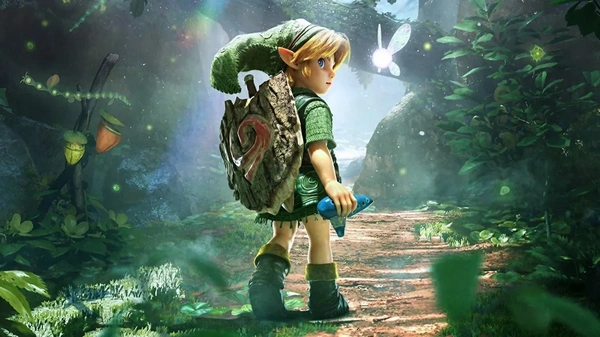


From Nintendo 64 to Switch 2: The History of Ocarina of Time from 1998 to the Remake
Reviewing the remake of The Legend of Zelda: Ocarina of Time on Switch 2 means confronting a fundamental part of video game history, a work that for many players represents the game of their lives and that, for many others, continues to be one of the most beautiful titles ever made. An adventure capable of transcending the boundaries of its era, entering the hearts of entire generations, and leaving a profound mark on the very way video games are conceived.
Gallery
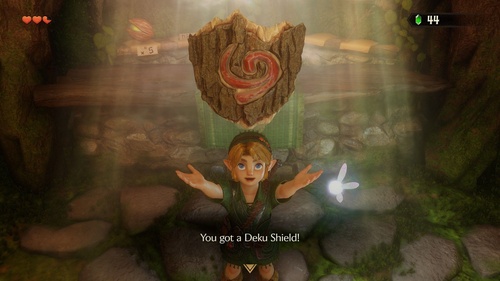
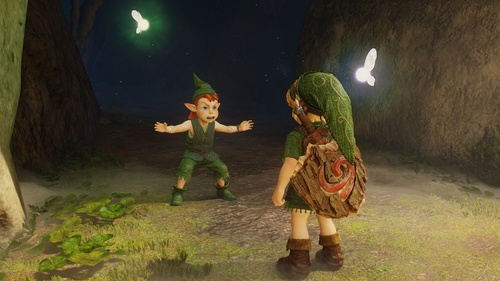
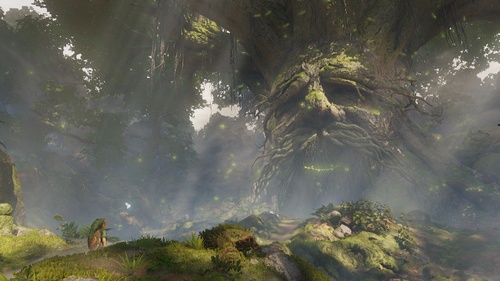
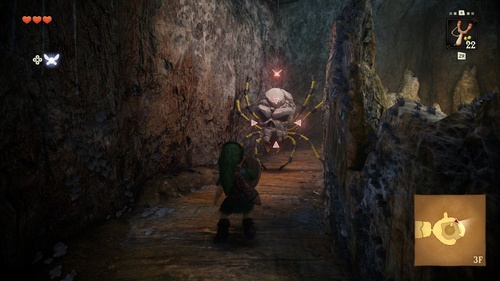
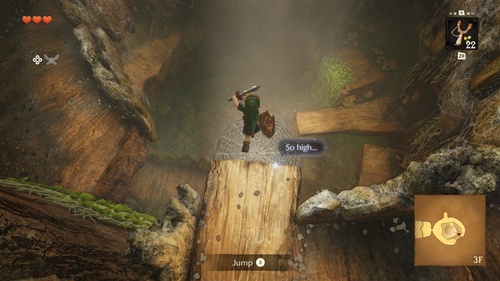
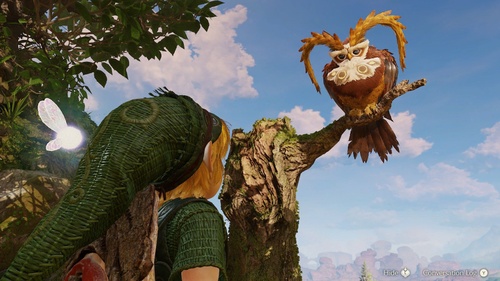
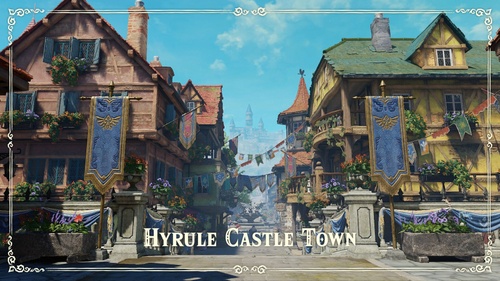
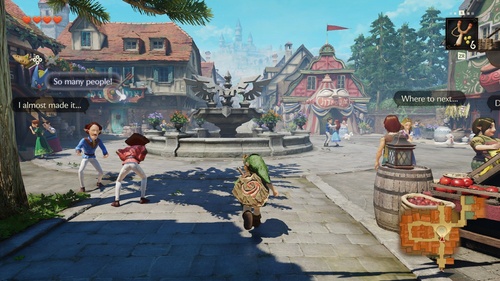
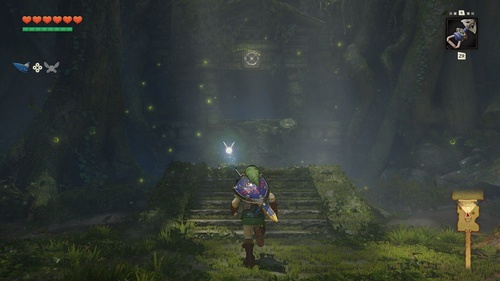
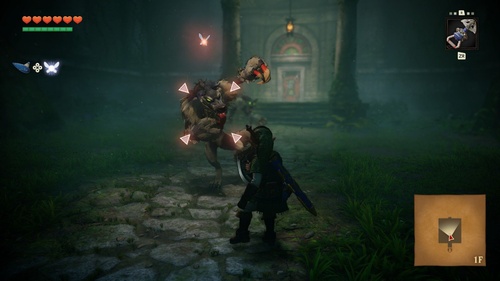
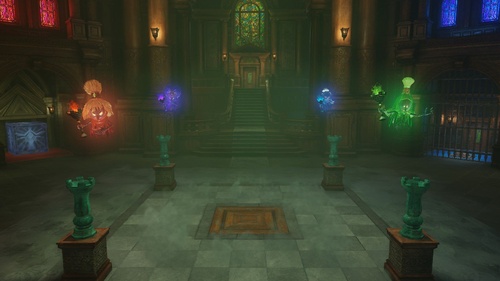
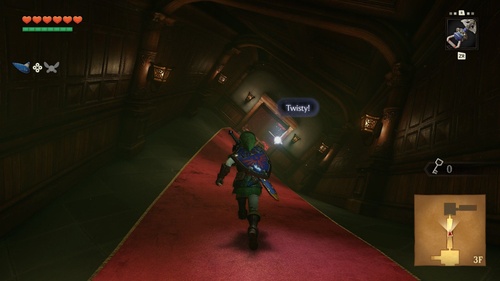
Ocarina of Time helped redefine the canons of 3D adventure, intertwining exploration, puzzles, combat, and narrative into an experience that still today represents a benchmark. It is a game that has managed to captivate different generations and continues to hold a special place in the hearts of many gamers.
Being able to talk about it again is therefore a great challenge that I approach with enthusiasm and with the desire to rediscover Hyrule through a renewed guise. The risk of being influenced by nostalgia is real, as is the risk of demanding too much from a work that has already proven its worth. For this reason, I want to focus on what this new version offers today, evaluating the introduced changes without forgetting what made the original memorable.
The question I start from is simple, but far from obvious: Has Nintendo managed to preserve the magic of The Legend of Zelda: Ocarina of Time, making it accessible to new generations without distorting its identity? This is precisely what I want to tell you about, returning to a world that made video game history and is now preparing to live a new chapter of its journey.
The Return of the Hero of Time
To truly understand the meaning of this new version, one must inevitably take a step back to 1998, when The Legend of Zelda: Ocarina of Time arrived on Nintendo 64. Almost twenty-eight years have passed since that debut, which occurred in Japan on November 21, 1998, yet Link's journey continues to hold a special place in the collective memory of gamers. It's not just a matter of nostalgia: we are talking about a work that helped define how we would explore, fight, and interact with 3D worlds in the years that followed.
At the time, bringing a series like The Legend of Zelda into a completely three-dimensional environment represented a challenge that was anything but simple. Nintendo not only had to transfer an already known universe into three dimensions but also find a language capable of working with a camera, a deeply explorable space, and combat that required completely different precision compared to previous installments. The result was an adventure that managed to combine exploration, puzzles, combat, and a story built around an idea as simple as it was powerful: time can change the world, but not necessarily the destiny of those called to save it.
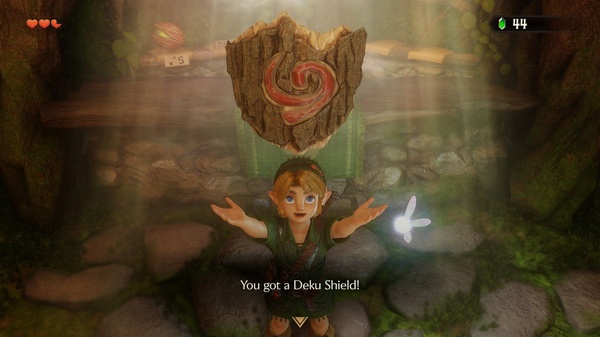
Since then, the name Ocarina of Time has become almost synonymous with 3D adventure. This does not mean that the original game was without limitations, especially if we look at it with today's eyes, but that its insights left an enormous legacy. The enemy targeting system, the dungeon design, the relationship between tools and environmental puzzles, and the way narrative progression intertwines with exploration are elements that contributed to making the experience memorable.
In June 2011, Nintendo brought the game back to Nintendo 3DS with The Legend of Zelda: Ocarina of Time 3D. This was not simply a re-release of the original title on a new platform: the graphics were updated, environments gained greater depth thanks to glasses-free 3D viewing, and the interface was made more practical, leveraging the portable console's features. That version represented a valuable opportunity to introduce the adventure to a new generation, while maintaining the fundamental structure of Link's journey.
The Nintendo 3DS chapter also introduced some additional possibilities, including Master Quest and boss challenges, expanding the offering for those who already knew every corner of Hyrule by heart. It was a work that primarily focused on presentation and convenience of the experience, without distorting the core of the work.
With the edition destined for Nintendo Switch 2, however, Nintendo decided to address an even more delicate question: how to make a classic relevant without erasing what made it so? The answer lies in a much broader revision, involving graphics, controls, camera, sound, and various aspects of the experience. Naturally, the risk of such an operation is always present, because modifying too much means moving away from the original; intervening too little, on the other hand, can leave intact problems that today would need a solution. The challenge is to understand where it is necessary to change and where, on the contrary, it is better to let the original insights speak for themselves.
Remake Gameplay: Free Jump, Sprint, and Modernized Controls
It is precisely on the gameplay that the scope of Nintendo's work is measured.
While the story, puzzles, and general structure of the adventure are still those we have come to know, the control system has been significantly revised, addressing some of the characteristics that most made the original a product of its time.
Those who played the Nintendo 64 version remember well how different the way of moving within the game world was. Link did not have a dedicated command to jump freely: jumping happened automatically when approaching certain edges or obstacles, while camera management was linked to a much more limited system compared to current standards. At the time it worked, also thanks to the design of the environments and the need to keep the protagonist's position under control, but today it would be difficult to imagine proposing exactly the same setup without intervening on its accessibility.
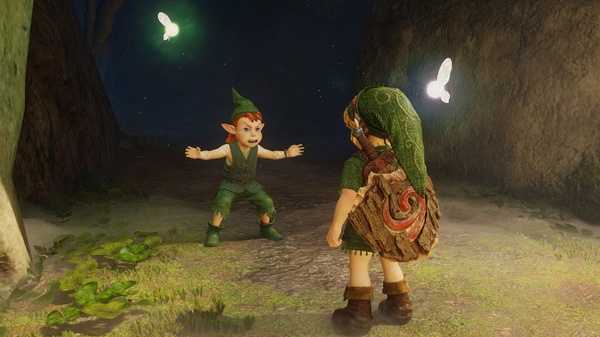
In this version, Nintendo has chosen to update precisely these aspects, giving Link significantly greater freedom of movement. The difference is felt from the very first minutes and it's not just a matter of convenience: it changes the way we approach spaces, observe environments, and react to dangerous situations.
The first novelty worth highlighting is the ability to jump freely via a dedicated command. We are no longer exclusively bound to automatic jumping near edges, because we can decide when to perform the movement, adapting it to the needs of the moment. It's a change that brings the control system closer to what we are used to in contemporary action games, making movement management more natural and offering new possibilities in tackling certain situations.
The choice to make the jump button customizable is also appreciated. Everyone can adapt the controls to their habits, avoiding having to change their way of playing to conform to an imposed layout. It may seem like a detail, but in a title where you are constantly moving, fighting, and interacting with elements of the scenery, having more direct control over actions contributes to making the overall experience smoother.
Added to this is the ability to use a sprint, which makes movement more dynamic and reduces the feeling of rigidity that, inevitably, could emerge when comparing the original with modern productions. The protagonist's movement thus acquires a different rhythm, more immediate and reactive, without the need to distort the nature of the adventure.
Particularly interesting is also the possibility of performing a quick jump through the action command after a roll. This is a solution that adds an additional layer of control to movement, allowing actions to be chained more naturally and some situations to be tackled with greater speed. It doesn't transform Ocarina of Time into a frantic platformer, nor does it claim to rewrite its identity: it simply introduces more modern tools that make movement less cumbersome and closer to the expectations of today's players.
The result is a Link who moves more freely and responds better to player input. It's a difference that is especially noticeable when re-exploring familiar environments, as it allows you to focus more on what's happening around you instead of constantly having to think about the limitations of the control system.
Free Camera with Right Stick: The Game-Changing Innovation
If the jump represents an obvious improvement, camera management is probably one of the most important changes in the entire project. Through the right stick, we can finally control the view freely, observing the environment from different angles and deciding autonomously where to focus our attention.
It's a change I would almost call game-changing, because it profoundly alters the relationship between the player and the three-dimensional space. In the original, the camera was much more constrained, and the view was managed according to a precise logic, designed to accompany the action and keep the environments legible. A comprehensible solution for a 1998 production, especially considering the technical and design difficulties of the time, but one that today inevitably limits the freedom of observation.
The new camera, on the other hand, allows you to look around Link, better follow enemy movements, study the arrangement of environmental elements, and have a more complete perception of the spaces you are traversing. In an adventure where observation is as fundamental as combat, this is not a minor change.
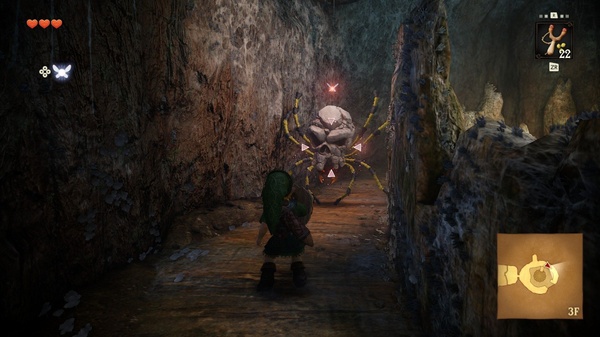
During exploration, the ability to freely orient the view helps to better read the environments and identify details that might escape a more rigid framing. In combat, on the other hand, it allows you to follow enemy movements with greater precision and better manage the distance separating you from them. Even the simplest clashes thus acquire a different dimension, because we have more direct control over what happens on screen.
Naturally, a free camera does not automatically solve every possible perspective problem. The quality of the result always depends on how the environments have been designed and how well the system manages to accompany the action without hindering it. But the ability to directly intervene on the view represents an important step, especially for those approaching the game for the first time.
The interesting thing is that this modification does not erase the original structure. Hyrule remains as we remember it, its paths maintain their identity, and the puzzles continue to be built around the same fundamental insights. What changes is the way we can observe and traverse these places. And, considering how the series has always made exploration one of its strong points, it is an update that has a concrete impact on the entire experience.
Ultimately, Nintendo did not limit itself to making the controls more comfortable, but sought to eliminate some barriers that, over time, risked making the return to such an important work less immediate. This is one of those cases where the update does not serve to demonstrate that the past was wrong, but to recognize that the video game language has evolved and that even a classic can benefit from this evolution.
The Ocarina in the Switch 2 Microphone: Whistling Link's Melodies
Naturally, talking about Ocarina of Time without dwelling on the musical instrument that gives the adventure its title would be impossible. The ocarina is not a simple object to be used occasionally, nor an element inserted to make the protagonist more recognizable: it represents one of the pillars of the experience, an instrument through which Link can interact with the world, modify certain environmental conditions, and access possibilities that, without the melodies learned during the journey, would remain precluded.
The songs have a precise meaning within the progression and are linked both to solving puzzles and discovering the secrets of Hyrule. Some allow you to influence the passage of time, others allow you to reach specific places or activate mechanisms that otherwise could not be used. It is one of the elements that make the adventure immediately recognizable and that, after so many years, continue to distinguish it from many other productions.
In this new version, Nintendo has decided to intervene on this aspect as well, introducing a feature that utilizes the integrated microphone in Nintendo Switch 2. In addition to traditional controls, it is possible to try to reproduce the melodies through your own voice, whistling or humming into the console's microphone.
I had the opportunity to personally try this function and I must say that the result positively surprised me. Voice recognition proved effective even when I used a simple whistle, allowing me to interact with the ocarina in a natural and fun way. It is one of those additions that, while not changing the fundamental structure of the game, manage to make an already central element in the original experience more engaging.
The ability to use your own voice creates a different relationship with the melodies, because we are no longer limited to pressing a sequence of buttons: we try to directly reproduce what Link plays in the game. It's an idea that fits well with the musical nature of the adventure and, above all, does not force you to abandon the traditional system. Those who prefer to use classic commands can continue to do so, while those who want to experiment with this new mode have a curious alternative available.
We are not facing a gameplay revolution, and it would be wrong to present it as such. The value of the function lies rather in the way it adds a small level of personal participation to an already iconic mechanic. It is a novelty that can bring a smile to veterans and intrigue those approaching Link's world for the first time, without interfering with the functioning of the melodies and their importance in progression.
Ocarina of Time Dungeons: Accessibility Without Simplifying Puzzles
One of the most important aspects of Ocarina of Time remains the construction of its dungeons, environments where exploration, combat, and puzzle-solving merge to test the player's ability to observe and understand their surroundings.
It is within these structures that one perceives how far ahead of its time the original game was. Dungeons are not simply a succession of rooms to traverse and enemies to defeat: each possesses its own identity, a set of rules and mechanics that the player must learn to recognize. Objects collected during the adventure become indispensable tools to overcome obstacles, reach new areas, and face adversaries that require a different approach.
The remake preserves this approach but intervenes on some aspects to make the experience smoother and less tied to the rigidities of the era. Greater freedom of movement and direct camera control already contribute to making environments more legible, while some interventions on the dungeons help to make certain situations more immediate and satisfying.
The point, however, is not to confuse greater accessibility with a reduction in difficulty. A good update must allow the player to better understand what they are doing, without eliminating the need to think. A puzzle does not lose value because the controls respond better, just as a fight does not become less interesting when the camera allows for more precise observation of the opponent's movements.
This is the balance I appreciate most in the remake's approach: maintaining the pleasure of discovery, while at the same time trying to reduce those obstacles that today would risk unnecessarily burdening the experience.
The dungeons continue to represent one of the most rewarding moments of the adventure, especially when the game pushes us to rethink an already traversed environment, to use an object in a way we hadn't considered, or to finally understand how a mechanism works. These are situations that belong to the original structure and would not have made sense if Nintendo had decided to indiscriminately simplify every step.
Modernization, therefore, should not be interpreted as an attempt to make everything easier. Rather, it allows players to face challenges with tools more suited to the present, letting the puzzle design determine the level of difficulty.
For those who already know every dungeon, this approach can make the return less cumbersome and more enjoyable. For new players, on the other hand, it means being able to discover one of the game's most successful features without first having to contend with all the technical conventions that accompanied the original.
Monster Hall: Hyrule's Creature Museum and Boss Challenges
Among the novelties of this edition, the interactive museum dedicated to the creatures of Hyrule is one that convinced me the most. During the adventure, the enemies faced are collected through richly detailed statues, from the most common to the bosses. It's an opportunity to dwell on the artistic work done by Nintendo and observe closely creatures that, during a fight, we often don't have time to admire.
But it's not just a collection to visit. By consulting the statues, we can discover information about the various adversaries and their weaknesses, completing the entries through our experiences. If, for example, an enemy is vulnerable to fire arrows, but we defeated it using only the sword, the game will not automatically record this information. We will have to experiment, change our approach, and discover for ourselves what still eludes us.
It was precisely this aspect that convinced me, namely the possibility of learning something more through curiosity and experimentation, without always receiving all the answers ready-made. A simple system, but one that encourages greater attention to enemies and combat dynamics.
I also found the ability to re-challenge defeated bosses, trying to beat them in the shortest possible time, interesting. Returning to measure myself against some of the most memorable encounters of the adventure, trying to improve my results, is an addition I found pleasant, especially for those who, like me, love to delve into every aspect of a game.
Overall, these are novelties that I welcomed with pleasure because they enrich the experience without distorting what makes Ocarina of Time so special. They don't change the foundations of an adventure that still works today, but they add small incentives that pushed me to pay even more attention to the world of Hyrule. And this, in my opinion, is the right way to intervene on a classic: respect its identity, while giving the player some good reasons to experience it to the fullest.
Exploration and Secrets: The Pleasure of Returning to Hyrule
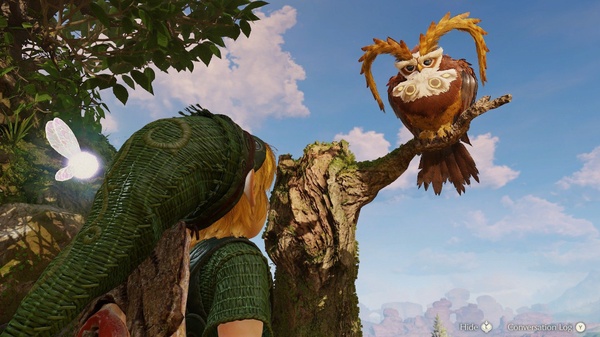
One of the aspects I was most interested in verifying in this new version was how Nintendo would approach exploration. Because, beyond the combat and dungeons, the charm of Ocarina of Time arises precisely from the curiosity to discover what lies behind a hill, inside a cave, or in an apparently insignificant corner of the map.
Hyrule is not just the setting for Link's story, but a world built to constantly stimulate the player. Even when we are not engaged in a specific mission, we often stumble upon a curious character, a passage that seems to hide something, or a detail that invites us to stop and observe more closely. It is this ability to raise questions that has allowed the original game to retain its charm for so many years.
The new version seeks to enhance this principle through renewed environments, greater freedom in camera management, and a more detailed presentation. The ability to freely observe what surrounds us makes exploration more natural, because we can dwell on details that we would have previously observed from a more limited perspective. This does not mean that every corner necessarily hides something new, but that the game world lends itself better to being observed and traversed at our own pace.
Added to this are new insights related to the world of Hyrule and its inhabitants. The greater quantity of dialogues and the new information we can gather during the journey contribute to giving more space to the narrative component, making some encounters more significant. It is an interesting intervention especially for those who already know the story, because it offers the opportunity to rediscover familiar characters in a more articulated version.
Naturally, one should not expect a completely reinvented world. The structure of the adventure remains that of Ocarina of Time, with its iconic locations, paths to traverse, and secrets that have contributed to its fame. The difference lies mainly in how these elements are presented and in the greater space given to observation.
Personally, I consider this approach preferable to a radical transformation of the map. The risk, by heavily intervening on such a recognizable world, would be to lose part of its original balance. Nintendo has instead chosen to maintain the structure we know, trying to make it more interesting through an updated presentation and new opportunities for in-depth exploration.
It is a choice that might not surprise those who hoped for an enormous quantity of new areas or a complete rewriting of the adventure, but it has its own precise logic. The value of this remake should not be measured only by counting the differences from the past, but by observing how much it manages to improve the experience without distorting it.
The Story of Ocarina of Time: Link, Zelda, Ganondorf, and the Triforce
If gameplay represents the part where the remake tries to update the experience the most, the story remains the emotional heart of the adventure. And it is precisely here that Ocarina of Time once again demonstrates how it managed to build a narrative capable of speaking to different generations, while maintaining a relatively simple structure.
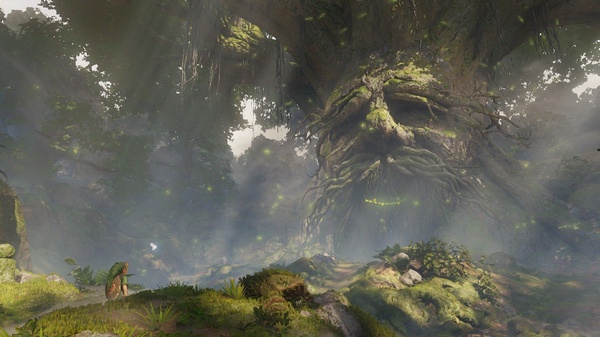
It all begins in the Kokiri Forest, where Link lives, a boy different from the other villagers because he doesn't have a fairy of his own. His life changes when Navi is tasked with finding him to lead him to the Great Deku Tree, the guardian of the forest. From that moment, Link discovers that he is involved in something much bigger than himself and has a fundamental role in the destiny of Hyrule.
The first task seems relatively circumscribed: help the Great Deku Tree and discover the reason for the curse that is consuming it. But it is only the beginning of a journey that will lead Link to meet Princess Zelda, to learn about Ganondorf's plans, and to confront a threat destined to completely change the kingdom.
At the center of the story is the Triforce, a legendary relic linked to the three principles of power, wisdom, and courage. The desire to possess it becomes the engine of events, setting in motion a series of consequences that go beyond the characters' initial intentions. Link will have to learn to understand his role, face the responsibilities entrusted to him, and find a way to prevent Hyrule from falling into the hands of those who want to dominate it.
The peculiarity of the narrative is the way it uses time to shape the protagonist's growth. Link not only undertakes a journey through different places but also traverses two moments of his life, moving from childhood to adulthood. This change is not merely an aesthetic variation: it modifies the way we observe the world and the meaning that some of the events encountered along the way take on.
The kingdom we initially know does not remain unchanged. The consequences of our actions, the passing of years, and the events related to Ganondorf's threat transform the context of the adventure, offering the player a different perspective on the same places. It is a narrative idea that, even today, retains a particular strength because it manages to make time something concrete, directly perceptible through exploration.
The story doesn't need continuous plot twists to work, but relies on the characters, the relationships Link builds during the journey, and the meaning of the choices that lead him to his destiny. It's a narrative that leaves room for discovery and doesn't try to explain every element through long dialogues, often preferring to rely on situations and environments.
Naturally, after almost twenty-eight years, some passages may appear simpler compared to the narrative standards of contemporary productions, but it would be reductive to judge the adventure solely through the number of dialogues or the complexity of the script. Its strength lies above all in its ability to intertwine narration with gameplay, making the player's actions give meaning to the journey.
Expanded Dialogues and Voiced Sequences
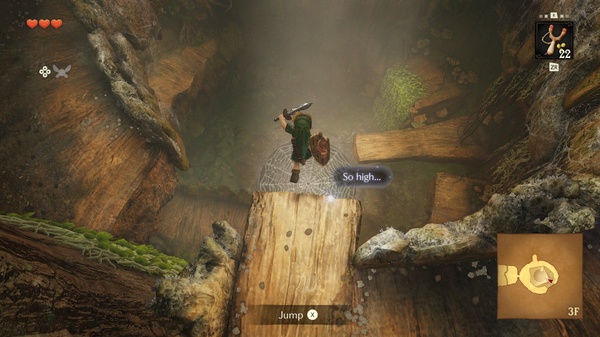
One of the most evident interventions in this new version concerns the presentation of the story. Nintendo has introduced voiced narrative sequences and expanded dialogues, giving more space to the characters Link encounters during his journey.
It's a choice that changes the rhythm of some moments, because characters can express themselves more articulately and scenes acquire a dimension closer to modern productions. The world of Hyrule thus seems to have more opportunities to tell its story, without necessarily entrusting every piece of information to short textual lines.
The presence of voices, moreover, changes the relationship with some characters. Expressions, pauses, and vocal interpretations contribute to giving more personality to encounters, especially when the story requires conveying an emotion or emphasizing the weight of a particular revelation.
It's a change that needs to be carefully evaluated, because voice acting can enrich a story but must also respect the tone of the original work. Ocarina of Time has always had a particular identity, built through a balance of solemn moments, lighthearted passages, and situations where silence left room for imagination. The goal, therefore, should not be to fill every moment with words, but to use voice when it truly serves to add something more to the scene.
Expanded dialogues can also make some secondary encounters more interesting, offering more information about the characters and the world around them. It's a way to enhance a universe that, despite already being rich in places and creatures, has always left room for the player's curiosity.
For those who know the original, these changes represent an opportunity to rediscover a familiar story with a different sensibility. For those approaching Ocarina of Time for the first time, they can help make the narrative more immediate and accessible.
The important thing is that Link's journey continues to be the center of the experience. The new sequences must accompany the adventure, not replace it. And, precisely because the original narrative structure is so closely linked to exploration and puzzles, the value of these additions is measured above all in their ability to make what already worked even more engaging.
Technical Sector on Switch 2: Graphics, Lighting, and Day-Night Cycle
If there's one aspect where Nintendo truly managed to impress me, it's the visual one. The work done on The Legend of Zelda: Ocarina of Time is of the highest level, capable of renewing a classic without compromising its identity. In this version for Nintendo Switch 2, the increased definition of the environments, the renewed models, and the attention to lighting contribute to delivering a modern image of an adventure that, after almost twenty-eight years, retains its charm intact.
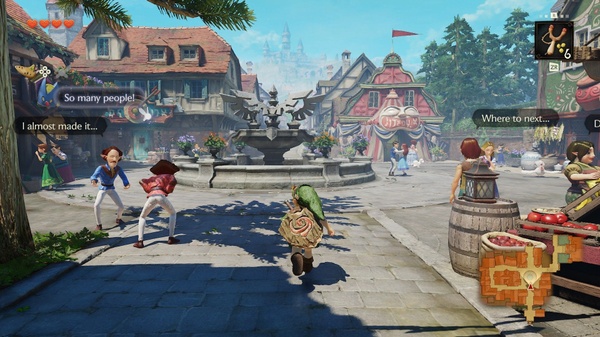
During my sessions, I often found myself stopping to observe the landscapes. Villages, castles, and the boundless Hyrule Field present a richer rendering, with defined surfaces and environmental details that make exploration even more enjoyable. The difference is not only about image sharpness but also about how elements integrate, enhancing places that have an immediately recognizable artistic identity.
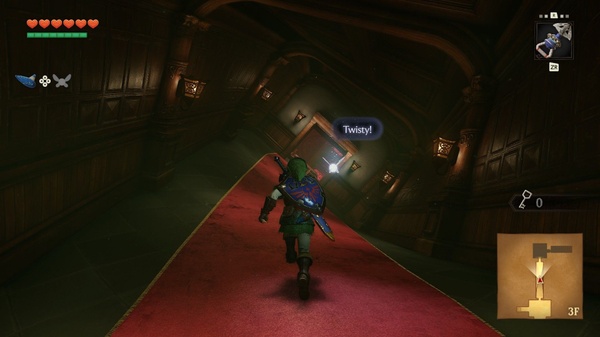
The lighting and the day-night cycle are among the elements that struck me the most. Sunlight enhances architecture and landscapes, while indoor environments and shaded areas acquire a more intimate and mysterious atmosphere. As hours pass, colors and scenarios change appearance, transforming even the most familiar places. Hyrule Field, in particular, gives a pleasant sense of freedom: traversing it, looking at the horizon, and enjoying the panorama is a pleasure that goes beyond simply reaching the next destination.
Even the villages, castles, and places linked to the most important moments of the story benefit from this revision. Each retains its character, while shapes, materials, and details contribute to strengthening its atmosphere. This is where the quality of Nintendo's work emerges: not just increasing the level of detail, but preserving the original style through a more current presentation.
A concrete change concerns camera management, now freer and more intuitive compared to the original experience. Being able to control the view with the right stick allows you to orient your gaze without exclusively depending on the game's predetermined camera angles. This helps during exploration, allows for better reading of spaces, and makes observing what surrounds you more natural. Personally, I often used this possibility even just to admire the environments from another perspective.
The updated controls also contribute to making the experience more modern. Greater freedom of movement, along with interventions like free jumping and sprinting, makes movement more immediate and changes the relationship with the character. These are changes that alleviate some rigidities of the original setup, while introducing simplifications that historical players might not always appreciate. It is not, therefore, just a matter of convenience, but a different way of approaching some game situations.
In terms of performance, fluidity and responsiveness to commands are fundamental aspects, especially during combat and in situations requiring precision. Beyond technical specifications, which should be evaluated through concrete measurements, it is important that the technological component accompanies the action without hindering exploration.
The result is a revision that, personally, I consider one of the strong points of this version. Nintendo has found a balance between modernization and respect for the original work: the new presentation enhances the environments, the camera offers greater freedom, and the controls make the adventure more accessible. Not all interventions will necessarily be appreciated by those attached to the original, but the heart of the experience remains recognizable.
This is the aspect that convinced me the most: it's not enough to make a game look better, you have to be able to revive the sensations that made it special. And every time I stopped to admire a panorama or traversed one of the most evocative environments, I rediscovered that wonder that I consider an integral part of the Zelda experience.
Nintendo did not limit itself to renewing the appearance of a classic, but sought to bring it closer to modern expectations by also intervening on the way it is played. The artistic direction continues to make a difference, while the changes to the camera and controls make the experience more immediate. For me, it is a successful transformation, capable of restoring splendor to a legend without forgetting what made it special from the beginning.
Music and Ocarina: When Melodies Become Gameplay
One of the elements that made The Legend of Zelda: Ocarina of Time unforgettable is undoubtedly its soundtrack. The tracks accompany the adventure, characterize places and characters, and contribute to creating moments that remain etched in memory. The new orchestral arrangement enhances these compositions, enriching their sound without losing the charm of the original arrangements.
But in Ocarina of Time, the connection with music goes far beyond atmosphere. Link's ocarina transforms what we hear into something to learn and use, making the sound component an active part of the gameplay. The melodies, in fact, allow you to interact with the game world, solve puzzles, and unlock new possibilities, becoming indispensable tools to progress in the adventure. It is precisely this integration that makes the mechanic so original: it is not enough to remember a composition, you also need to understand when and how to use it.
In this edition, the ability to use the Nintendo Switch 2 microphone to whistle or hum the learned tunes adds an additional layer of involvement. A curious solution that brings the player even closer to Link's instrument, without forcing them to abandon traditional controls. Personally, I find this addition interesting because it enhances one of the game's most distinctive features, without distorting its dynamics.
It is precisely here that Ocarina of Time still demonstrates its originality today, because music is not just a soundtrack to listen to, but a language through which the player learns to know and modify the world around them. A combination of atmosphere and gameplay that decisively contributes to the charm of this adventure.
Is it Worth Replaying? The Verdict on the Ocarina of Time Remake
After analyzing the most important new features, it's time to address the question that inevitably accompanies every remake of a classic: why return to play an adventure that many already know by heart?
The answer, at least in the case of Ocarina of Time, cannot be limited to nostalgia. Of course, rediscovering places, characters, and melodies that have accompanied our history as gamers is a special feeling, but it wouldn't be enough to justify a new purchase if everything else had remained unchanged.
The value of this version lies above all in the attempt to make access to a work that marked an era more natural. The updated control system, the free camera, the dedicated jump, and the sprint intervene on aspects that today we consider almost obvious, but which in the original responded to different needs and conventions.
These changes do not erase the past: they make it easier to face in the present. This is an important distinction, because a classic does not necessarily have to be transformed into a modern game in every aspect to still be valid. Rather, it must be able to express its qualities without the technical limitations of the era becoming an excessive obstacle.
Even the additions, such as the Monster Hall and the boss challenges, contribute to giving further value to the experience. They don't revolutionize progression, but they offer new ways to deepen the combat system and enhance the knowledge acquired during the journey.
For those who played the original, the remake therefore represents an opportunity to rediscover a familiar adventure through a different perspective. For those who don't know it, on the other hand, it can become the most immediate way to approach one of the fundamental chapters in Nintendo's history.
Naturally, an important question remains: how much is it necessary to change a work that still works today? There isn't a universally valid answer for all games, but in the case of Ocarina of Time, I believe that the path chosen by Nintendo has its own logic. The original structure still possesses considerable strength, and intervening on every element would have risked compromising the balance that made the adventure memorable.
The remake, instead, seems to focus above all on the aspects where the evolution of video game language can offer concrete benefits. The result is an experience that tries to preserve its character, without giving up the possibilities offered by the new platform.
Score
Editorial team
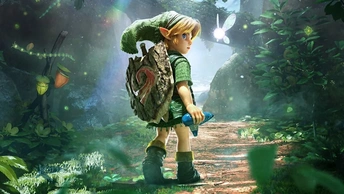
Zelda: Ocarina of Time Remake Switch 2 Review: Nintendo Preserves the Magic of a Classic Without Distorting It
The Legend of Zelda: Ocarina of Time is wonderful. Even after almost twenty-eight years, it still manages to surprise me, move me, and make me fall in love with an adventure that continues to transmit joy and happiness from beginning to end. This new version is a spectacle for the eyes, with an artistic and visual sector of the highest level, accompanied by gameplay improvements that make the experience more modern and accessible without distorting its identity.
Long-time players might find some changes overly simplistic, especially regarding movement and camera management. Conversely, those approaching the world of Link, Zelda, Ganondorf, and the Triforce for the first time will find an adventure capable of captivating them from the very first minutes, accompanying them to discover a simply extraordinary Hyrule.
It's a remake I recommend to everyone, without distinction between old and new generations. For those who already know the original, it's an opportunity to relive a legend in a new light; for those who have never played it, it's a chance to discover one of the most important chapters in video game history.
Similar articles