Frosthaven PC Review: Isaac Childres' Board Game Goes Digital Without Losing Its Strategic Soul.
Card-based combat, outposts to develop, and a monumental campaign: after Early Access, Gloomhaven's successor eliminates the box's slowness but retains tactical depth.


The original Frosthaven, the board game designed by Isaac Childres, inherits Gloomhaven's legacy and expands it through a monumental campaign, tactical card-based combat, vastly different characters, and especially an outpost to develop over the course of the adventure. The digital version starts exactly from this structure and seeks to achieve an apparently simple, but actually very complicated goal: to preserve the depth of the board game while eliminating much of the slowness associated with its physical management. The journey through Early Access was therefore particularly important, because Frosthaven is not a title that can be transported to the screen by merely reconstructing a few maps and animating miniatures. Behind every game lies an enormous quantity of rules and interactions to automate, and this very automation constitutes one of the greatest advantages over the box (and vice versa).
Gallery
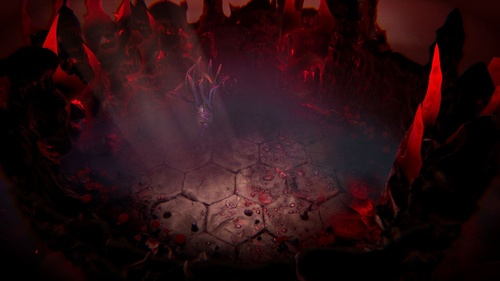
Board game vs. digital: what is gained and what is lost
The comparison between the two experiences becomes inevitable. On the table, Frosthaven retains a charm that is difficult to replicate: preparing the scenario, physically observing the campaign's growth, handling cards and components, and discussing strategy with other players contributes enormously to the atmosphere. However, it is also a demanding experience, requiring space, organization, and considerable preparation. Digitally, everything becomes decidedly faster. The game handles enemies, modifiers, effects, conditions, and much of the bookkeeping that would normally fall to the players. This doesn't mean Frosthaven becomes easy, because its strategic complexity remains practically intact: it simply reduces the time spent managing the system and increases the time dedicated to decisions.
The heart of combat continues to be card management. Each turn, two abilities are chosen, and their respective actions are combined, considering movement, attacks, initiative, enemy positions, and possible consequences. Cards, however, also represent our endurance within the scenario. Wasting the best possibilities too early can lead us into the final rooms without enough resources to continue. Frosthaven thus becomes a game of tactics and attrition where the most spectacular move does not necessarily coincide with the most intelligent one. Initiative also carries enormous weight: anticipating an opponent or letting them approach before intervening can completely change the outcome of a turn.
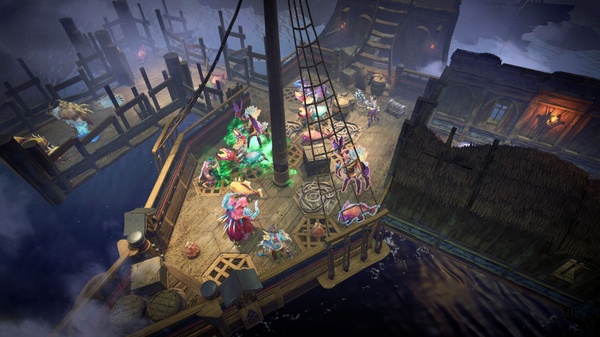
Outpost and progression: Frosthaven's management component
The management component makes the experience even more interesting. Returning to Frosthaven after an expedition means taking care of the outpost, resources, and its evolution, creating a sense of progression that goes beyond the individual character. The campaign thus acquires a broader dimension: we are not simply traversing a succession of dungeons, but contributing to the growth of a place that slowly changes along with our adventure.
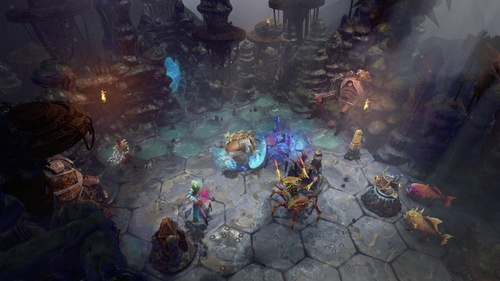
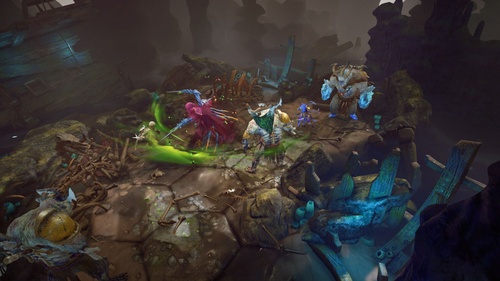
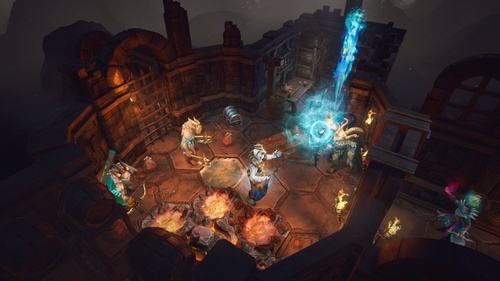
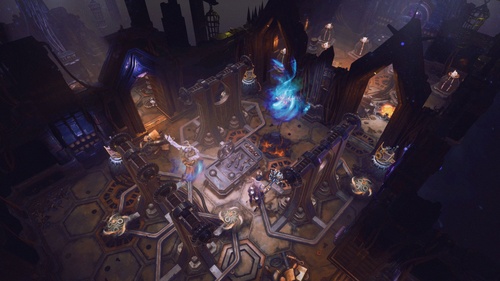
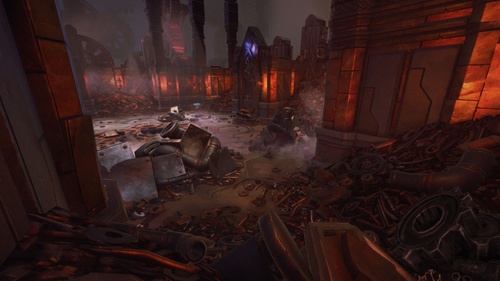
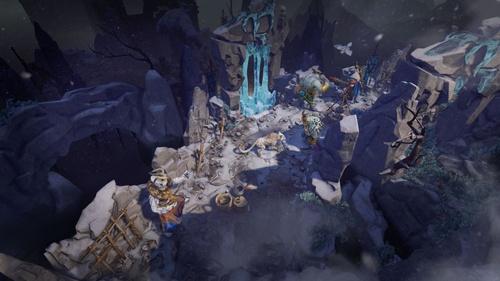
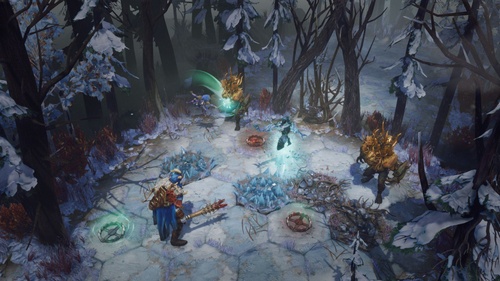
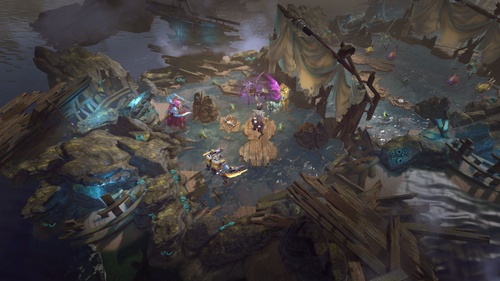
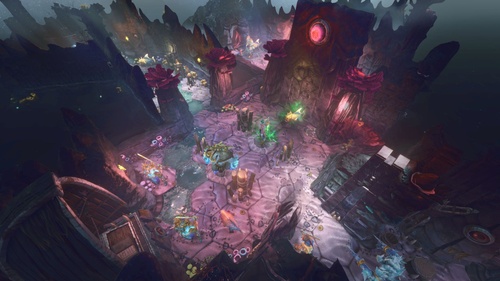
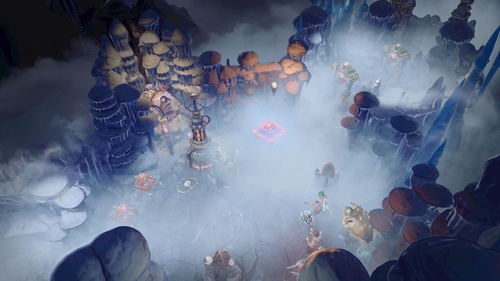
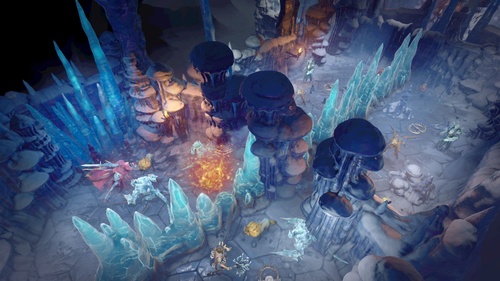
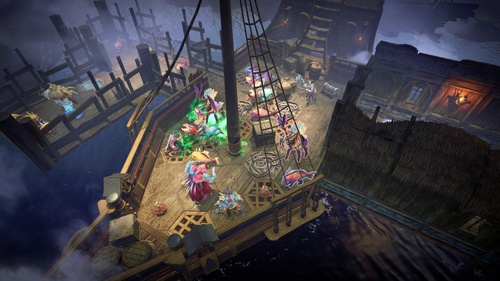
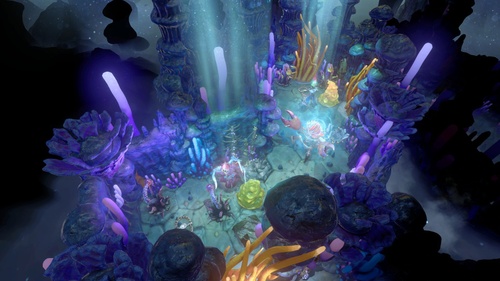
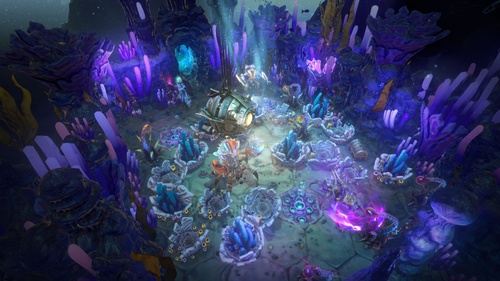
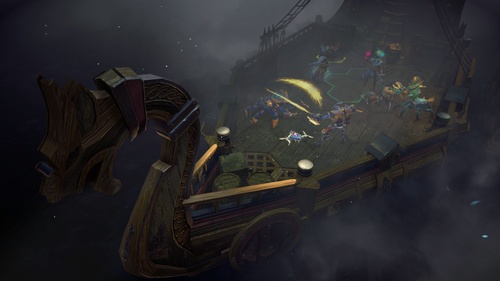
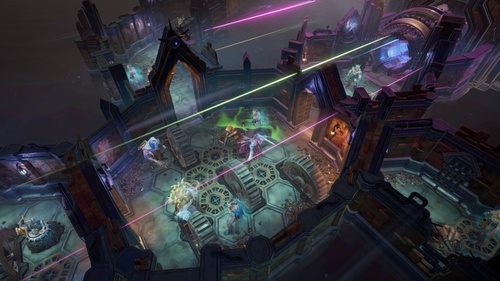
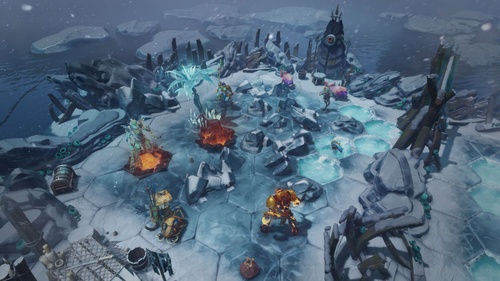
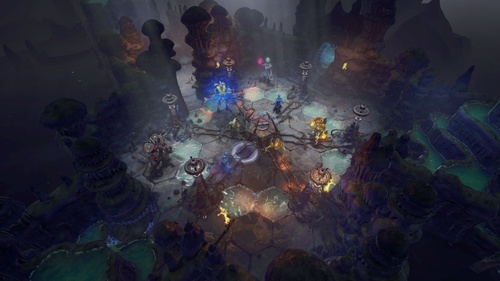
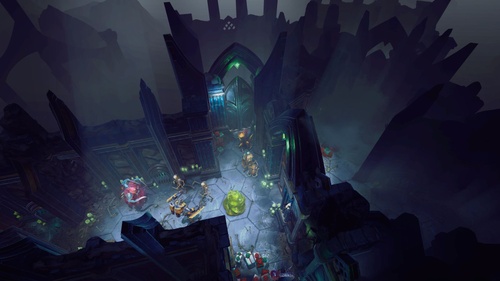
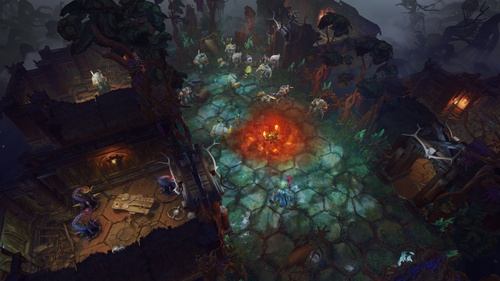
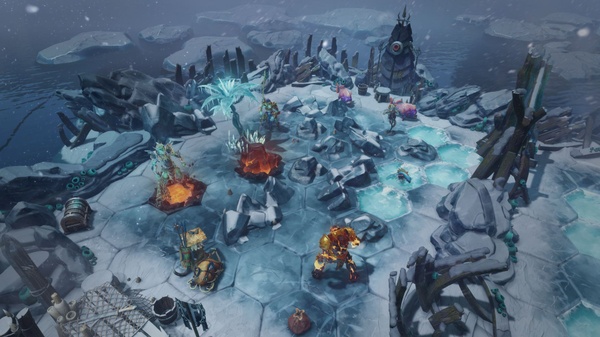
Graphically, the digital transposition intelligently chooses not to deny its origins. The maps retain strong board game readability, with the hexagonal structure always central, while characters, scenarios, lighting, effects, and animations transform what was originally a board into a much livelier battlefield. It doesn't aim for the exaggerated spectacle of a cinematic RPG: it prefers to make distances, areas of effect, and positioning immediately understandable. The result is impressive not only for its detail, but especially because the graphics become functional to strategy. It is probably speed, however, that represents the most important difference. An evening with tabletop Frosthaven inevitably includes preparation and manual management; on screen, you get into the action much more quickly. This greater fluidity also makes tackling such a vast campaign less burdensome and allows you to focus on the game's true strength: thinking.
Ultimately, it's a game that works, and quite well; the system remains intricate if I were to compare it to Gloomhaven, and I confess that compared to any other similar title, it's long to master but satisfying in its outcome, even if it's certainly not easy to digest.
Score
Editorial team
Frosthaven PC Review: Isaac Childres' Board Game Goes Digital Without Losing Its Strategic Soul.
Similar articles