Sandokan, or when RAI conquered the world
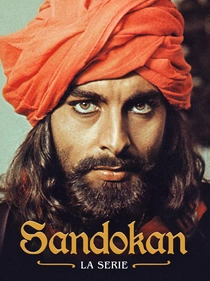
On the occasion of the new adaptation of Salgari's novels arriving on Rai1, we rediscover the historic 1970s series starring Kabir Bedi, available on RaiPlay.
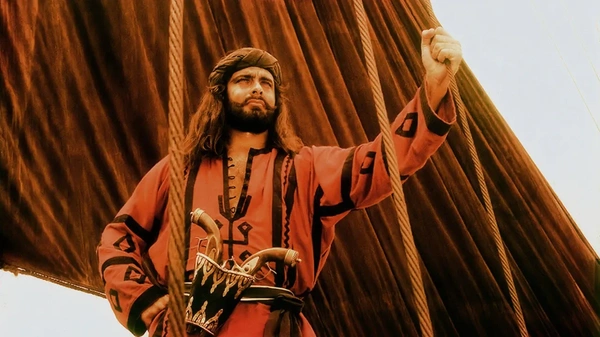


Just last night, the Rai1 audience witnessed for the first time the exploits of sex symbol Can Yaman in the role of the legendary Tiger of Malaysia. An operation that inevitably already has to contend with the imposing shadow of the 1976 miniseries, directed by Sergio Sollima and starring a then-unknown Indian actor named Kabir Bedi.
In this article, avoiding any comparisons that are somewhat beside the point, we discover what actually made that production so special that it remained deeply etched in the collective imagination of entire generations, not only in Italy but also in the other eighty-five countries worldwide where it was distributed.
Let's give a plot refresher for those who need to review the adaptation of Emilio Salgari's novels or for those new generations who, also thanks to the new version, might want to catch up on these six episodes that made Italian television history.
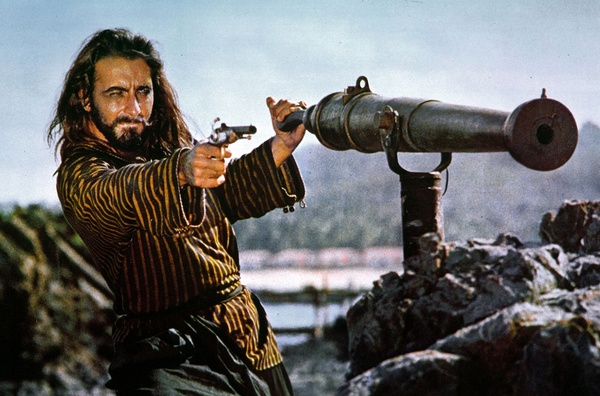
Sandokan: A Hero for All Seasons
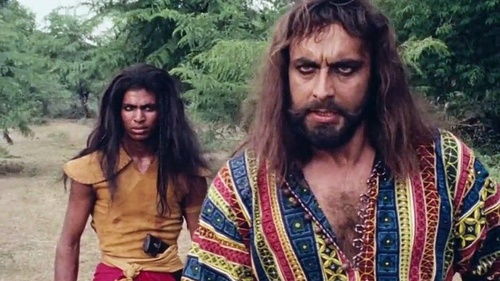
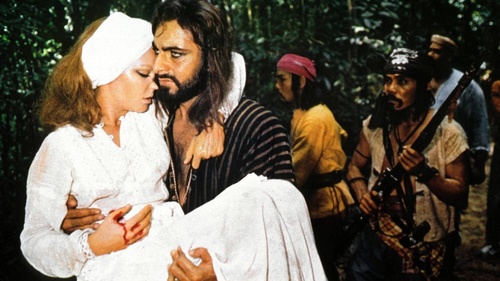
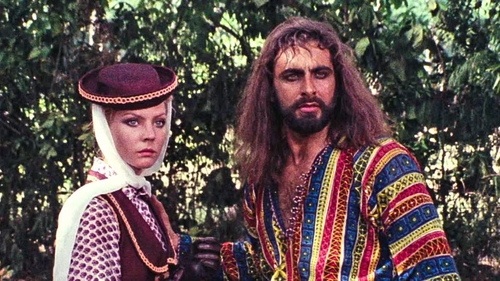
We meet the protagonist Sandokan as he takes refuge on the island of Mompracem, the kingdom of pirates whom he commands alongside his inseparable Portuguese friend Yanez de Gomera. The charming Malay prince lost his kingdom due to the British invasion and now dedicates his existence to fighting colonial forces, led by the ruthless James Brooke, the so-called White Rajah of Sarawak. Our hero's life takes an unexpected turn when, wounded during a naval battle, he is found on the shore and rescued by Lord Guillonk's family, meeting his niece, the young and beautiful Marianna, nicknamed "the Pearl of Labuan." A tormented love blossoms between the two, hindered by the complex geopolitical situation and the shadows of a war that threatens to forever disrupt those exotic lands.
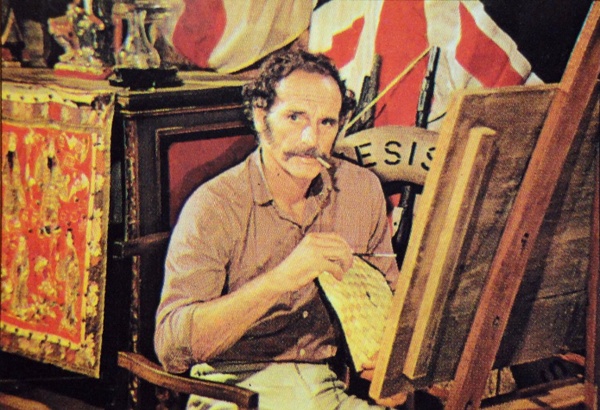
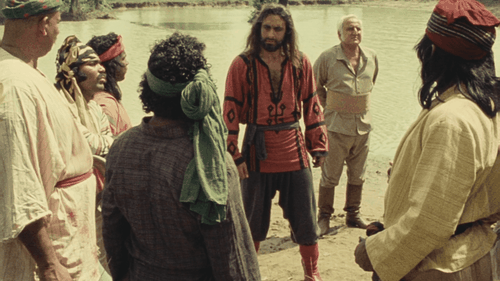
Filming Sandokan was a titanic challenge, due to the almost exclusive use of authentic locations, with indigenous actors and aiming for absolute realism: conditions far from common for the time, when costume epics rarely ventured beyond the confines of Roman sound stages, especially if intended for the small screen. The production required approximately four years of work, with filming taking place between Malaysia (particularly in the state of Terengganu and on Kapas Island), southern India (including the majestic Padmanabhapuram Palace), and Sri Lanka.
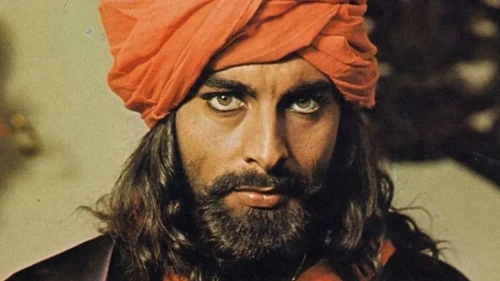
And to remain faithful to the story and setting, an actor was needed who best embodied the character's fiercely combative spirit, as well as his ethnicity. During a trip to Bombay, the producers came across Kabir Bedi, born in Lahore in 1946 and already active in Bollywood cinema, who had initially auditioned for another character but proved so convincing that he was offered the lead role. His stage presence, tall and physically imposing, proved crucial to the series' success, also due to the undeniable appeal he exerted on the female audience. He was the spearhead in a cast that included talented actors of the caliber of Philippe Leroy as the right-hand man Yanez, Adolfo Celi as the cunning nemesis Brooke, and Carole André as the very blonde romantic interest.
An Unparalleled Adventure
The six episodes, each lasting approximately one hour, are characterized by a deep political awareness, with the struggle between alleged European civilization and the people of "savages" who live in symbiosis with nature. The former intent on conquering lands for interests and money, the latter on protecting the places where they were born and where their ancestors lived since time immemorial. Sandokan is thus a story of rebellion against injustice, against that colonialism that consumes everything, and therefore the presence of Lady Marianna, a woman between two worlds who represents a symbol of potential reconciliation, is very significant.
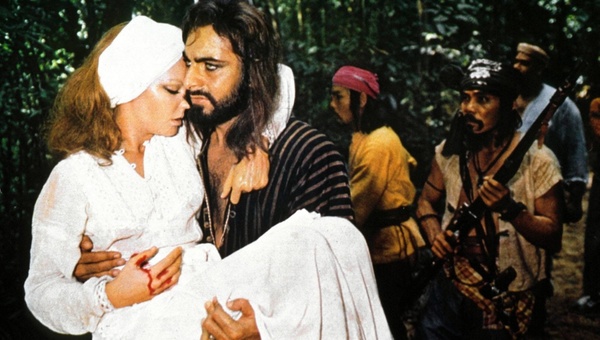
Above all, the moral ambiguity, with a marked scale of gray unusual for a product primarily aimed at a young audience, gives the miniseries a thematic stratification that elevates it above simple adventurous entertainment.
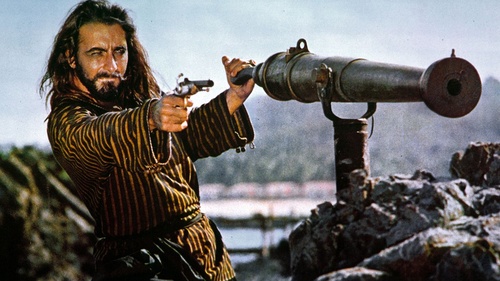
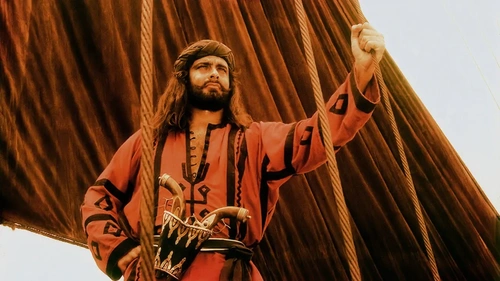
From a technical point of view, Sandokan can count on the magnificent cinematography by Marcello Masciocchi, who transforms rainforests, tropical beaches, and colonial palaces into authentic exotic postcards, creating splendid backdrops for the numerous key scenes that characterize the various episodes. Even after almost fifty years, some action sequences – the naval battles or the iconic clash with the tiger, among many – maintain an almost hypnotic aura and are still capable of thrilling.
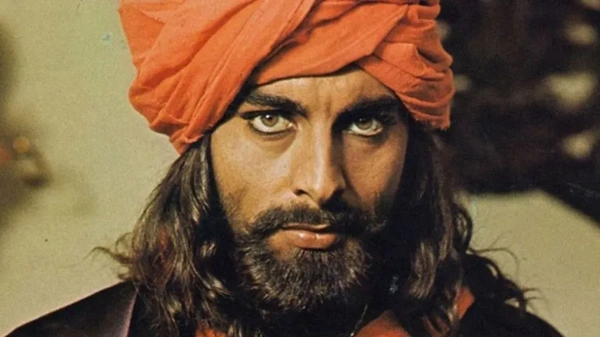
An epic soul further elevated by the catchy soundtrack, destined to eternally survive through quotes and tributes, which was composed and performed by Guido and Maurizio De Angelis under their most famous alias, the Oliver Onions. The main theme, with its unmistakable chorus "Sandokan, Sandokan" and its exotic flavor mixing sitar and 1970s rhythms, became a real earworm, further popularizing an adaptation of absolute greatness that still hasn't lost any of its luster; (re)watch it to believe.
Gallery
Similar articles