Furious, review: the summer's most uncomfortable series talks about anger and impunity
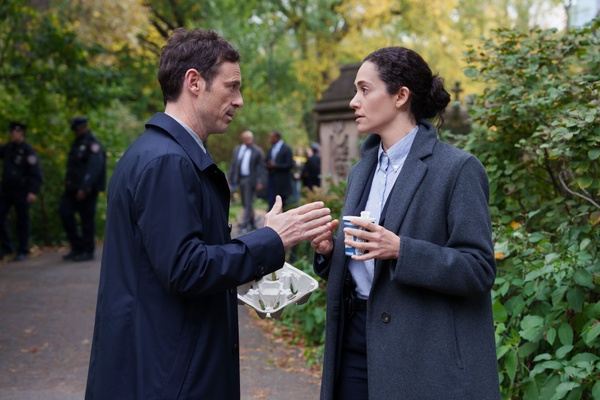
FBI agent Alice Black (Emmy Rossum) hunts a mysterious serial killer.
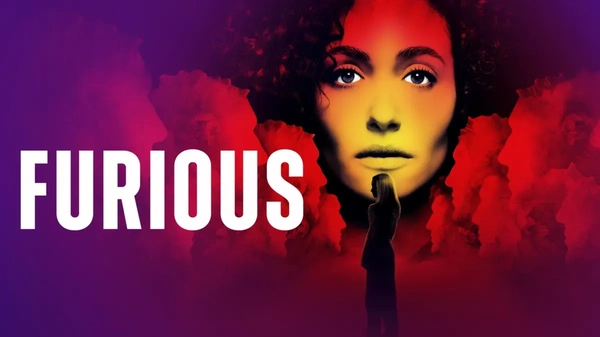


Furious starts from a premise that television series have exploited to the point of making it almost automatic: an investigator marked by her past pursues a killer capable of anticipating her every move. Elizabeth Meriwether, however, doesn't seem truly interested in the chase. The confrontation between Alice Black and Catherine becomes instead the tool through which to interrogate a society ready to condemn violence only when it is exercised by the wrong people.
A crime thriller that questions justice
Loosely inspired by the 1987 film Black Widow, the series quickly deviates from the original story. Catherine does not kill for money, nor does she choose her victims randomly. Behind the succession of murders emerges a system in which wealth and influence allow abuses to be concealed that institutions prefer to ignore. The central question, therefore, does not concern the identity of the killer, shown from the beginning, but the moral legitimacy of justice obtained outside the law.
It is on this contradiction that Furious builds its identity. Catherine commits brutal acts, but the series avoids placing her in an easily decipherable position. She is not an anti-heroine designed to win over the audience, nor a monster to be observed from a reassuring distance. Her motivations make the anger understandable, without erasing individual responsibility.
This is a delicate balance, which the writing doesn't always manage to maintain. At times, the woman's traumatic past takes on an excessive explanatory weight, as if every one of her actions must necessarily originate from a previous wound. The risk is to reduce a disturbing figure to a narrative demonstration: the victim who, having not obtained justice, ends up transforming into an executioner.
Gallery

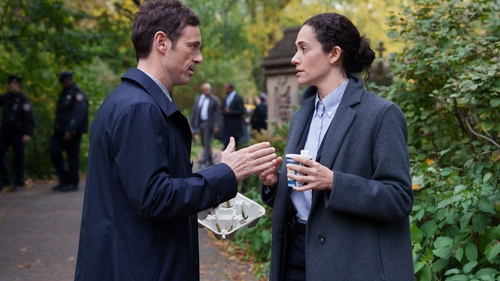
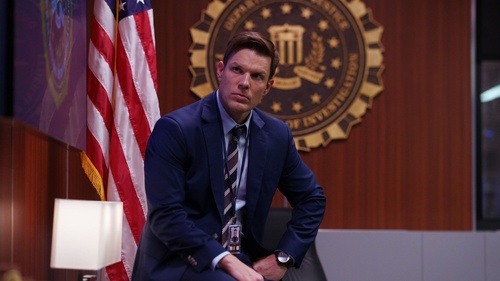
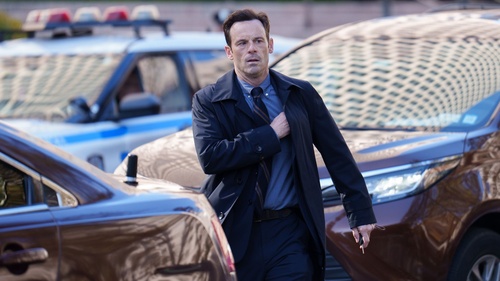
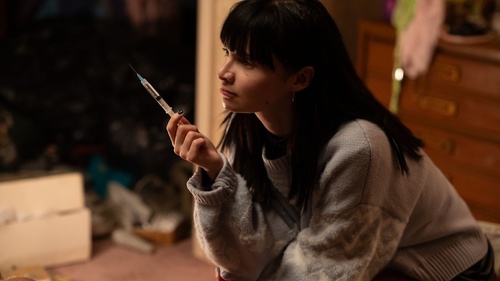
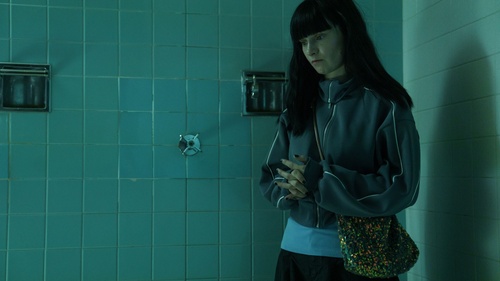
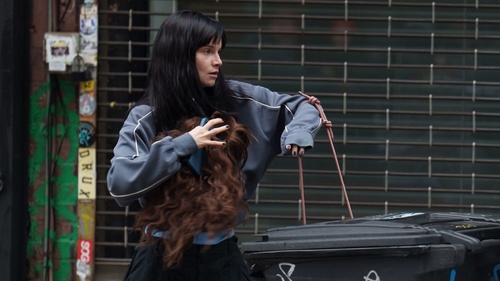
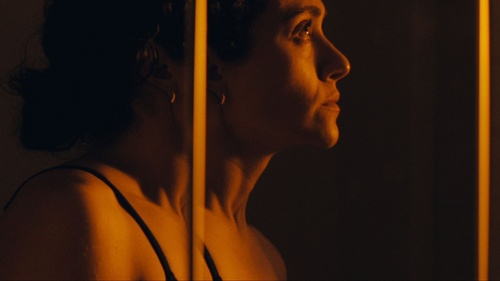
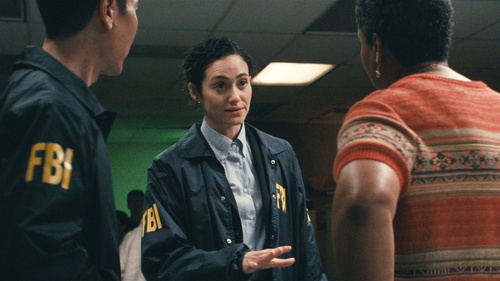
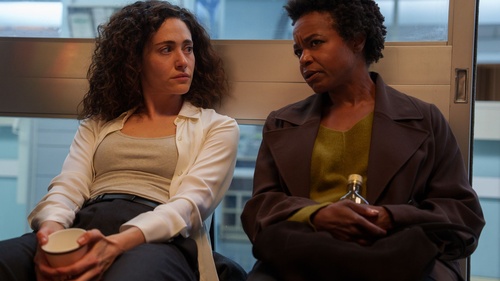
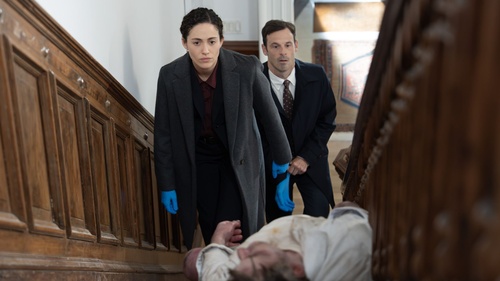
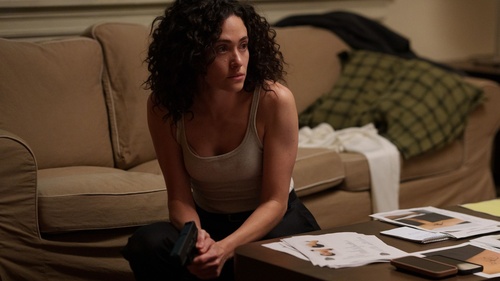
Catherine, a killer difficult to decipher in Furious
Lola Petticrew prevents Catherine from remaining confined within this formula. Her performance retains something indecipherable even when the series clarifies the reasons for the crimes. The character's ability to assume different identities is not treated merely as a thriller device. It becomes a sign of a personality that has learned to survive by adapting to the expectations of others, to the point of no longer knowing where the fiction ends.
Catherine knows how to appear fragile when the situation requires it, but behind that mask, an unpredictable tension is always felt. Petticrew does not try to make the character reassuring, nor does she transform trauma into an easy moral absolution. Even when the series insists on the woman's suffering, the performance maintains a distance that prevents forgetting the ferocity of her actions.
The character works best when Furious refrains from explaining her completely. Every attempt to trace Catherine back to a precise cause weakens her mystery. The unresolved contradictions, on the contrary, strengthen the impression of being in front of someone who cannot be contained in a single definition.
Emmy Rossum and Alice's restrained anger
On the opposite side is Alice, an FBI agent from the New York police. Her career was compromised after the end of her relationship with Marshall, a violent colleague who continues to be protected by their shared professional environment. Alice recognizes in Catherine an anger that belongs to her, but reacts to this awareness by trying to transform it into an investigative method.
The closer she gets to the killer, the more evident it becomes how fragile the line is between understanding a crime and being tempted by its justification. The search for Catherine gradually takes on a personal dimension, to the point of eroding Alice's conviction that the law can still offer a credible answer.
Emmy Rossum conveys this tension without turning Alice into an exemplary victim. The character is abrasive and often lies to get what she needs. She doesn't try to be likable, while trauma continues to affect her private life and her relationship with her own body.
Rossum primarily works on Alice's difficulty in maintaining control. Even when she appears still, the effort required to prevent anger from surfacing is palpable. It's an intense performance, capable of supporting the oscillations of writing that, at times, insists too much on wanting to explain every behavior.
Furious's secondary characters add depth to the series
The mirrored relationship between Alice and Catherine is the engine of the series, but it is not always its most interesting aspect. Furious finds a personal voice when it moves away from the protagonists and observes those who have remained on the margins of institutions.
Nora Washington, played by Quincy Tyler Bernstine, has worked on sexual crimes for years and has now given up on any reassuring idea of justice. Her cynicism here is a form of defense developed after continuous exposure to violence.
Bernstine dominates many of the scenes in which she appears. Her Nora can be unpleasant without losing humanity and introduces a humor that stems from weariness, not from a desire to artificially soften the subject matter. It is through her that the series expresses its pessimism most clearly. Institutions fail not only because they are unable to protect victims, but also because they often consciously choose which truths deserve to be recognized.
Scoot McNairy, on the other hand, offers a more discreet presence as Danny. His connection with Alice avoids turning him into the understanding savior called upon to mend wounds. Danny has no definitive answers, and his support meets precise limits. It is precisely this powerlessness that makes the tenderness that runs through their relationship credible.
More problematic is the construction of Marshall, played by Jake Lacy. The attempt to portray a man incapable of truly understanding the extent of his own violence is interesting, but the character remains tied to an all too obvious narrative function.
Effective direction, but...
The direction of the first episodes does not possess the same complexity as the writing. The muted lighting and oppressive environments immediately place Furious within the imagery of contemporary crime, without managing to define a truly recognizable visual form.
Even more controversial is the way some acts of violence are presented. The series wants to question the gaze through which the genre has transformed female pain into spectacle, but initially risks reproducing that very mechanism. Brutality is not always observed with the necessary distance, and some sequences seem to rely on shock even before meaning.
As the episodes progress, this inclination lessens. The second half shifts the focus from the mechanics of the murders to the responsibilities of those who allowed them to happen. The narrative thus gains greater coherence, while even the humorous deviations find a less jarring placement.
Some overly convenient coincidences and a tendency towards melodrama that weighs down the most delicate passages remain.
Furious offers no reassuring answers
These are significant flaws, but they do not negate the overall strength of the work. Furious works because it does not seek a morally pacifying conclusion. The law does not automatically coincide with justice, but revenge does not therefore become a consequence-free answer.
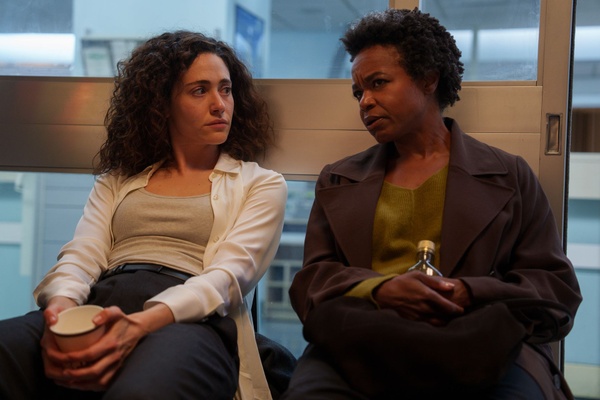
Alice and Catherine occupy different positions within the same system. Both are forced to contend with institutions that recognize pain only when it can be organized within an acceptable narrative. Their closeness does not erase the differences, but makes it increasingly difficult to establish where the victim ends and the culprit begins.
Meriwether's series does not reinvent the investigative thriller on a formal level. It uses it, however, to challenge some of its most persistent reassurances, starting with the clear distinction between who saves and who needs to be saved.
When it abandons the more overt provocation, Furious becomes a drama capable of observing female anger without taming it. It doesn't always find the most suitable language to do so, but it has the courage not to reduce it to a simple emancipatory pose.
Furious will be available from July 27, 2026 on Disney+.
Score
Editorial team
Furious, review: the summer's most uncomfortable series talks about anger and impunity
Furious uses a familiar crime framework to interrogate the relationship between trauma and justice. The series doesn't avoid some contrivances, especially when it tries to explain every behavior through the protagonists' past, while the direction struggles to build an equally strong visual identity.
However, it is supported by the performances of Emmy Rossum and Lola Petticrew, alongside a remarkable Quincy Tyler Bernstine. When it reduces the insistence on shock and allows the story's moral contradictions to emerge, Elizabeth Meriwether's thriller finds its own voice.
It offers no simple answers and does not transform female anger into a comforting formula. It is precisely this ambiguity, sometimes uncomfortable, that makes it more interesting than the numerous crime dramas it initially seems to resemble.
Similar articles