Gomorrah - The Origins: Marco D'Amore explains how and where he found the right idea to tell the beginnings of Pietro, Imma and the others
The new Sky prequel, set in Naples in 1977, tells the birth of Pietro Savastano and a criminal world still in formation: Marco D'Amore and the creative team explain the choice to "swerve" from the original series.
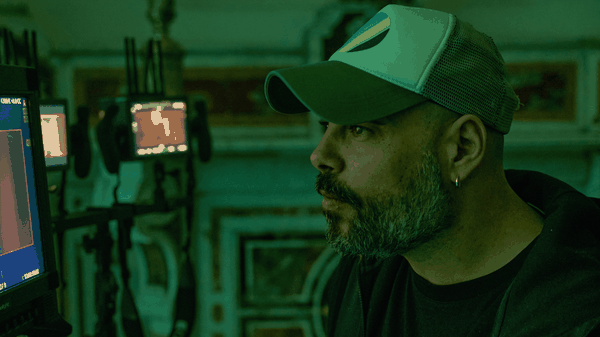


"At first I said no": Marco D'Amore doesn't hide that the idea of returning to Gomorrah put him in front of a deep doubt. After ten years spent within one of the most important projects in Italian serial television for its numbers and international relevance, agreeing to tell its origins meant confronting a very heavy legacy. Gomorrah - The Origins was born precisely from this conflict: from the fear of treading a path already taken and the need, instead, to change direction.
Set in Naples in 1977, the new Sky series tells the criminal education of young Pietro Savastano in an era when everything is still possible for him and for the city's destiny. The Origins explores a world far removed from that of the mother series, where power is not yet a system but a desire, and above all, the dream of a better life drives choices destined to leave irreversible marks.
Gallery
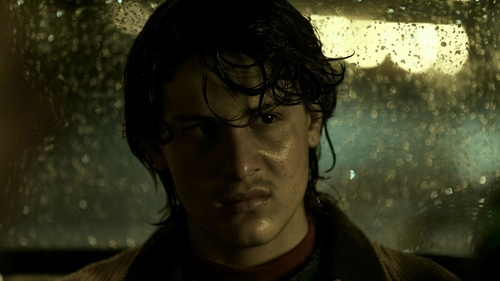
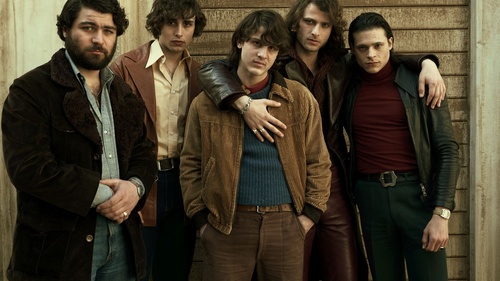
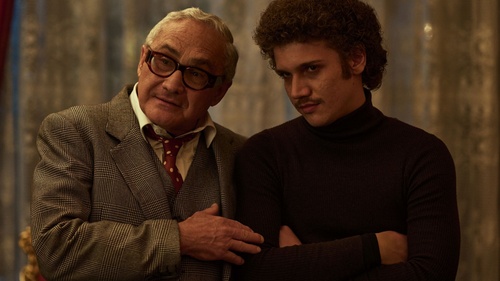
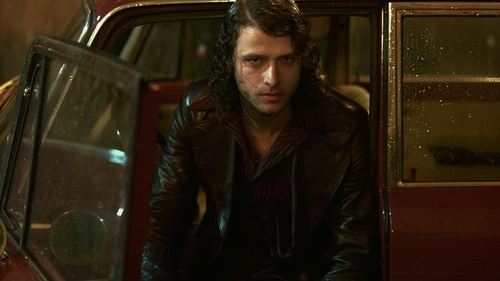
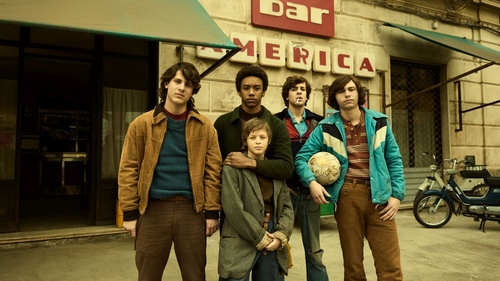
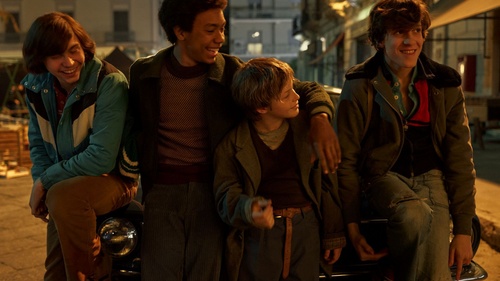
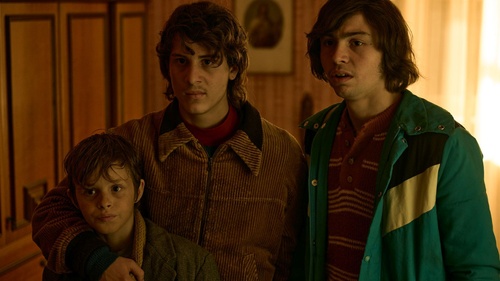
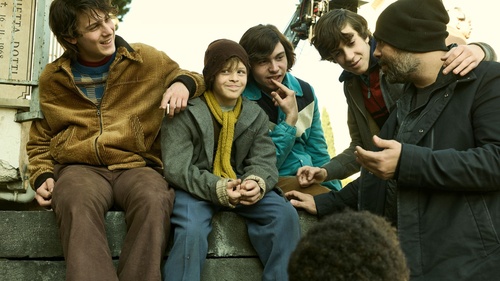
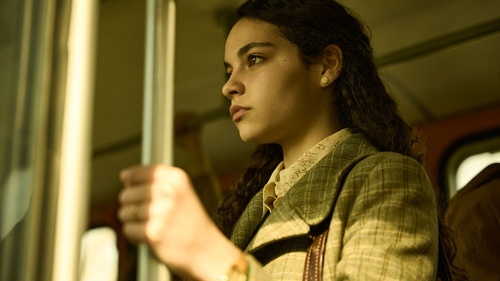
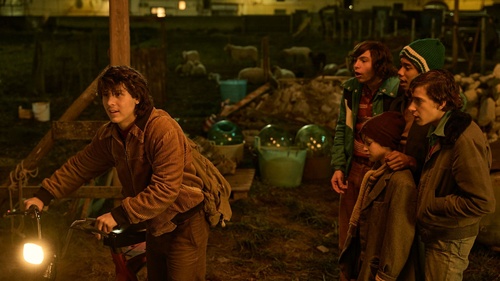
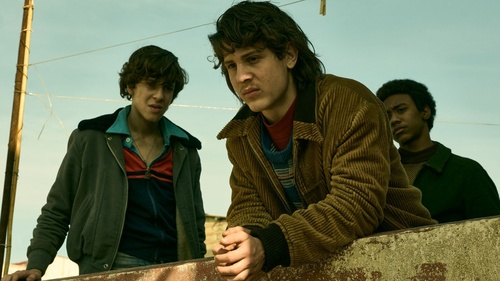
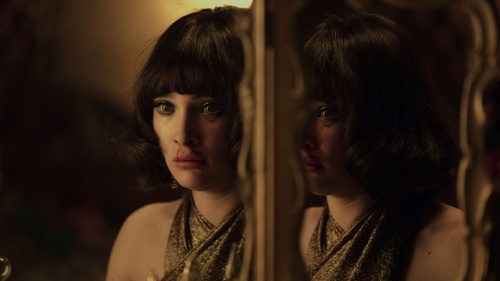
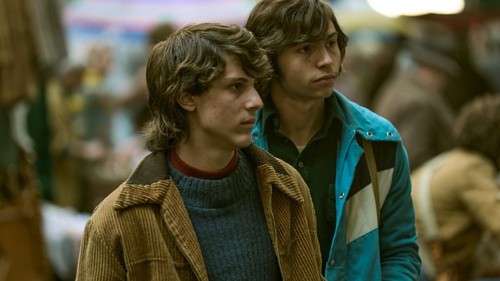
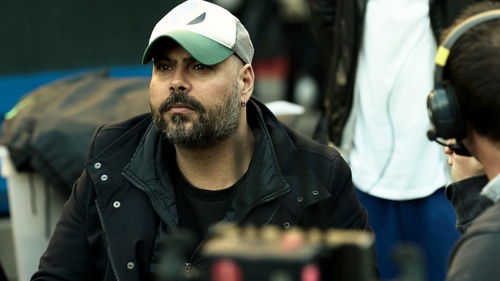
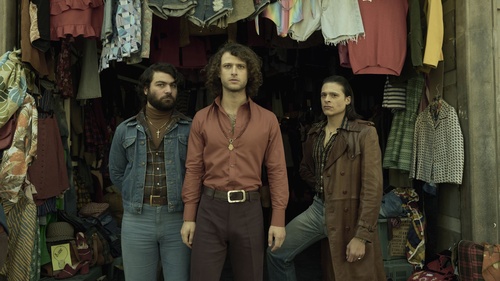
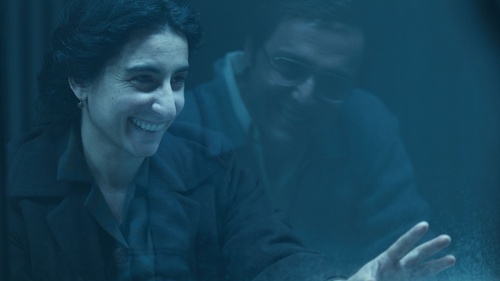
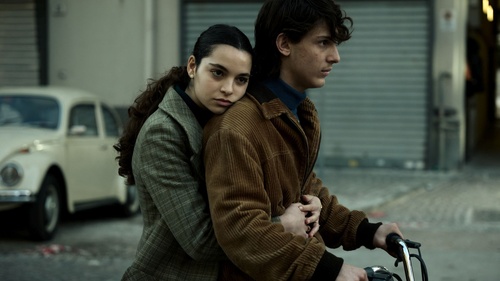
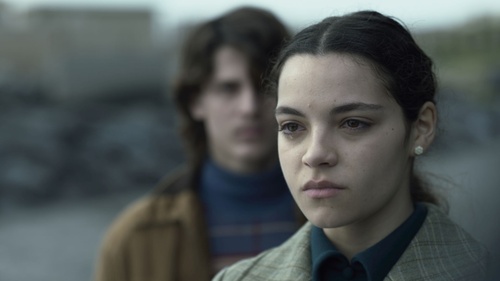
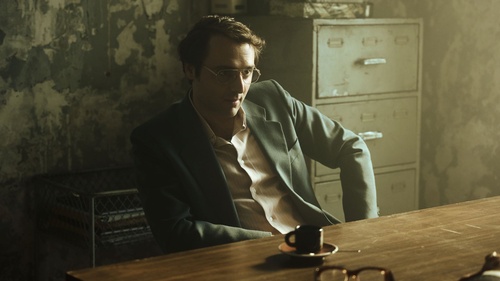
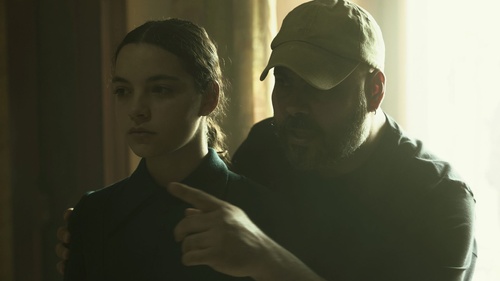
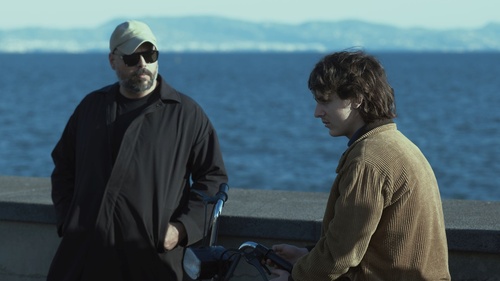
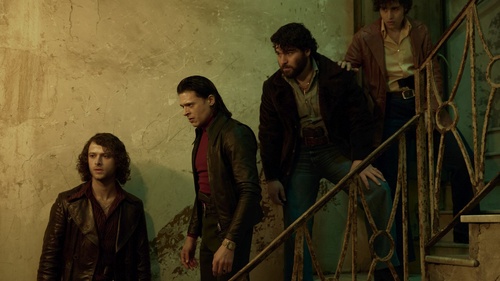
In this new chapter of the Gomorrah universe, D'Amore (showrunner, director, and co-screenwriter of the original) signs a story that refuses to repeat a proven formula and takes the risk of an innovative narrative: more intimate, emotional, exposed. A gamble that also involves a cast of young faces, because for its creator, Gomorrah has always been "proof that Naples is an inexhaustible source of talent," a natural nursery from which to continue drawing to tell new generations.
Among the most complex challenges faced by the team was also that of language and the recreation of a credible and recognizable 1970s Naples. A philological reconstruction that concerns not only the dialect but the very way of inhabiting the world. "We did very precise work on the Neapolitan of '77, which is completely different from today's," explained D'Amore, emphasizing how language is an integral part of the reality being told. This attention was also confirmed by the authors, who say they spoke with those who truly lived in that Naples: "We collected memories, stories, idioms, and when the people who were there then tell us 'that tone is right,' for us it's the most important confirmation."
Gomorrah - The Origins told by Marco D'Amore's team
- Marco D'Amore – Showrunner, director, and co-screenwriter of the series
- Leonardo Fasoli – Creator and co-screenwriter of the series
- Maddalena Ravagli – Creator and co-screenwriter of the series
- Francesco Ghiaccio – Director of two episodes and co-screenwriter
- Nils Hartmann – Executive Vice President Sky Studios Italia
- Riccardo Tozzi – Founder and producer of Cattleya
- Flavio Furno – interpreter of O' Paesano
- Francesco Pellegrino – interpreter of Angelo, known as “La Sirena”
- Fabiola Balestriere – interpreter of Annalisa Magliocca (future Chanel)
- Tullia Venezia – interpreter of Imma (future Donna Imma)
You and the other creators of the series have an almost visceral relationship with Gomorrah, which you've been working on for years. What made you say yes to this project dedicated to the origins of the story already told?
Marco D'Amore – At first I said no, because I harbor a feeling of profound gratitude and devoted love for this project and for the women and men who animated, supported, conceived, and realized it. Taking stock of the last ten years of my life, between directing, acting, and the opportunity I was given to debut as a director with a project like L'Immortale, I felt I might not have the capacity to give anything more, perhaps also harboring a prejudice regarding the fear I felt of treading a path we might have already walked.
I was disproven first and foremost by Sky and Cattleya's ability and willingness not to be afraid to swerve. By the talent of Maddalena and Leonardo, for whom, even from the very beginning of the writing, a completely different breath, scent, and intention could be sensed. Since I am a music lover, De Gregori came to mind, when he wrote "between the buffalo and the locomotive the difference will be in the eyes": the locomotive has a marked path, the buffalo can dart sideways and fall.
I felt that all together we wanted to take on the responsibility of swerving and falling, because it was necessary to go somewhere else, take responsibility, and risk falling.
Nils, I imagine it was a great responsibility to create something new starting from Gomorrah.
Nils Hartmann – The question we at Sky, and also in the international environment, heard most often was "when will you do Gomorrah again?". When a series has the success that the five seasons of Gomorrah had, it's inevitable. From a marketing and industrial point of view, it would be very easy to stretch the broth and do something with the same flavors and sounds.
Here, however, we really swerved. We took a completely different path, and we chose this path when Maddalena, Leonardo, Riccardo, and I met and found an idea that convinced everyone. We all felt this responsibility. Gomorrah continues to be Sky's most-watched series for the same number of seasons: there's no Game of Thrones, no HBO series that can compare, in terms of results.
A statistic that is rarely discussed is the accomplishment rate: how many people start a series and finish it. In Gomorrah, the curve rises from the first to the last episode, which is extremely rare. Today we have returned to our DNA: launching young talents. And this makes me particularly proud.
Riccardo, after Marco's initial no, what did you do?
Riccardo Tozzi – Indeed, we dragged him by the scruff of his neck. But it had to be someone who was organic to the spirit of Gomorrah, who knew the whole story. Even if this season is a prequel, therefore completely detached, there are a series of very strong emotional connections.
From the first idea, we understood that there was something right. And when an idea is right, the rest follows: the story, the cast, the settings, the set design. It's a completely different story, with a different color and warmth. It belongs to the Gomorrah universe but has its own precise identity.
It's a project of great courage. Reworking Gomorrah and rewriting it, rethinking it, was risky. But this act of courage can reward both those who loved the original series and a new audience.
We also decided to change the promotional language, to speak to a wider audience, to present Gomorrah - The Origins as a possible entry point even for those who don't know the mother series.
Maddalena and Leonardo, how stimulating and how difficult was it to work on characters we've known for years, but at a time when everything was still possible?
Maddalena Ravagli – They are real people, real cases, characters who over time have become something else in the public's imagination. Imagining them at a time when everything was still open was complex but also liberating.
Leonardo Fasoli – We did a lot of research, especially through interviews with people who had lived in those years. The ways of speaking, living, daily behaviors. It was a work of collective memory.
Francesco, you've known Marco for a long time and here you direct two episodes: what was it like to join this project?
Francesco Ghiaccio – I've known Marco since our academy days, when we were little more than twenty. This is the first time I've directed something I didn't write, and at first it was complicated. But Marco welcomed me into his home. When my time came, that house was already built. I just had to guard it.
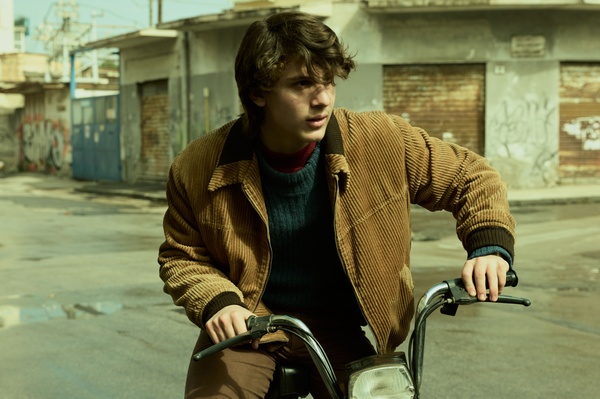
Marco, would you like to introduce your young actors?
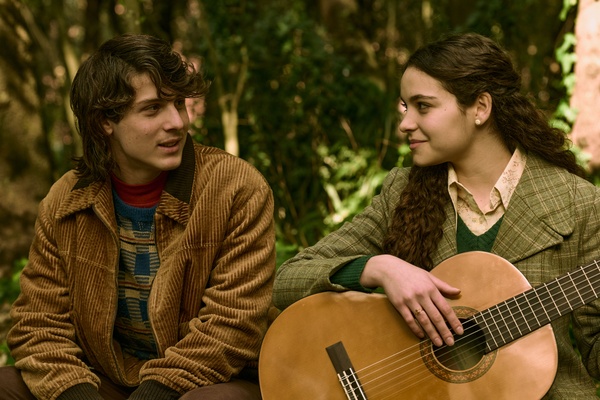
Marco D'Amore – They are proof that Naples is an inexhaustible source of talent. Flavio Furno has the humility of great actors. Francesco Pellegrino is fragile, delicate, not afraid to show his brokenness. Fabiola Balestriere has the Naples of a hundred years ago in her eyes. Tullia Venezia is in her first experience and has a very rare grace.
Tullia, Imma immediately appears different: what journey does your character make?
Tullia Venezia – Imma comes from a different, more affluent background, but she faces choices that will determine her future. Episode after episode she changes, grows, allows herself to be touched by challenges.
With the current controversies about apology and the proposed amendment to the Penal Code, would you have done the same project?
Marco D'Amore – Politicians have little familiarity with the symbolic. Narrative does not serve to edify but to bring to light what lies beneath. If you don't allow the negative to emerge, it becomes truly dangerous.
Italy is known worldwide for neorealism, not for those who opposed it. Telling evil is a cultural act that helps to focus on it: to silence it is far worse.
There was also a lot of work on the language: how did you reconstruct the Neapolitan of the 1970s?
Marco D'Amore – It's a completely different Neapolitan from the contemporary one. We worked on sayings, sounds, inflections inherited from our fathers and grandfathers. Language is reality, and we were telling a different one from the series you've already seen, so the language also had to reflect this change.
Leonardo Fasoli – The telling of reality necessarily passes through language. Without it, you cannot tell a world.
You've already hinted that, given its success, you won't stop here. Where are you with seasons 2 and 3?
Nils Hartmann – They are writing. We have the concept. It's a challenge to grow while maintaining the same level.
Similar articles