Coyote vs. Acme: The Film Saved and the Comeback of the Eternal Underdog
Coyote vs. Acme risked remaining unseen. Its rescue brings Wile E. Coyote back to cinemas and raises a question: who decides which films we get to see?
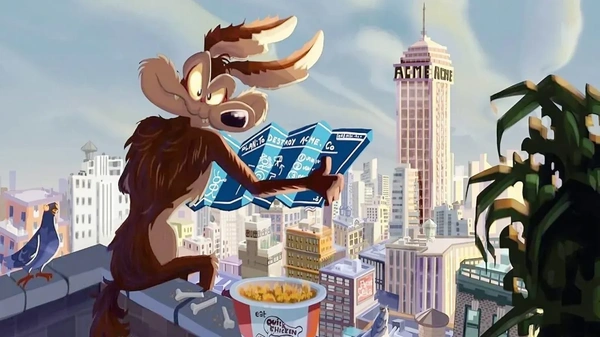


An already completed film, destined to remain without an audience. The story of Coyote vs. Acme highlights a contradiction in the film industry: whoever owns a work may find it more convenient to prevent its circulation. What makes the case particularly significant is the protagonist, Wile E. Coyote, who in the Looney Tunes shorts continues to contend with a world hostile to his ambitions.

The Story of Coyote vs Acme: Denied Distribution and the Public's Role
In November 2023, Warner Bros. Discovery decided to shelve Dave Green's already completed film. According to Deadline, the operation was linked to a write-down for tax purposes. After protests, the studio allowed them to seek other distributors. In March 2025, Ketchup Entertainment acquired worldwide rights. Its release in US cinemas on August 28, 2026, put an end to that long suspension.
The cultural problem lies precisely in this exclusion. A film withdrawn from distribution loses the opportunity to build a relationship with viewers, even to face the confrontation that could lead to its failure. Defending its release means asserting the right to judge it, without having to prematurely proclaim it a masterpiece. The case shows how much a work's fate can depend on economic evaluations made even before it reaches the audience.

Wile E. Coyote, the Character Who Makes Us Recognize Ourselves in Defeat
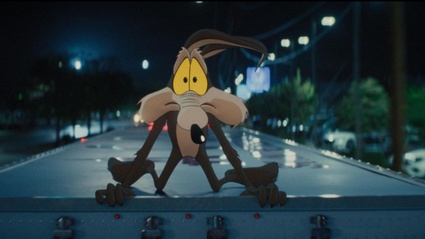
Created by Chuck Jones and Michael Maltese, Wile E. Coyote debuted on screen in 1949. He chases Road Runner to eat him, relying on elaborate traps and Acme products. The comedic mechanism constantly reverses his expectations: ingenuity ends up backfiring on its practitioner. Yet it is precisely the predator who becomes the emotional center of the gags.
When he remains suspended over the edge of a cliff, the fall seems to wait for him to become aware of the void. That brief interval transforms a physical accident into a recognizable experience. In his gaze directed at the viewer, we read the embarrassment of someone who has invested everything in a wrong idea. The comedy also arises from this proximity: we know he will lose, but the way he discovers he has lost continues to engage us.
His obstinacy, however, remains ambiguous. Starting over after every disaster can inspire admiration, but repeating the same mistake also reveals an inability to change. It is this tension that makes him more than just a loser to pity.
The premise of Coyote vs. Acme, inspired by a satirical text by Ian Frazier from 1990, intervenes precisely on that balance: the coyote sues the company that produces the faulty gadgets. Misadventures become a matter of responsibility. Accustomed to suffering the consequences of his purchases, the character now demands that someone answer for them. The target of the comedy thus also shifts towards the producer, questioning the idea that every failure depends only on the inadequacy of the individual.
The distribution story adds an unintentional meaning to this premise. The film also had to find its place despite a corporate decision that had compromised its future. Its rescue returns to viewers a character who continues to give a comedic form to the distance between what we desire and what we manage to achieve.

Coyote vs. Acme Convinces Critics and Audiences
Once it arrived in theaters, Coyote vs. Acme received a very favorable reception. On Rotten Tomatoes, it garnered 96% positive reviews from critics and 95% favorable ratings from verified viewers. The North American debut brought in $15.9 million in its opening weekend, but it is still too early to determine if its theatrical run will translate into economic success. The initial consensus, however, adds a significant element to the story: after being long subject to corporate evaluations, the film finally met an audience capable of appreciating it.
Similar articles