Is Xbox Game Pass Making Gamers Lazy?
From commitment to disposability: we analyze how Game Pass's subscription model can encourage passive installation and failure to complete titles.


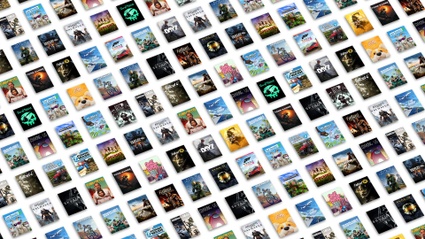
When Xbox Game Pass was first launched, it was hailed as the “Netflix of video games.” Thousands of players jumped at the opportunity to access hundreds of titles for a fixed monthly fee. Why buy individual games when you can have an entire library at your fingertips? Today, Game Pass is a fundamental part of the Xbox ecosystem. But here’s the uncomfortable question: Is Xbox Game Pass really making gamers… lazy?
Let’s break it down.
Too Much Choice, Too Little Commitment
At first glance, Game Pass seems like every gamer’s dream. Blockbuster hits, indie games, day-one releases—what’s not to love? But, ironically, that endless library might be causing players to play less, rather than more.
With Game Pass, it’s easy to treat games as disposable content. Didn’t like the first 15 minutes? Move on. Stuck on a difficult boss? Time to uninstall and pick something easier. The abundance of choice can paralyze players, turning what should be a hobby into an endless series of indecisions.
Instead of investing time to master a single title, many players constantly jump from one game to another, rarely finishing what they started.
If you love trying different games but don’t want to break your budget, buy Transcash online, which allows you to get Game Pass Ultimate without overspending.
The Rise of Passive Gamers
Another side effect of Game Pass is the rise of “passive gamers.” These are players who install titles simply because they are included in the subscription, but without actually playing them. The psychology is simple: owning something (even digitally) provides a small dopamine rush. But actual engagement? That’s optional.
This mirrors trends seen in other subscription models. How many shows have you favorited on Netflix but never watched? Game Pass isn’t all that different. Many players spend more time adding titles to their digital list than actually clearing it.
Microsoft, of course, benefits either way. Whether you play or not, they still get your monthly payment.
Are We Losing the Value of Games?
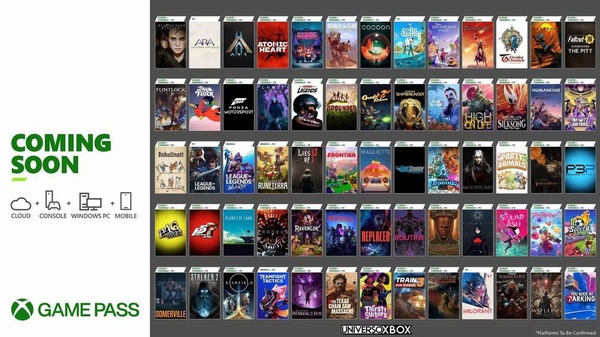
Before the advent of Game Pass, buying a game was a commitment. Spending $60 meant you really wanted that game. You had researched it. You were committed from day one. But now that over 400 titles are just a click away, that sense of value fades. Games become just another item on a digital buffet.
While this democratization of gaming is fantastic in theory, it raises a broader question: if everything is accessible, is anything still special?
Don’t get us wrong: Game Pass is a great deal, but players might need to rethink how they use it to avoid falling into the “consume and discard” trap.
So… Is It Really Making Us Lazy?
In a way, yes. Game Pass can subtly encourage passive and uncommitted gaming habits. But the problem isn’t the service itself, but rather how players use it.
Smart gamers treat Game Pass like a curated library, not an endless feed to scroll through. Pick a title, play it, and complete the journey. Otherwise, you’ll just be jumping from one tutorial screen to another without any real satisfaction.
Final Thoughts
Xbox Game Pass is not inherently bad for gamers, but mindless scrolling and constant switching between titles can turn an amazing service into a productivity black hole. If you want to make the most of your subscription, focus on completing titles, not just trying them out.
Want to recharge your subscription? Platforms like Eneba offer fast and convenient ways to buy Transcash and other payment methods, so you can keep playing without emptying your wallet.
Similar articles