The Witness: a true-crime miniseries investigating trauma
Three episodes recount a dramatic true crime case that shocked the United Kingdom, focusing on the pain of the victim's widower and son. On Netflix.
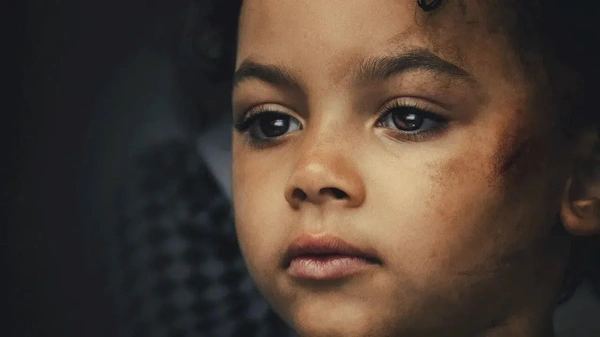


On July 15, 1992, on a summer morning in Wimbledon Common, Rachel Nickell was stabbed forty-nine times while walking through the park with her two-year-old son Alex. The child remained by his mother's body until help arrived, a trauma that never left him. In the following thirty years, the case was one of the most discussed in British true crime, a symbol of senseless violence and an investigation that was, in the words of the Independent Police Complaints Commission, a sequence of serious errors and missed opportunities.
The Witness, a three-episode miniseries, each about an hour long, talks about all of this, not just the murder itself, which occupies a relatively short runtime and remains off-screen. The production, exclusively available on Netflix, aims to be something more and different from yet another true crime production: has it succeeded?
The Eye of the Beholder
Usually in the genre, especially in this contemporary serial format that delves into the murky depths as documentaries often do, crime is treated as spectacle, the victim as a melodramatic soul, the monster as an involuntary protagonist of a narrative that ends up serving him more than it serves those who actually suffered from the actions committed. The Witness, written and created by Rob Williams, an author who knows the grammar of British crime well enough to tackle certain dynamics with informed insight, makes a radical choice and maintains it consistently throughout all three episodes, deliberately hiding the crime.
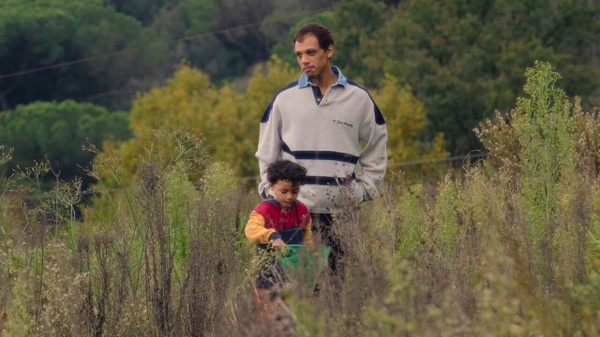
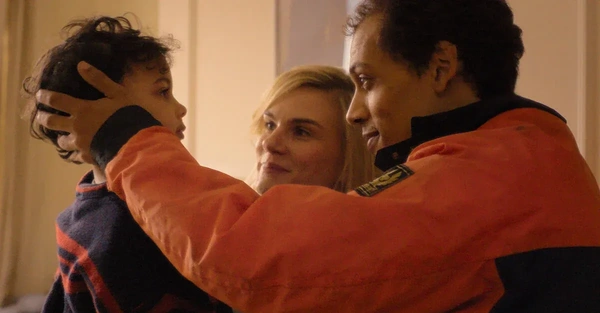
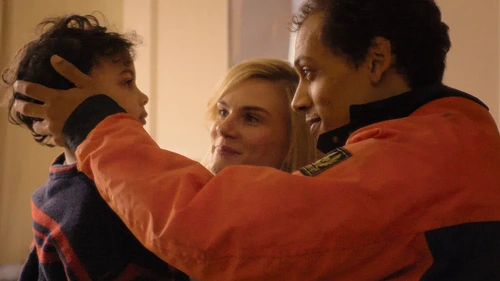
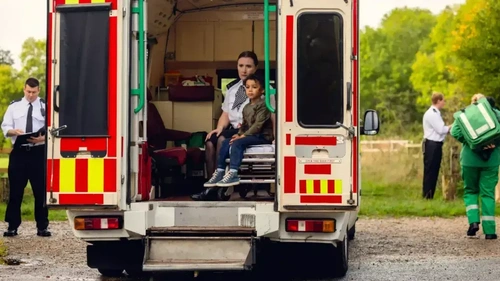
The investigation is the backdrop of the narrative, not the main driver. What matters is the aftermath, the burden the family found itself having to bear when the whole world - with a ruthless public opinion, ready to exploit pain for ratings, as many of our own shows also "teach" us - is there with eyes fixed on them. Journalists besiege the front door, the police once again ask the child to recall potentially crucial details about the killer, while a father and son just want justice, once and for all.
The Turning Point
The screenplay branches into two distinct timelines, from 1992, the year of the tragedy, to a broader period covering the adolescence of that sole witness, a child who then became a boy orphaned too soon. This is because, as in reality, the investigations were "resurrected" much later, with the search for the culprit once again catalyzing the attention of the media storm, always ready to march over the dramatic affair.
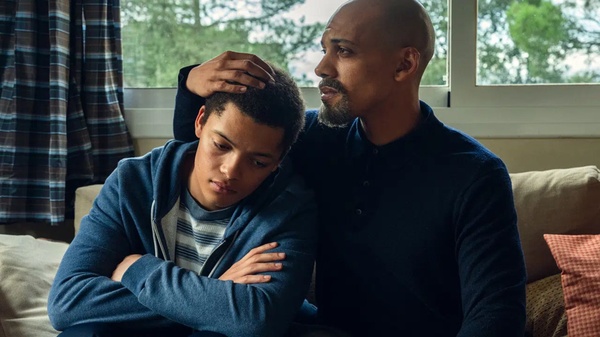
André is not the recipient of the pain that certain television - and also certain cinema - would usually have constructed. He is a difficult, impulsive young man, deeply marked by that trauma. And precisely for this reason, he wants to understand the reasons behind evil, to understand if forgiveness is possible even for the worst of murderers. And here The Witness finds the verisimilitude that makes it worthy of viewing, even despite a staging devoid of actual stylistic flourishes and with a rhythm that is at times inconsistent. But by digging deep into the folds of a shattered psyche, which tries to start living again and finally metabolize a shock never fully understood, the series finds its purpose, managing to distinguish itself in that genre where delving into ambiguity seems to be a constant.
Gallery



Score
Editorial team

The Witness: a true-crime miniseries investigating trauma
Three episodes, three hours, that refuse to center the monster, that leave the crime off-screen, that choose the pain of a father and a son - first an infant, then a rebellious youth - as the sole narrative and emotional territory worthy of deep exploration. The partial shortcomings in the handling of the institutional investigation and some fluctuations in pacing do not compromise the success of The Witness, an operation that, while not excelling, has the rare courage to choose sobriety over excess, to prioritize the internal over the external, to look into the abyss from the perspective of those who suffered the trauma and continue to personally bear its consequences.
Similar articles