Terrazza Sentimento: Milan between sex and drugs in the docuseries about Alberto Genovese
Three episodes on a platform that add nothing: an ambiguous account of the violence in the Milanese penthouse.


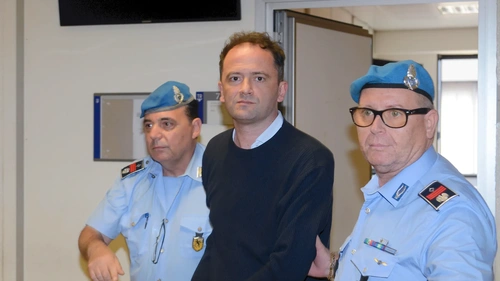
This new Italian Netflix docuseries directed by Nicola Prosatore, fresh from the viewing success of the controversial documentary on Wanna Marchi, Terrazza Sentimento aimed to tell a very hot news topic that characterized tabloids and news programs a few years ago. The three episodes, with a total duration of just over two hours, have the task of telling us the downward spiral of Alberto Genovese, the Italian "king of startups" convicted of sexual assault and injury against young women who participated in his parties in his lavish Milanese penthouse with a view of the Duomo.
An undoubtedly "clever" operation, which knows well how to play to a specific target audience, oscillating between the more or less declared intent of restoring dignity to the victims and the persistent temptation to dwell on the aesthetics of that decadent luxury, accompanying us in a contextual reconstruction of post-Covid Milan but leaving us with the feeling of an operation more cunning than actually courageous and genuine.
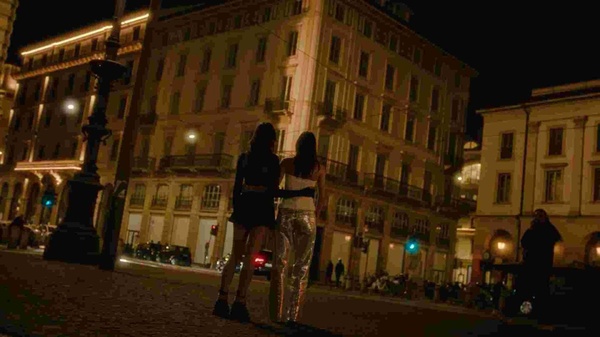
Terrazza Sentimento, a place of perdition
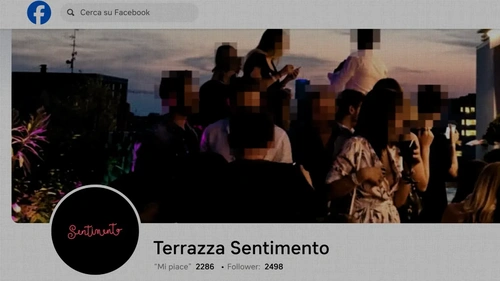
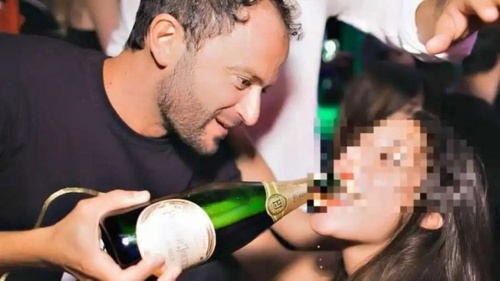
Serving as the main narrator is Giuseppe Guastella, a journalist for Corriere della Sera who followed the case from its beginnings, introducing the viewer to the sordid world of Terrazza Sentimento. A place where parties were organized every night, facilitated by the lockdown that prevented people from meeting in clubs and pushed them to gather in enclosed spaces, where alcohol and especially drugs flowed in large quantities.
The episodic structure mixes testimonies, archival material, and digital reconstructions of what happened inside that apartment of horrors, with the viewer progressively immersed in that world made of rivers of cocaine and ketamine, very young girls, and systematic abuses by Genovese and some of his closest friends.
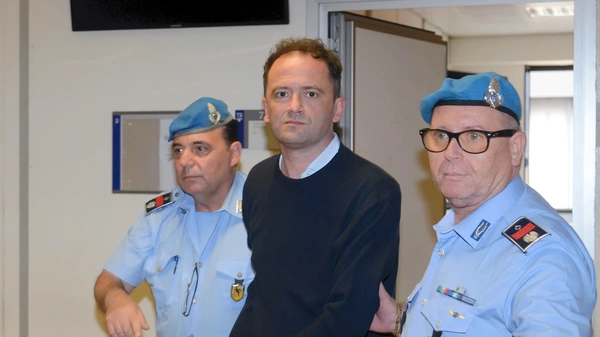
We get to know the "landlord" through his professional biography: his degree and master's, and the founding of Facile.it, later sold for enormous sums: precisely that money that came in handy for him to indulge in a life of excess and debauchery.
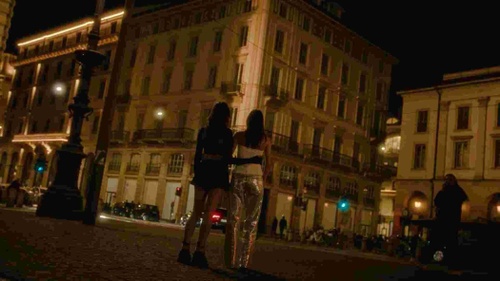
Milan becomes a co-protagonist of the story: a city where work pays but where the cost of living is very high, where the world of fashion goes hand in hand with that of drugs and maximum uncontrolled fun.
Seen from inside and out
And during the Covid period, there was an unprecedented desire to give free rein to one's instincts, to let loose, and it was in that climate that all defenses were relaxed. At the same time, the world of national information is also put on blast, with some of the most popular television programs always ready to blame the victims, almost justifying the culprits. A certainly commendable intention, even if then Terrazza Sentimento itself seems to want to capitalize on this commodification of feelings and pains, thus resulting in a kind of short circuit.
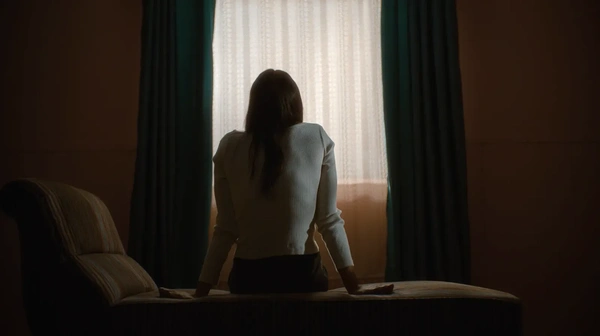
Similarly, the considerable space given to recordings of Genovese himself, who tries to justify his immoral and vile conduct with generic phrases and blaming drugs, risks being partially out of place. The documentary soul, which still proceeds with interviews with those directly involved as injured parties or with commentators and experts, is relatively flat, and Terrazza Sentimento ultimately offers nothing truly new or that has not already been written in the court records. Of course, the general public is often attracted to these morbid and tragic events, but that's another story...
Gallery



Score
Editorial team

Terrazza Sentimento: Milan between sex and drugs in the docuseries about Alberto Genovese
It lacks the flavor of a true investigation, limiting itself to a more or less ambiguous account of the violence suffered by Alberto Genovese's victims in the rooms of that Terrazza Sentimento, the stage of horrors that during the Covid period became a place of gathering and perdition for the so-called "Milanese elite." So much so that the three episodes could have easily been condensed into one, cutting out much of the superfluous and avoiding those interviews that add little or nothing to the topic, between extemporaneous exaltations and immediate corrective criticisms of cocaine use and facile reflections on our national public opinion, always ready to judge without ever taking into account the emotions of those being judged. A clever operation, capable of attracting its target but devoid of real merits or insights that could add anything new to a truly dramatic news story.
Similar articles