Something Very Bad Is Going to Happen: The Dark Side of Love
A psychological thriller produced by the Duffer Brothers where nothing truly adds up
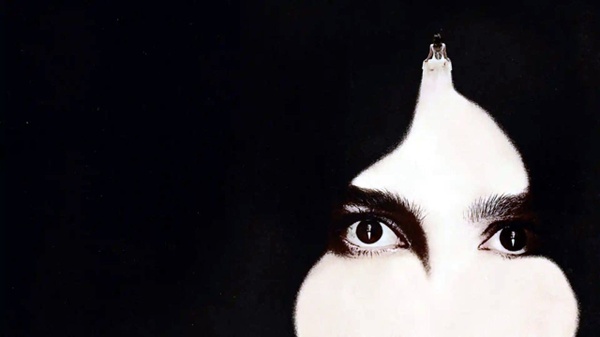


A journey towards marriage should feel like a beginning. On the contrary, in Something Very Bad Is Going to Happen, every mile traveled seems to bring them closer to a precarious outcome. There isn't a precise moment when everything goes awry: the feeling that something is wrong is in the air, subtle but constant like an impossible-to-ignore background noise.
The story follows Rachel (Camila Morrone) and her fiancé Nicky (Adam DiMarco) on their journey that should lead them to marriage. From the very first minutes, the narrative introduces a destabilizing element: Rachel has a bad premonition. Not a defined fear, but an unpleasant sensation that manifests through small, disturbing events.
The Journey as the First Sign of Rupture
This sense of threat finds full expression when the couple reaches Nicky's family home, a large isolated villa in a snow-covered forest. Here, the pace changes: the horror is no longer suggested but insinuated through behaviors. The Cunninghams are not openly hostile, but they are profoundly unsettling. The father (Ted Levine) and mother (Jennifer Jason Leigh) lead a family that seems to observe Rachel more than welcome her.
The rest of the family unit contributes to building a climate of constant unease. Every interaction seems slightly off-kilter, as if there's something unsaid that everyone knows except the protagonist. And it's precisely this exclusion that makes Rachel increasingly fragile, but at the same time more attentive to the signs.
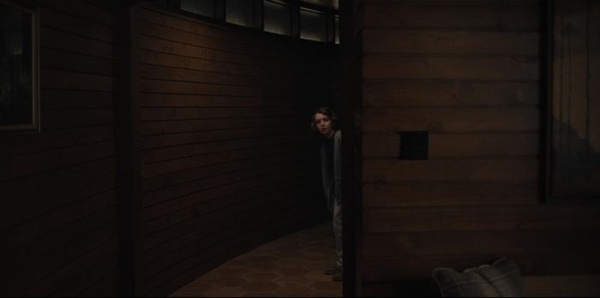
A Family That Observes More Than It Welcomes
One of the most successful aspects is the management of the atmosphere. The first episodes make extensive use of sounds and silences to generate tension, accompanied by some well-calibrated jump scares that manage to surprise without being gratuitous. The unease remains palpable, with various crescendos culminating in the final episode, although the fourth episode features a significant turning point, capable of re-evaluating everything seen up to that point.
After this turning point, the series partially changes direction. The horror element subsides, giving way to a more narrative curiosity: one continues to follow the story not so much out of fear, but to understand how it will conclude. It doesn't truly break the engagement despite the slowness of numerous passages, with the first two episodes being more galvanizing.
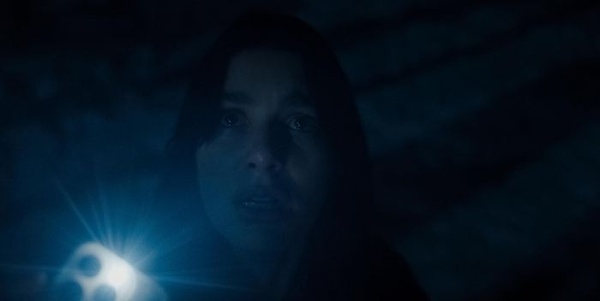
When Tension Changes Form
Some subsequent episodes still maintain effective moments, particularly the sixth, which recovers some of the initial tension. Also interesting is the stylistic choice of the penultimate episode, constructed with long sequences without obvious cuts, contributing to creating an almost suffocating sense of continuity. However, the inconsistent pacing tends to weigh down the narrative, risking arriving at the last episode feeling a bit weary, which, moreover, challenges the viewer's patience in its first few minutes.
While solid, the ending is not without its criticisms. One of the key sequences is excessively drawn out, slowing the pace precisely when it should be most incisive. The conclusion related to one of the main characters may leave one perplexed, because it is not entirely consistent with what was built previously. The narrative, all things considered, appears too drawn out: eight episodes work, but the feeling is that a more compact structure would have led to a more incisive outcome. Listening via a Home Theater system is highly recommended; with true discrete channels, the atmosphere is even more aggressive.
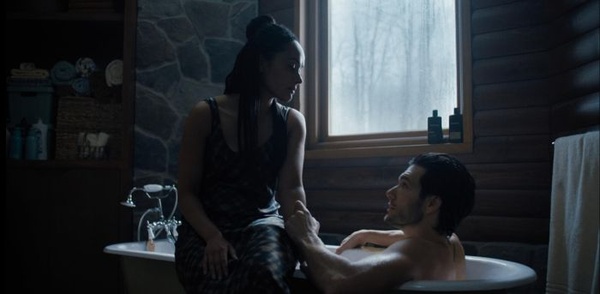
Solid but Overly Drawn-Out Ending
The creator Haley Z. Boston nevertheless manages to distinguish herself, building a story with its own identity, far from the clichés of more conventional horror starting from the third episode. The Duffer Brothers' production involvement is also perceptible in the attention to atmosphere, even though it is a very different project from Stranger Things.
Ultimately, Something Very Bad Is Going to Happen is an interesting proposition for those seeking a psychological rather than visual horror. Lacking a consistently fast pace and with more than one very strong graphic transition, the tension and plot twists could have delivered more with a lower total runtime. Despite narrative choices that may divide opinions, this mini-series is still an experience worth living through to the end, especially for those willing to accept a more subtle and progressive story.
Score
Editorial team
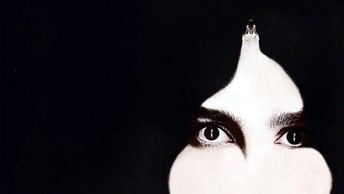
Something Very Bad Is Going to Happen: The Dark Side of Love
An experience that impresses more for its atmosphere than its pacing, capable of building tension but less effective at maintaining it throughout. Good narrative intuitions don't always find an effective synthesis, leaving the feeling of an interesting project, but one that could have delivered even more.
Similar articles