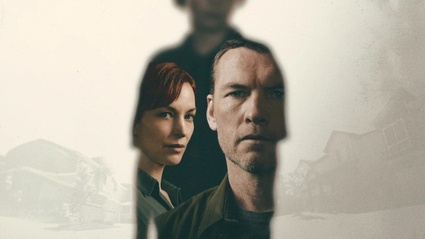
Harlan Coben's Lazarus: A Mystery Series That Fails on All Fronts
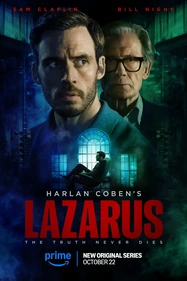
Six episodes penned by the popular author, starring a psychologist who talks to the dead to investigate his sister's murder many years prior. On Prime Video.


Joel "Laz" Lazarus is a forensic psychologist who has built a respectable career in criminology. When he receives the news that his father, the respected Dr. Jonathan Lazarus, has taken his own life, leaving a cryptic and confused note beside him, Joel returns to his childhood home to be with his sister Jenna and cope with the grief. But in his late parent's study, Joel begins to witness paranormal experiences he cannot explain, visits from presences that seem to communicate with him, all deceased former patients of the one who previously psychoanalyzed within those four walls.
Among these supernatural manifestations, he also receives advice from his father, and all his contacts with the presumed afterlife seem to guide the protagonist towards a single common thread, related to Joel's sister Sutton's tragic murder, killed twenty-five years earlier. A murder for which no culprit was ever found and which now, perhaps, the protagonist has the chance to solve once and for all, risking to uncover a Pandora's box of unimaginable secrets.
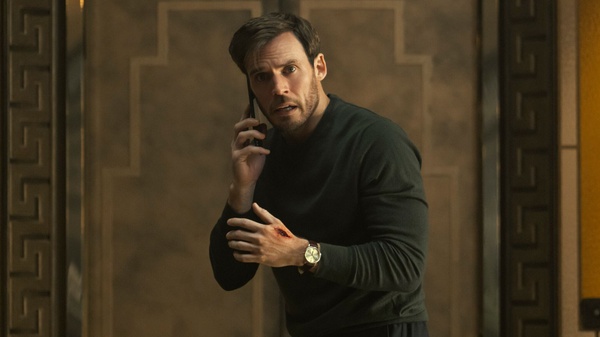
Lazarus and Who Is Without Sin
Harlan Coben has become a veritable goldmine for the streaming market in recent years, with a five-year deal with Netflix that led to the production of numerous series based on his novels or original stories. The premise is often similar: an event from a more or less distant past returns to haunt the protagonists, family secrets come to light in a story where, of course, nothing is as it seems, culminating in a series of plot twists that are unpredictable on paper but quite obvious in practice.
Coben has found a formula that undeniably works well for the mainstream audience and repeats it obsessively, with minimal variations from one production to another. Lazarus marks the transition from Netflix to Prime Video, after the conclusion of the five-year agreement, and once again promises to be a hit on the respective platform.
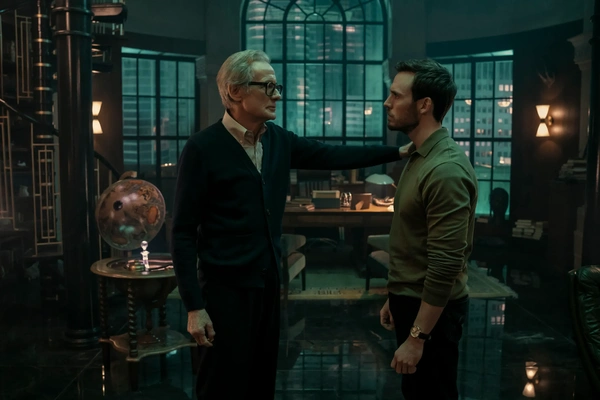
However, in the six episodes, there isn't a single genuinely surprising moment. Every revelation is telegraphed well in advance, every red herring is so incongruous as to be dismissed outright, every cliffhanger is preceded by such obvious clues that even a distracted viewer will be able to anticipate what is about to happen. The screenplay is tiresomely mechanical, and even the handling of the visions that forcibly unite past and present often proves illogical and lacking true coherence, so much so that the randomness of the narrative plot often leaves one dumbfounded by its exhibited naivety.
Pieces to Join in a Misplaced Picture
We are faced with a puzzle whose final composition we already imagine, and the main problem is that in the various episodes, the genre tension is also lacking, which should push viewers to continue watching to discover more about the dark heart of main and secondary characters, between villains taken for granted and others ready to become so.
The supernatural element, which should be the series' distinguishing feature, is treated with disconcerting superficiality. As mentioned above, there are no clear rules on how these visions work, when they appear, why some dead choose to communicate with the protagonist and others do not. A tremendously arbitrary approach, with ghosts materializing exactly when the plot requires a convenient turn to move it forward. There is no serious exploration of the psychological or ethical implications of possessing this type of ability, nor any real emotional development.
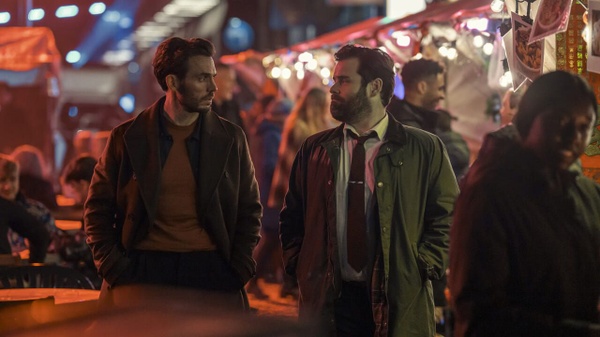
And what about dialogues so explanatory they are embarrassing? The characters speak lines that no one in such circumstances would ever dream of saying, in a fair of banalities that rivals the authors of the fortune cookie notes in Chinese restaurants.
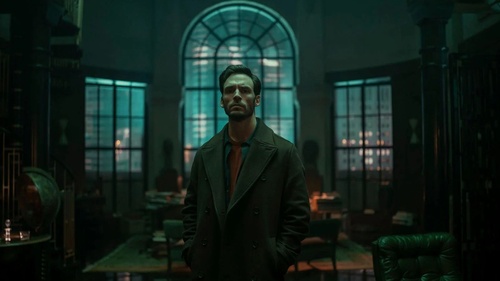
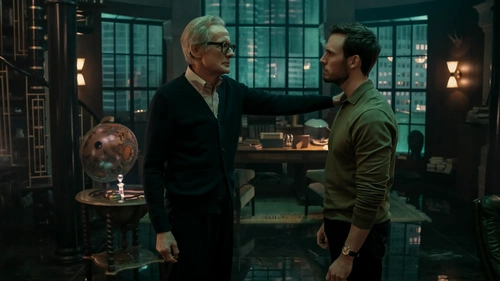
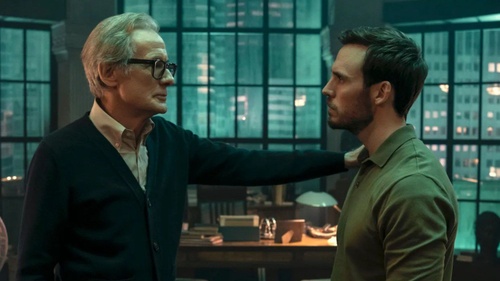
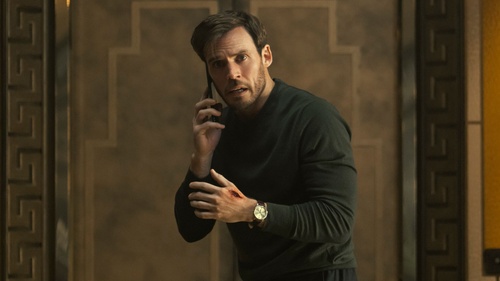
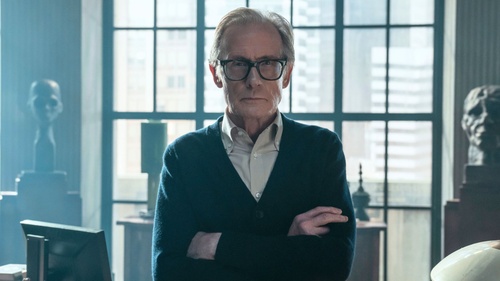
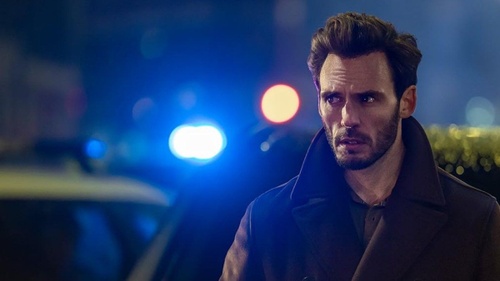
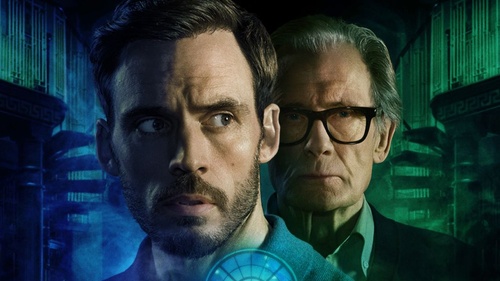
Sam Claflin, a British actor who has elsewhere shown talent, finds himself here trapped like his alter-ego in a role that primarily asks him to stare blankly, looking at the camera, with a gratuitously tormented expression. The rest of the cast does not shine in charisma and stage presence, starting with guest-star Bill Nighy in the role of the "returning" parent, in one of the most lackluster performances of an otherwise respectable career.
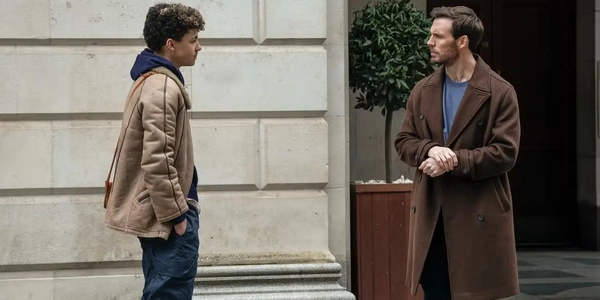
Probably Lazarus will soon climb the ranks of the most-watched titles, but if you are looking for quality writing and engaging stories that go beyond the usual clichés, our advice is to stay away from it.
Gallery
Score
Editorial team
Harlan Coben's Lazarus: A Mystery Series That Fails on All Fronts
We are faced with yet another variation of the narrative formula widely exploited by writer Harlan Coben, this time with the addition of supernatural elements that should help distinguish it but only end up making it more unintentionally ridiculous. Sam Claflin plays Joel Lazarus, a forensic psychologist who returns home after his father's suicide and begins to have a series of paranormal visions that help him solve his sister's murder, which occurred 25 years earlier, and other related crimes. Lazarus is a predictable operation from start to finish, with every plot twist telegraphed well in advance and embarrassing, excessively forced plot solutions that are almost insulting to the viewer's intelligence and good taste. As one of the characters says in one of the aberrant dialogues, "lies are more comfortable than the truth": it depends on how ready the public still is to be deceived.
Similar articles