Amadeus: hunting for genius in an uncertain series
Five episodes that tell us, in their own way, the story of the legendary composer and his historic rivalry with Antonio Salieri. On Sky and NOW.


Let's unusually open this review with a question: was it really necessary? From the first minutes of this Amadeus by Sky, the impression is that there was no need to approach Miloš Forman's 1984 masterpiece (and Peter Shaffer's original play), without then having the courage to actually offer something unprecedented and capable of redefining musical biopics on the small screen.
The eponymous miniseries written by Joe Barton tries the card of modernization at all costs and narrative expansion, but the final result is a certainly luxurious hybrid from an aesthetic point of view and thundering from a sound one, but which often ends up being out of tune and rarely finds the right harmony between story and its staging.
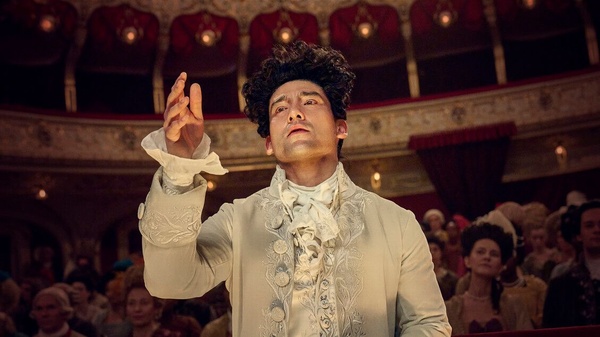
Amadeus: the devil's music?
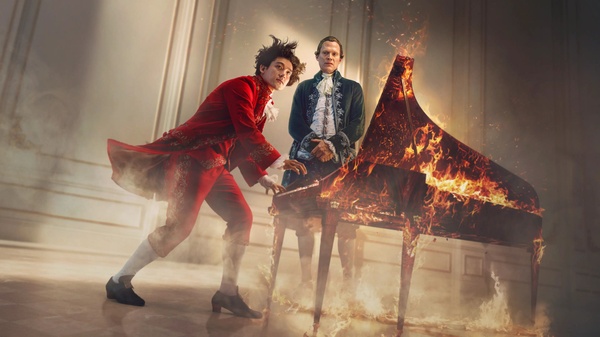
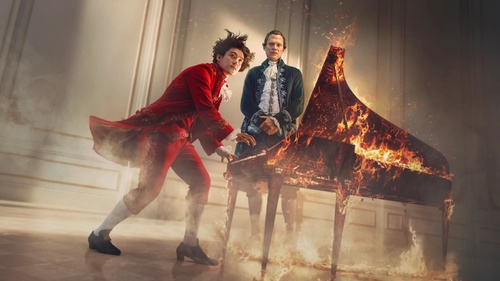
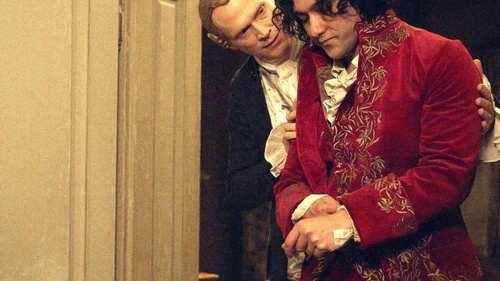
The premise is well-known, with the story set in late 18th-century Vienna. Antonio Salieri (Paul Bettany), a devoted and methodical court composer, sees his ordered existence and his pact with the divine shatter upon the arrival of Wolfgang Amadeus Mozart (Will Sharpe). The young man is not who Salieri expected, but an "obscene flute" through which God has chosen to sing: vulgar, childish, sexually uninhibited, and diabolically brilliant. The series retraces this mortal rivalry, expanding it into five episodes that promise to delve deeper into the psychologies of the protagonists.
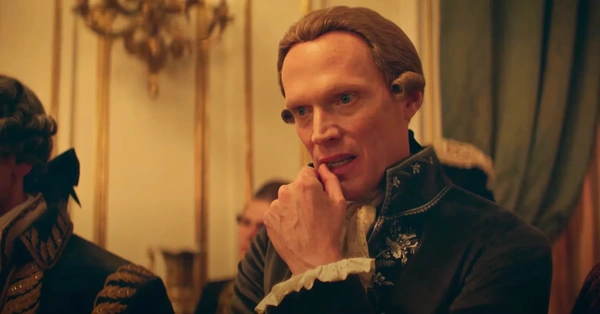
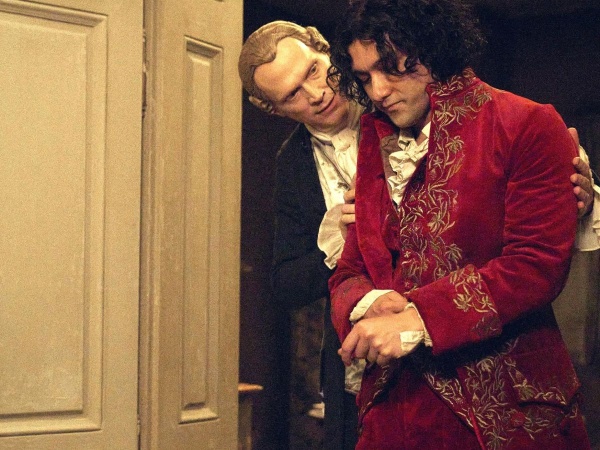
They promise, but do not deliver. The main problem lies in the dilation of events and moods. What in the film was an operatic crescendo with a tense and inexorable pace, here becomes a narrative flow that suffers from obvious drops in rhythm, especially in the central part (episodes 3 and 4), also inserting some unexpected and out-of-place soap opera derivations. The urgency of the conflict disperses into sub-plots that are not always essential, transforming Salieri's feverish obsession into a senseless series of sabotages and envies, taking away the bite from the metaphysical duel that should be the heart of the work.
Faces and clothes
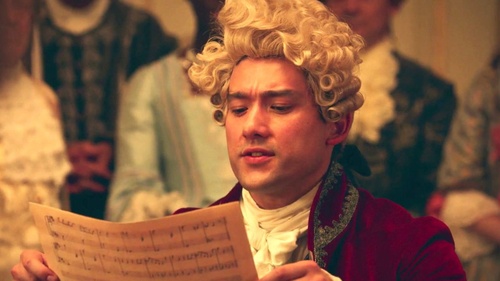
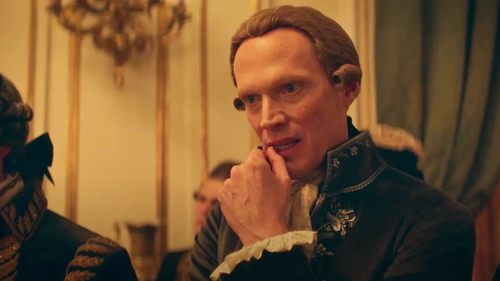
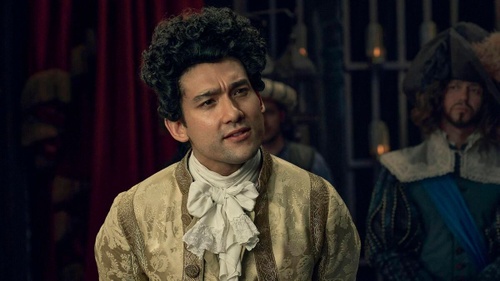
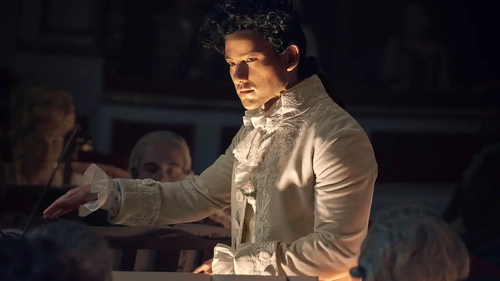
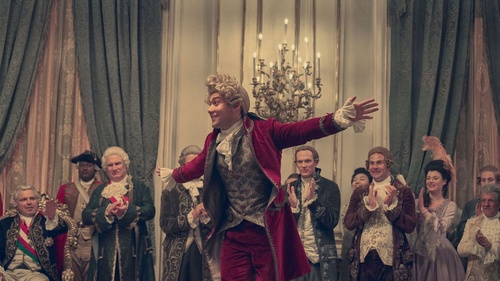
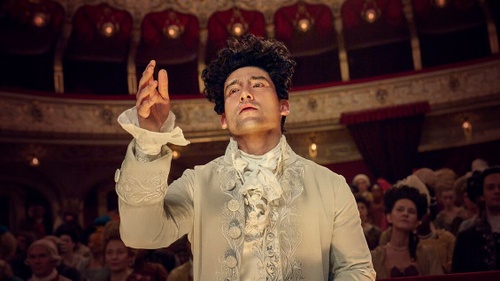
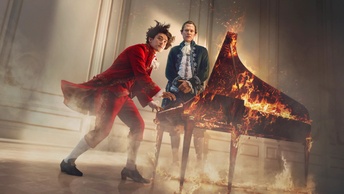
Will Sharpe, an actor of undeniable charisma and already a BAFTA winner, takes on the thankless task of redefining Mozart after Tom Hulce's iconic performance. His approach is physical, neurotic, sweaty. His Mozart is a kind of cursed rockstar, but we don't find Ken Russell behind the camera and the result is far too restrained, with that desire to overdo it from a sexual point of view - betrayals on the agenda - which does not find adequate correspondence in the purely musical soul. It goes better for Paul Bettany, who, in the role of the nemesis Salieri, paradoxically has much more material to work with, giving life to a complex antagonist who at times steals the scene from the tormented protagonist.
One element that Amadeus insists on heavily is the centrality of Costanze's role, played by Gabrielle Creevy. The inclusion of her personal storyline, however, does not offer much that is actually interesting, resorting to gratuitous solutions on inclusivity and a girl-power perspective that clash with the historical verisimilitude of the era.
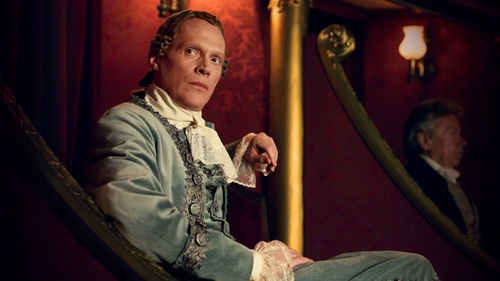
Technically, we are faced with an operation carried out with a certain style, from the choreographies to the costumes - let's draw a veil over the make-up used to age the characters - but a victim of a coldness that prevents even the most sumptuous passages, with the representations of the works, from exalting and exciting with the necessary overall view. The use of Mozart's masterpieces appears didactic, almost as if they were a luxurious background to accompany the emotional and vengeful intemperances of the main figures and not the engine that moves everything. That sense of overwhelming spectacle is missing, which should captivate the audience and make the heartstrings vibrate.
Gallery
Score
Editorial team
Amadeus: hunting for genius in an uncertain series
An irregular series in its execution, too modern in appearance despite accurate costumes, unable to do justice to the immortal music that should be the beating heart of the story, a victim of tonal shifts that can disorient. The five episodes of Amadeus live on a continuous succession of highs and lows, between sudden flashes and tired falls, with the transgressive soul unnecessarily emphasized in the protagonist's escapades and in the superfluous storyline of his wife. Will Sharpe does what he can with a Mozart who is a victim of script excesses, and Paul Bettany portrays a Salieri of great charm, in an adaptation that, by freely re-tracing Peter Shaffer's play, might disappoint classical music or 18th-century history enthusiasts, aiming more at new generations but with a less explosive approach than expected.
Similar articles