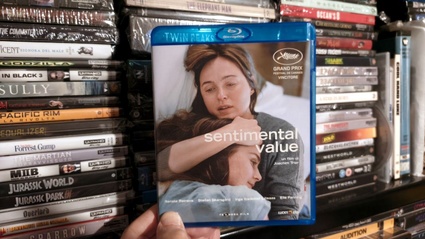
Sentimental Value: family group in an interior according to Joachim Trier
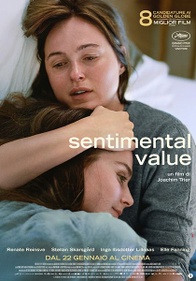
A famous director tries to reconnect with his two daughters, whom he abandoned when they were young, while he is intent on making a new film that closely concerns him. In cinemas.



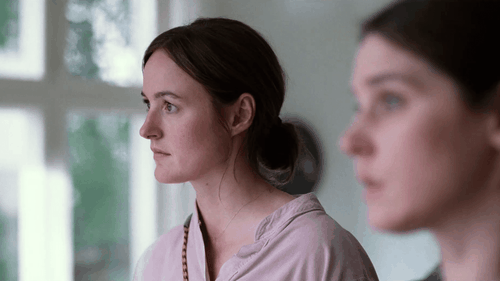
The film immediately introduces the viewer to the heart of the Borg family through two emblematic sequences that establish the core themes of the work. In the prologue, a female voice imagines the owned house as a living organism, capable of breathing and observing, while immediately after we meet Nora, an established theater actress, suffering from a panic attack in her dressing room just before going on stage in the performance of Chekhov's The Seagull. A house that seems to have a conscience and a play that becomes a source of terror and inner reflection are the two poles around which the entire narrative structure is built, clearly established from the very first minutes.
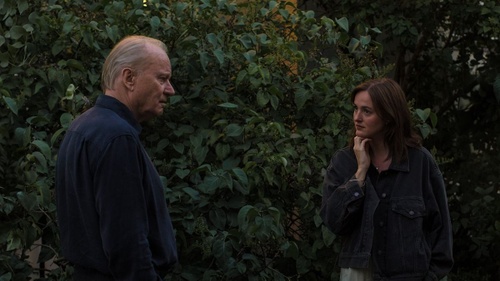
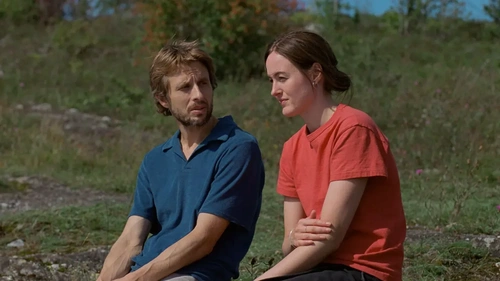
Upon the death of their mother, which leaves Nora and her younger sister Agnes alone to face the grief, Gustav Borg, the absent father who had abandoned the family when his daughters were still children to pursue a career in film and documentary making, suddenly reappears. A once celebrated director and now in clear decline, Gustav proposes that Nora star in his new film, a Netflix production set precisely in the family home, still legally his. A project declaredly autobiographical, which aims to tell the story of his grandmother's suicide, marked by the tortures suffered during the Nazi occupation of Norway, but which also appears as a clumsy attempt at reconciliation disguised as a professional opportunity. However, coming to terms with a past made of absences and unhealed wounds will prove to be anything but simple.
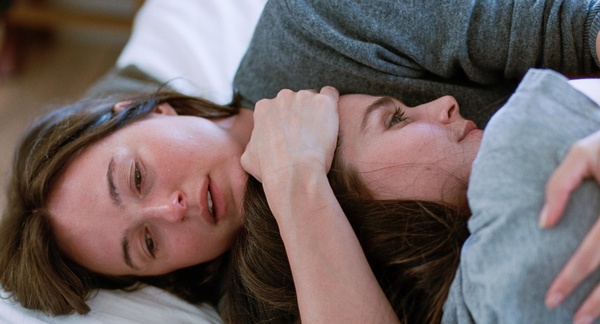
Presences and absences
There isn't an actual standalone presence as in Steven Soderbergh's magnificent Presence (2024), but at times one gets the impression that the domestic walls have a life of their own, reminiscent of those Bergmanian claustrophobias that trap characters in invisible prisons from which they must free themselves before the irreparable happens.
When in 2021 Joachim Trier presented The Worst Person in the World in Cannes, the third chapter of the so-called Oslo Trilogy which began fifteen years earlier with Reprise (2015), he could hardly have foreseen the impact that film would have. The international success, the award for best actress to Renate Reinsve, and the definitive consecration of the director himself among cinephiles made Sentimental Value one of the most anticipated titles of last season. An anticipation that was rewarded, as demonstrated by the Grand Prix Speciale della Giuria obtained once again on the Croisette.
Here Trier abandons the focus on a single character to weave a choral fresco, in which family dynamics become a mirror of generational traumas and a battleground between art and life. The screenplay, once again co-written with the inseparable Eskil Vogt, is permeated by continuous metacinematic suggestions that further layer the more than two hours of viewing, making the narrative dense, sometimes even suffocating, but always emotionally generous.
Influences and evolving sensations
The homage to Bergman is explicit and declared, from visual references to the creation of oppressive atmospheres that enclose the characters in a suffocating embrace, forcing them to confront years of emotional distance and guilty silences. A story with partially autobiographical roots, born from the director's personal trauma of selling his family home, which transforms into a refined drama, yet capable of slipping at times, more or less consciously, into a form of partial intellectual self-indulgence.
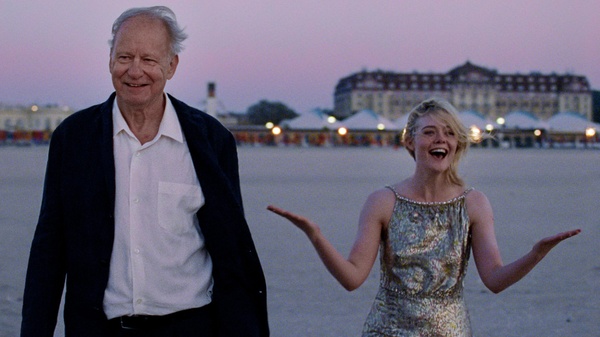
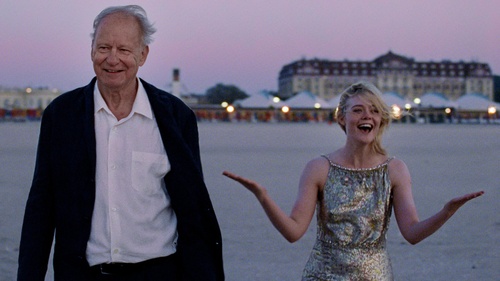
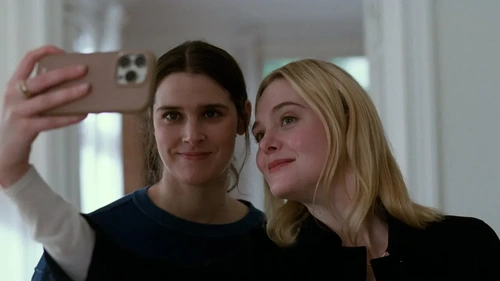
The balance becomes even more complicated when Gustav introduces his daughters to Rachel Kemp, played by Elle Fanning in an amiably stylized version of herself. A young Hollywood actress with a commercial resume but eager for authorial legitimacy, Rachel becomes the trigger for new tensions, also involving Netflix and the perennial discussion about theatrical distribution. This gives rise to a subtle manipulation dynamic, which pushes the project to increasingly retrace the role originally intended for Nora, while the latter is also forced to face relational fragilities that go far beyond the conflicted relationship with her father.
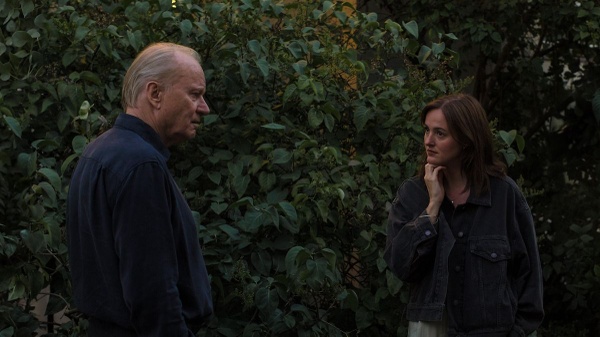
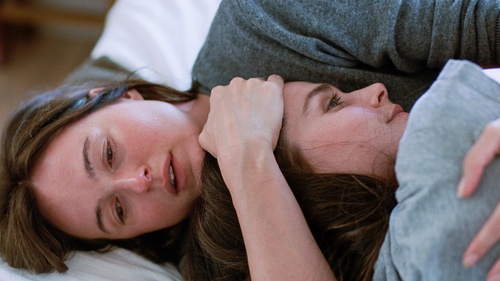
The beating heart of Sentimental Value thus lies in the exploration of the bond between the two sisters and that absent parent, who is finally held accountable for years of shortcomings. A confrontation supported by top-level performances. Renate Reinsve confirms an undeniable talent, while Inga Ibsdotter Lilleaas surprises in giving Agnes an autonomous and incisive personality, capable of emerging even within such an imposing acting core. Completing the picture is, after all, Stellan Skarsgård, a fragile and ambiguous patriarch, fresh from his Golden Globe win and increasingly heading, deservedly, towards the Oscars. A trio of memorable and deeply human characters, who always keep the nervous tension high, between darker and more tender moments, in an attempt to strengthen that blood tie that has faded over time.
Gallery


Score
Editorial team

Sentimental Value: family group in an interior according to Joachim Trier
A family drama filtered through the constant interplay between fiction and reality, where repressed emotions resurface in a web of silences, unspoken words, and missed and earned reconciliations. Sentimental Value confirms Joachim Trier as one of the most sensitive authors in portraying the complexity of human relationships and, even when it risks appearing pretentious, his gaze on these imperfect characters, suspended between art and life, delivers a bitter and cathartic experience. A restless film, permeated by Bergmanian breaths, which finds its strength precisely in its ability to be intense even when, in part, it is deliberately gratuitous.
Similar articles