Our Fault?: the romantic saga concludes with a whimper
We find Noah and Nick, protagonists of Mercedes Ron's novels, in the latest adaptation of their romantic (mis)adventures. On Prime Video.
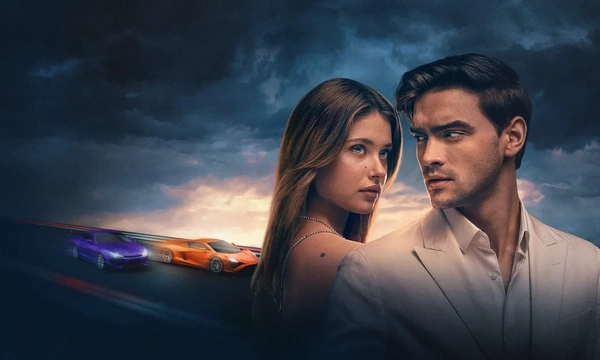


Four years have passed since the painful separation between Noah and Nick, the protagonists of the romantic saga that began with My Fault? (2023) and continued with Your Fault? (2024). She has just started her career, trying to build independence away from the emotional turmoil that had characterized that toxic relationship. He is now the designated heir to the family's business empire, immersed in corporate responsibilities that force him to grow up once and for all. Both have embarked on new romantic relationships: Noah with Simon, an apparently stable guy who represents everything Nick never was, while Nick makes a decision about an upcoming marriage to improve his public image, which recently came under fire.
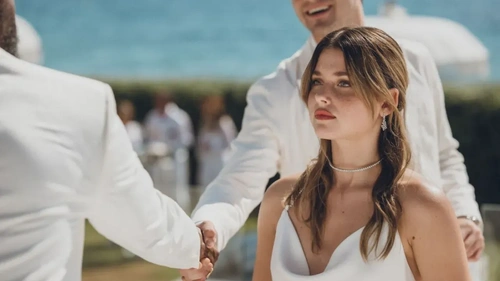
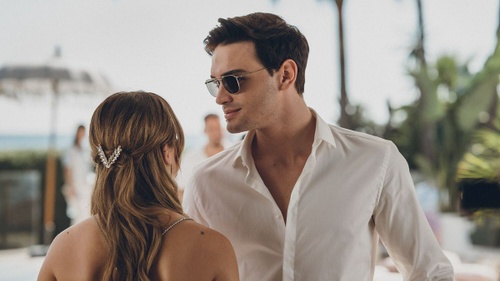
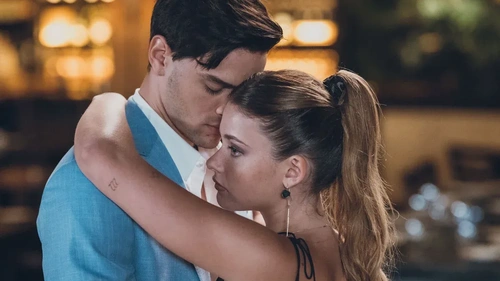
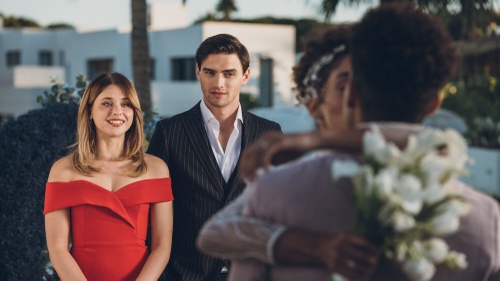
But in Our Fault?, fate will obviously bring them back together on the same path. The occasion is the wedding of mutual friends Jenna and Lion, and as soon as the two exes meet face to face, that never-truly-extinguished spark reignites with the same intensity as in the past. But new pitfalls, and their own decisions, risk further complicating the lightning-fast rekindling...
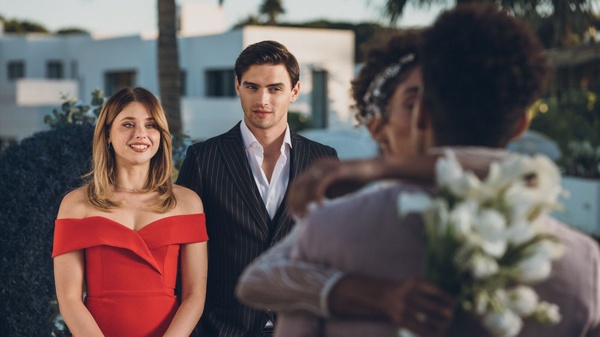
Is it Our Fault or Theirs?
Before delving into the film's analysis, it's necessary to contextualize the cultural phenomenon that this final chapter of the Culpables trilogy represents. The trilogy originated from the pen of Mercedes Ron on Wattpad, a platform where millions of users – predominantly young people and teenagers – publish and read stories of all kinds. The online novels achieved global success, becoming New York Times bestsellers and gaining an enormous following of fans, mainly composed of teenagers who identify with the characters their age and the "impossible" love story between Noah and Nick.
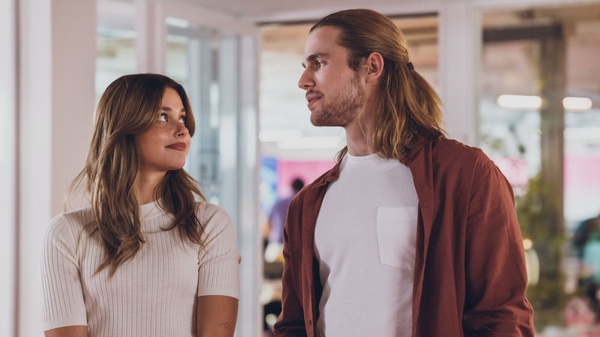
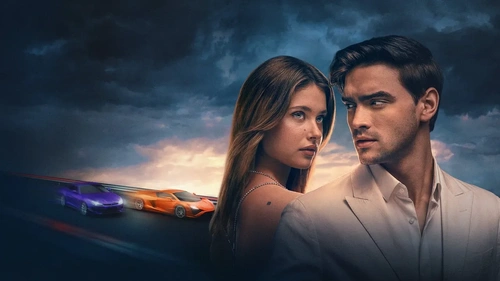
The central – and deeply problematic – element of the saga is that the two protagonists are acquired step-siblings: their parents married, technically making them brother and sister, even though there is no blood relation between them. This premise, evidently intended to add a "forbidden" and thus more exciting element to the relationship, only serves to mask what is essentially a dysfunctional relationship characterized by pathological jealousy, extreme possessiveness, emotional manipulation, and toxic dynamics presented as romantic. All of this within a microcosm marked by luxury and extreme wealth, with lavish parties, dream cars, and elegant clothes.
From Page to Screen
The success of the live-action adaptation has been nothing short of astounding, with impressive numbers confirming that its target audience has a constant need for these intense and often absurd romantic narratives, even when they convey questionable messages about what it means to love someone.
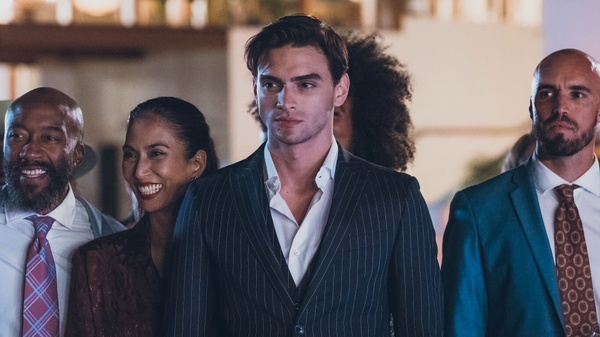
And it is precisely here that the most serious problem of Our Fault? and its predecessors lies, almost a photocopy in the management of the back-and-forth and the predictable supporting characters. We are, in fact, faced with the representation of a fundamentally toxic and dysfunctional relationship as if it were a romantic ideal to aspire to. Noah and Nick betray themselves and their new partners without any qualms, with a few tears here and there to justify lies and secrets as if nothing happened, in a love story that is anything but based on feelings, but rather on opportunism and sexual stimulation. Their relationship goes far beyond emotional co-dependency or fatal attraction: it is a perpetual cycle of arguments, betrayals, jealousies, manipulations, and dramatic returns, which leaves no room for credible personal growth or emotional maturity.
A Justification for Everything
The worst part is that both the film and the underlying books address all of this without ever truly questioning the correctness or morality of these behaviors. Of course, there are moments when the characters seem to want to change, when there is talk of forgiveness and leaving the past behind, but these are always empty words followed by actions that contradict what was stated shortly before.
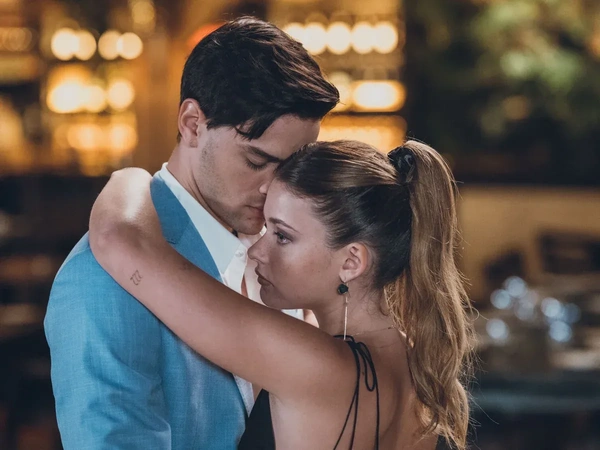
The screenplay by director Domingo González and Sofía Cuenca is a messy pastiche, attempting to mix different genres – romantic comedy, sentimental drama, even action in the driving sequences that also characterized previous films – without ever finding a coherent identity and stretching excessively for almost two hours. It matters little that protagonist Nicole Wallace's gaze often pierces the screen, as even the young Spanish actress finds herself at the mercy of that magma of events that are bitterly grotesque if not entirely ridiculously wrong. And the very clean and precise staging only confirms the limits of an operation that is all appearance and zero substance.
Gallery


Score
Editorial team
Our Fault?: the romantic saga concludes with a whimper
The Culpables trilogy concludes with a final chapter that reiterates and amplifies all the endemic flaws of its predecessors, crafting a confused, superficial, and fundamentally problematic work. Like its predecessors, adapted from Mercedes Ron's bestsellers born on Wattpad and becoming a global phenomenon, Our Fault? tells the story of the reunion between Noah and Nick, acquired step-siblings and ex-lovers, years after a breakup that deeply marked them. The premise promises maturity and a definitive reckoning, but what unfolds in the two hours of viewing is yet another representation of a toxic relationship celebrated as a romantic ideal, with all the cons and none of the pros. The elegant packaging, the clean faces of the cast, and the lavish settings make the whole thing so fake that it can practically never be taken seriously.
Similar articles