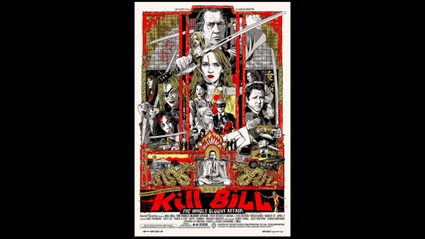
Kill Bill Returns to Theaters in its Definitive Form - The Review
The unique 281-minute cut confirms it's an even more refined and fluid work
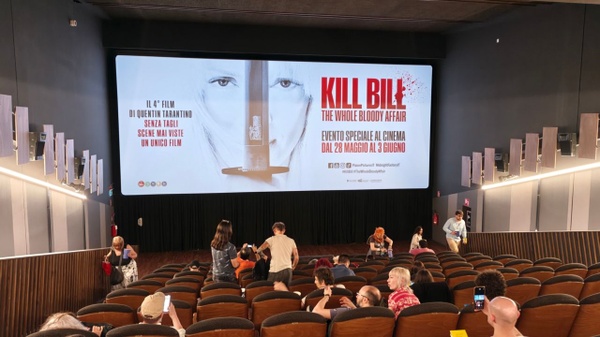


There are films that you end up knowing by heart. Dialogues, music, shots, even the exact moment a cut will arrive or a certain song will start. Yet Kill Bill: The Whole Bloody Affair (literally The Whole Bloody Affair) achieves something rare: taking a work already etched into the collective imagination and refining it further until it seems different but without truly changing it.
Preview screening ahead of the Italian release on May 28, 2026, this unique 281-minute cut provides multiple confirmations that we are facing the true Kill Bill, the one that perhaps always existed beneath the artificial division between Volume 1 and Volume 2. It is not a revolution made of completely new scenes or sensational narrative twists. The transformation is more subtle, more cinematic. More emotional.
When the two volumes stop feeling like separate films
For years, the first Kill Bill was remembered primarily as an explosion of stylized violence, bright colors, and impossible fights. The second, however, lived more on dialogues and melancholy.
In The Whole Bloody Affair, that fracture practically disappears.
The Bride's story proceeds without interruption, and this radically changes the perception of the entire narrative. Revenge no longer appears divided into "episodes," but becomes a single obsessive journey into trauma and loss.
Even seemingly small details take on enormous weight. Some introductions disappear, several passages are lightened, and above all, that famous anticipation about the fate of the protagonist's daughter, which arrived too early in the original films, is eliminated. Here, the discovery remains hidden longer, and the emotional involvement grows scene after scene.
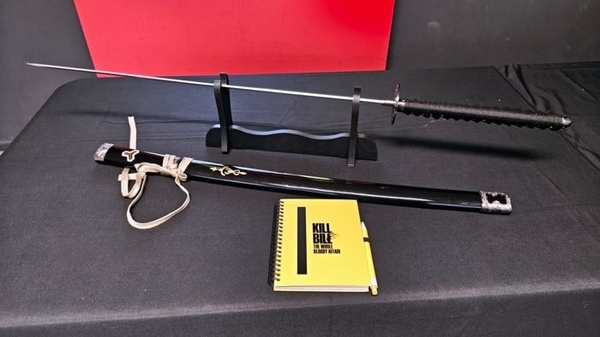
The result is a film that breathes better, and which will also be available in Italy in Italian or English, always in 4K image format. In this regard, we have already had the opportunity to thoroughly analyze the artistic/production choices of the two Volumes on the occasion of the Plaion Pictures UHD edition. The film was shot on film at the time and then transferred to a final digital master at 2K resolution, the top for the film industry in the early 2000s.
Violence that returns dirty, physical, and almost uncontrollable
The differences also emerge on a visual level. The battle at the House of Blue Leaves, one of the most iconic moments in Quentin Tarantino's entire filmography, regains an even more extreme dimension.
Some cuts disappear, blood invades the screen with greater continuity (and arterial pressure), certain sequences regain their original coloring instead of suddenly shifting to black and white.
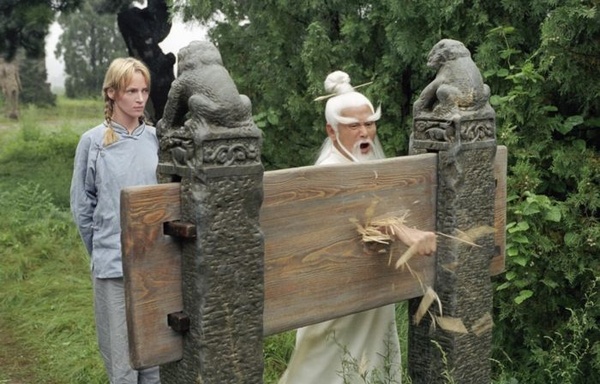
The fight against the Crazy 88 thus becomes even more overwhelming, absurd, and hypnotic. Not so much because the choreography truly changes, but because the feeling of witnessing something completely out of control increases: a ballet of mutilations, katanas, and rivers of blood filmed like a psychedelic western set in the heart of Tokyo.
Uma Thurman dominates the film more than remembered
Among the surprises is the character played by Uma Thurman.
Watching Kill Bill in a single sitting, the human side of the Bride emerges with much greater force. In the first part, she almost seems like an abstract creature, driven only by rage. Then, slowly, increasingly evident emotional cracks begin to open, making her slalom through the mortal risks that revenge at any cost entails.

The pain, the denied motherhood, the toxic relationship with Bill, and even the desire for a normal life gain more weight precisely because that long pause separating the two works no longer exists.
Even characters like O-Ren Ishii, Elle Driver, and Budd appear less caricatured and more tragic. Each seems to represent a different consequence of Bill's manipulation, a figure who dominates the film even when off-screen.
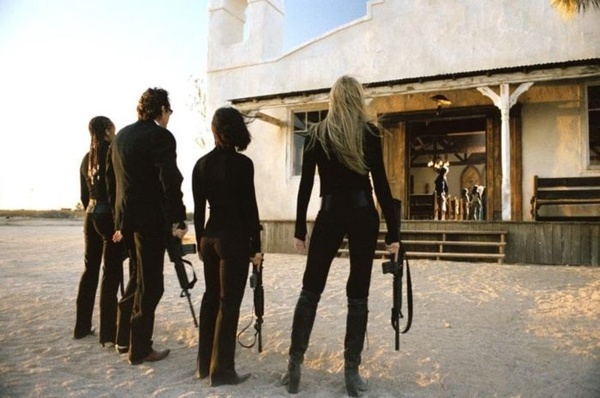
Ending that continues beyond the credits
There is also a detail that makes this edition even more special: it is crucial not to leave the theater too early.
Because there is a revealed final segment, hidden after the credits, named The Lost Chapter: Yuki's Revenge, and it stems from a concept that Quentin Tarantino reportedly conceived already during the original production of Kill Bill. At the center of the story is Yuki, the younger sister of Gogo Yubari, determined to track down the Bride to settle scores after her relative's death.
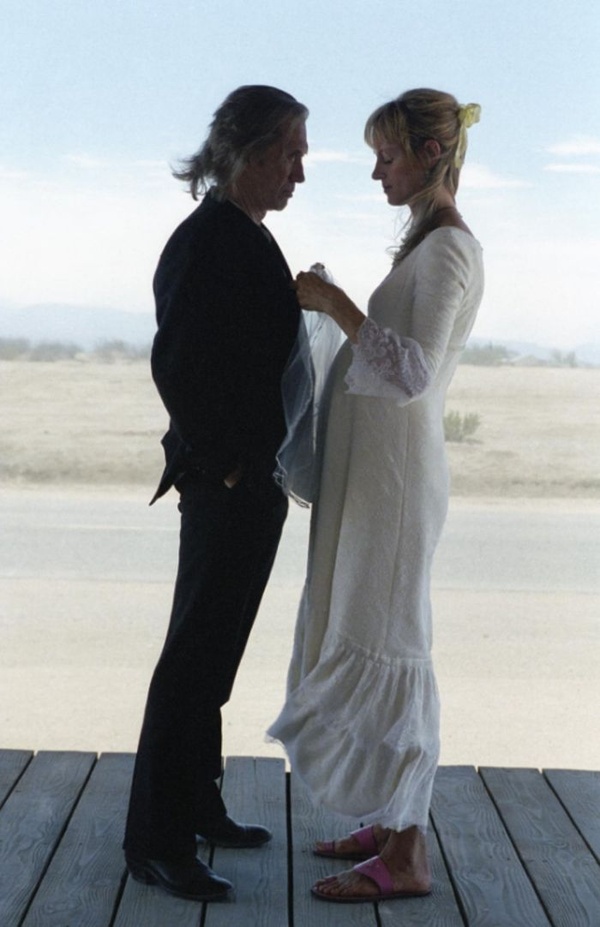
For years, this material remained outside the main project, probably sacrificed during the editing phase to contain duration and production costs. Over time, however, the idea was recovered and transformed into new content thanks to a decidedly unusual collaboration with Epic Games.
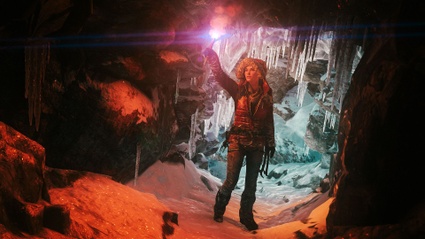
The most surprising aspect concerns precisely the technical setup of the short film: the animation uses Unreal Engine 5 and visual elements in an aesthetic key reminiscent of Fortnite, while still trying to maintain an atmosphere that recalls Asian exploitation cinema and certain violent anime of the Seventies.
It's a disorienting ending but one that contributes to giving The Whole Bloody Affair the feeling of being something more than a simple celebratory re-release. At the end of over four and a half hours, the confirmation arrives that Kill Bill was not only re-edited but further refined through masterful editing to become a single, gigantic ride of revenge.
Score
Editorial team
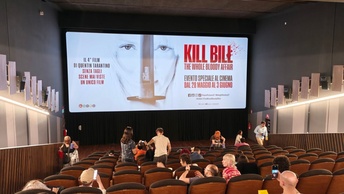
Kill Bill Returns to Theaters in its Definitive Form - The Review
Kill Bill: The Whole Bloody Affair doesn't really change the story, but it changes the way you experience it. The fusion of the two volumes makes the Bride's journey more continuous, brutal, and emotionally engaging. Do not leave the theater before the end credits!
Similar articles