Baramulla: An Indian Thriller/Horror Blending Social Commentary and Genre Entertainment
A police inspector recently transferred to a town in Kashmir finds himself investigating the mysterious disappearance of several local children. On Netflix.
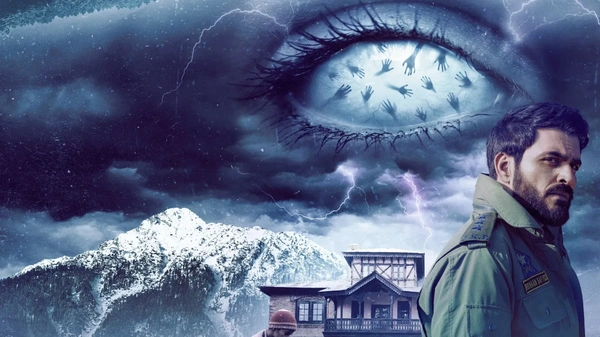


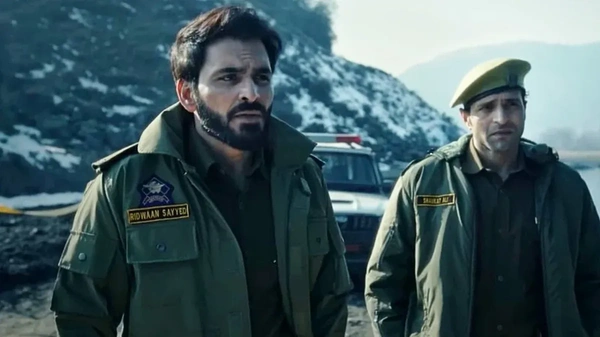
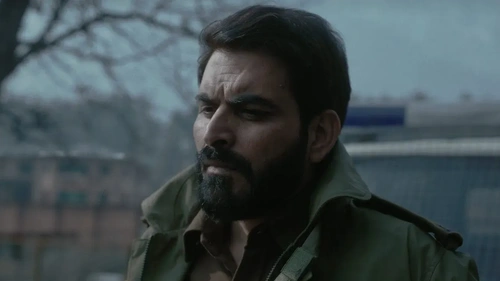
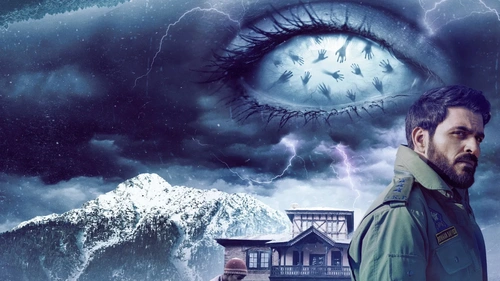
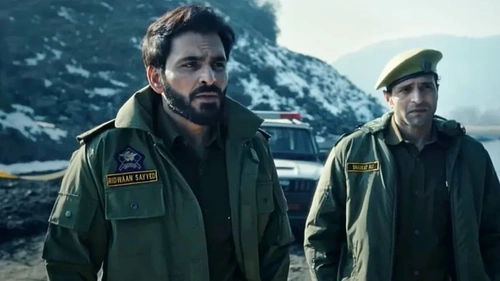
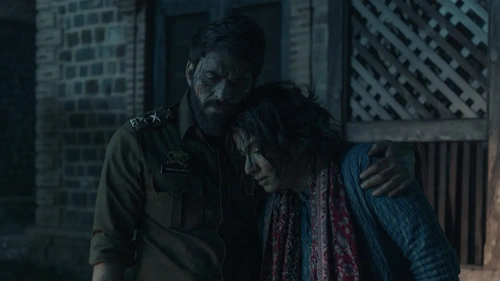
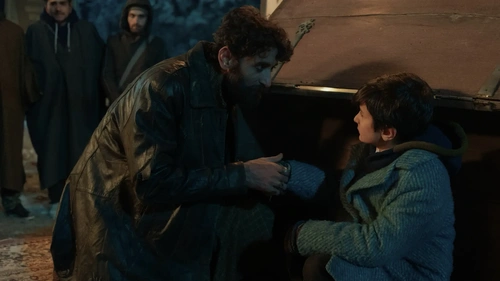
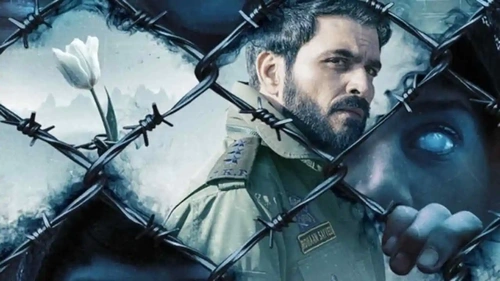
The story begins in December 2016. Police officer Ridwaan Sayyed has just moved with his family to the town of Baramulla, an area in the snowy mountains of the Union Territory of Kashmir. The officer is there to investigate the mysterious disappearance of several children, who have vanished under unexplained circumstances recently, leaving no trace: a disturbing situation that is terrifying the entire community, especially the parents of children and pre-teens.
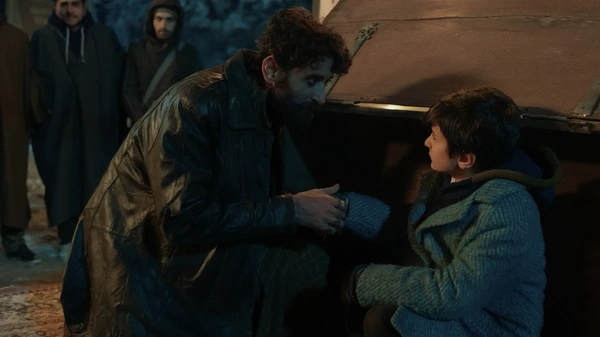
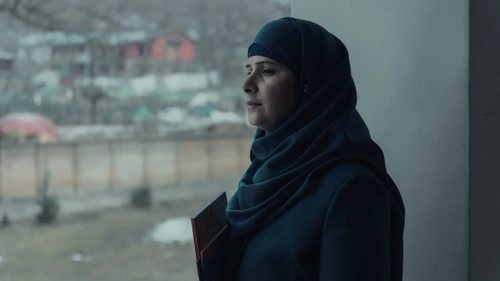
What initially seems like a case related to crime news and potential kidnappings soon transforms into something much more disturbing and primordial: in the old house where the Sayyed family has settled, inexplicable phenomena begin to occur, invisible presences torment their children Noorie and Ayaan, and his wife Gulnaar begins to perceive that a secret buried for decades is hidden behind those walls.
Baramulla: Horror and Fanaticism
A new Netflix film of Indian production, Baramulla presents itself as a courageous operation that attempts to blend the archetypes of supernatural horror with a more dramatic reflection on the historical trauma of the Kashmir valley. A mixture of genres that works in parts but, when it tries to be too ambitious in its frantic search to leave no stone unturned, risks losing balance, sacrificing narrative coherence in favor of a potentially divisive political message.
Director Aditya Suhas Jambhale had already addressed the situation related to the 2016 unrest in those areas in his previous film Article 370 (2024), which aimed to provide a perspective through the logic of a political thriller. Here, however, he focuses on the supernatural element, demonstrating a certain mastery of cinematic language and the management of fear and mystery, constructing some tense sequences with effective staging, recalling a consolidated imagery to create a subtly unsettling atmosphere.
Forced Together
Where the operation struggles most is in holding together the multiple souls of the story. Baramulla wants to be simultaneously a police thriller, a ghost horror, a family drama, and a historical reflection on the exodus of Kashmiri Pandits in the 1990s. The result is a film that proceeds in fits and starts, alternating moments of genuine suspense with digressions that end up breaking the narrative rhythm. The mixture between the immaterial, that world of spirits that carries so many tragic secrets, and militant journalism feels forced, as if two different screenplays had been stitched together without the necessary cutting and tailoring.
From an aesthetic point of view, we are dealing with a technically competent work, which can also count on the suggestive locations and the intrinsic strength of local folklore, which many may not fully know and therefore find even more intriguing.
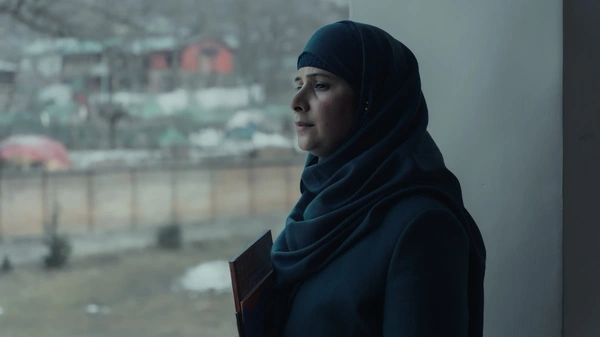
The final showdown, complete with a twist that is surprising in its own way - which seems to recall certain cinema by Guillermo del Toro - and where all the loose ends are finally tied up, builds to a significant crescendo, managing to skillfully combine genre dynamics and emotional impact, regaining cohesion and showing how the previous runtime would have benefited from greater narrative consistency. We are thus faced with a film that is certainly fascinating and full of ideas, but formally imperfect.
Gallery
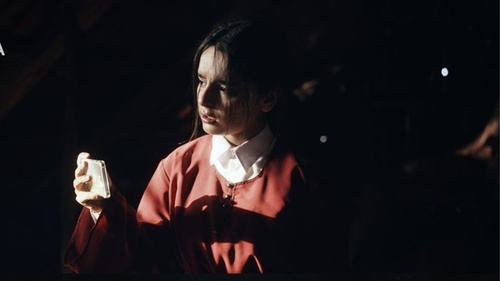
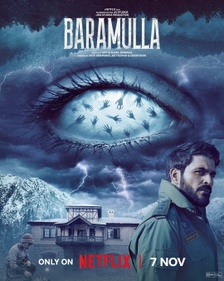
Score
Editorial team
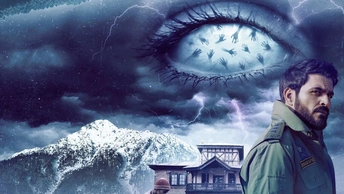
Baramulla: An Indian Thriller/Horror Blending Social Commentary and Genre Entertainment
A film that divides, Baramulla is fascinating and controversial, rich in ideas that are perhaps not fully exploited. A technically well-made supernatural thriller, with sumptuous cinematography and moments of genuine tension, but also a story overloaded with ambitions not always realized, which tries to say too much, ultimately dispersing its narrative strength in a thousand directions. The attempt to combine social commentary and genre entertainment is commendable, but it would have benefited from greater finesse in the screenwriting phase, with a couple of successful plot twists and the purely horror element that sufficiently elevate the pace and suspense to guarantee two hours that are nonetheless not to be dismissed.
Similar articles
The Sinking City 2: Frogwares Changes Genre and Delivers

Disclosure Day Review: Spielberg Returns to Aliens and Delivers an Unmissable Sci-Fi Thriller
Digital Dragons 2026 - Bloober Team Conquers the Horror Genre with Grzegorz Wilczek