Steam Machine Delayed: Blame the AI Market
Prices and availability have changed since November
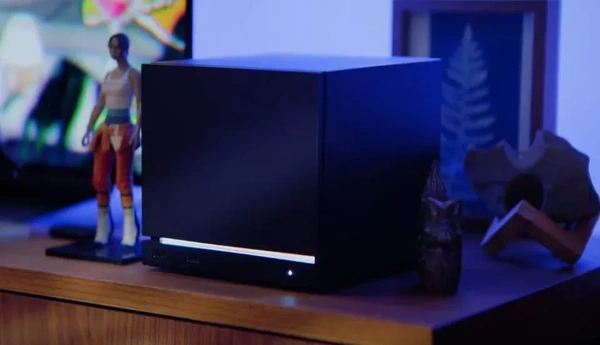


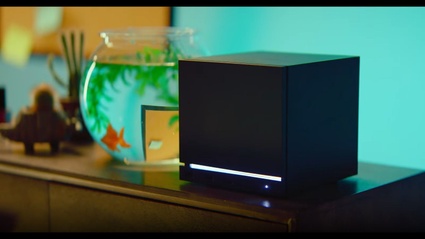
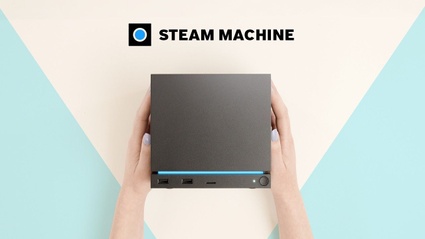
Steam Machine, the new PC-architecture machine designed by Valve specifically for gaming, was promised for release at the beginning of this year 2026, a commercial term indicating the first quarter, i.e., by March. Now that it's already February and no dates or prices have been announced, Valve gives in and confesses to not being in a position to exploit this window.
In a post published yesterday on its Blog, Gabe Newell's company announced: "When we announced these products in November, we planned to be able to communicate specific launch dates and prices at this time. But since then, the memory and media shortages you've probably heard about within the industry have grown rapidly. Limited availability and surging prices of these critical components have required us to revise our distribution and pricing schedule, especially concerning Steam Machine and Steam Frame."
The memory and processor crisis affecting the industry is mainly linked to the current exponential growth of the market related to Artificial Intelligence, and thus the recent assurances from AMD, Valve's partner in product development, that their production lines are perfectly on track, are of little avail. In any case, Valve's forecasts are not tragically pessimistic and speak of a delay of a few months but still within the first half of 2026.
Steam Machine Supports the Majority of Games
The blog post was also an opportunity to provide some additional information on the machine's performance: according to Valve, Steam Machine is already perfectly compatible with the "majority of games" available on the platform.
"During our tests, the majority of Steam titles run excellently in 4K at 60 FPS with FSR on Steam Machine. That said, there are some titles that currently require more upscaling than others and that might be preferable to run at a lower framerate, with VRR to maintain an internal resolution of 1080p. Meanwhile, we are working on HDMI VRR, examining improved upscaling, and optimizing Ray Tracing performance in drivers, so we are approaching the issue from several perspectives."
We can only await future announcements...
Similar articles