James Van Der Beek: Not Just Dawson, Between Nostalgia and Memory
Hours after the passing of the beloved actor, we remember him in a special feature reflecting on his career and the iconic series that defined the millennial generation.
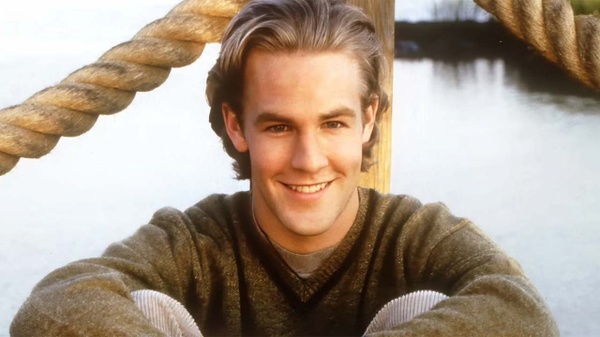


The news began to spread yesterday evening, and even those who went to bed early surely knew this morning, as it flooded social networks and internet news: the passing of James Van Der Beek, remembered by the general public for his role as Dawson Leery in the cult series named after the character, deeply affected, in particular, the millennial audience who grew up with his romantic tribulations.
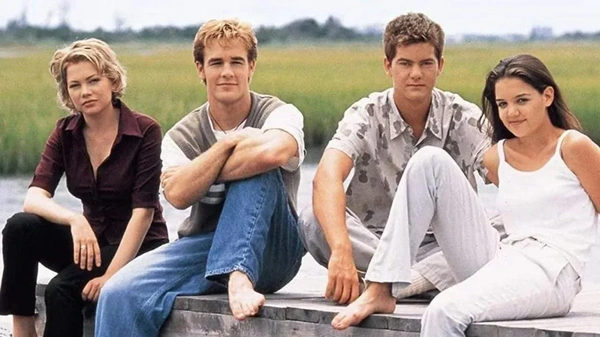
He, Joey, Pacey, and Jen – not to mention all the more or less secondary characters – accompanied those who grew up in the eighties and nineties for a long time, in those afternoons when, returning from school, they would turn on the television, identifying with their first crushes and the adolescent turmoil that everyone has experienced at least once in their life.
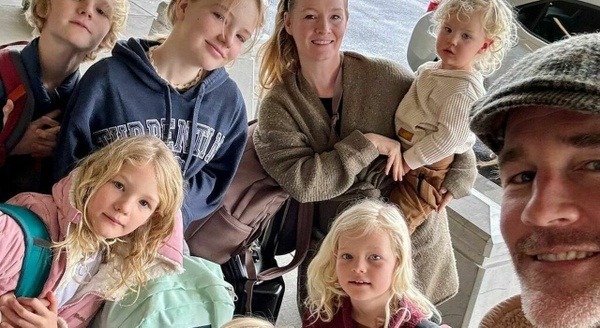
There is something profoundly unfair in the fact that James, who for six seasons embodied relentless optimism and unwavering faith in dreams, left us at only forty-eight years old, struck down by colorectal cancer that he had fought with the same stubborn determination that characterized his iconic alter ego. The news, released by his wife Kimberly Brook, mother of their six children, comes as a punch to the gut for those who built their romantic imagination on the shores of Capeside, a fictional town that for most of the series was the stage for four teenagers trying to figure out who they were and what they wanted to become.
Capeside, Capital of the World
It certainly wasn't a bolt from the blue; the actor's illness had been known for some time, as had the expensive medical expenses he had to bear in an America where healthcare can become complicated and costly even for those who should have money. But the actor's own statements and his travels to raise awareness about the disease and help others in his same condition had given hope for a potential recovery, unfortunately disproven by the facts that only a few hours ago shocked colleagues and millions of fans around the world.
For this writer, Dawson represented a kind of unique figure in the television landscape of the time, a character with whom to identify more than ever: passionate about cinema, deeply idealistic, in love with his best friend with whom he built a back-and-forth that lasted for all seasons, until that epilogue that disappointed some and satisfied others. And Van Der Beek, despite all his contradictions and that particular expressiveness, which later gave rise to several very popular memes on the web, had put much of his sensibility into this young cinephile, as evidenced by today's statements from those who had the opportunity to work with him.
After all, anyone who has seen Dawson's Creek knows that the series was not simply another teen drama. Created by Kevin Williamson, the same screenwriter/father of the Scream (1996) saga, the series tackled issues of sexuality and identity with a frankness and articulation that American television had never seen before in such young characters. More idyllic than Beverly Hills 90210 and less cynical than later operations like Melrose Place, it carried a breath of lovable sweetness and melancholy, which resonates even more now for those who, with memories, are moved to recall those dreamy atmospheres.
And there was Dawson, an aspiring filmmaker who devoured Spielberg's films and looked at the world through the lens of the Seventh Art, an eternal romantic who believed in love as much as in movies and who idealized his soulmate Joey as a muse from whom to draw inspiration. A character who paradoxically trapped the actor, who remained enslaved by him even after the series concluded but was able to play with it with surprising self-irony: just think of his participation as himself in the twenty-six episodes of Don't Trust the B---- in Apartment 23 or the hilarious version seen in the diptych of Jay & Silent Bob's solo misadventures by Kevin Smith, among the first to remember him with a touching post on social networks.
Not Just Dawson
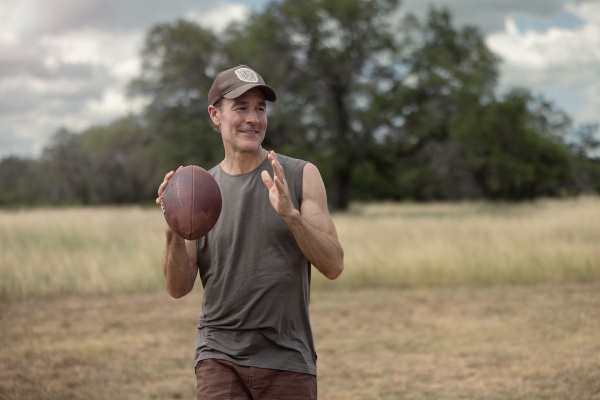
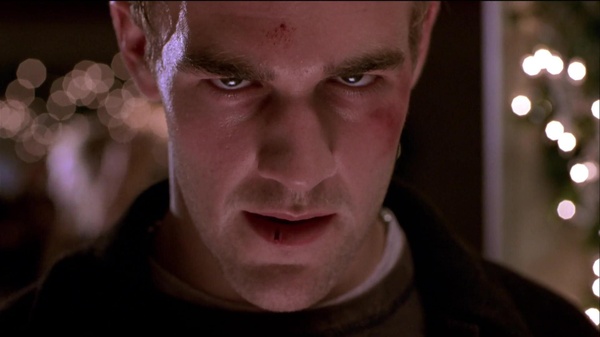
And while many mention another iconic role for the teen audience, namely the football player – of whom he was a great enthusiast – in the small cult film Varsity Blues (1999), his best performance, capable of convincing audiences and critics almost without reservation, remains that in The Rules of Attraction (2002). There he played the borderline Sean Bateman – younger brother of Patrick, played by Christian Bale in American Psycho (2000), and equally unhinged: morally compromised, drug addict, and manipulative, but also in search of a reciprocated but unblossomed love. A kind of dark version of the coming-of-age journey experienced in Capeside, which allowed Van Der Beek to explore the dark sides of his expressiveness with total passion and intensity, creating a tormented bad-boy who is not forgotten.
Yet none of these attempts ever truly managed to erase the image of Dawson Leery. James had created a character so imprinted in the collective imagination that anything he did afterward would inevitably be compared. Everything always and anyway led back to Dawson's Creek, to those sunny afternoons and those evolving feelings, to that age where everything seemed possible and death so distant and inexplicable. But life, as we know, is not fiction, and today for many of us the feeling is not that of having simply lost an actor but a piece of our own adolescence, a friendly face that had been present in our daydreams about what adult life would be like.
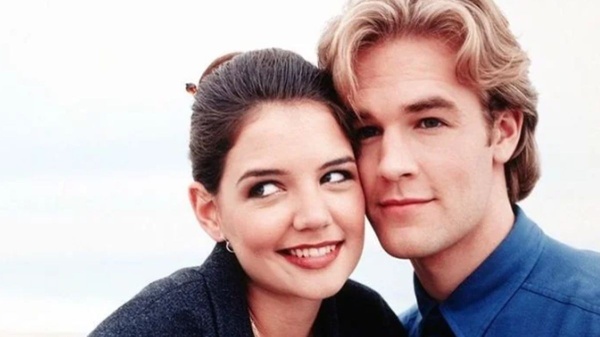
Dawson's Creek had promised us that that brief span of existence was fundamental, that our exaggerated emotions and our often wrong choices deserved to be taken seriously, that it was possible to grow up without completely losing the desire to dream and the capacity for wonder. Today a part of us is gone and leaves us with nostalgia not only for a television series that entered our hearts and memories, but for that version of ourselves that no longer exists, that believed in the impossible and always carried that spark of unwavering hope that Dawson had in his eyes every week. And that line from the theme song that says "I don't wanna wait for our lives to be over, Will it be yes, or will it be sorry?" appears today even more bitter and touching.
Similar articles