Valve Revolutionizes Its Ecosystem: Steam Machine, Steam Frame, and the New Steam Controller
The Steam giant launches its second generation of hardware: the powerful Steam Machine console, the Steam Frame VR headset, and the new Controller to expand gaming into the living room and beyond, with a debut expected in early 2026.


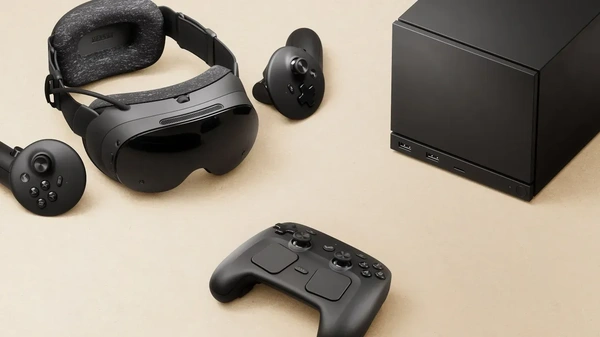
Valve has finally unveiled its new hardware lineup, confirming months of rumors. After the success of the Steam Deck, the company aims to create a complete ecosystem that embraces traditional gaming, virtual reality, and living room comfort. Three protagonists lead this revolution: the Steam Machine console, the Steam Frame headset, and the revamped Steam Controller. All devices share Valve's typical philosophy of openness, with SteamOS as the core and the ability to install other operating systems, maintaining the flexibility of a PC. The goal is clear: to bring the entire Steam library everywhere, without compromise, and to do so with a compact design and mid-range performance, but aiming for 4K even in the most recent games, compensating for the lack of more aggressive performance with new AI technologies.
Gallery







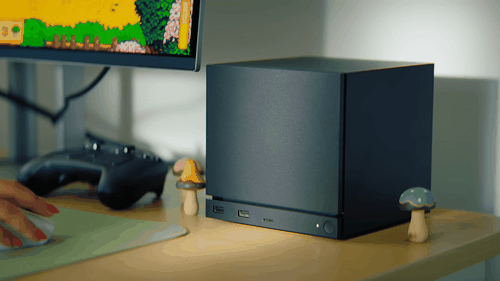




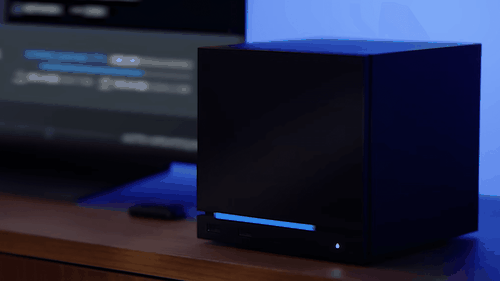
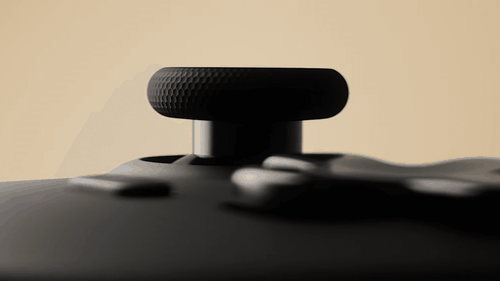
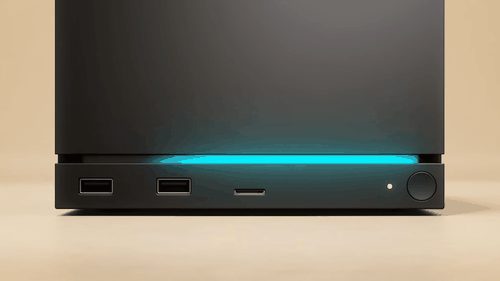
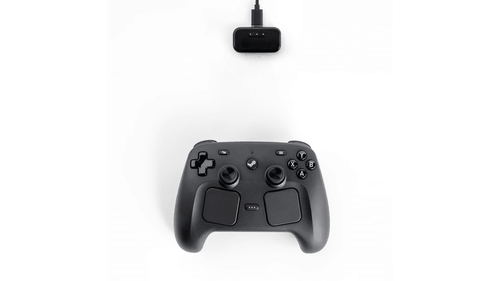
The New Steam Controller: Ergonomics and Precision at the Core
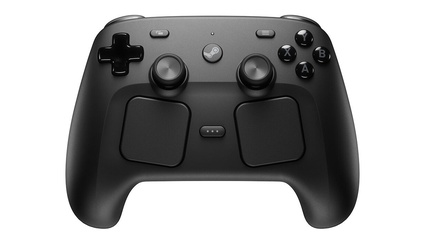
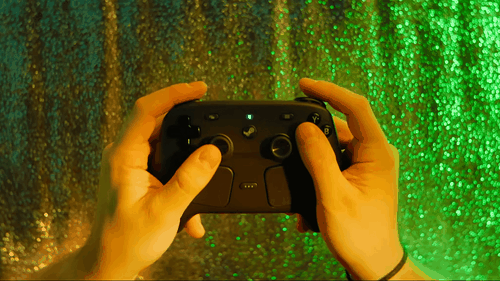
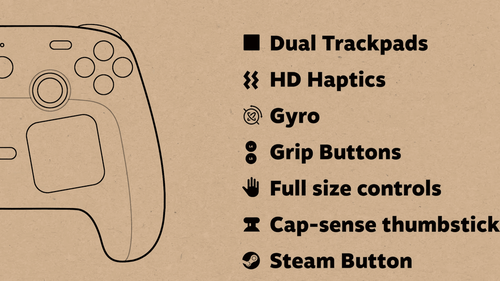
Valve has learned from past mistakes and redesigned its controller to offer a more complete and intuitive experience. The new Steam Controller inherits some features from the original Steam Deck – an experience I personally had, but never quite got used to – such as trackpads and grip buttons, but introduces high-precision magnetic thumbsticks, gyroscopic sensors, and a layout designed to ensure full compatibility with all games on the platform. Haptic feedback has been meticulously refined, with an ergonomic design that aims to replace the mouse when gaming from the couch. Furthermore, the controller integrates IR LEDs to be tracked by the Steam Frame headset, allowing the virtual model to be displayed during VR sessions or in giant screen mode. It's a device designed to be universal: it works with PC, Steam Deck, Steam Machine, and Steam Frame, creating a bridge between all gaming experiences... but the price will certainly have a significant impact.

Steam Frame: The New Frontier of Virtual Reality
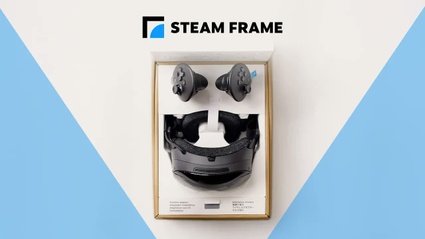
The Steam Frame headset represents Valve's most ambitious proposal. It's not just a successor to the Valve Index, but a device that eliminates the barriers of traditional VR. Thanks to the Snapdragon 8 Gen 3 chip, 16 GB of RAM, and SteamOS, the headset can run games in standalone mode, without the need for a PC. For those seeking maximum graphical fidelity, a 6 GHz wireless connection via a dedicated dongle is available, ensuring low-latency streaming. New pancake lenses and 2160 x 2160 LCD panels per eye offer superior sharpness, while a variable refresh rate between 72 and 144 Hz ensures fluidity. Valve also introduces foveated streaming, a technology that concentrates visual quality where the user looks, reducing bandwidth consumption and improving rendering. The design is modular: the rear strap houses the battery, speakers, and microSD slot, while the main body integrates optics and the processor. Weighing only 435 grams, Steam Frame is lighter than many competitors, such as Meta Quest 3, and aims for an immediate experience: just put it on and play, without complex setup.

Steam Machine: The Return of the PC Console
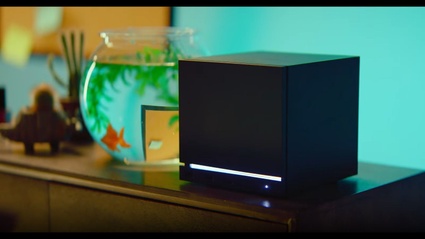
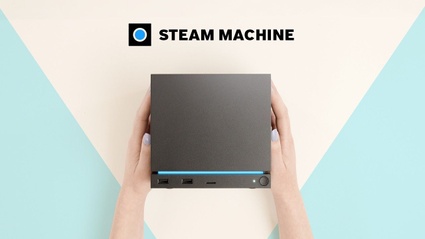
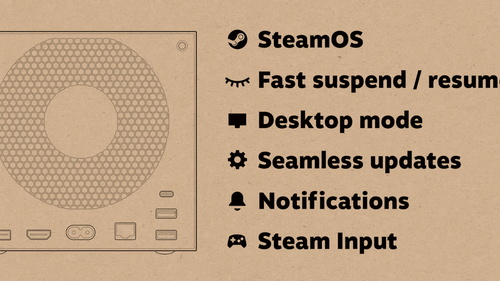
After the flop of the first generation, Valve is trying again with a completely revamped formula. The new Steam Machine is a compact cube, about 16 cm per side, designed for the living room but with the power of a gaming PC. Inside, we find an AMD Zen 4 six-core CPU and a semi-custom RDNA 3 GPU with 28 Compute Units, capable of offering performance comparable to an RTX 4060, with ray tracing and FSR support for 4K at 60 fps. The system includes 16 GB of DDR5 RAM and 8 GB of GDDR6 VRAM, with 512 GB or 2 TB SSD storage, expandable via microSD. Connectivity is complete: HDMI 2.0, DisplayPort 1.4, USB-C, four USB-A, Wi-Fi 6E, and Bluetooth 5.3. Cooling is silent, thanks to a 120 mm fan and an optimized heatsink. SteamOS ensures fast boot-up, instant suspend, and cloud saves, while compatibility with the new Steam Controller is native, thanks to a dedicated antenna. In practice, it's a machine designed for those who want the convenience of a console without sacrificing the freedom of a PC.
With this triple move, Valve is not just launching new products: it is building an ecosystem that unites the PC world with the practicality of consoles and the freedom of VR. Steam Machine promises to take living room gaming to a higher level, Steam Frame aims to redefine virtual reality with a hybrid and immediate approach, while the new Steam Controller seeks to bridge the gap between comfort and precision. If these promises are kept, 2026 could mark an epochal turning point for gaming on Steam, transforming the way we conceive of gaming on PC and beyond.
We await 2026 to understand the prices, which is not secondary, but the quality seems really high and also the project appears much less experimental and much more focused on a precise goal: entertainment without compromise.
Similar articles