Fire and Ash on the Italian Red Carpet of Avatar: Interviews with the "Fiery" Cast of James Cameron's Film
From the Italian red carpet of Avatar: Fire and Ash, the film's actors discuss the set, characters, and the long journey that led to the third chapter of the saga.


Flames rising along the red carpet, steam escaping from the summit of a volcano reaching the glass dome of the Arcadia cinema's atrium in Melzo: for the Italian debut of Avatar: Fire and Ash, Pandora took shape a few kilometers from Milan in a high-level national premiere. A spectacular setup, designed to convey the imagery of this new chapter of James Cameron's saga from the very entrance and transform the premiere into a truly grand "fire and ash" themed event.
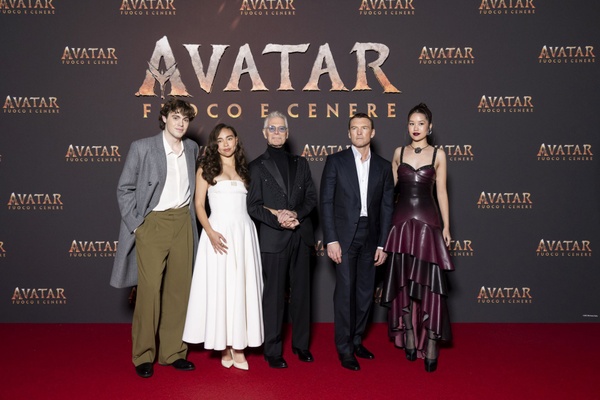
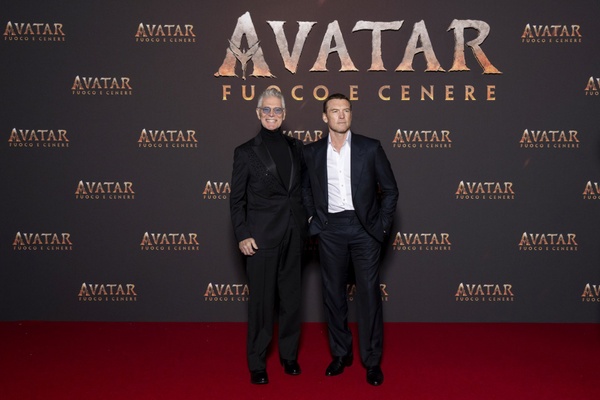
The American cast of the film arrived in Milan, reunited to discuss Fire and Ash and the long journey that led to the birth of the third chapter of Avatar. On the red carpet were historical faces of the saga, such as Sam Worthington and Stephen Lang, alongside new recruits who joined the franchise at a young age and have now grown up with their characters. A collective presence that well illustrates the nature of Avatar: a project that spans years, technologies, and the lives of those who portray it.
Gallery



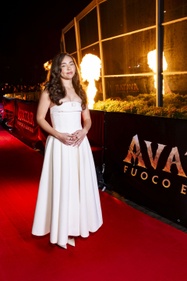
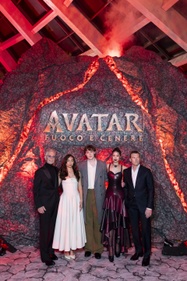
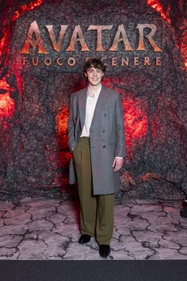
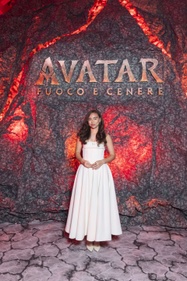
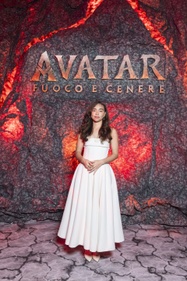
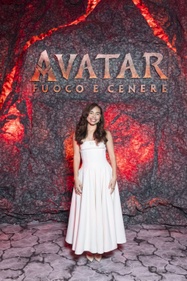
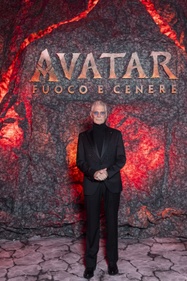
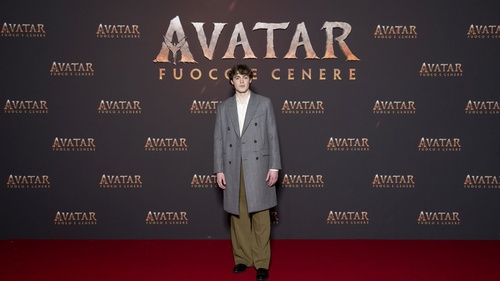
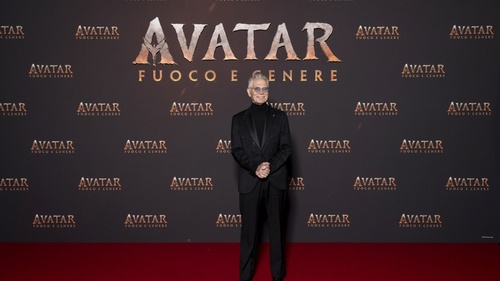
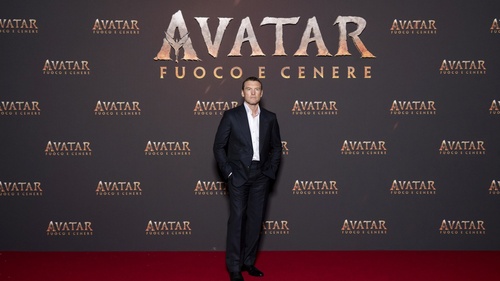

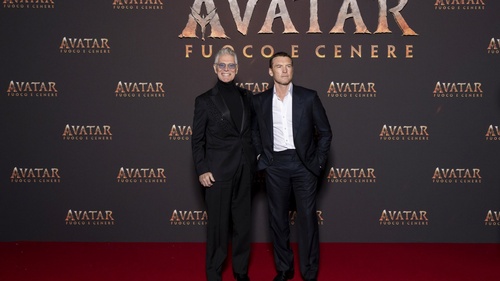
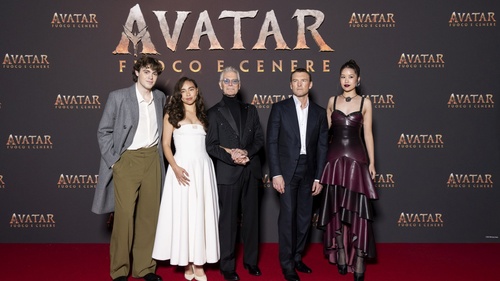


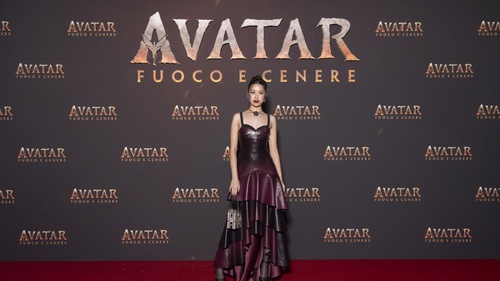

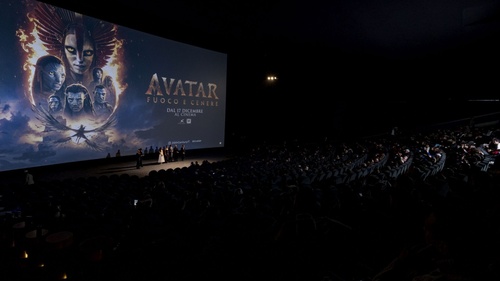
During meetings with the press, the actors revisited their work on set, the evolution of their characters, and memories tied to an experience that spanned years, including performance capture, filming in New Zealand, and an extraordinary physical and emotional involvement. From the relationship between Trinity Jo-Li Bliss and Oona Chaplin in building the new villain Varang, to reflections on the moral complexity of the characters and the idea of cinema as an immersive experience, here's what the cast of Avatar: Fire and Ash shared on the film's red carpet.
Jack Champion on "Human" Filming in New Zealand
When my character was Na’vi, in the second film, I worked for two years in performance capture with the cast: we were all there, completely immersed in this very particular acting technique and technology.
Then I went to New Zealand to shoot practically all the live-action parts you see in this film. Instead of being in a gray space, we were on real sets: on a stage with real moss, real grass, logs I could do parkour on. I had a wig, the costume, the loincloth.
The biggest difference for me was not having other actors to act directly with, apart from the crew, who were incredible in giving me maximum support. I had to act based on the performances others had done years before, with James helping me to “dialogue” with it by showing it to me on an iPad. So often I was acting with puppets or tennis balls as my only reference. It’s work that greatly develops inner imagination.
I was cold practically every day. But you learn to live with it. The human body is incredible, it’s adaptable. As soon as my body understood I was in a cold environment every day, for some reason it started to “warm up” on its own. I almost started to feel warmer, and in the end, I just got used to it.
Stephen Lang on What It Means to Play a Villain
The more complex a character is, the more interesting they are to play. The more complicated, the broader the palette, the more colors you can use to tell their story, and this makes it stimulating for both an actor and the audience.
If I have one wish, it's not to be easy to love or hate as Colonel Miles Quaritch. I don't know if the audience will love the character more in this third film, and it's not something he or I are necessarily seeking, but I am curious about the reactions.
However, I believe the character possesses a certain level of charisma and has always had very admirable qualities. He is an effective leader, he leads from the front, he demonstrates courage, he is loyal to his species and his subordinates. These are characteristics that should not be underestimated.
Sam Worthington on Avatar's Audience "University"
I don't believe there's any difference when it comes to Avatar between one nation and another, between the United States and the rest of the world. We hope to have told a universal story, a film about connection between even very different beings, about how we are all united on this planet, and it's a theme that, I hope, resonates everywhere.
Perhaps that's why, when I travel the world, no matter where I am – Milan, Australia, America, Indonesia – I always run into someone who has seen Avatar or has been touched by it in some way. We hope to be able to keep this connection alive.
Bailey Bass on Who James Cameron Is for Gen Z
When people say that Avatar is unlike any other film, they're not just referring to the technological advancements. That's James Cameron's work, it's what he does best. The real difference lies in the emotional connection: we have an enormous amount of time to spend with the characters, and this makes them more real than those in many other films. I'm excited for audiences to return to the cinema to discover what happens when the Na'vi clans face destruction.
Speaking of the cinema experience for new generations, I believe it's crucial for directors and creators to continue breaking boundaries, opening new doors, and telling stories we've never seen before. We've been on this planet for a very long time, and there are still so many stories to tell. Hollywood isn't over: it's just about giving the right opportunities to the right people, and Jim continues to do that through the cast he chooses.
One of the things I love most about Avatar is working in such an inclusive environment, with so many people of color in front of and behind the camera. The saga allows us to see very different stories told within a vast universe, and that's what makes it truly special.
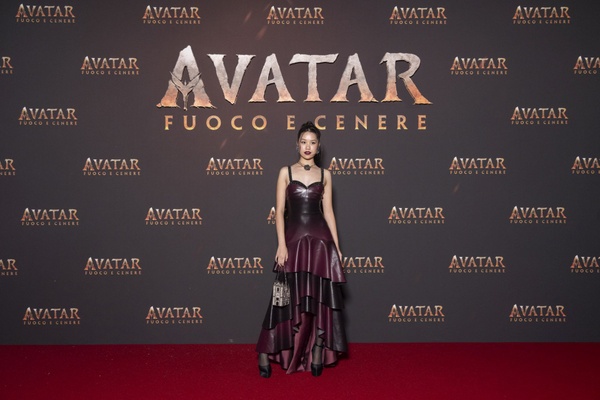
Trinity Jo-Li Bliss on the Film's Villain, Varang
This morning at the press conference, we were talking about female empowerment, and I find it to be a truly beautiful theme. In Avatar: Fire and Ash, there are not only warriors "on the right side," but also on the opposite side, and I believe that audiences will be thrilled to discover this new clan, the Ash clan, and this new antagonist.
Varang is a character you hate to love and love to hate at the same time: everything is intertwined, and that's precisely what makes her so magnetic. She is an incredibly powerful figure, and every time she's on screen, I can't look away.
As an actress and as a person, I adored working with Oona Chaplin, who plays Varang. She is an incredible actress: the way she can go from being a shoulder to cry on to becoming the person who breaks your heart is extraordinary. I cherish all the memories of working with her and I can't wait for the audience to finally discover Varang and her fury, because it is truly overwhelming.
Similar articles