Diablo IV Season 12: The Butcher and the Fate of Sanctuary - Special
A deep dive into the logistics of carnage and the ethics of the marketplace
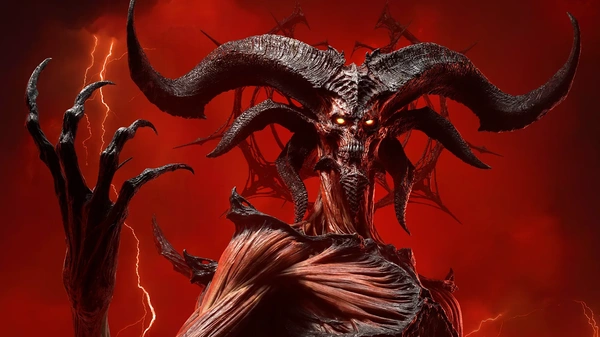


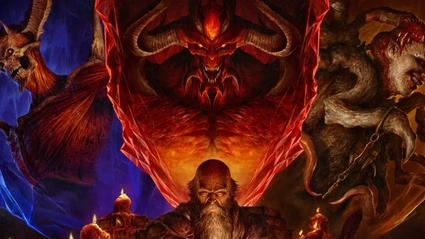
It's 2026, and Sanctuary seems to have completed its definitive mutation: the transition from a dark, suffocating gothic fresco to a high-octane arcade playground where speed is the only currency that truly matters to the modern player. At the center of this Season 12 stands a figure that has haunted our nightmares since 1996: The Butcher.
We're not talking about a simple optional boss or a random encounter in the narrow corridors of a dungeon: the Butcher represents the very embodiment of the primal horror that terrified players in the first, unforgettable chapter of the saga with his chilling scream "Fresh Meat!". Integrating this sacred monster into the seasonal loop is not just a cynical marketing ploy but an operation that smacks of visceral fan-service, bringing to the fore Killstreaks and a mechanical ferocity that draws heavily from the frantic and colorful glories of Diablo 3.
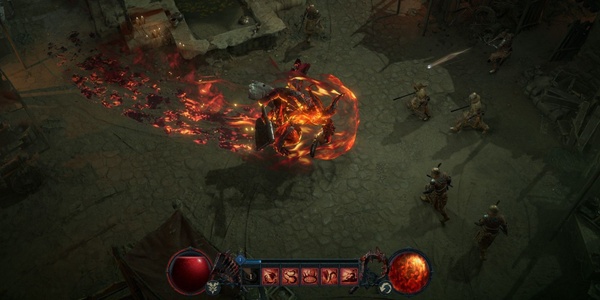
This speed-driven shift transforms the exploration of Sanctuary into a race against time where hit feedback and on-screen effects matter much more than environmental storytelling or dramatic tension. The game forces the player into a constant adrenaline loop reminiscent of the fluidity of more extreme action titles or even the frenzy of Japanese musou games, where the amount of carnage produced per second becomes the primary indicator of success. Season 12 acts as a necessary but turbulent bridge to carry the community towards the imminent Lord of Hatred expansion scheduled for April.
Blizzard finds itself in the delicate position of having to satiate a ravenous fanbase with transient content that must maintain high interest through exaggerated progression and a sense of temporary omnipotence. However, seeing the franchise's identity bend so sharply towards arcade immediacy raises profound questions: are we witnessing a true tribute to cathartic violence, or is it just a technical palliative awaiting the Warlock? Does the Season of Slaughter manage to justify its mechanical brutality, or does it risk collapsing under the weight of its transient nature, which erodes the series' dark roots?
Interpreting the Monster: Becoming the Butcher
The narrative component is barebones, almost as if to emphasize that in this season, only the rhythm of carnage and the efficiency of mathematical systems matter. The pretext of using the power of Hell against itself allows us to step into the Butcher's shoes, reversing the classic predator-prey relationship that has defined the franchise for decades. This transformation is not a random event but comes through careful management of Meaty Offerings, a specific resource collected by defeating elite enemies and world bosses that acts as a catalyst for temporary metamorphosis.
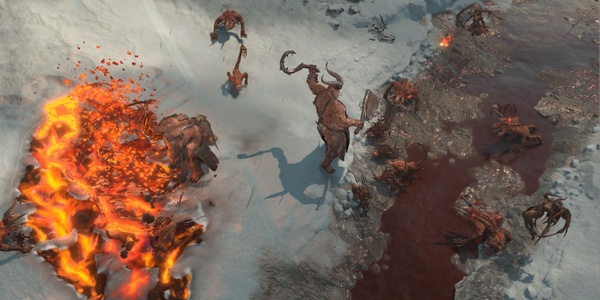
The conceptual culmination of this experience manifests in the Slaughterhouses, instanced zones where we officially play the monster against waves of city guards and groups of AI-controlled "heroes". However, after the initial excitement of the first contact, the mode quickly proves to be a content desert. The final rewards are considered abysmal, and the XP gain is embarrassing compared to the efficiency of Helltides or Infernal Hordes. Once the six entries required to satisfy the Seasonal Journey requirements are completed, the incorrect loot balancing transforms the Slaughterhouses into a tedious appendix to progression that most players choose to ignore entirely.
Fortunately, the variety of the endgame is partially saved by the introduction of new permanent Lair Bosses that refresh the rotation of high-level content for those seeking pure challenge. In addition to the Boss version of the Butcher himself, technical reports highlight the arrival of the Broiler, a bloody and empowered variant strategically located in the beating heart of Gea Kul. Challenging this infernal guardian requires meticulous preparation: the player must accumulate 8 Pounds of Flesh, an summoning material exclusively obtainable by participating in the various Bloodied Activities scattered across the game map.
The Broiler draws from the Bloodied Butcher's loot table, offering unique equipment pieces that are fundamental for end-of-season builds. Fighting the Broiler requires careful positioning that momentarily breaks the frenzy of Killstreaks, offering a rare moment of tactical challenge that justifies the time investment needed to farm the materials. However, there remains a feeling of "artificial" longevity: an experience full of adrenaline but potentially ephemeral, where the frustration of an unlucky drop weighs double due to the impending April deadline and the total system reset that will accompany the expansion.
Logistics of Carnage: Was I Lucky to Choose the Build for My Barbarian?
The beating heart of the gameplay experience is undoubtedly the Killstreak system, explicitly inspired by Diablo 3's Massacre mechanic. In this twelfth season, the Killstreak timer has become extremely punitive, leaving very few seconds of breathing room at high levels between kills before the multiplier resets completely.
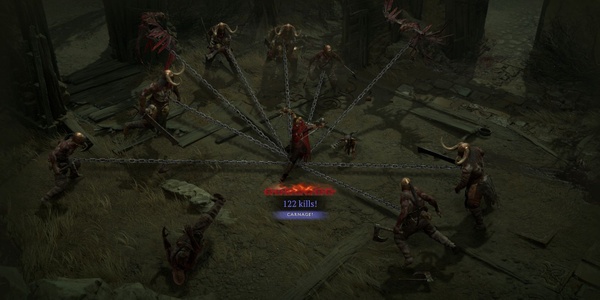
In this ecosystem of serial destruction, the Barbarian's Whirlwind build emerges as the superior logistical choice for a purely technical reason: movement never stops. While builds like the Sorceress's or Druid's often have to stop, even for fractions of a second, to cast complex spells or static attack animations, risking the timer expiring and losing the precious 8x XP multiplier, the Barbarian traverses the map like a perpetual, uninterrupted cataclysm.
Thanks to the synergy with the Tec Rune, the Barbarian generates up to ten simultaneous Earthquakes while spinning, passing through monsters without any physical obstacle thanks to the Unhindered status. This ability to maintain uninterrupted mobility allows for chaining mob packs with surgical precision, maximizing seasonal bonuses in a way that more static builds cannot physically replicate. Although the Blessed Shield Paladin remains the absolute benchmark for static damage and pure survival in the game's final content, the Whirlwind Barbarian dominates time, transforming farming into a military logistics operation where stopping is not an option.
However, pay extreme attention to the Pit of Trials. Exceeding Pit level 100 automatically and permanently updates drops to Blood-soaked Sigils, raising the world difficulty to extreme levels that can completely invalidate farming for those who do not have an ultra-optimized build or do not play a Paladin. This threshold represents a point of no return that every player must carefully evaluate before proceeding beyond the hundredth stage.
The Marketplace and the DOOM Event: Blizzard, Why Don't You Lower Prices?
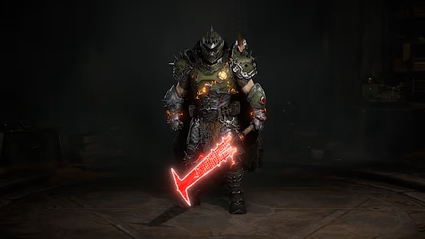
At a historical moment when Sanctuary welcomes the brutal aesthetics of DOOM: The Dark Ages, the crossover appears as a perfect stylistic marriage: the iconography of the Doom Slayer blends magnificently with Diablo's infernal atmospheres, creating a visual union that many players have dreamed of for years. The skins available in the Reliquary Battlepass are visually breathtaking and rich in valuable technical details, but the economic management of the Marketplace raises a necessary and profound criticism: the cost of a single cosmetic bundle is now comparable to that of an entire high-quality indie video game, like the recent and acclaimed Expedition 33.
This imbalance creates an ethical and psychological friction that is difficult for the player base to ignore, especially in a transitional season that should focus entirely on retention in view of the expansion. From a long-term growth and stability perspective, a more accessible pricing policy could attract a much wider segment of users, transforming the marketplace from an entry barrier for a privileged few to a hub of aesthetic expression for the masses.
Currently, the latter seems to cater exclusively to a narrow niche, ignoring that a significant reduction in costs would make the game a more welcoming and inviting ecosystem for new players who are approaching Sanctuary for the first time in anticipation of 2026. If Blizzard wants Diablo IV to become a lasting and vibrant social hub, it must understand that aesthetic accessibility is a powerful lever to increase the active player base: a less prohibitive Marketplace would transform the purchase of a skin from a questionable and often criticized luxury into a gratifying and shared form of community support rather than a factor in alienating potential new heroes.
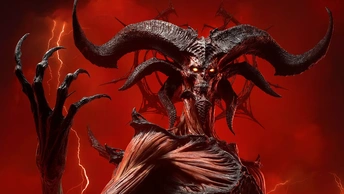
Diablo IV Season 12: The Butcher and the Fate of Sanctuary - Special
Season 12 is a risky experiment that succeeds in terms of immediate fun and adrenaline rush, especially thanks to the ability to unleash the Butcher's fury and the logistical fluidity of the Whirlwind build. The arcade dynamism offered is a sincere homage to the franchise's past speed, even if it clashes with the structural emptiness of modes like the Slaughterhouse and a reward balance that isn't always commensurate with the effort required. The DOOM event adds undeniable charm and superior aesthetic quality to the production, but the marketplace's economic barriers remain a significant obstacle to the full democratization of the customization experience.
Similar articles