D&D × World of Warcraft: Official Manual Preview — How Azeroth Becomes a Tabletop Campaign
Reworked dungeons, multi-phase bosses, Chromie for time travel, and narrative loot: Wizards of the Coast and Blizzard show how to transform the ultimate MMO into the most ambitious D&D manual ever made.
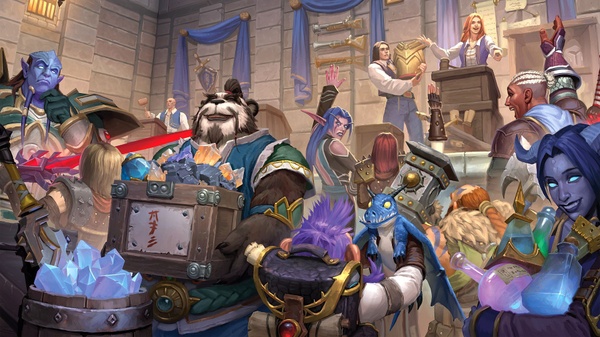


Transporting the narrative universe and dynamics of World of Warcraft into the Dungeons & Dragons system represents one of the most stimulating game design challenges in today's role-playing landscape. While the imagery of Azeroth offers an invaluable heritage of lore, factions, and iconic creatures, its translation into D&D requires a profound structural re-elaboration. The fundamental difference lies in the shift from an often linear, frantic, and algorithm-driven action video game experience to a tabletop narrative that must make flexibility, exploration, and player agency its foundational pillars.
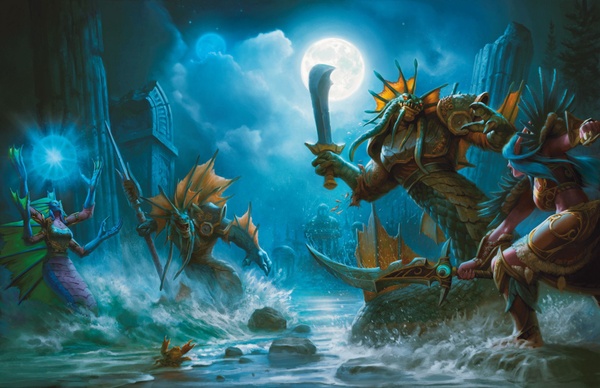
The ultimate role-playing game merges with the ultimate MMO
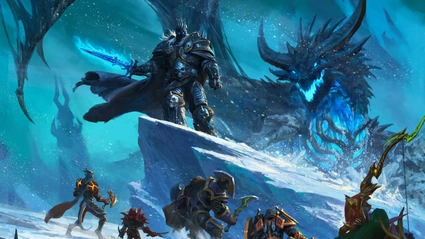
To build a solid campaign, the first design operation involves mapping the continent and integrating Azeroth's chronology. The entire territory is traditionally divided by associating historical regions with the usual level tiers of the tabletop game: starting areas like Durotar or Elwynn Forest welcome characters in their first steps from level one to four, while high-threat zones, such as Icecrown or the Plaguelands, are reserved for advanced stages of the campaign.
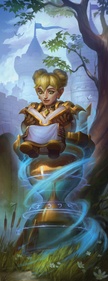
Regarding time management, often extremely complex due to Warcraft's continuous historical events, one of the most effective narrative solutions involves the use of time travel expedients, such as the intervention of the dragon Chromie. This approach grants the Dungeon Master complete freedom to set their sessions in any era of Azeroth's history, eliminating the rigidity of official canon. The narrative engine of the entire adventure is then fueled by the presence of three major underlying tensions — for example, the perennial conflict between the Alliance and the Horde, the threat of the Burning Crusade, or the Scourge of the undead — which simultaneously act as a threat generator and a driving force for the characters' actions.
Gallery
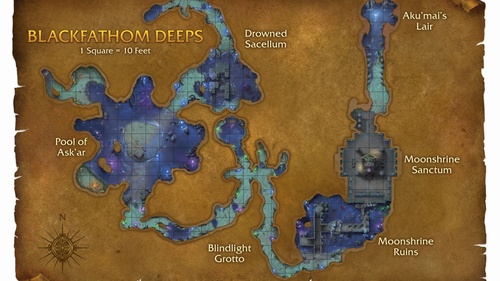
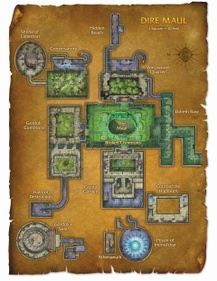
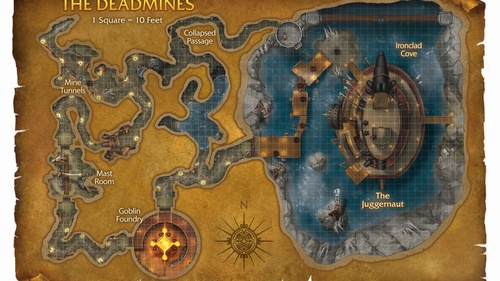
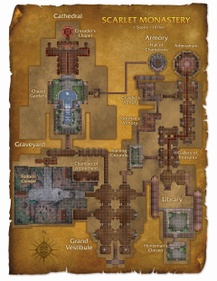
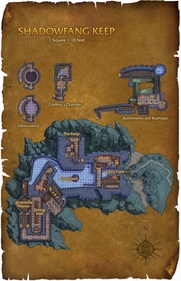
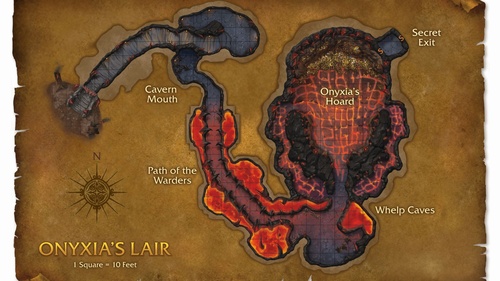
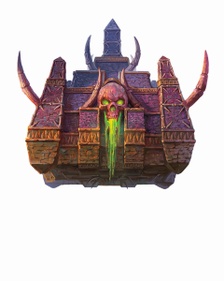
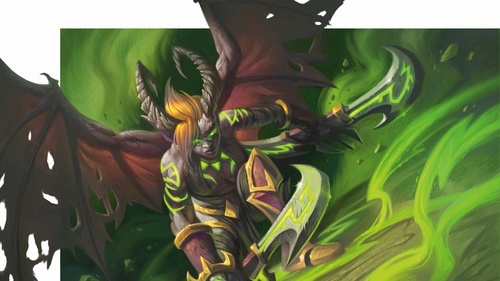
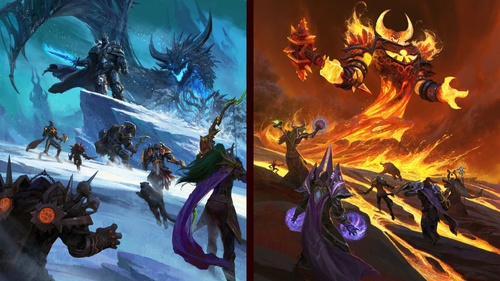
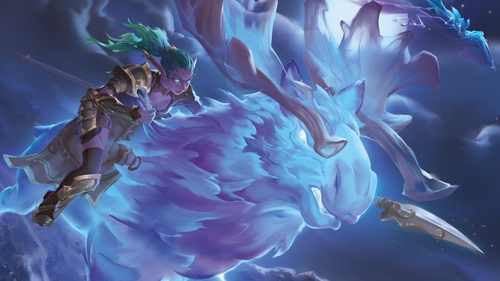
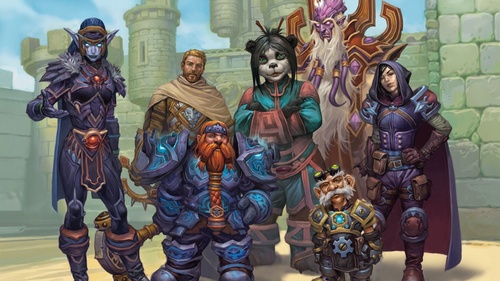
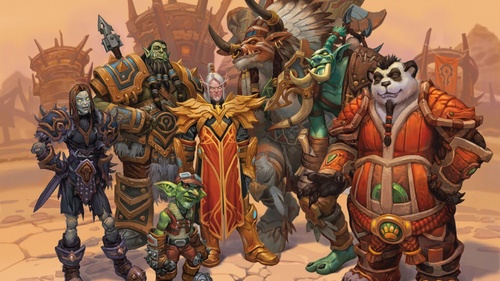
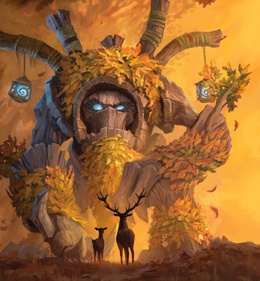
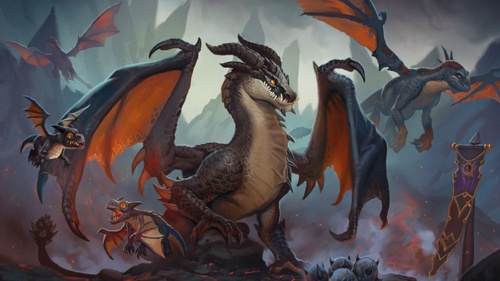
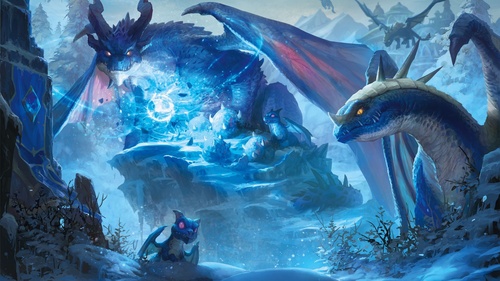
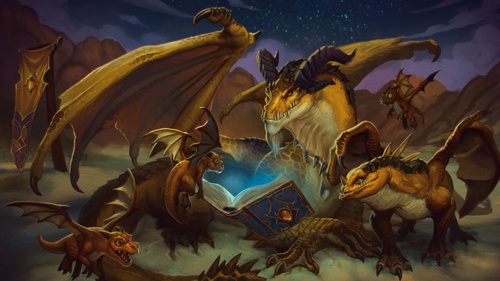
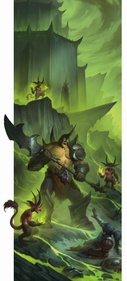
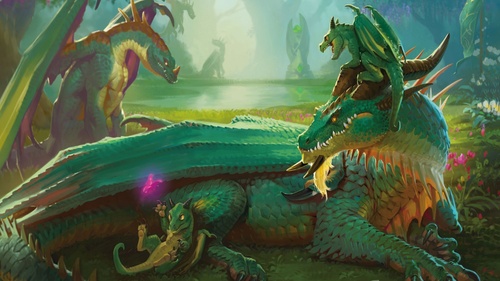
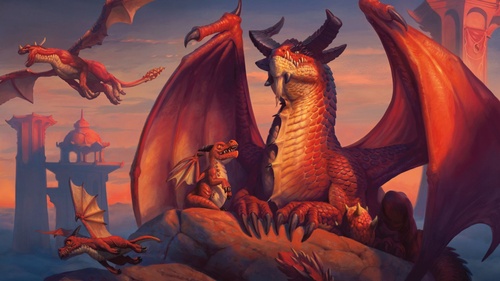
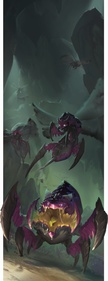

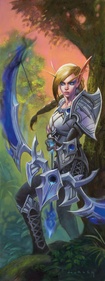
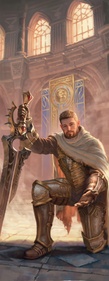
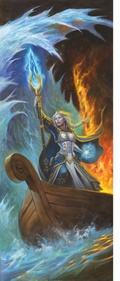
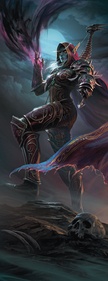
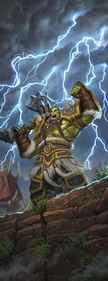
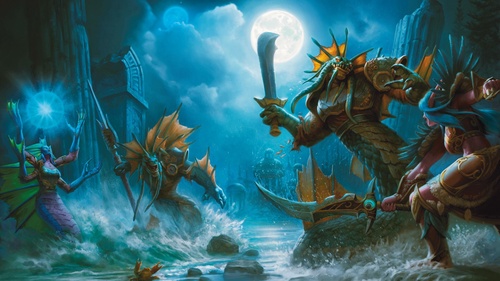
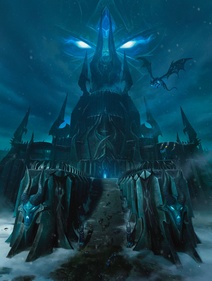
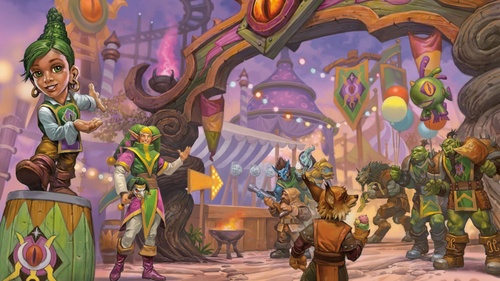
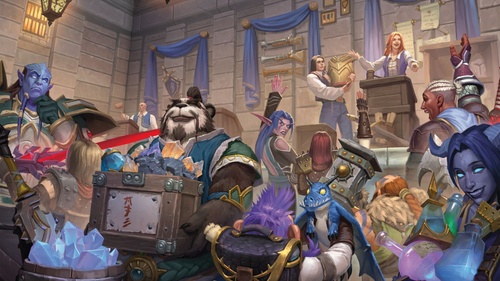
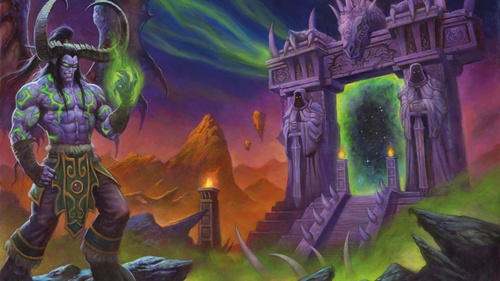
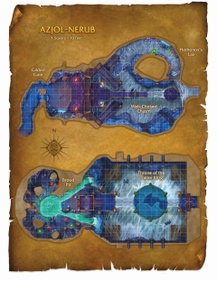
A clear element of discontinuity compared to the video game lies in the conception and structure of dungeons. In MMO video games, instances are often modeled as linear corridors focused almost exclusively on continuous combat. Replicating this structure directly in a D&D session risks creating a repetitive and unengaging experience. For this reason, the redesign of maps requires the inclusion of alternative paths, secret passages, and shortcuts that transform the environment into a true tactical and exploratory space.
Players must have the opportunity to approach challenges not only with brute force but also through stealth, diplomacy, or strategic planning, perhaps even bypassing guards to strike a boss from behind. Similarly, the world within the dungeon ceases to be static: eliminating enemies does not lead to automatic creature regeneration but provokes a reaction in the surrounding ecosystem, where other factions or wandering monsters can reoccup empty spaces, making the game world alive and reactive. All of this is finally supported by narrative hooks tied to the characters' personal stories, moving beyond the simple logic of slaughter aimed solely at resource accumulation.
Depending on the narrative objective and the pace desired for the session, the type of dungeons can vary significantly. Interconnected mega-dungeons offer a broad experience, characterized by a central hub from which various sections branch out. In these complex scenarios, multiple warring factions often coexist, offering the party the opportunity to form alliances, manipulate internal balances, or complete secondary objectives without necessarily exterminating every inhabitant of the structure. Conversely, dungeons designed as direct challenges or "gauntlets" are more linear and focused on a tight sequence of demanding encounters. In this second case, tension is maintained through rigorous rest management and the constant presence of wandering patrols. Finally, boss lairs represent a scaled-down version of raids: essential and circumscribed maps designed almost exclusively to frame a memorable confrontation.
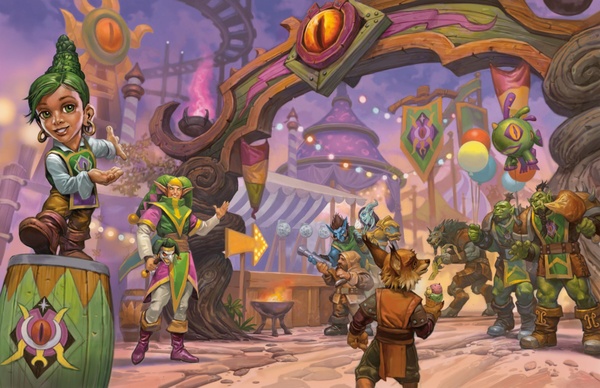
Managing boss encounters and distributing loot represent the last major piece for a successful tabletop transposition. To convey the spectacle and stratification of large video game encounters, the D&D system utilizes mythical boss mechanics. When such a creature's hit points are depleted for the first time, the encounter does not end but evolves: the monster's stat block regenerates, introducing new phases, unprecedented abilities, physical transformations, or lethal alterations to the combat environment. As for loot, the philosophy must necessarily move away from the compulsive repetition typical of MMOs. In D&D, it makes no sense to push players to repeat the same dungeon in the hope of obtaining a rare drop; the reward table is therefore streamlined and essentialized, favoring a reduced number of highly iconic magic items, precisely inserted within the narrative context and delivered directly as a reward at the end of major boss encounters.
Similar articles