The Netflix Series on the Monster of Florence Works Because It Has No Answers or Culprits
Sollima's series on the Monster of Florence works because it starts from the criminal facts and the social climate of the time, without the urgency to point fingers or find its culprit.
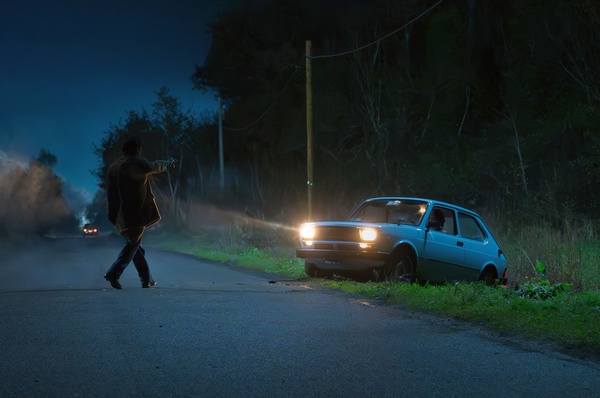


Decades after the crimes, the inconclusive judicial outcomes, and the collective psychosis, the events of the Monster of Florence remain mostly surrounded by unknowns, insecurities, and a lack of fixed points beyond the corpses and the horror of the gruesome killings and subsequent mutilations. Yet the dozens of books, podcasts, and video essays published each year on the subject (whether authored by esteemed scholars of judicial documents or amateur "monsterologists" of the latest hour) always start from a solid, granite certainty: that of having identified the culprit, or at least the right lead, or at least being able to exclude some prominent candidates.
Gallery
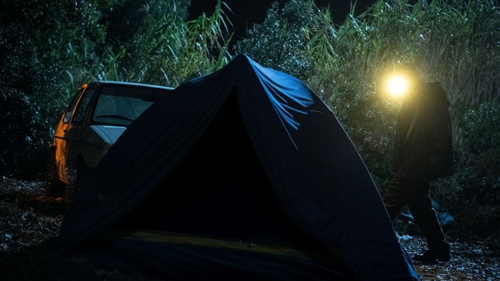
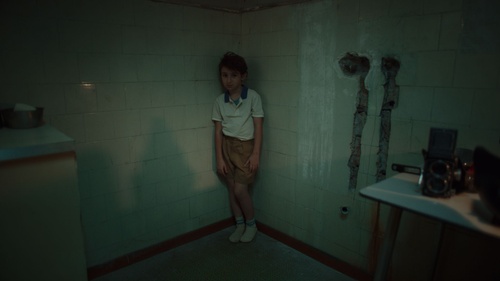
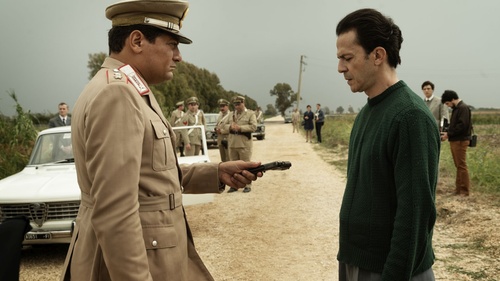
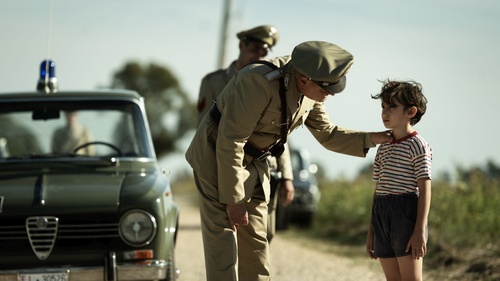
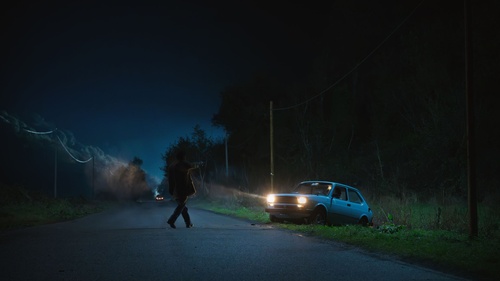
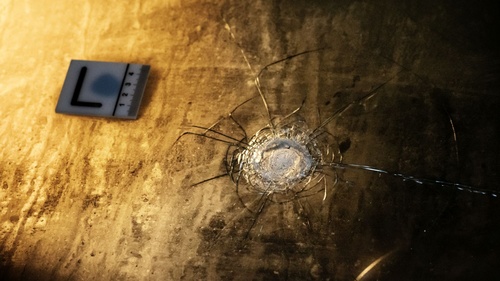
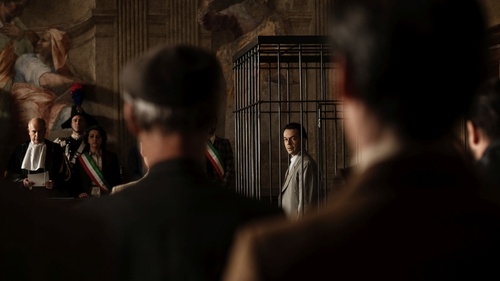
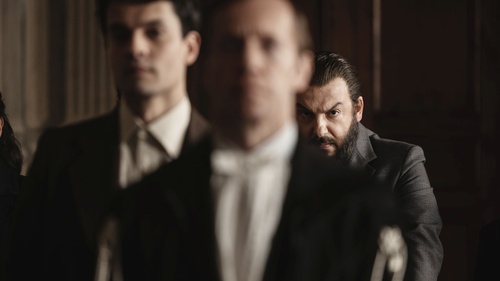
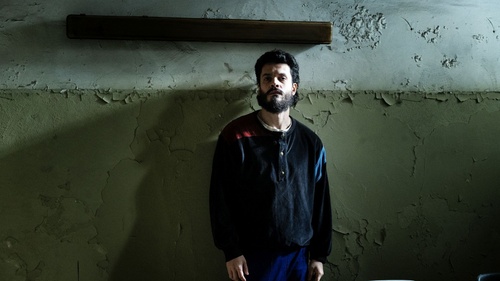
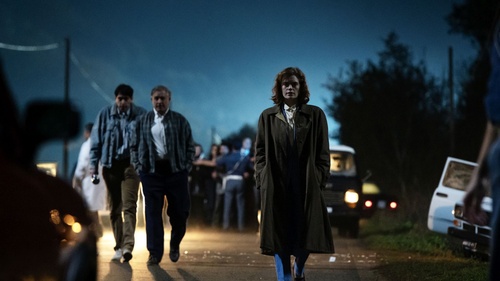
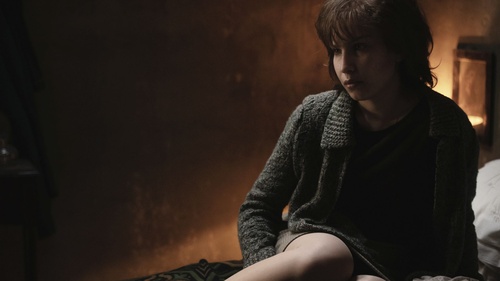
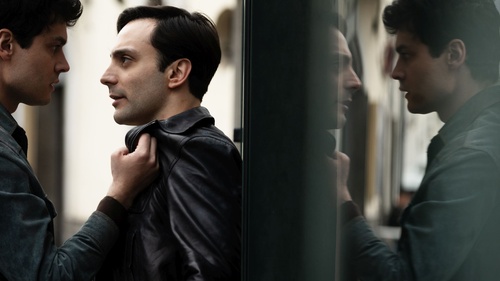
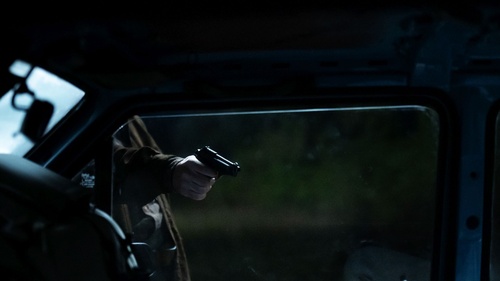
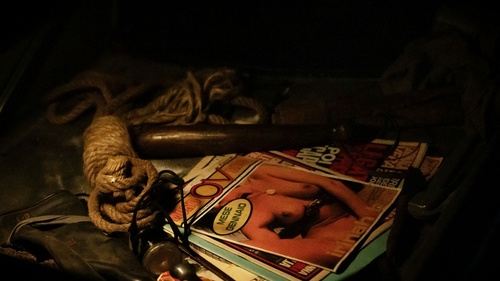
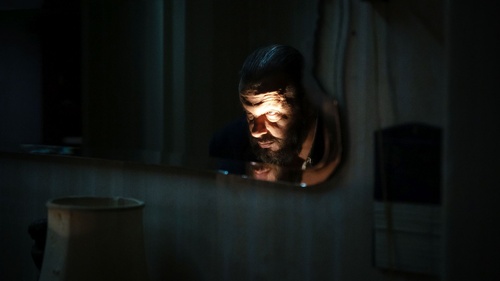
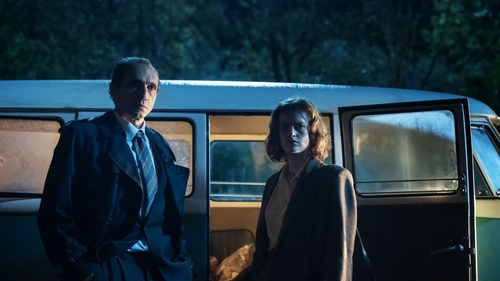
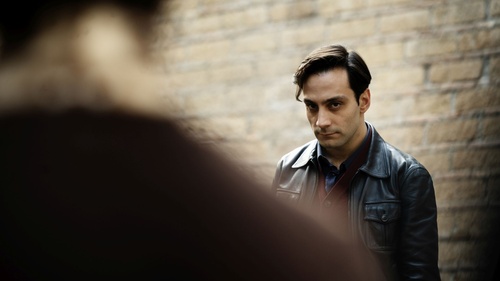
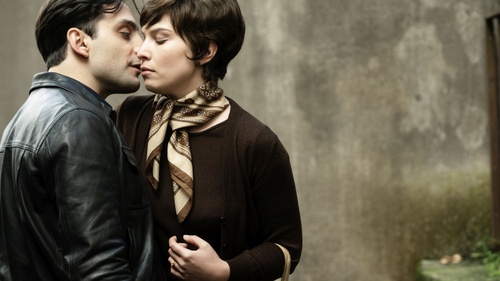
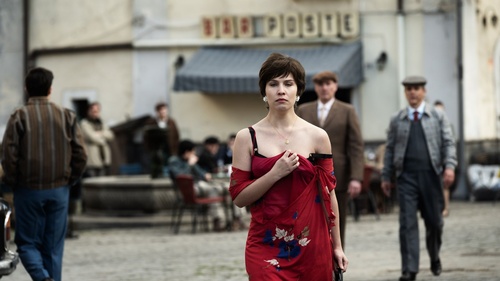
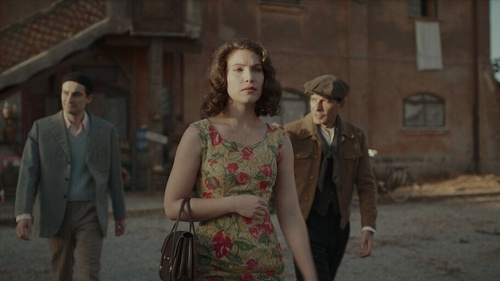
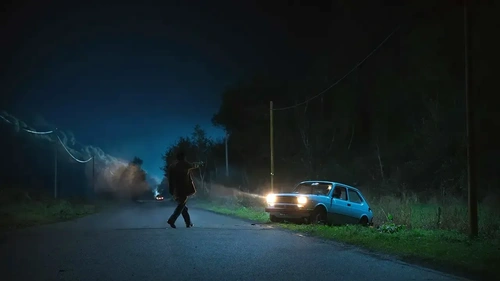
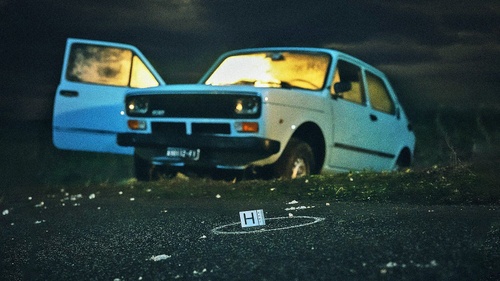
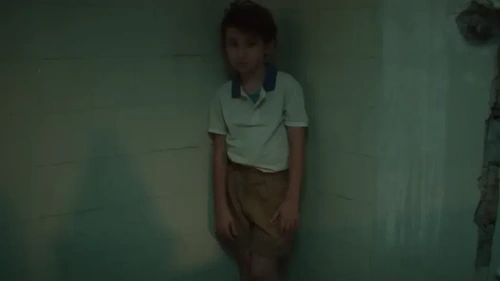
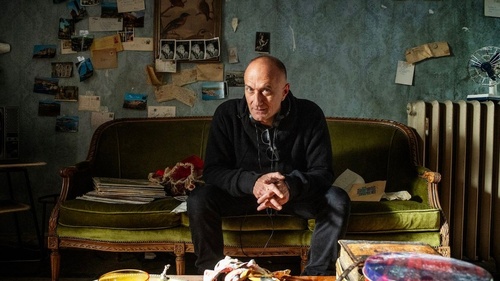
The first season of The Monster focuses on the Sardinian Lead
What distinguishes the Netflix series by Stefano Sollima, created to celebrate the tenth anniversary of the platform's arrival in Italy, in this landscape of conjectures is that it starts precisely from the lack of certainties and continues to move in this direction throughout. For Sollima, in short, the series is an opportunity to start from scratch on a topic that has been talked about endlessly, retracing the long judicial history even before the Monster became such, starting from one of the first developments of the investigations: the so-called "Sardinian lead."
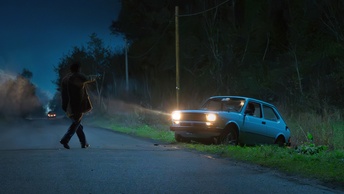
Sollima's Monster, therefore, has no face or name to feed to its audience. On the contrary: over the course of the four episodes that make up the series, the heinous murders recounted in the series see the silhouette and features of the monster change episode after episode, resembling those of the suspect of the moment. The first season of The Monster focuses on recounting how investigators began to piece together the various murders later attributed to the Monster committed in the early 1980s, up to the famous "retrieval" of an old dusty file dating back to 1968, which then became the first recognized murder of the serial killer. Central to the narrative, therefore, becomes the "retrieval" of the killing of Barbara Locci and her lover, shot dead in their car under the astonished gaze of her young son, Natalino.
The series thus moves on two timelines: that of the 1980s with investigators analyzing the positions of four key suspects - Stefano Mele, Francesco Vinci, Giovanni Mele, and Salvatore Vinci each have a dedicated episode - and that of twenty years earlier, where many possible truths emerge about the tragic events that occurred in the lives of the Mele couple, up to the appearance and disappearance of the murder weapon compatible with the barbaric killings of the 1980s.
The Monster has an almost maniacal historical reconstruction behind it
Co-written by Sollima with Lorenzo Fasoli, the result of a meticulous reconstruction effort on set (expert Francesco Cappelletti assisted the crew in the maniacal reconstruction of the killings and other historical aspects of the story), the rigorous approach of The Monster is well summarized by a bitter remark made by one of the suspects. Pointing to an empty cigarette pack, Francesco Vinci comments that crumpling it, emptying its contents, or even taking an untouched package does not change the nature of the object, but its perception by the viewer does.
What he means is that every reconstruction has its internal coherence and sounds absolutely plausible while being told, were it not for the fact that the next episode proposes a very different and equally credible hypothesis and culprit. The only detail that reveals the unreliability of these seemingly solid reconstructions is that they are, in fact, competing and antagonistic. Facts can be rearranged and become an empty, crumpled package. The nature of the elements is what it is, the difficulty is precisely understanding which version actually happened.
The judicial-investigative part, the story of who hunts the Monster and how, is the weakest element of the series. The way investigators talk to each other about the case is both merely expository and heavily reworked, barely touching on the faults of an investigative team that, even considering the technological limitations of the time, handled testimonies and evidence in such a way as to compromise their integrity and relevance. The series also partly recounts the ordeal of young Natalino, subjected from childhood in an orphanage to a myriad of interrogations to try to understand if he had seen and recognized the Monster, if he had been spared by it, and why.
The Monster and the monsters at the heart of Sollima's Netflix series
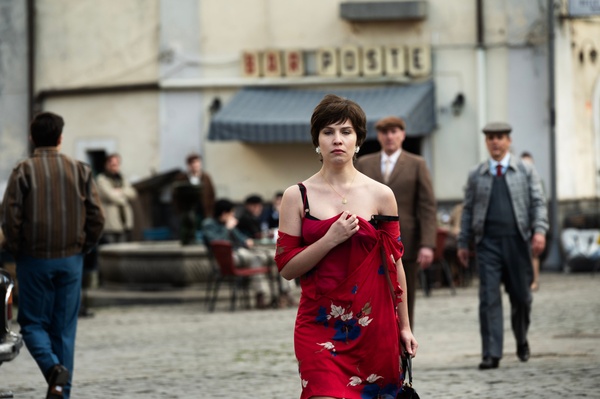
The only traces of didacticism in the series are precisely in the prosecutor's offices. By, for example, eliminating the famous profile drawn by the FBI expert and putting that insight into the central relevance of female victims into the mouth of the only female presence in the investigative team, the series seems to force a modern sensibility onto a very different era. Fortunately, it's an impasse that lasts very little. Having no investigative certainties to give to its audience, Sollima and co-screenwriter Fasoli aim for another truth: that of two socio-cultural eras (the 1960s and 1980s) so hostile to women, so driven by the patriarchal precepts imposed on them, and so obstinate in associating them with property and possession as to create the ideal breeding ground for the monster's barbaric murders and mutilations.
Perhaps we will never know if one of the four possible perpetrators recounted in the first season is, in fact, the Monster of Florence, but all of them are monsters in themselves for how they stain themselves with violence, bullying, and brutality towards the women in their lives. The life of Barbara Locci, for example, judged for her promiscuity in an era when honor killing was not yet illegal, becomes progressively more tragic as the various reconstructions are elaborated in the four episodes of the series. Violence, rapes, bullying by her father, husband, and lovers make her life a hell long, long before the Monster kills her, whatever version comes closest to the reality of the facts.
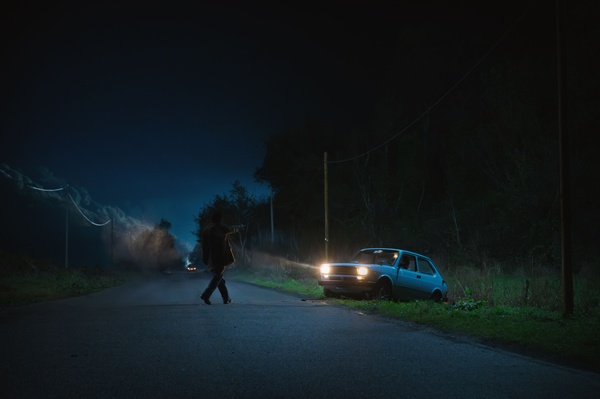
Bolstered by this reconstruction – which sends shivers down the spine because it highlights how the cultural context in which the Monster operated undisturbed is not so tremendously different from the one we live in today – Sollima's The Monster boasts a production with all the trimmings, accompanied by cinematography, music, editing, and a technical department of absolute quality, more akin to a series with international aspirations than the average Italian original productions in Netflix's catalog. To give an idea of the detail we're talking about: Cappelletti was also consulted to understand if, as a historical consultant, he could reconstruct what color the dusty folder from the 1960s was, inside which the first murder linked to the crimes remained hidden for years.
Similarly, the cast impresses with its freshness and the aptness of the semi-unknown faces involved, far from the parade of local stars one would expect for this project. The priority in this case was to find someone capable of managing the Sardinian inflections of the voices of the characters central to the eponymous lead. There's even a kind of post-credit scene that introduces the character of Pacciani like a big Marvel villain, to whom Sollima seems more than ready to dedicate a potential second season.
Without putting the cart before the horse, the fact remains that The Monster is such a well-made story, rigorous in its recounting of crimes and violence, with very clean and careful writing, that it already qualifies as one of the best series of the year, and not just in Italy. Obviously, it is a title reserved for a purely mature audience, although it never indulges in the pornography of violence, seeking to treat the victims of the heinous murders with great respect. Long before the killings, the genital mutilations, and the anguish of investigators who fear that every wrong lead will trigger a new retaliatory murder by the Monster, there is all the disquiet of a reality that in twenty years (between the '60s and '80s, but also between the late '80s and today) has made very few steps forward to protect women from ordinary, familiar, overbearing monsters.
Locci and the others, while demonstrating an iron will in pursuing their happiness despite public judgment and press reactions, resemble victims even before being riddled with bullets.
Score
Editorial team
The Netflix Series on the Monster of Florence Works Because It Has No Answers or Culprits
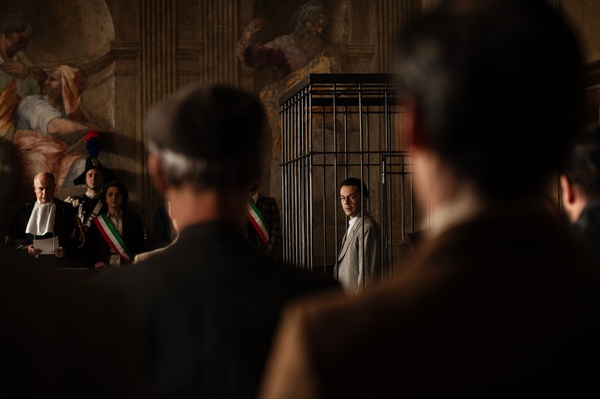
In the absence of a precise culprit, and firmly decided not to indicate one, Sollima cleanses the Monster of sensationalism and morbidities that had accumulated and stratified on the scarce procedural evidence, on decades of investigations, indirectly but very clearly suggesting that, in the absence of a culprit beyond a reasonable doubt, the Monster is the product of a society that stems from the same gender hatred, from the same patriarchal and overbearing assumptions towards women, as if to say: in the absence of a material perpetrator, the entire country ends up in the dock.
Similar articles