North South West East, review of the second season of 883
With the second album and success, everything changes, even the friendship between Max and Mauro


After telling the birth of 883, the first season of Hanno ucciso l'Uomo Ragno left the duo on the threshold of success, with Mauro's question to Max: "Yeah, but me... this... how do I dance it?", which already contained everything that would happen next. Nord Sud Ovest Est - La leggendaria storia degli 883 picks up exactly from there, opening in 1993, the year of the second album, the first real money, media exposure, concerts, and national success. The second season will arrive on Sky and NOW from October 9th with eight episodes, previewed to the press except for the last one.
The first episode is surprising because there is practically no trace of 883, except in Max's voice-over memories. Sydney Sibilia chooses to tell the artistic parabola of Righeira, inserting “Johnson” and “Michael” into the same musical imaginary that in the first season had served as a backdrop to the formation of 883. The common thread of the episode, however, is another, equally essential: that sense of unity and brotherhood that transpires when observing Max and Mauro on the Aquafan stage and that Stefano “Johnson Righeira” Righi envies when watching them on television. A digression that broadens the narrative to Italian pop culture of the '80s and prepares the ground for the musical world in which 883 would explode a few years later.
Gallery
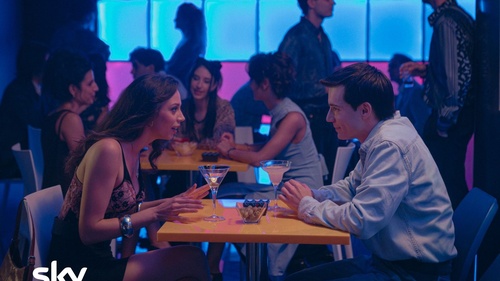
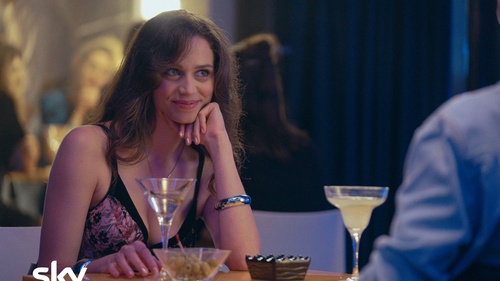
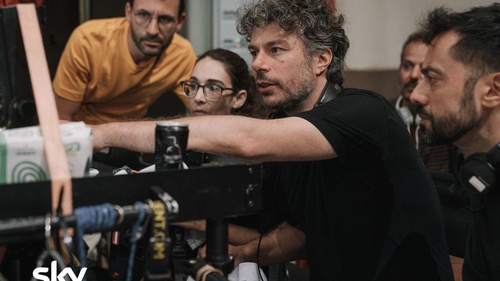
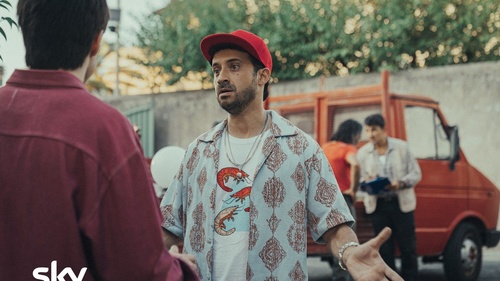
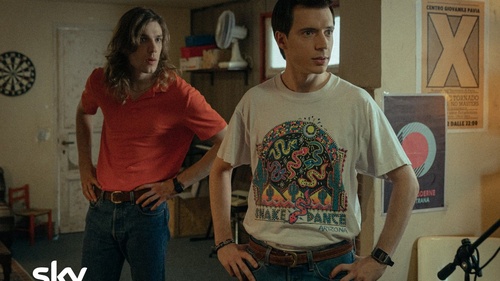
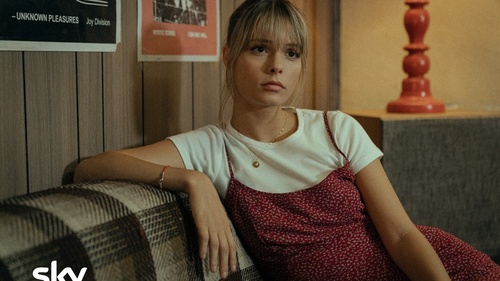
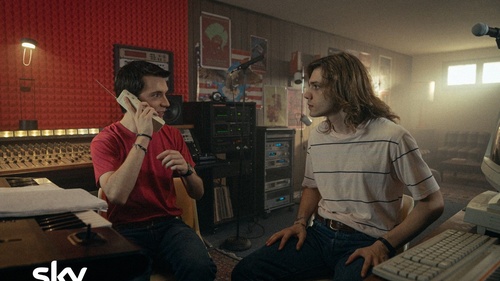
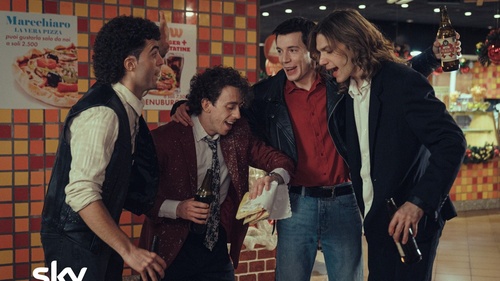
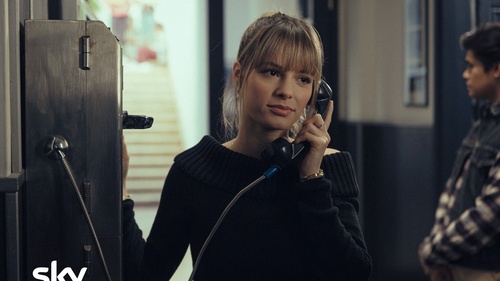
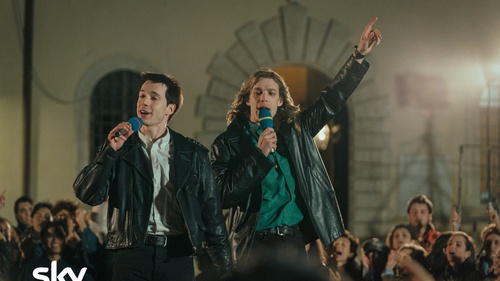
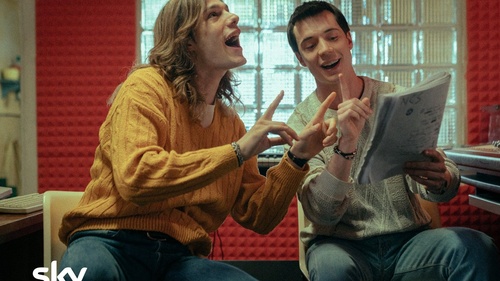
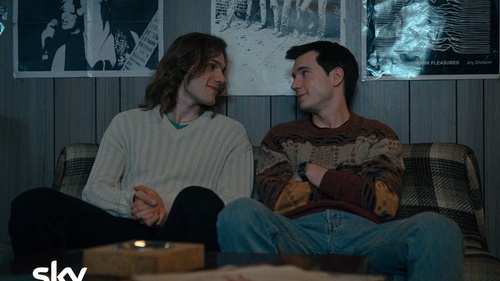
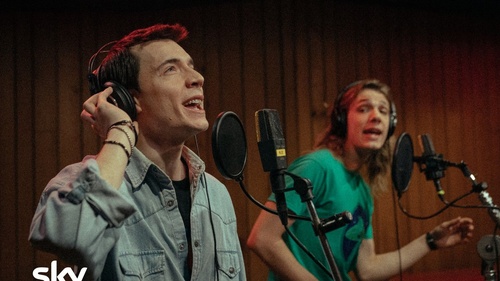
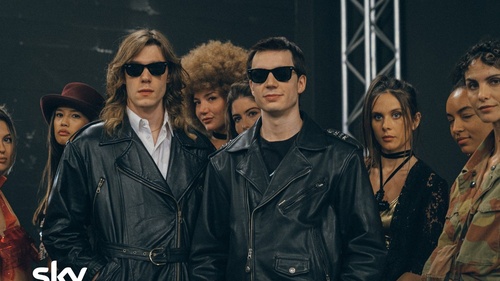
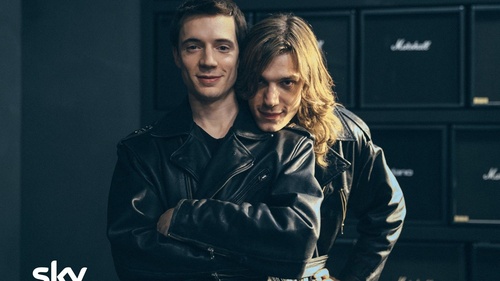
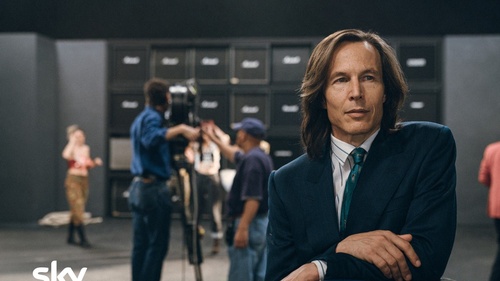
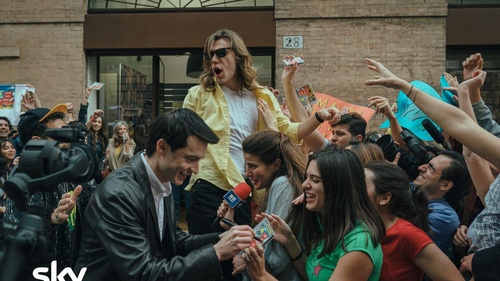
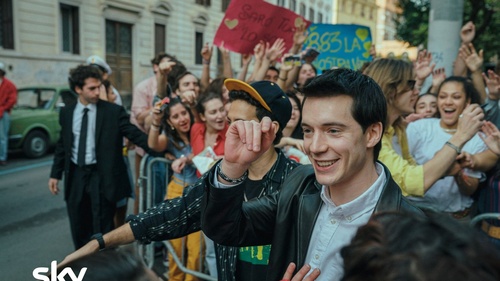
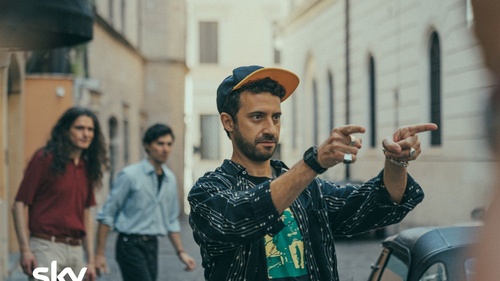
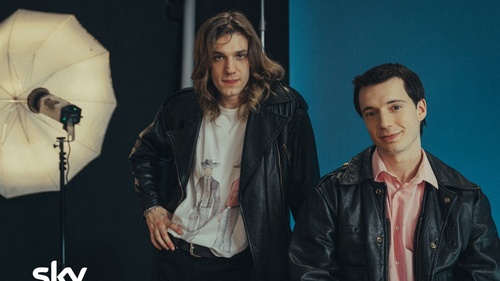
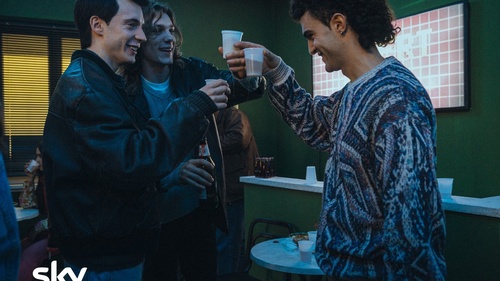
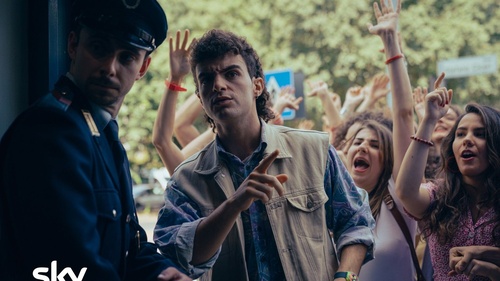
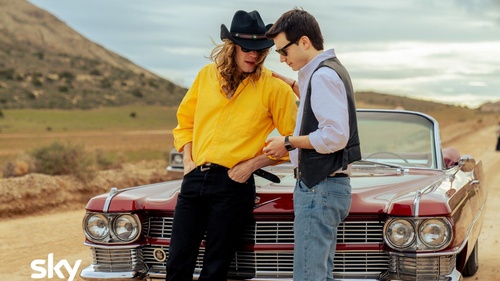
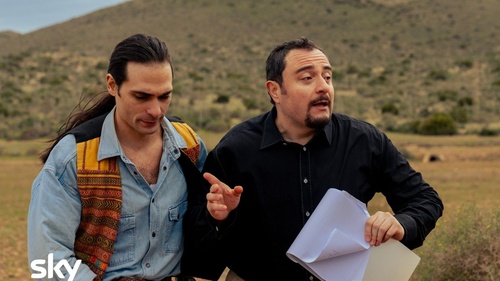
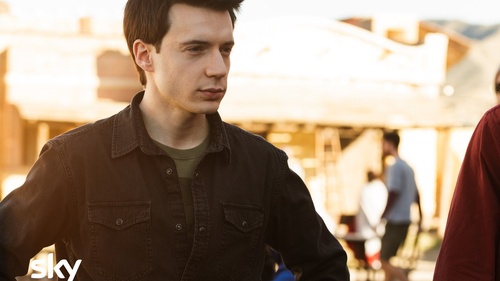
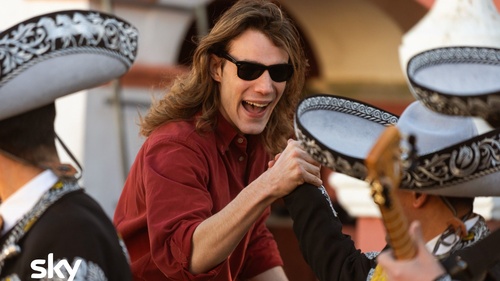
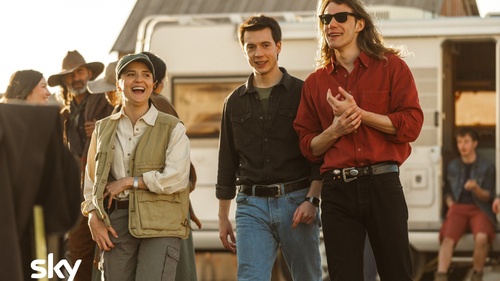
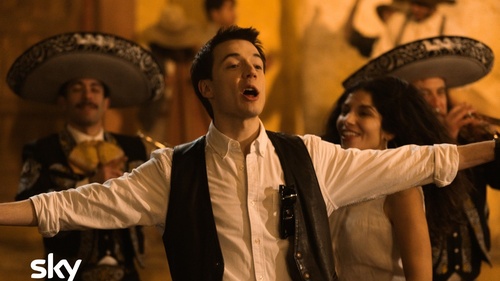
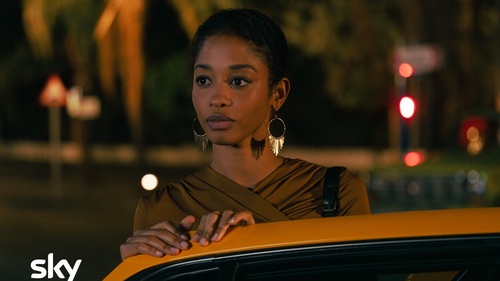
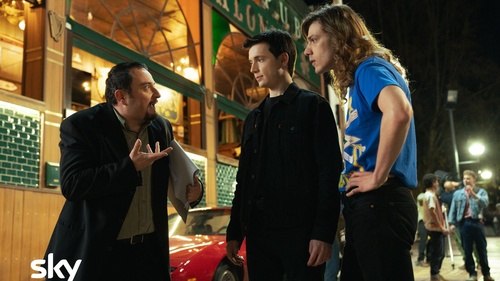
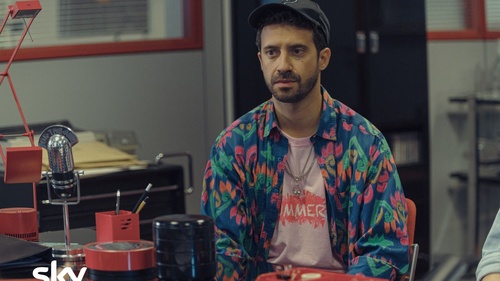
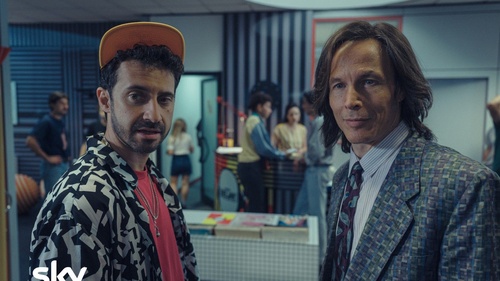
Then it's back to 883 and the situation is anything but simple. Max and Mauro must repeat and surpass the success of the first album while the pressure from Claudio Cecchetto, still played by the amazing Roberto Zibetti, grows. He wants the top spot on the charts without compromise, the two don't seem willing to give up their identity and that "tavernetta" where it all began, even if now that basement has more technology than they could have ever dreamed of.
The most interesting part of the season is precisely this: the birth of the new album becomes the vehicle to tell the moment in which 883 must understand what they want to be. Max is still dealing with Silvia, who has moved to Dublin and has become an evanescent yet unsettling daily presence. Mauro, as usual, finds himself dodging that feeling of being a sidekick.
When the dream begins to change
The decisive passage comes with the beloved-hated ballad Come mai, born as "Canzone per Silvia". Repetto immediately recognizes that the song has an extra gear and insists that it reaches Cecchetto's ears. It is one of the passages through which the series shows Pezzali's progressive maturation as a songwriter, while also highlighting the different balance between the two.
Cecchetto is increasingly focused on the gold mine of the moment, music videos arrive, 883 must learn to manage their image. Caterina, sent by the producer as creative reinforcement, contributes to the duo's realization that they can impose their choices. The series also works very well on the musical references of the era, proposing iconic songs by Iggy Pop, Simple Minds, Scorpions, Duran Duran, Gianna Nannini, Mazzy Star, Snap!, Radiohead, Blind Melon, Smashing Pumpkins, Haddaway, and Poison.
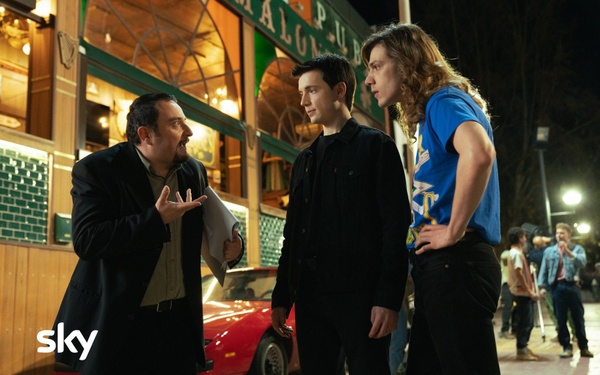
Thus, the growing national success changes the lives of the protagonists. Max is besieged by fans in front of his parents' house where he still lives, credit cards, cars with drivers, media commitments, but both continue to live as always. Mauro participates but his contribution to the songs of the second album is less enthusiastic. The relationship with his lifelong companions, through the crisis of Cisco's Jolly Blu arcade, becomes a way to remember the importance of true friends and one's roots.
The American trip drags the duo into a world they had only dreamed of until then. Los Angeles, the set of Nord Sud Ovest Est, Carlo Lucarelli as screenwriter, and Mauro's meeting with the African-American model Brandi further broaden the narrative scope and introduce a dimension beyond the simple professional growth of 883. It is also the moment when the distance between the two becomes increasingly palpable.
883 are no longer those from the basement
The success of Come mai and the increasing public exposure push them towards a dimension in which normality is increasingly difficult. The heavy production machine, Fiorello's overbearing presence towards Mauro, and the impossibility of living their daily lives freely contrast with a Max divided between the euphoria of the moment and the usual complicity with his friend, who is increasingly drawn outside of 883.
This, in essence, is the true theme of the second season: what happens to two brothers in life and in music when what they have built begins to change. Max finds a new personal dimension in writing, while Mauro must come to terms with his true role in 883. The series does not transform this difference into a sudden break, but lets it mature slowly along with success.
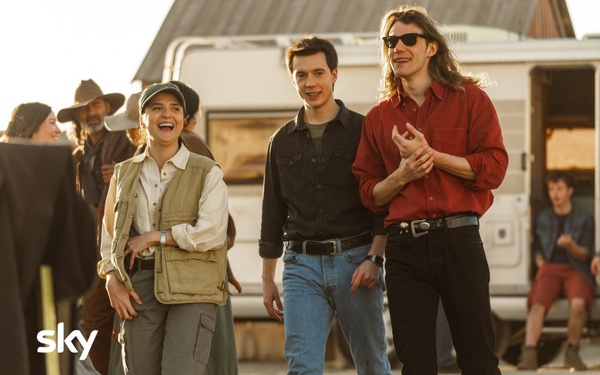
Elia Nuzzolo and Matteo Oscar Giuggioli continue to be a strong point. The former portrays a Pezzali increasingly aware of his abilities but still tied to the normality from which he comes, Giuggioli leads Repetto towards a more restless dimension, in which the energy and enthusiasm of the first season progressively give way to the search for something he can no longer find in the band. All the supporting actors are also good, especially Davide Calgaro in the role of Cisco.
The second season thus maintains the brilliant tone of the first, with absurd situations including fireworks, nocturnal ostriches, and amusing misadventures with old friends, while adding a previously only hinted at melancholy. The reconstruction of the 90s is one of the best elements, while leaving the province allows for a significant expansion of the series' visual world. By the end of the seventh episode, the real question is no longer what 883 will do, but what will remain of Max and Mauro's friendship once they realize they no longer need each other to get where they want to go.
Score
Editorial team

North South West East, review of the second season of 883
The second season of 883 tells the story of success and the progressive artistic and human estrangement between Max and Mauro. Their relationship becomes the true heart of the story, with a melancholy that enriches the brilliant tone of the series. The reconstruction of the 90s remains one of the strong points, the two main actors are as good as ever, Roberto Zibetti, an actor never considered enough, is amazing. Solid and successful season, just like the first.
Similar articles