Toy Story 5 Review: Between Screens and the Silent Pain of Growing Up
The new Pixar chapter brings the toys back to confront the passage of time and the evolution of childhood.


Toy Story is one of those film sagas that grew up with its audience. It moves along that fine line between communicating with the "new little ones" and also with the "now adults" who have followed Buzz and Woody's adventures since 1995. And if, on the one hand, with Toy Story 3 it almost seemed like a conclusive chapter, thirty years after the first chapter, we are back in theaters. A company that continues to exist as a collective memory more than simple animation.
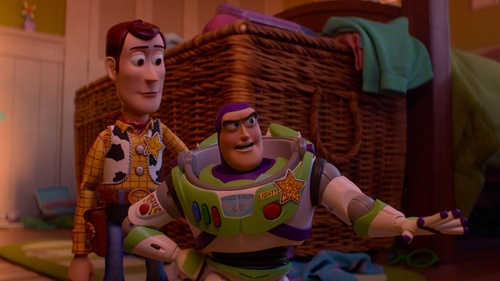
Andrew Stanton returns to direct, joined by Kenna Harris, with music by Randy Newman. And this alone is enough to create an almost automatic emotional continuity, as if the film spoke even before it began.
The question remains inevitable: after the perfect conclusion of Toy Story 3 and the more intimate farewell of Toy Story 4, was another chapter really necessary? The answer is not clear-cut.
Gallery
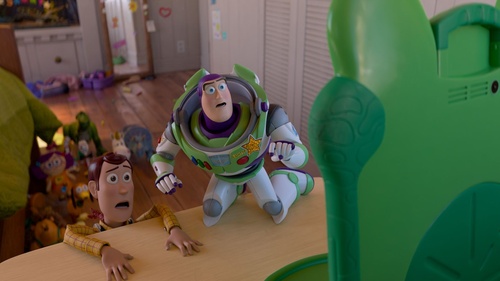
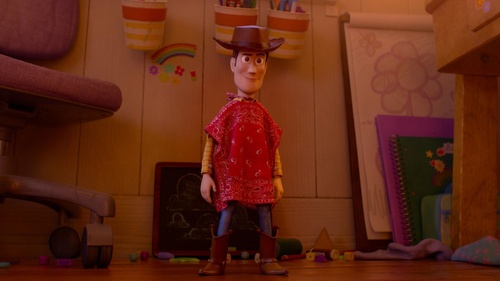
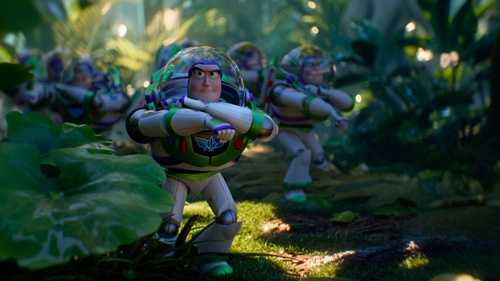
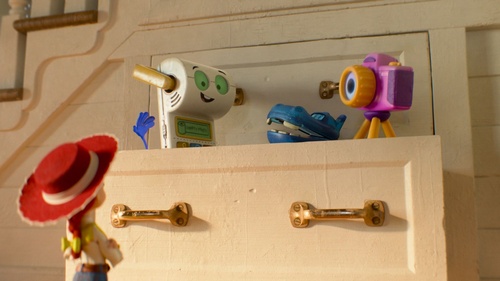
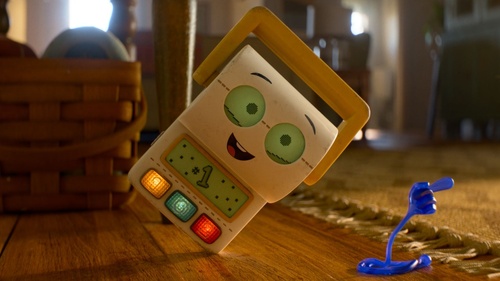
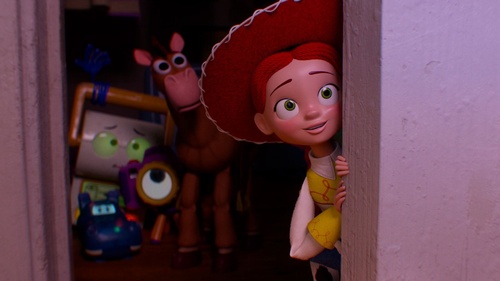
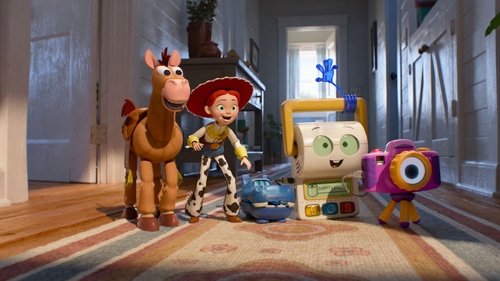
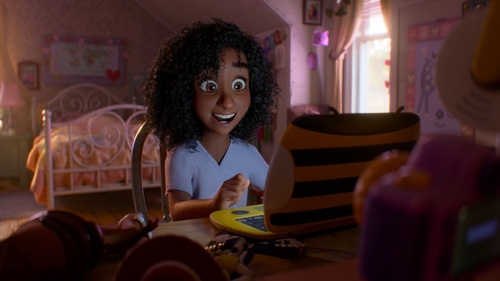
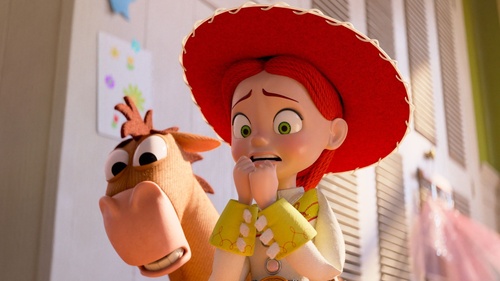
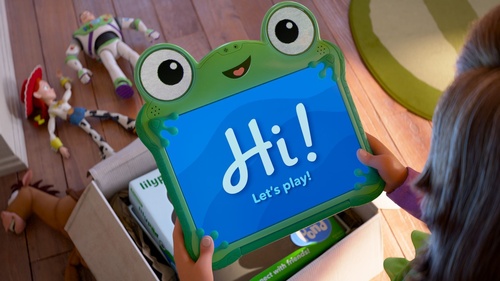
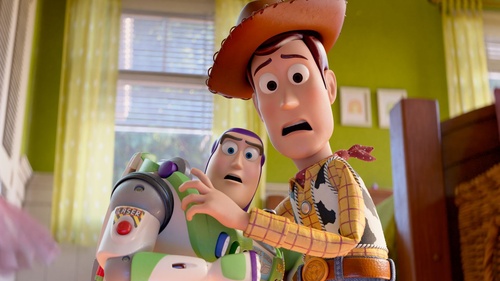
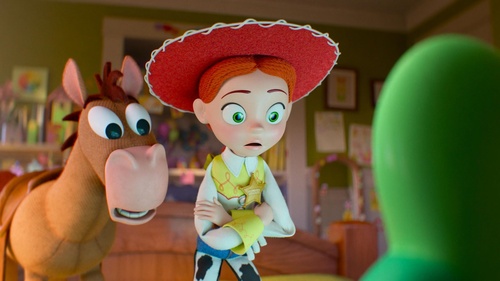
Toy Story 5 and the Confrontation with Technology: Toys vs. Screens
This time the “enemy” doesn't have a traditional form; it's not an antagonist to be defeated. It's something much more everyday: a screen.
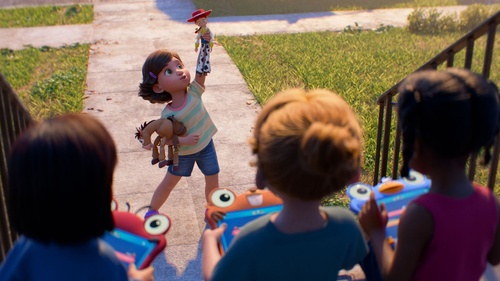
Bonnie grows up and enters the delicate phase of pre-adolescence. That moment when you start to understand that you are no longer completely a child, but you are not yet far from being an adult. A fragile intermediate zone, where the need for belonging becomes very strong and the construction of identity also passes through what is chosen from the outside.
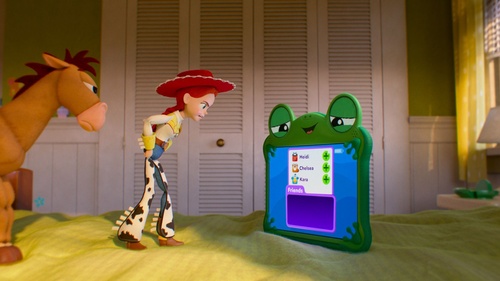
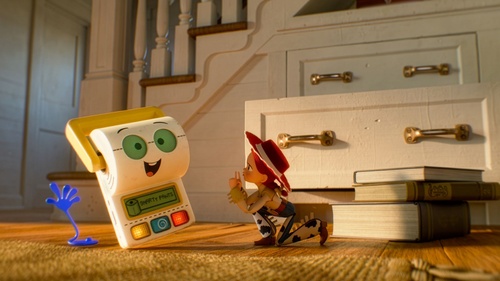
Into this space comes Lilypad, an interactive tablet designed to accompany her. It doesn't aggressively replace the toys: it does so silently, almost naturally. And it is precisely this that makes it so credible and unsettling.
So, we are facing a transition that is not clear-cut, but at the same time no less painful. And if at first the toys have to fight to remain relevant to Bonnie, they slowly understand a deeper truth. There is no good and bad. There is the way things are used. And above all, there are those who are growing up around that change.
Bonnie, in this phase, risks losing something that deeply defines her: imagination. And without imagination, toys don't simply become useless. They become stories that are no longer told.
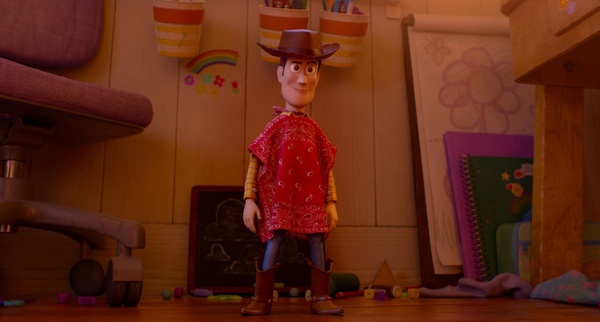
Jessie as Protagonist: The Fear of Becoming Irrelevant
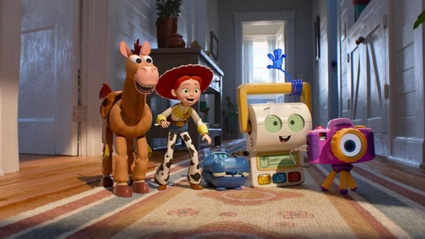
The emotional heart of the film is Jessie.
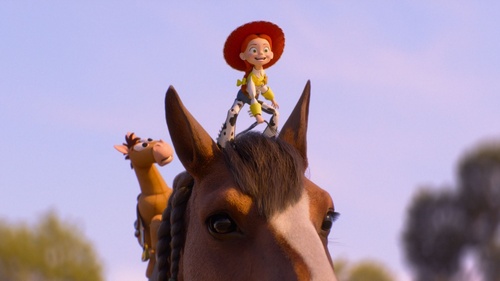
Not only because she is finally at the center of the narrative, but because she embodies a very simple and very real fear: that of no longer being needed. Jessie has always been a character marked by this fragility. Here, however, the feeling amplifies. Every choice she makes seems to stem from an implicit question: “what is my place now?”
Beside her, Lilypad stops being just technology and becomes a presence that forces everyone to redefine themselves. The film works best precisely when it stops opposing and starts relating. And if there's one point where Pixar still manages to hit home, it's cooperation.
The toys don't have to compete for Bonnie's attention. They must collaborate to protect her, even before protecting themselves. It is here that the film truly opens up: in the idea that growth is not a clash between old and new, but a coexistence that requires mutual listening.
Precisely within this meaning, Toy Story 5 finds its raison d'être: relationships, changes, and all those times when something stops being central without ceasing to exist.
Letting Go: Toy Story 5's Most Difficult Lesson
The theme of “letting go” returns with force, but this time in a less definitive and more nuanced way. It's not about abandonment, but about evolution. Toys exist to accompany. Their purpose is not to always remain central, but to accept that a time will come when they will have to step back. When, paradoxically, they change their function but not their value.
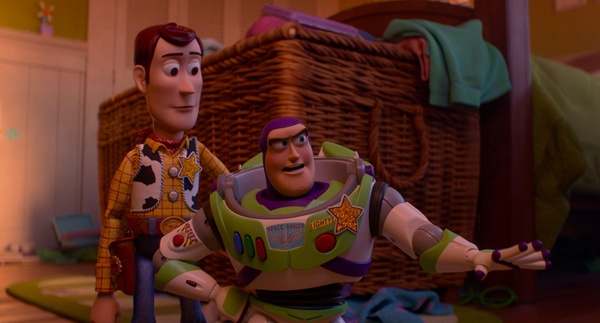
Jessie, in particular, goes through this realization with a painful sweetness: understanding that one's value is not measured only in the present, but also in what one has left within someone. And this, in the end, is the most emotional point of the film.
Narratively, the film remains faithful to the classic structure: someone is in danger, the group reunites, the mission begins. It's a formula we know, but one that continues to work thanks to the rhythm and Pixar's ability to make even the familiar feel alive. Technically, everything is impeccable: animation, visual construction, and especially the design of Lilypad, which fits into the world without forcing it. But the limit remains inevitable: the comparison with the past.
Toy Story 3 had already said everything about abandonment. Here, it tries to re-read it in the digital age, but without achieving the same emotional intensity.
Is Toy Story 5 Worth It? The Answer Isn't Simple
Toy Story 5 is not the most powerful chapter in the saga. It doesn't have the emotional force of the third, nor the closure of the fourth. It has something that remains: the ability to update a question that never stops changing form.
What happens when we grow up and the things we loved stop being central?
Perhaps the answer is precisely this: it's not about being replaced, but about changing places in the lives of others. So that we learn that staying is not always the best way to love.
Toy Story 5 arrives in cinemas from June 18, distributed by The Walt Disney Company Italia.
Score
Editorial team
Toy Story 5 Review: Between Screens and the Silent Pain of Growing Up
Toy Story 5 doesn't have the definitive strength of previous chapters, and it doesn't really try to. It moves into a more fragile, less clear-cut territory, where answers are never truly conclusive but remain suspended. And perhaps this is precisely what makes it consistent with the present it depicts: a world where nothing is simply replaced anymore, but everything transforms, shifts, and redesigns itself.
There are elements that continue to strike about this saga: it was never nostalgia itself, but the way it manages to make us come to terms with ourselves. Especially with the time that passes without asking permission.
Because in the end, it was never really a film about toys. It was always a film about what we let go of as we become who we are.
Similar articles