The End of Oak Street – Review: David Robert Mitchell Between Survival, Mystery, and Missed Dinosaurs
Anne Hathaway leads a family thrust into a hostile world populated by prehistoric creatures, in a film that is half-convincing with excellent sound design and an uneven screenplay
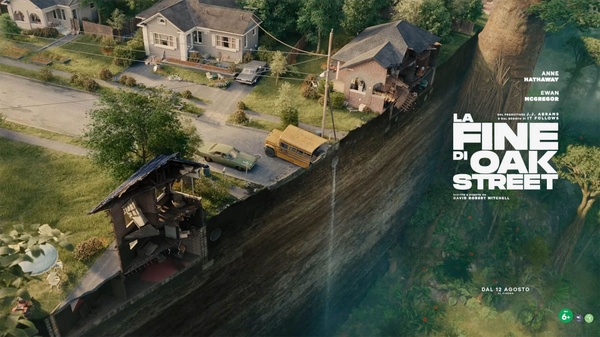


In recent years, David Robert Mitchell has proven to be one of those directors capable of taking seemingly simple ideas and transforming them into something unpredictable. After captivating audiences and critics with works that have always played with mystery and unease, the director returns with The End of Oak Street, a film difficult to categorize into a single genre. On paper, it might seem like a classic horror with prehistoric creatures, but in reality, it chooses a different path, building a narrative that blends science fiction, survival, and thriller, where the sense of discovery and the struggle for survival become the dominant elements.
A Family in an Unknown World
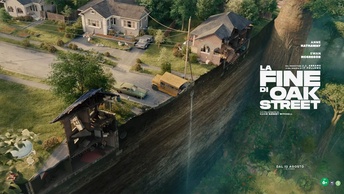
The idea of seeing a quiet neighborhood catapulted into a hostile environment populated by creatures that seem to have emerged from prehistory is certainly fascinating and, at least in its intentions, offers something different from the many films that have already told similar stories. The final result, however, is a work that alternates truly interesting insights with less convincing ones, leaving the feeling of a missed opportunity.
Gallery
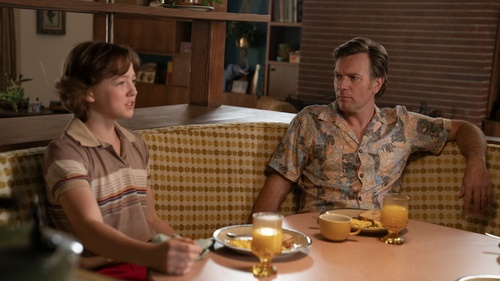
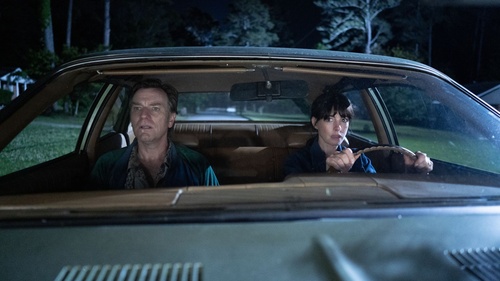
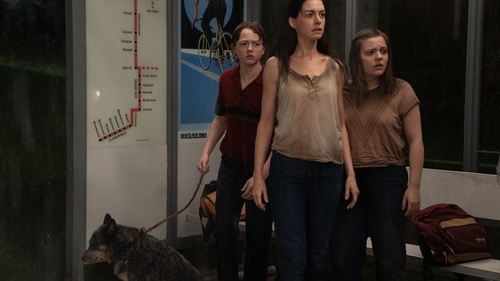
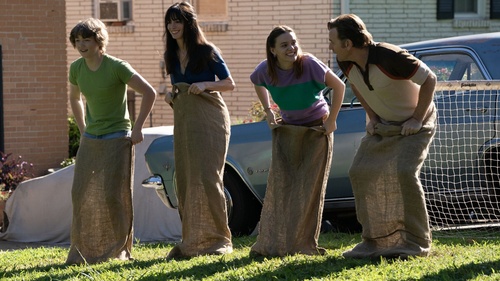
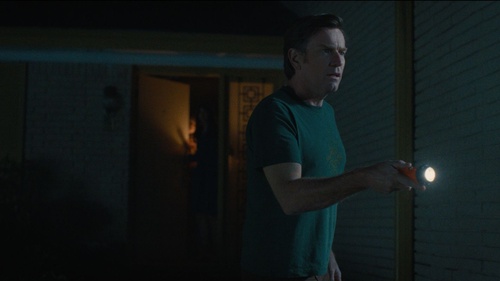
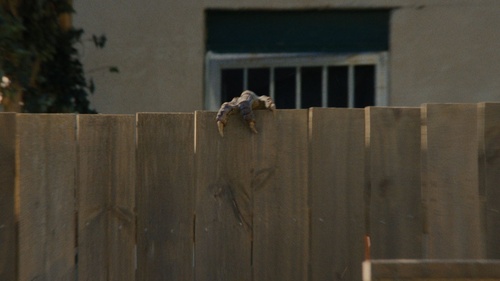
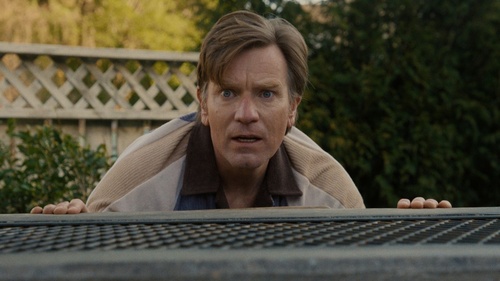
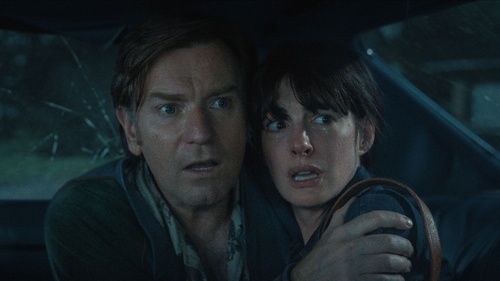
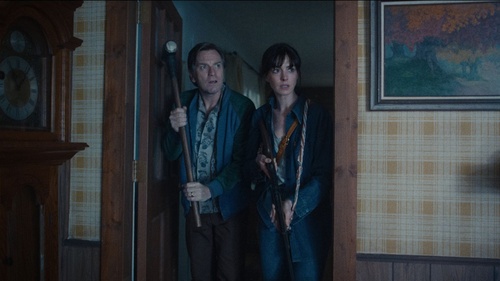
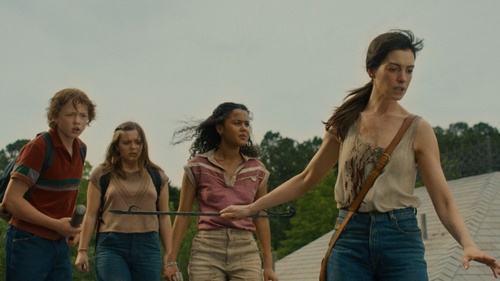
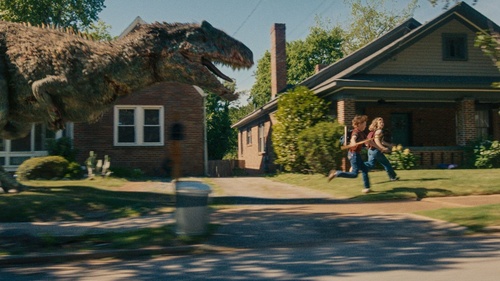
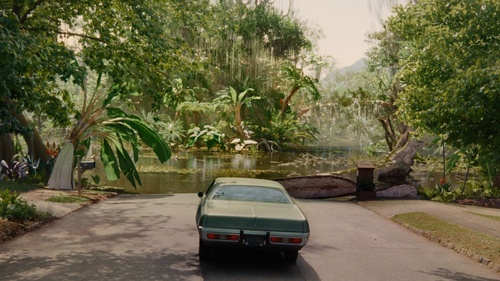
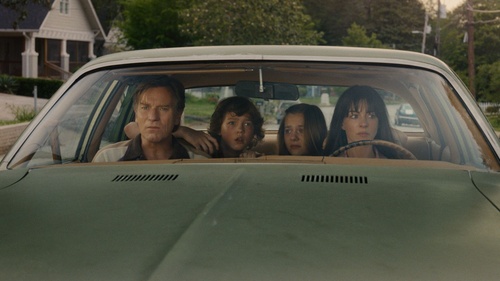
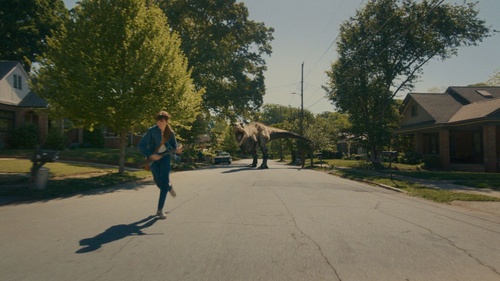
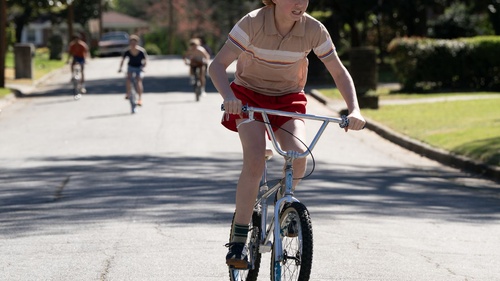
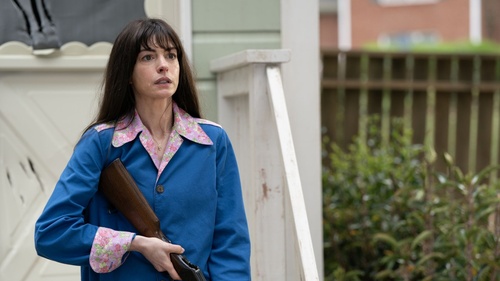
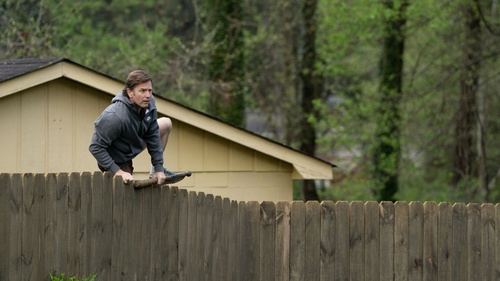
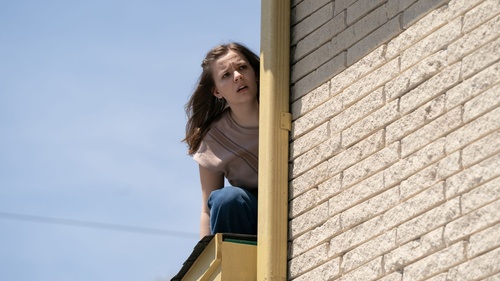
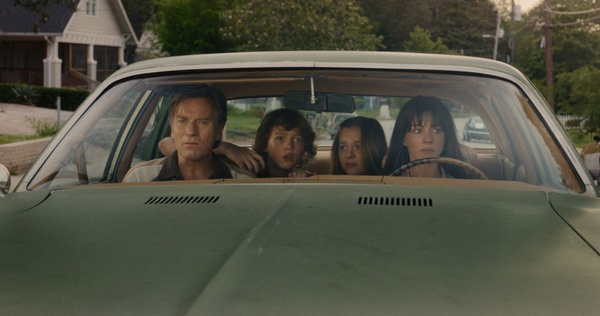
The Platt family leads an apparently normal life until a mysterious event completely disrupts the reality they know. Oak Street is suddenly transported to an unknown place, where survival becomes the only possible goal. In an environment dominated by gigantic creatures and constant dangers, each member of the family will be forced to confront not only external threats but also their own fragilities and personal relationships that, inevitably, emerge during the crisis.
A Horror That Isn't Entirely Horror
The story tries to maintain an aura of mystery for much of the film's duration, avoiding immediate explanations and relying on the viewer's curiosity. Personally, however, I found the screenplay rather uneven. Some developments work and manage to engage, while others are unclear, leaving the feeling that the film wants to be deliberately enigmatic without always managing to give a precise direction to the narrative. The ending also follows this philosophy: instead of truly closing the circle, it prefers to leave numerous questions open, a choice that will likely divide audiences.
The aspect that surprised me most is that The End of Oak Street is not the classic horror that marketing might suggest. Certainly, there are moments that make you jump, but in most cases, they are not constructed through particularly extreme images or gore. It's the sound department that does most of the work.
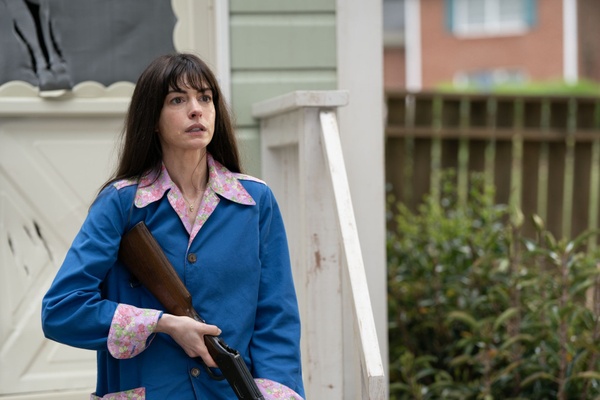
The sound design is probably one of the best elements of the entire production. Every noise, every creature's cry, and every sudden silence are used to continuously increase tension, making many jump scares truly effective. It's a type of fear that arises primarily from audio rather than visuals.
At the same time, Mitchell doesn't shy away from often slowing down the pace to focus on the characters. The film constantly shifts from long sequences of tension to much more reflective moments, dedicated to dialogue and family relationships. This choice makes the pacing decidedly uneven: there are scenes capable of keeping you on the edge of your seat and others that significantly lower the intensity. The transition isn't always perfectly balanced, but the director's desire to tell a survival story first and foremost is evident.
From a directorial standpoint, David Robert Mitchell once again confirms a recognizable personality. His staging almost always avoids spectacular excess and prefers to build unease through measured camera movements, wide shots, and intelligent use of space. Even when the creatures finally appear, the film never completely loses that suspended atmosphere that accompanies the entire narrative.
The cinematography is also excellent, alternating warm, typically eighties colors with increasingly dark and hostile scenarios, helping to reinforce the contrast between the initial tranquility of the neighborhood and the unknown world in which the protagonists find themselves.
Anne Hathaway and a Cast That Holds the Scene
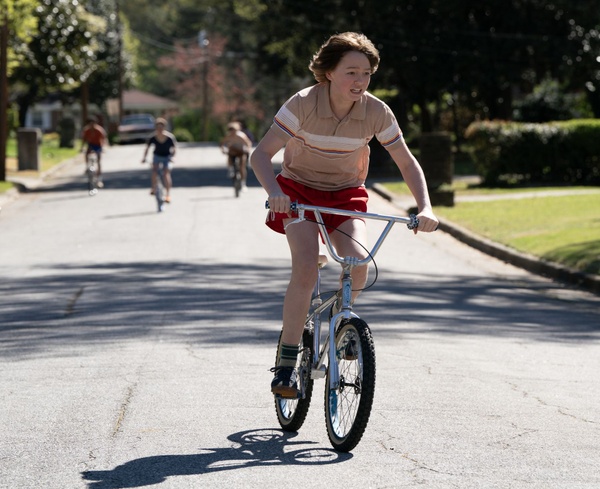
The cast works very well overall. Anne Hathaway once again confirms all her experience, proving to be the true emotional anchor of the film. Every scene in which she is the protagonist gains greater credibility and intensity, managing to add depth even to the weaker moments of the screenplay. Ewan McGregor and the rest of the cast also do well, building a credible and never over-the-top family.
It's inevitable that thoughts immediately turn to the great classics dedicated to dinosaurs and survival. However, Mitchell chooses a slightly different path. The creatures in the film clearly evoke that imagery, but the most iconic and recognizable species are rarely used. This choice gives the work a touch of originality, avoiding a simple nostalgia effect and helping to create a constant sense of unpredictability.
The visual effects are also convincing, without constantly seeking spectacle for its own sake. The creatures appear credible and integrate well with the environments, while the aforementioned work on sound becomes the true technical protagonist of the entire film. It is precisely thanks to the audio mix that many sequences manage to significantly increase tension.
Amidst the suspense, there are also some surprisingly funny moments that lighten the tone without feeling out of place and make the overall experience more varied.
Score
Editorial team
The End of Oak Street – Review: David Robert Mitchell Between Survival, Mystery, and Missed Dinosaurs
The End of Oak Street is one of those films that will likely divide audiences. Those expecting a pure horror might be surprised by the strong survival component and the numerous moments dedicated to character development. Conversely, those who appreciate survival stories built on tension rather than jump scares will find several interesting elements.
However, the plot struggles to truly stand out, the pacing is often inconsistent, and the ending leaves more questions than answers. Nevertheless, it remains a film that entertains thanks to solid direction, excellent sound design, high-quality cinematography, and Anne Hathaway, who confirms herself as the best on screen. It doesn't reinvent the genre and doesn't fully exploit the enormous potential of its initial concept, but it still manages to deliver almost two enjoyable hours of tension, some laughs, and several well-constructed jump scares.
Similar articles