Return to Silent Hill – Christophe Gans' Film in 4K
Shot natively in 4K, DTS-HD MA lossless audio for a film with great technique and little soul
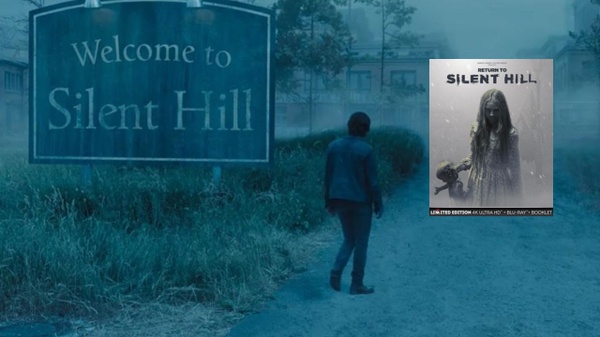


Twenty years after directing the acclaimed adaptation of Silent Hill, Christophe Gans returns to the fog-shrouded town that marked an entire generation of fans. Return to Silent Hill takes on a challenge that is anything but simple: to transform Silent Hill 2 into a cinematic narrative, the most celebrated chapter of the Konami saga, a work that is still cited today as an example of psychological narration in the video game medium.
At least on paper, the endeavor had all the hallmarks of a grand return. The French director knows this universe well, and his visual sensibility seemed the most suitable to tackle a story made of guilt, remorse, and inner ghosts. The result, however, leaves a conflicting sensation, divided between a greatly fascinating shell and a substance that struggles to find balance.
When Form Outweighs Content
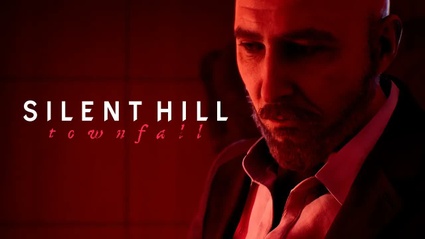
The story follows James Sunderland, a tormented man who receives a mysterious letter from his wife Mary, even though the woman is now part of his past. Convinced he can find her again, he reaches Silent Hill, discovering a city transformed into a spectral labyrinth populated by monstrous creatures and figures that seem to reflect his deepest fears.
The main problem emerges precisely in the management of this narrative material. Silent Hill 2 built its charm through nuances, silences, and personal interpretations. The cinematic version, however, tries to condense a complex story into relatively short times, sacrificing a good part of the ambiguities that made the original story memorable. Many passages appear rushed, while others risk being unclear even for fans of the video game.
Great Technique, Little Soul
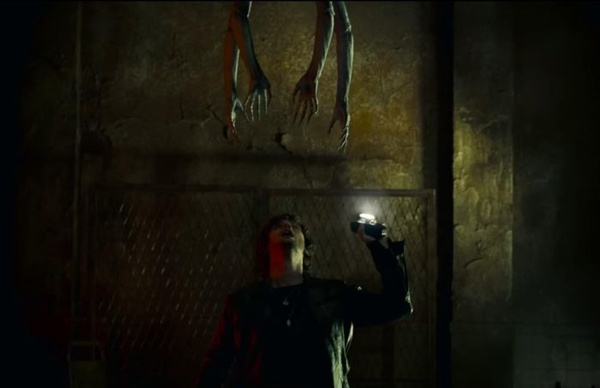
If on the writing front the film shows clear limitations, from a technical perspective Gans (Crying Freeman, Brotherhood of the Wolf) once again confirms a remarkable talent. The reconstruction of Silent Hill possesses a strong visual identity and conveys that sense of decay that has always characterized the series. The deserted streets, the omnipresent fog, and the environments corroded by time often manage to evoke an unsettling charm.
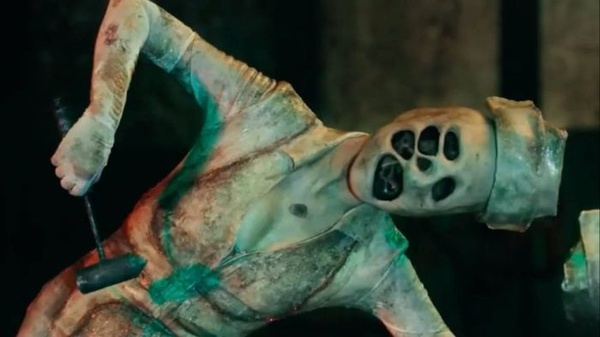
The creative department dedicated to creatures also proves to be among the most successful elements. The monsters maintain a considerable impact and contribute to building images that remain imprinted long after viewing. Even with an evident reliance on CGI, the design retains personality and coherence with the saga's imagery.
The musical contribution of Akira Yamaoka is fundamental in this sense. His compositions continue to represent one of the most distinctive aspects of the Silent Hill universe and accompany the film with a constant melancholy that amplifies the protagonist's sense of disorientation.
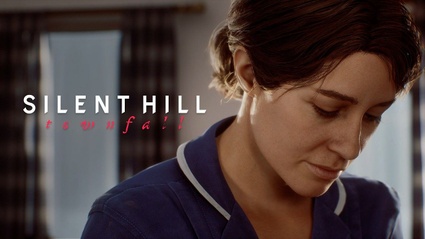
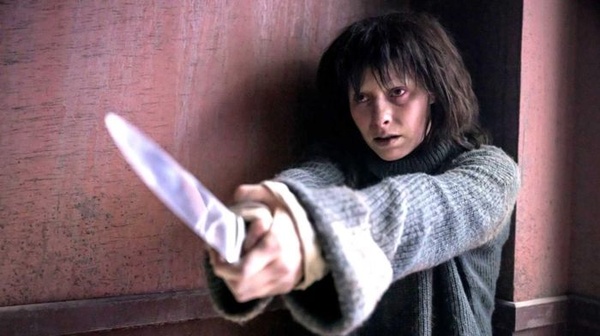
The cast, however, is less convincing. Jeremy Irvine and Hannah Emily Anderson find themselves supporting complex characters without receiving the necessary tools from the script to fully develop them. The performances oscillate between sincere and artificial moments, aggravated by dialogues that rarely achieve the emotional strength required by the story.
When Fear (Barely) Scares
Paradoxically, Return to Silent Hill also suffers on the horror front. There are suggestive images and some sequences with undeniable visual impact, but the tension often remains superficial. The film prefers to rely on aesthetics and contemplation rather than building an authentic sense of unease. Those looking for an experience capable of leaving a mark on an emotional level might be disappointed.
At the end of the run, there remains the feeling of a partially missed opportunity. Gans demonstrates that he understood the iconographic value and creates some of the most successful images ever seen in a recent video game adaptation. However, when it comes to capturing the psychological complexity and the emotional weight of the original material, the film progressively loses strength.
Return to Silent Hill is a work that captures the eyes much more than the mind. Fans of the saga will encounter several references capable of stimulating nostalgia, but they will hardly find on screen the same intensity that made the second chapter of the beloved video game immortal.
Return to Silent Hill 4K - How it Looks
Shot natively in 4K (Panavision cameras), original image format 2.39:1 (3840 x 2160/24p), HEVC encoding on a BD-66 dual layer disc. The level of detail is excellent, from the features of James's face to the details of Mary's clothes. Silent Hill appears rich in degraded and realistic matter: abandoned buildings, decaying food, and dying vegetation convey a strong sense of decay.
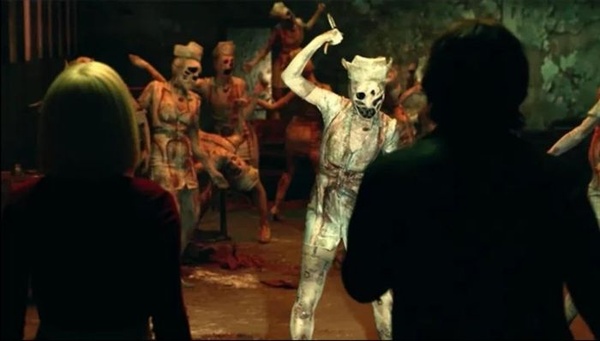
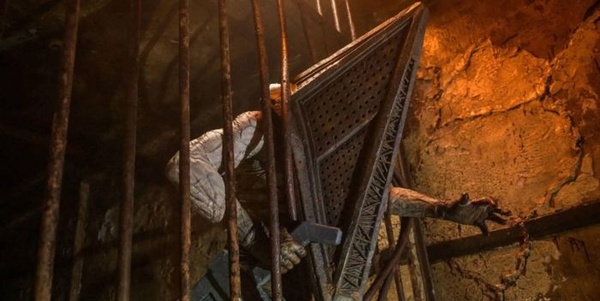
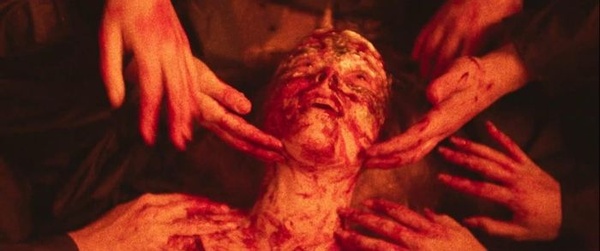
Desaturated elements, deep and well-shaded blacks, with good readability in darker scenes. The rendering of the creatures is also excellent: Creeper and Nurse-Bubble Head Nurses show convincing details, Pyramid Head stands out for his worn helmet and the imposing blade dragged on the ground. Blood and gore feature intense colors, while the transfer is distinguished by the absence of obvious compression problems. The HDR-10 rendering is favored, with superior light dynamics and chromatic extension.
Return to Silent Hill 4K - How it Sounds
Italian and English DTS-HD Master Audio 5.1 (16 bit) mostly maintain the same level of involvement, hitting hard in key moments. The sirens announcing Silent Hill's transformation envelop, while whispered voices, environmental effects, and the movement of creatures contribute to creating a constant sense of threat.
Dialogues are clear and intelligible even in the most sonically crowded sequences. The rendering of storms and thunder is excellent, supported by deep bass that also enhances the most violent effects. Finally, the directionality is precise, with a convincing perception of movements in space. A mix serving the film's atmosphere, even more effective when switching to the original.
Return to Silent Hill 4K - Extras
Few, rather short extras to delve into the production: the adaptation with Christophe Gans, producer Molly Hassell, and other crew members (2'); the creatures with the director and creature designer Patrick Tatopoulos (3'); a brief overview of the construction of the film's visual universe, including storyboards, set designs, practical effects, and CGI (2'); the music with Akira Yamaoka discussing his involvement in the project (4') and the trailer. Italian subtitles. Includes a booklet of textual insights curated by Nocturno.
Score
Editorial team
Return to Silent Hill – Christophe Gans' Film in 4K
Christophe Gans returns to Silent Hill with a visually fascinating adaptation that carefully recreates the atmospheres, creatures, and suggestions of the celebrated video game. The narrative and psychological component, unfortunately, does not reach the depth of the original 2006 work, also limiting the emotional and horror impact. The 4K edition is excellent in terms of audio-video, with few but interesting extras.
Similar articles