Deodato Boxset 4K – Discovering the Cult Director
8-disc box set of remarkable quality, with many extras, also revealing the director's other unsuspected work
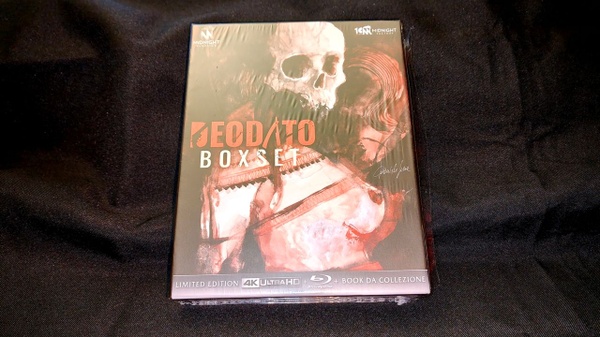


The Deodato Boxset is a tribute to the freedom of Italian cinema: visceral, imperfect, courageous, and above all, alive.
Ruggero Deodato was and still is synonymous with scandal, violence, and provocation. Yet behind the image of the “master of extreme cinema” lies a more complex author, capable of moving from melodrama to social criticism, from poliziottesco to the psychology of power, always maintaining a sharp gaze on human nature.
This Deodato Boxset in a 4K Blu-ray edition by Midnight Factory brings together four of the most representative – and contrasting – works of his career: Ondata di piacere (1975), L’ultimo sapore dell’aria (1978), Uomini si nasce poliziotti si muore (1976), and La casa sperduta nel parco (1980). A journey through 1970s Italy, marked by excesses, traumas, and above all, the desire to look in the mirror without hypocrisy.
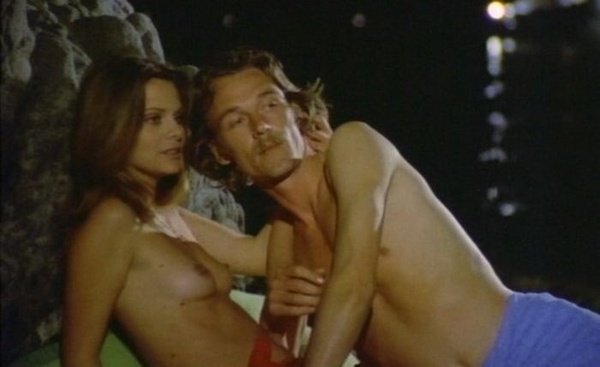
Ondata di piacere (1975) – Eros and Power on the High Seas
Ondata di piacere marked the first collaboration between Deodato and his muse Silvia Dionisio. Far from the tropical jungles that would make him famous, the director chose the sea of Cefalù as the setting for a perverse game of seduction and dominance. Two couples on a yacht – one young, broke, and restless, the other rich and corrupt – confront each other in a spiral of desire and manipulation that culminates in madness. Written by Lamberto Bava, Deodato's direction is refined, calibrated, almost Hitchcockian in its sense of rhythm and attention to detail. With echoes of Polanski's Knife in the Water, the film builds a crescendo of psychological tension through small gestures, glances, and sudden bursts of violence.
John Steiner dominates the scene with a magnetic and unsettling performance, embodying the paranoid and despotic bourgeois tied to control that makes him feel alive. Silvia Dionisio adds an ambiguous light, a sensual fragility that elevates the film beyond pure exploitation eroticism. Ondata di piacere re-emerges as one of the best examples of Italian erotic thrillers of that decade: cinema of bodies but also of power, desire, and alienation.
L’ultimo sapore dell’aria (1978) – The Forgotten Melodrama
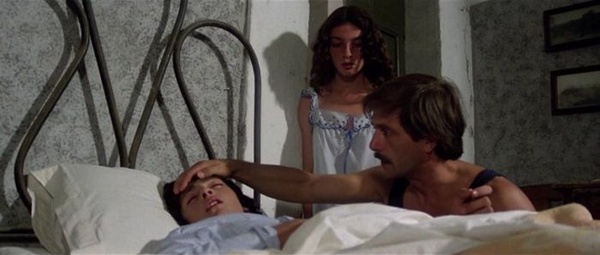
Those who only know the “cannibal” Deodato will be surprised by L’ultimo sapore dell’aria, a work that reveals the director's more human and melancholic side, an adolescent drama centered on redemption and friendship united by a tragic destiny.
In a working-class neighborhood of Rome, young Diego escapes oppression and the asphalt jungle through sport. The onset of an incurable disease will transform his rebirth into a journey of acceptance and pain. Deodato abandons all cynicism and constructs an almost television-like narrative in tone and structure, but sincere in its intentions. The direction is sober, functional, far from the formal excesses that would characterize him later. L’ultimo sapore dell’aria remains a transitional film, fragile and sentimental, revealing a different Deodato: a disillusioned observer of an Italy that had lost its innocence.
Uomini si nasce poliziotti si muore (1976) – The Ruthless Law of the Street
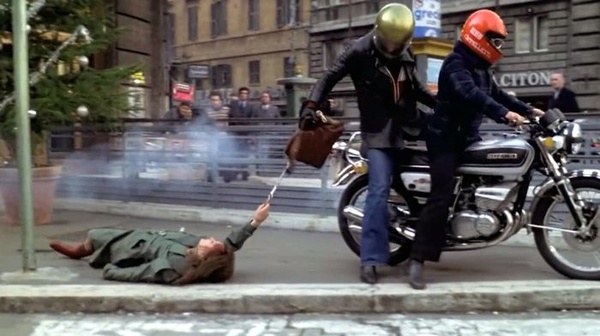
With Uomini si nasce poliziotti si muore, the director returns to his most congenial territory: that of pure genre cinema, featuring guns, corruption, and urban violence. Based on a story by Fernando Di Leo, the film is a surprising hybrid of barbaric violence and action comedy, starring the magnificent Marc Porel and Ray Lovelock, embodying the most anarchic, vengeful, and rebellious side of law enforcement.
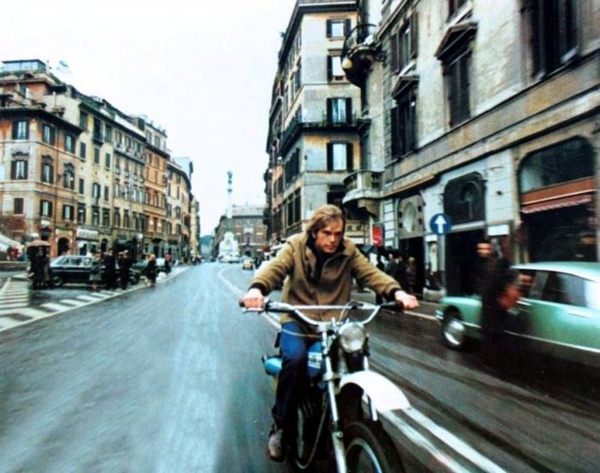
A pair of very borderline policemen move in a world where there is no longer a boundary between justice and criminality. Deodato plays with genre codes, alternating moments of pure dynamism – such as the exceptional motorcycle chase that opens the film – with ironic interludes that anticipate certain “buddy cop” American trends. The light tone does not erase the brutality of the context: the violence is physical, direct, at times filtered by a bitter irony that reveals the director's disillusionment with all forms of authority. Among the performers, Adolfo Celi and a menacing Renato Salvatori stand out, adding depth to a cornerstone of the poliziottesco genre.
La casa sperduta nel parco (1980) – Post-Cannibal Terror and Ambiguity
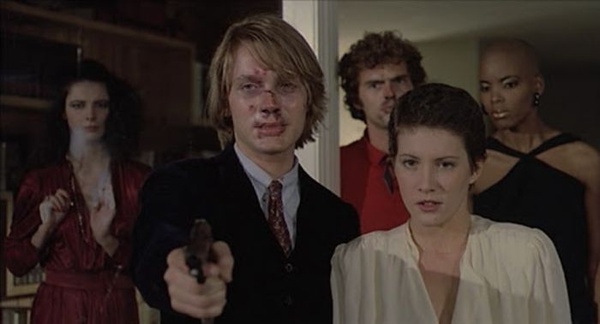
With filming beginning on the way back from Cannibal Holocaust, La casa sperduta nel parco is a different horrific journey into a domestic and claustrophobic dimension. David Hess, already known for The Last House on the Left, plays Alex, a psychopathic mechanic who, along with his accomplice Ricky, invades the tranquility of a group of young bourgeois. What follows is a nightmare of violence and humiliation, a reflection on the latent brutality in society and the thin line between victim and executioner.
The direction alternates graphic elements and formal control: Sergio D’Offizi's cinematography creates a disturbing contrast between aesthetic beauty and moral horror. The film remains controversial – too elegant to be pure exploitation, too crude to be just entertainment – but precisely in this ambiguity lies its strength. Despite the exaggerations, La casa sperduta nel parco emerges as a horror of form and substance, balancing sadism and social criticism, a product of an era when Italian cinema still dared to push boundaries.
Discovering an Unforgettable Director
The Deodato Boxset is an act of love towards an author who never stopped questioning reality, moving from desire to pain, from violence to redemption. Four films and as many stages of a journey that stages human instinct in its most extreme nuances, but also the continuous search for a language capable of shaking the audience.
With accurate restorations, unreleased interviews, and even surprising extra content that delve into the most controversial phases of his career, this box set is aimed at both cult followers of genre cinema and those who want to rediscover Deodato as a complete author. A director who soiled beauty with the mud of reality and who, now more than ever, deserves to be explored with fresh eyes and passed down.
Deodato Boxset - Video and Audio Quality
Inside a valuable mediabook are the 4K and 2K versions of the films. The viewing reveals the production effort to bring the original negatives to light to the maximum extent possible with modern technology and the inherent quality of the material from that era. Except for L'ultimo sapore dell'aria in SDR, the other 4K films also benefit from Dolby Vision, bringing the spectacle closer to the original cinematography in terms of lights, colors, and grain.
In particular, Ondata di piacere is offered in a double version on the 2K BD disc, censored and the “international” uncut version which is then found on the 4K disc, with original language inserts and subtitles. For the first time, one can watch the films with a quality that was probably not even available when they first premiered in cinemas. Details even in the background, precision, and level of detail never so high. Underwater shots and night scenes particularly benefit, regardless of the lighting used.
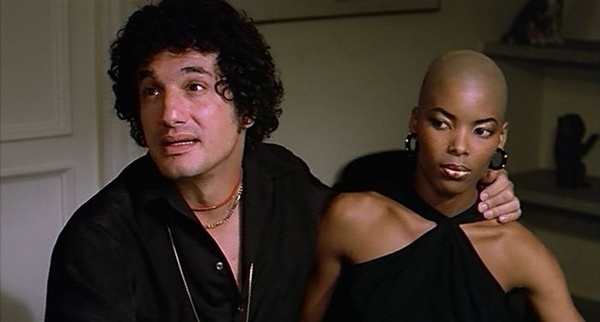
Grain is an integral part of the materials' DNA, leaving the impression that no dynamic reduction filters were used. Some transitions appear less contrasted and limited in definition, especially in the background. Ondata di piacere and Uomini si nasce poliziotti si muore have an image format of 1.85:1, L'ultimo sapore dell'aria 2.39:1, La casa sperduta nel parco can be viewed in a double version: “open matte” 1.77:1 or with a 1.85:1 mask on the 2K BD. All at a frame rate of 24 fps, 1920 x 1080/AVC-MPEG-4 on a dual-layer BD-50 or 3840 x 2160/HEVC on a dual-layer BD-66.
DTS-HD Master Audio 2.0 channel (16 bit) tracks with monophonic elements for Ondata di piacere and La casa sperduta nel parco. Perfectly audible even through a Home Theater system, bringing back memories of cinema viewing with natural dialogue, music, and some vaguely more dynamic passages.
Deodato Boxset - Extras
Over 5 hours of extras in total, exploring the productions.
Ondata di piacere: interview with Ruggero Deodato, interview with Al Cliver, interview with John Steiner, interview with Gianlorenzo Battaglia and Lamberto Bava, interview with Saverio Deodato. First special dedicated to television commercials made by the director, with or without his commentary (25'); 5 minutes of scenes present in the English version; Italian and English trailers.
La casa sperduta nel parco: director's commentary (also on the 4K disc); documentary with interviews with Ruggero Deodato, Sergio D'Offizi, Antonello Geleng, Giovanni Lombardo Radice (87'); short films and promo reels: Pamela, The Woo, Vero e Falso, Bridge, Casetta sperduta in campagna. Another special dedicated to television commercials made by the director, with or without his commentary (8').
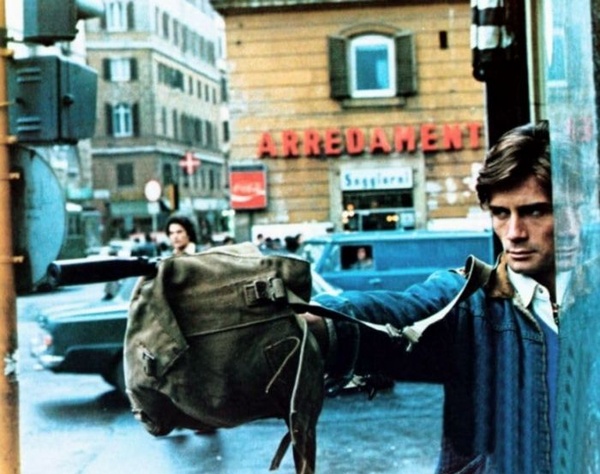
Uomini si nasce poliziotti si muore: interview with Ruggero Deodato, interview with Ray Lovelock, interview with Gianluca Curti, Fernando di Leo, Gilberto Galimberti and Armando Novelli. Another special dedicated to television commercials made by the director, with or without his commentary (20'); Italian trailer, English trailer.
L'ultimo sapore dell'aria: conversation with the director, interview with Lamberto Bava, special dedicated to television commercials made by the director, with or without his commentary (17').
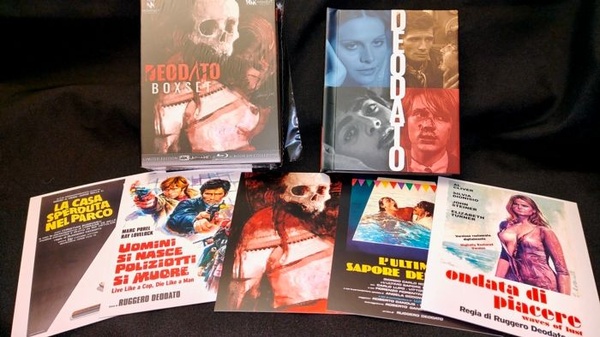
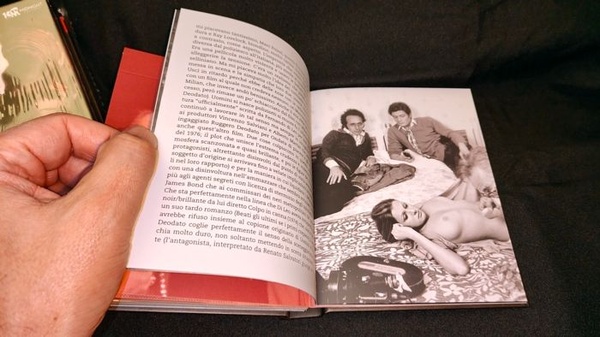
The mediabook includes a booklet of textual insights by Nocturno and 5 postcards with film posters and the exclusive artwork also found on the front cover of the box.
Score
Editorial team
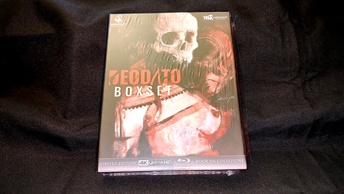
Deodato Boxset 4K – Discovering the Cult Director
A wonderful tribute to the unforgettable director and screenwriter through four films shot between 1975 and 1980, an essential box set for cinephiles that for the first time offers 4K/Dolby Vision versions (except L'ultimo sapore dell'aria/SDR) alongside 2K discs and over 5 hours of supplementary material.
Similar articles