Windrose Review — Kraken Express Redefines Piracy in Gaming
From failed MMO to refined PvE Survival: we analyze how Windrose managed to capture the essence of modern piracy.
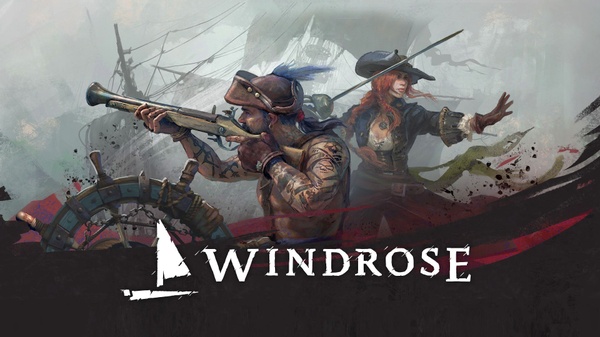


The open-world survival market is now an ocean saturated with wrecks and broken promises, but Windrose (previously known as Crosswind) emerges from the waves of its Early Access launch this month with an impressive specific weight.
With over 1.5 million wishlists accumulated on Steam, Kraken Express's work represents a unique case study in the contemporary industry: a courageous and conscious shift from an MMO structure, often synonymous with sterile grind and chronic instability, towards a cooperative PvE experience for up to four players. The challenge is not only to survive competitors but to demonstrate that an independent studio can synthesize the physicality of Assassin's Creed IV: Black Flag and the systemic stratification of Valheim into a single, coherent entertainment package.
Gallery
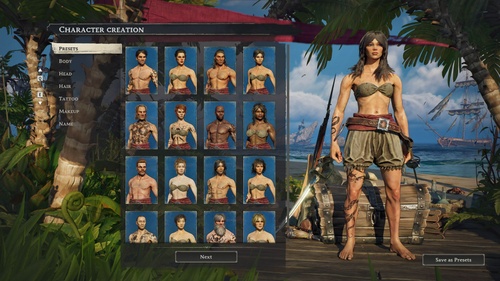
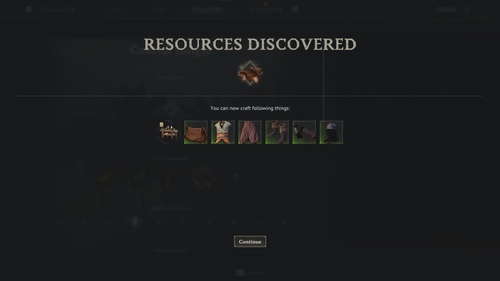
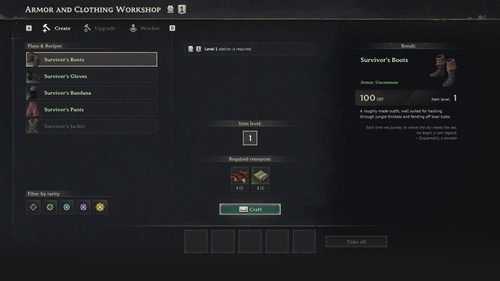
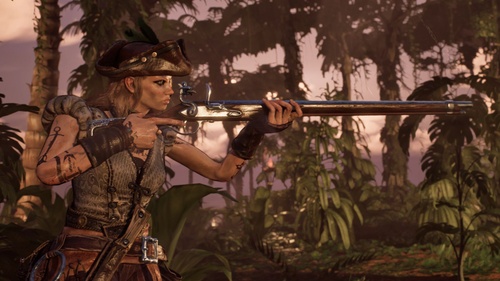
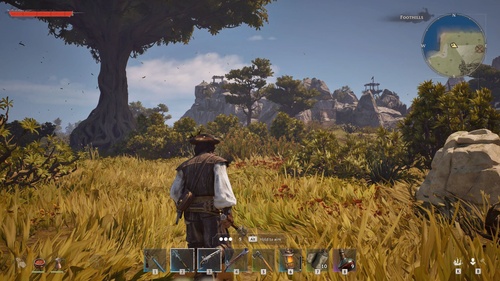
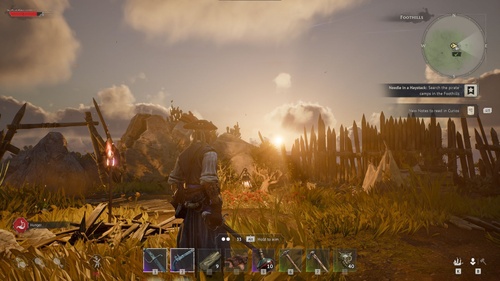
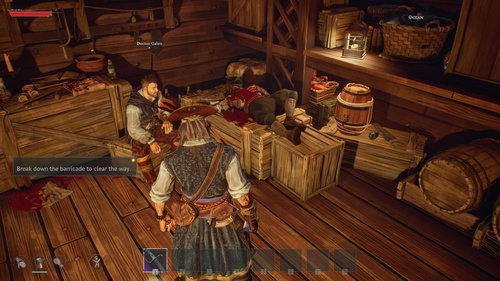
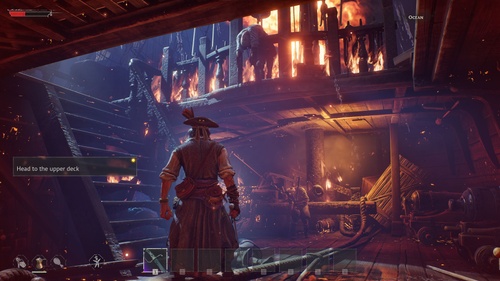
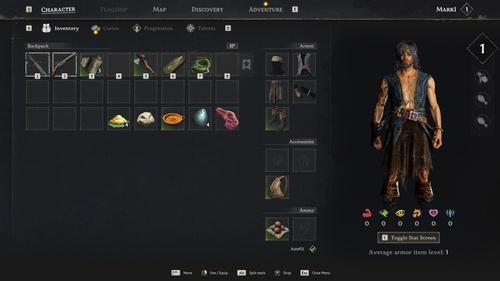
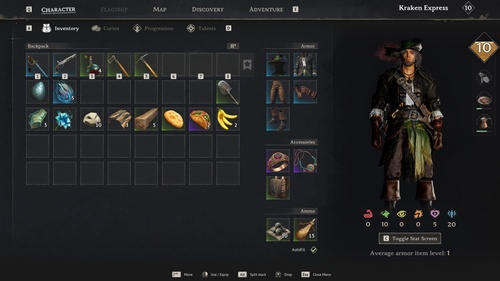
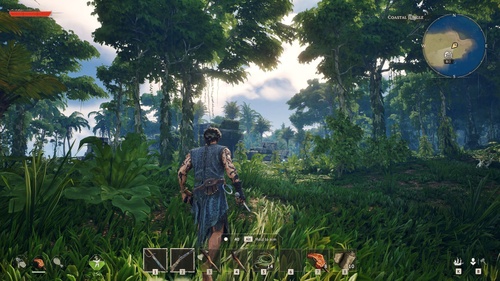
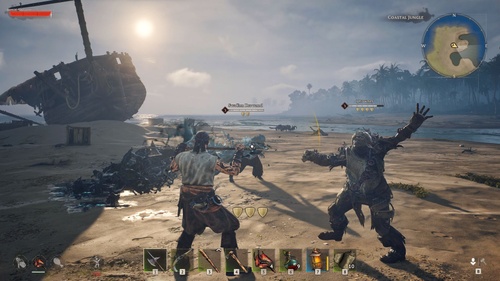
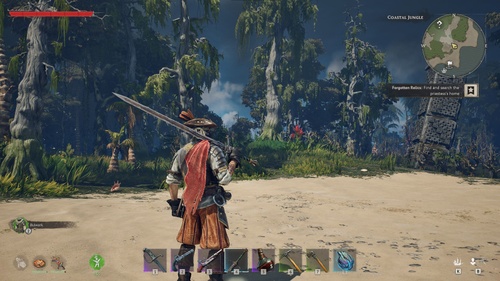
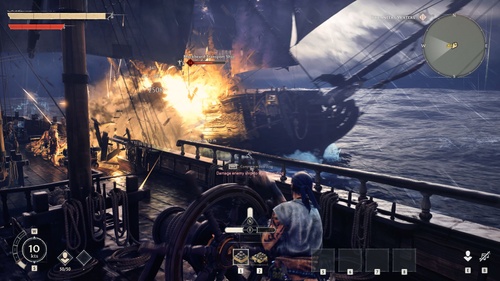
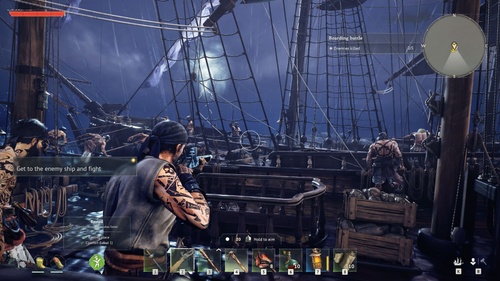
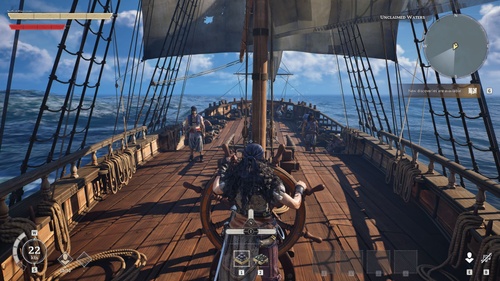
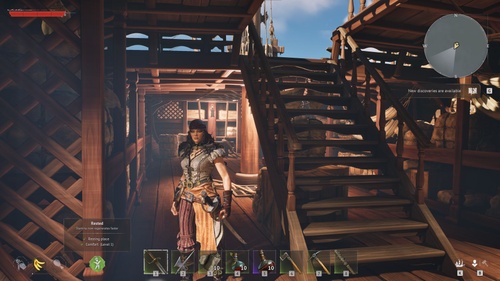
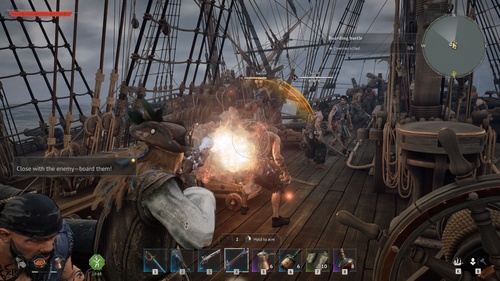
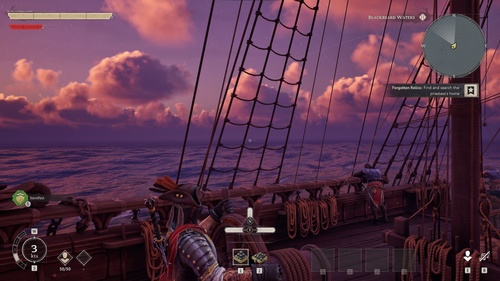
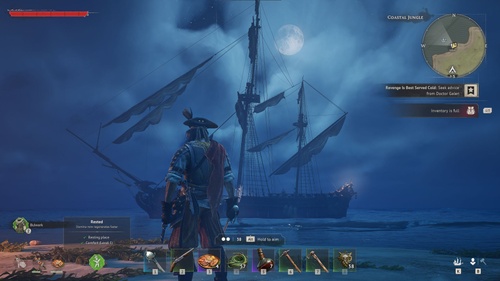
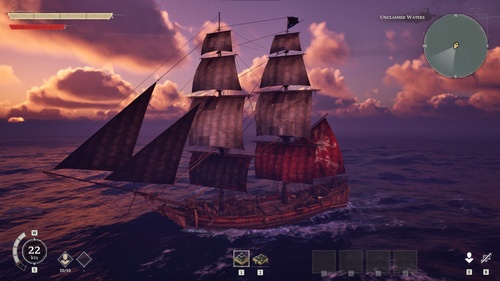
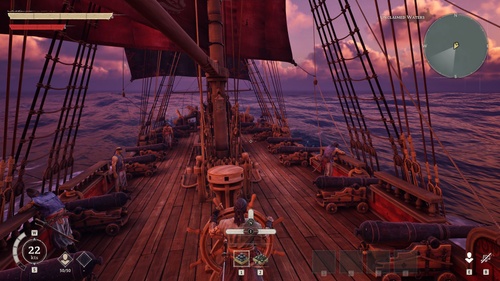
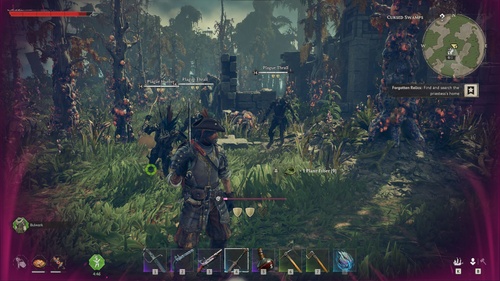
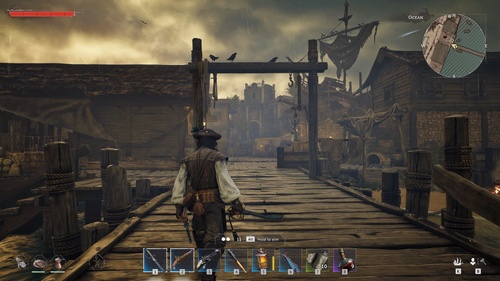
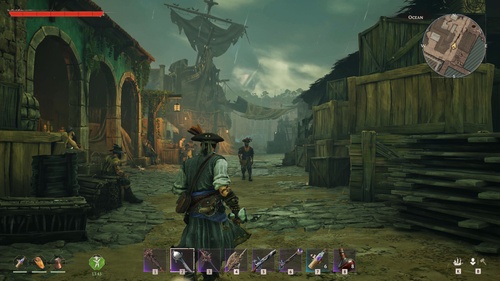
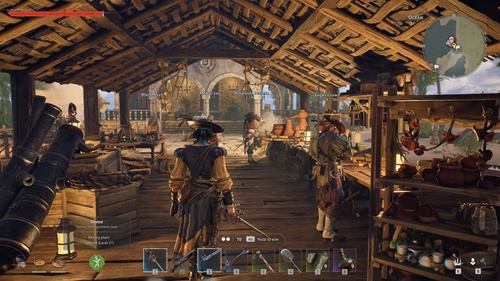
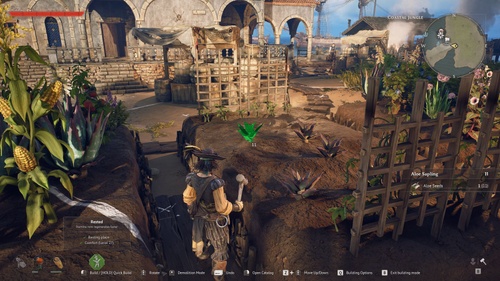
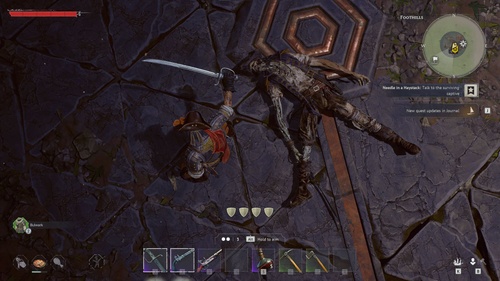
However, it is necessary to look beyond the aesthetics: the debut recorded peaks of 134,421 concurrent users, a volume that exposed the fragility of the network infrastructure and confirmed that the pivot from MMO to survival was not an uncritical triumph, but a strategic retreat dictated by the inability to manage a persistent live service infrastructure.
If in the 8-bit era we were content with the textual management of Sid Meier's Pirates!, today we demand a simulation that is tactile, visceral, and technically up to par with our machines, even if Windrose still struggles to caulk the leaks of code that to call "unstable" is a diplomatic euphemism.
Pirates Ahoy: How to Survive the Lore of Windrose?
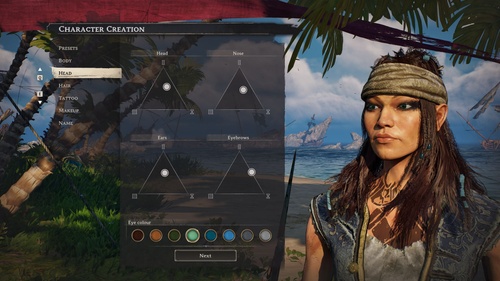
The narrative premise of Windrose avoids the clichés of the gentleman buccaneer to embrace a dark, esoteric tone, owing much more to the supernatural drifts of Pirates of the Caribbean and the literature of J.G. Ballard than to classical historiography. The player embodies a betrayed captain, killed and subsequently cast ashore on the Cursed Archipelago thanks to a cursed artifact.
This condition of immortality is not a lazy literary device: the death loop is the canonical pillar of the game world. To die means to be consumed by runes and regenerated by the artifact, a process that narratively justifies the loss of XP and resources. The setting, while stating the year, uses historical fidelity as a thin veil on which to embroider an atmosphere of a "submerged world" that recalls the existential pessimism of The Drowned World: here piracy is merely a means to escape a metaphysical condemnation.
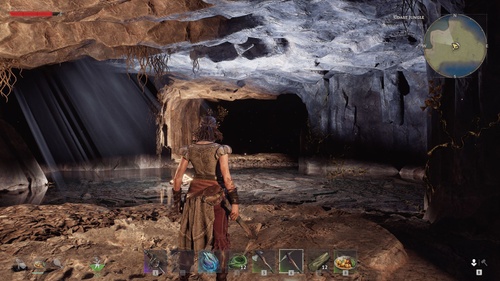
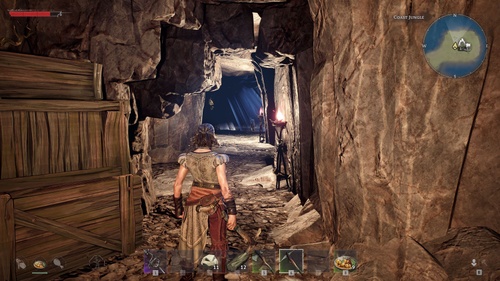
The writing develops at a skillful pace along a main campaign estimated between 50 and 70 hours, but the real depth emerges from the supernatural subtext. The influence of the runes is not just aesthetic: they dictate the rules of physics and geography of 30 procedurally generated islands. Environmental narration is entrusted to over 90 points of interest where the world's coherence emerges from documents describing the conflict between empires and dark forces. However, for the player seeking a linear narrative, the experience can feel fragmented, almost hermetic, requiring an interpretative effort that not all navigators are willing to undertake.
It's Hard Being a Pirate!
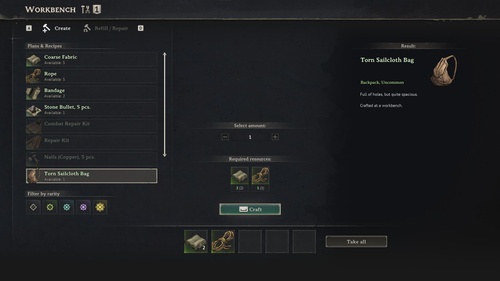
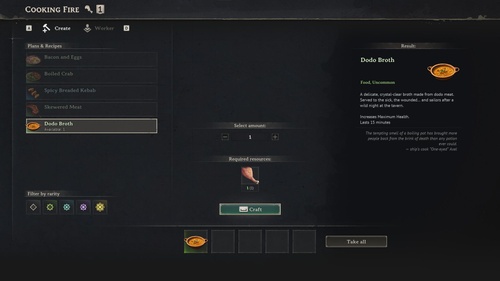
The core loop of Windrose is a clockwork mechanism based on a systemic approach to survival. The lesson of Valheim is technically evolved here: modular nutrition is not just a simple hunger indicator. Each food provides specific multipliers: a meal of boar meat and runic roots not only increases stamina but also affects the vigor regeneration rate during dodge frames, allowing you to go from a meager buffer of two slashes to a sequence of five or six consecutive attacks. This transforms culinary crafting into a min-maxing operation necessary to tackle higher-level dungeons.
Automation represents the real turning point compared to the competition. You are not alone in your refuge: recruiting NPCs and assigning them to crafting stations (forge, sawmill, workbench) guarantees a 30% efficiency bonus on production speed and a significant reduction in raw material consumption. Ignoring this component means condemning yourself to an unsustainable grind for advanced metal smelting, where the time required to process copper ingots becomes a frustrating bottleneck without the support of a dedicated crew.
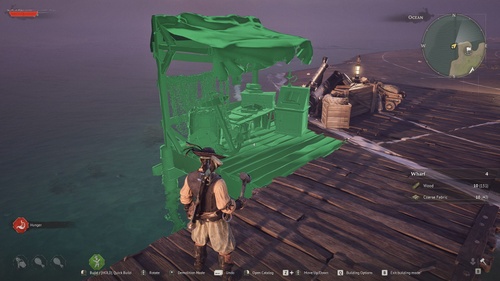
Naval progression is an evolution of complex systems, not just a change of aesthetic models. Moving from a Ketch to a Frigate means managing a doubling of firepower but also a radically different crew management. While on the dinghy the player can do everything, on the Frigate it is mandatory to delegate cannon reloading and sail management to NPCs or co-op friends.
In this context, talents like Powder Monkey (which reduces artillery reload time by 15%) become pillars of the meta-game build, making the difference between victory and sinking during a boarding. Be careful though: boarding is often a less efficient choice than simply sinking from a distance due to the disproportionate lethality of enemies on deck, a "risk vs reward" balance that still leans too much towards artillery caution.
Technically on Point, Despite Being AA
From a technical standpoint, Windrose is a title developed on Unreal Engine 5 that severely tests mid-range hardware. Tested on a configuration with an NVIDIA GeForce RTX 4060 Ti (8GB VRAM) and an ultrawide monitor, the software reveals the physical limits of video memory. At 21:9 resolution, the 8GB of VRAM is saturated almost instantly if "Epic" textures and Global Illumination via Lumen are activated. This causes violent stuttering during asset streaming, making the use of an NVMe SSD not an option, but a mandatory structural requirement to avoid micro-stutters every time the camera quickly rotates towards a new horizon.
Support for DLSS 3.5 with Frame Generation is not a luxury for a few: it is the only lifeline to maintain a stable frame-time above 60 FPS at 1440p Ultrawide. Without the aid of NVIDIA's artificial intelligence, the 4060 struggles to manage dynamic wave simulation and shadows cast by dense vegetation, often slipping towards 35-40 FPS. Furthermore, the code suffers from severe memory leaks related to shader management: after about 3 hours of session, system RAM consumption grows exponentially, leading to failed sessions or client crashes. This is a critical issue that Kraken Express must prioritize, along with frequent token timeouts during connection to cooperative servers, which have plagued the launch, making the multiplayer experience a gamble.
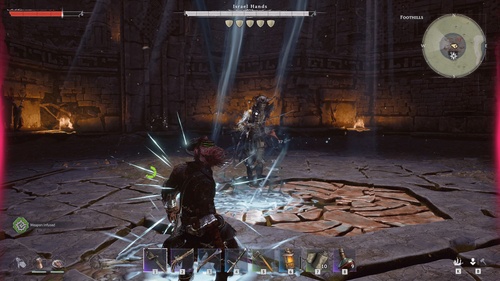
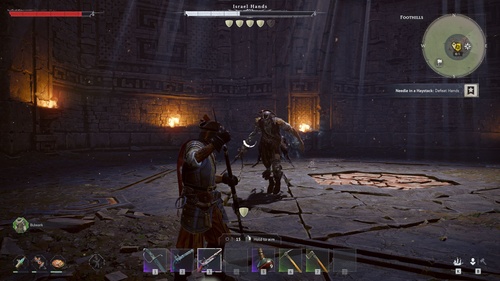
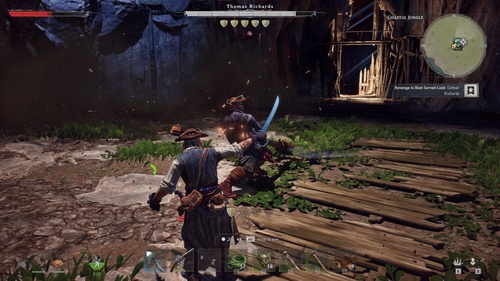
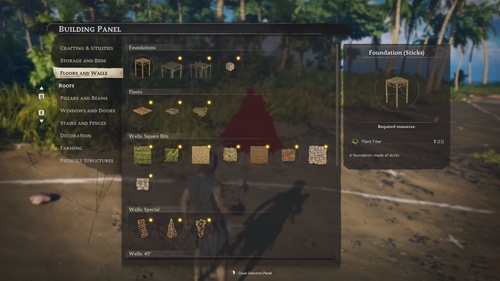
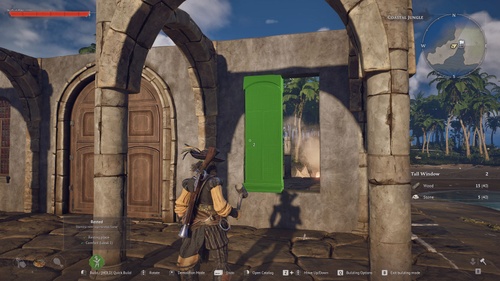
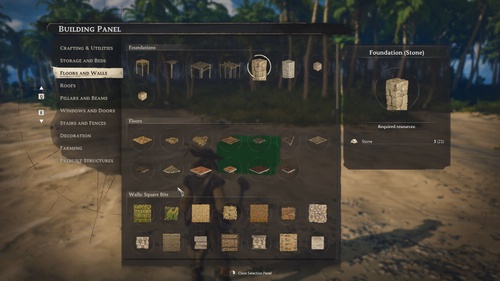
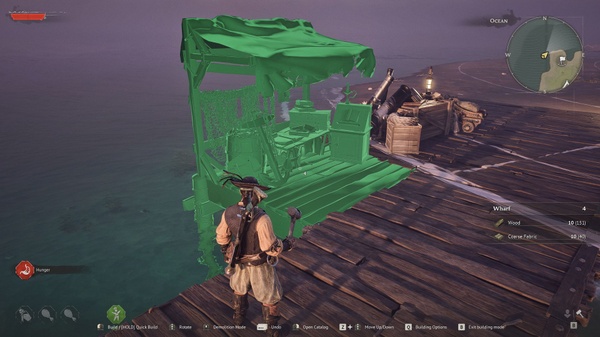
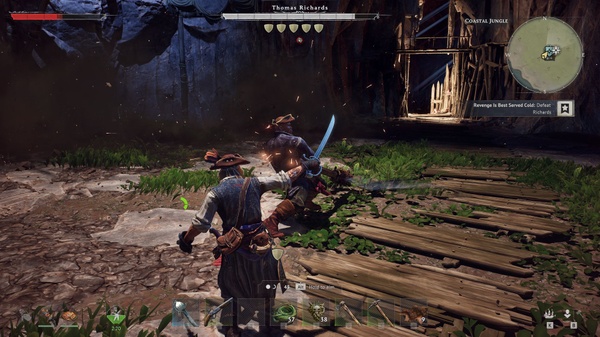
Finally, one must be honest about ground combat: despite the "souls-lite" claim, the feeling is clunky and monotonous. Animations are rigid, the variety of enemy patterns is limited, and the building system suffers from frequent errors in structure placement, where a pixel off-axis can prevent a roof from closing, forcing frustrating demolitions.
Score
Editorial team
Windrose Review — Kraken Express Redefines Piracy in Gaming
Windrose is a crystalline ambition that still has to contend with the reality of unstable code and an MMO past never fully metabolized. The pivot from Crosswind saved the project's soul, but it didn't resolve the original sins of a graphics engine too heavy for the content offered. The core loop is magnetic and navigation is among the best in the genre, but the friction of ground combat, severe memory leaks, and a grind that risks becoming work without NPC automation heavily limit its enjoyability. It's a title for purists willing to fight against the machine, a rough diamond that still requires many optimization cycles before it can shine without compromise.
Similar articles