Fear the Timeloop: Review of a game where you live to die
Fear the Timeloop plunges us into the shoes of a police officer in a continuous cycle of death



In Fear the Timeloop, you awaken as Sheriff James Cooper, gravely wounded and trapped in Saint Heritage Hospital, a dark place populated by deformed creatures – do you want to call them zombies? – and surrounded by mysterious figures that prevent any escape attempt. The protagonist has only fifteen minutes before bleeding to death, but each time the cycle ends, he reawakens retaining memories, information, and progress, transforming death into a narrative piece useful for gradually uncovering the hospital's secrets and the serial killer he is pursuing. The gloomy atmosphere, the constant sense of vulnerability, and the presence of choices that modify dialogues and revelations contribute to a narrative built on psychological stress and the progressive discovery of the mystery, in addition to the tedious impending end of available time.
From a graphical standpoint, Fear the Timeloop focuses on a claustrophobic setting dominated by narrow corridors, reduced lighting, and sealed wards that enhance an artistic direction oriented towards realistic horror. The visual presentation emphasizes darkness and a sense of disorientation, while the hospital's structure recalls an almost Metroidvania design with areas that open only after certain progress, contributing to an aesthetic impact consistent with the fragmented exploration strategy. The creatures that infest the hospital are unsettling and well-integrated into the overall tone of the adventure, reinforcing the constant tension, although the references to genre cornerstones, primarily Resident Evil, are quite evident.
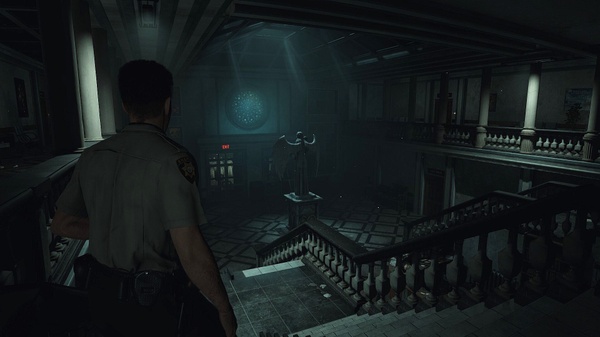
Fear the Timeloop: Dead among the Dead
The gameplay is entirely built around the fifteen-minute time loop mechanic, which, with each repetition, invites the player to experiment with alternative routes, discover shortcuts, gain additional abilities, and modify their approach to dialogues. Progression allows for customizing James through a skill system that favors mobility, combat, or resistance, leaving freedom in playstyle. Resources are limited, encounters require attention, and the player must decide whether to confront, avoid, or circumvent enemies, integrating choices within a structure that rewards planning and memory. The branching dialogue system reacts to actions taken in previous loops, opening or closing narrative and operational paths. All of this makes each run intense and different, reducing the typical frustration of the genre and transforming the fast pace into a strong point.
As for duration, the cyclical structure guarantees high replayability and short but dense sessions, although some critical issues emerge, especially on the combat side, which in the prologue appears less dynamic and precise than one would expect from a modern survival horror. Some players might perceive a certain repetitiveness in the early hours if they fail to fully utilize the information gathered from loop to loop, while backtracking, though strategic, might be heavy for those who dislike labyrinthine environments.
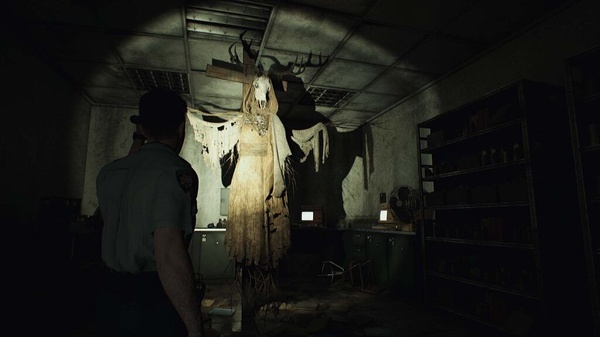
Despite this, the progression system and continuous discovery mitigate most of the rigidities, making the overall experience engaging, especially for those who appreciate horror based on gradual learning. For those who limit themselves to one run, know that you will complete everything within 3-4 hours, and to this, it must also be added that some puzzles are a bit trivial or force you to make absurd choices to find the solution, even beyond the logical forcing of a somewhat superficial script, but overall it is a decent experience, especially if you love the genre.
Score
Editorial team

Fear the Timeloop: Review of a game where you live to die
Fear the Timeloop is an indie game that, despite having a low budget and animations that aren't particularly outstanding, still manages to deliver some thrills for fans of the genre. While you wait for the new official Resident Evil, take a trip to Saint Heritage Hospital.
Similar articles