NVIDIA Vera – Gaming After the AI Conquest
A project that inevitably raises questions about the future of PC gaming
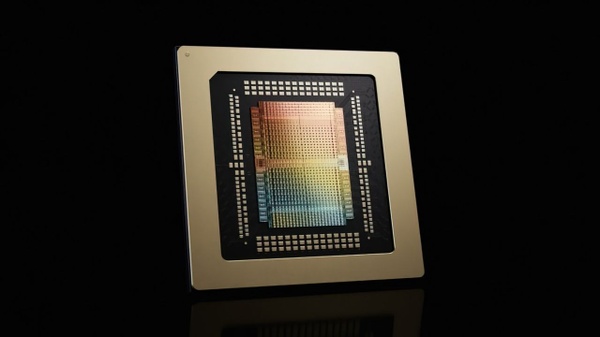


NVIDIA officially enters the high-performance CPU market, aiming directly at the heart of the global AI infrastructure with Vera. The new proprietary ARM processor, developed to accompany the Rubin platform, promises superior performance and significantly lower power consumption compared to traditional x86 solutions used in data centers.
The company openly speaks of a $200 billion opportunity, claiming it can achieve approximately $20 billion in revenue this year from standalone CPUs alone. Vera integrates 88 custom Olympus cores and is designed to handle agentic artificial intelligence workloads, advanced inference, and the orchestration of enormous AI models.
And gaming could be the next step
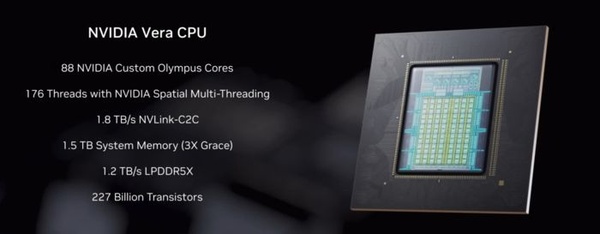
Although Vera is designed for servers and hyperscalers, the project inevitably raises questions about the future of PC gaming. NVIDIA already dominates the GPU sector thanks to technologies like DLSS and Frame Generation, but with a proprietary CPU, it could one day control the entire hardware platform.
The main obstacle remains Windows on ARM, which is still far from the maturity needed to truly replace the x86 ecosystem of AMD and Intel. However, NVIDIA already has extensive experience with ARM architectures thanks to Tegra chips and its collaboration with Nintendo.
For now, Vera remains an enterprise product, but the boundary between AI and gaming continues to blur. And the idea of a future PC gaming platform entirely branded NVIDIA no longer seems like science fiction.
Similar articles