Mortal Kombat II 4K – A Rain of Blows and Fatalities
Shot natively up to 4.6K, at least one killer audio track, interesting extras
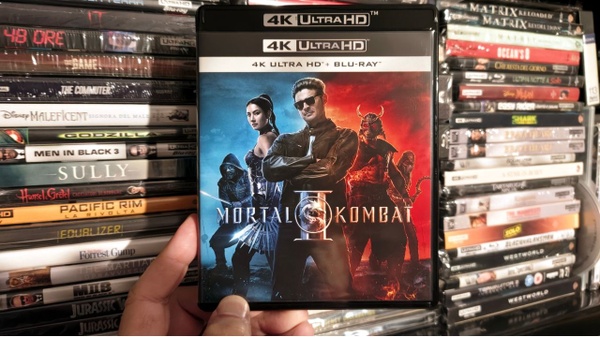


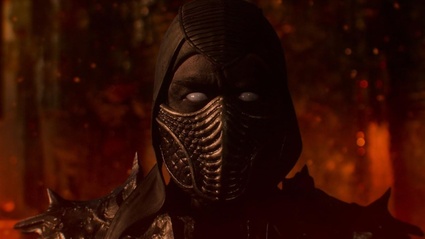
The new cinematic chapter of Mortal Kombat finds its raison d'être in its faithfulness to the most immediate spirit of the video game: fights, devastating blows, and fatalities taken to the extreme. The film does not attempt to ennoble the source material with elaborate plots and, compared to its predecessor, at least avoids burdening the narrative with subplots that remain largely unresolved.
This choice makes the pacing more direct, but it doesn't resolve the weaknesses in the writing. Characters often move like pawns destined to reach the next confrontation, without acquiring true depth. But for most old-school gamers, this might just be enough.
A Digital Carnage, But It's Fun
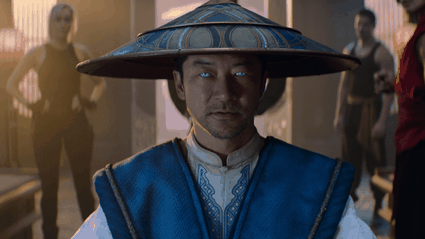
Karl Urban is Johnny Cage, a long-awaited presence for those familiar with the video game saga. However, his ironic contribution, also built through self-parody, is not enough to make him the focal point of the story. Kitana stands out the most, played by Adeline Rudolph, while Shao Kahn benefits from a more decisive characterization. Even Hiroyuki Sanada and Tadanobu Asano, despite their talent, end up relegated to marginal roles. Sonya Blade fares no better: Jessica McNamee finds herself grappling with a stereotypical character, reduced to the usual gritty warrior, with dialogues that do her little justice.
The staging prioritizes digital spectacle over the physicality of martial arts. Some fights work, but at times there's a lack of the choreographic precision that makes works like The Raid - Redemption or Ong-Bak memorable. The result is most enjoyable for those looking for an unpretentious video game adaptation, succeeding more as nostalgic entertainment.
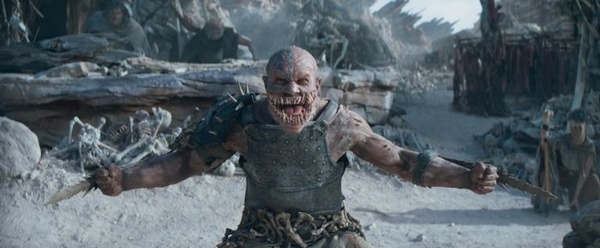
Digitally shot at native resolution 4.6/4.5K (Arri Alexa 35 and Arri Alexa Mini), finalizing production on a 4K master. Image format 2.39:1 (3840 x 2160/23.97p), HEVC encoding on a BD-100 triple layer disc. The UHD disc offers high detail even in the background, brilliant colors, deep blacks, and excellent contrast. The practical effects and CGI integrate effectively, except for some more visible transitions due to the high resolution. The only compromise concerns the format, locked at 2.39:1 without variations to 1.90:1 compared to the IMAX sequences for theaters. Stephen F. Windon's cinematography maintains aesthetic continuity with the previous film, also in the palette and choreography thanks to Dolby Vision.
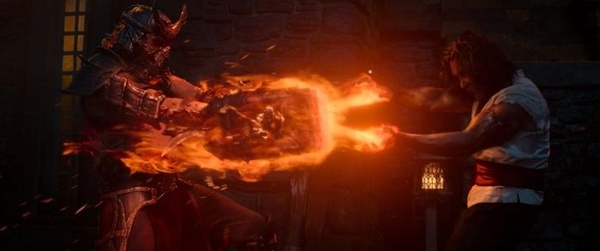
Italian Dolby Digital 5.1 (640 kbps) with sufficient rendition, immediately feeling the need for a greater stage presence from the rear channels and, more generally, a dynamic that enhances the many fights. Superior but a step below the reference zone is the original Dolby TrueHD 7.1 (16 bit) with ATMOS objects. An immersive and powerful sound experience with effective use of height effects and deep bass. Benjamin Wallfisch's soundtrack and the video game effects thus find space in a dynamic and full-bodied track.
The extras include the following short but interesting featurettes: Evolving the Saga (7') on the development of the sequel; Building the Realms of Mortal Kombat (6') dedicated to set design and effects; Choose Your Fighter (6') on the characters; Klose Quarters Kombat (7'), on the fight choreography; A Boon to Gamers Everywhere (3') on the connection to the video game saga. Italian subtitles included.
Similar articles