Cabal 4K - Theatrical and Director's Cut Review
With a 2026 master, the extended version re-edited by the director is still unreleased in the USA
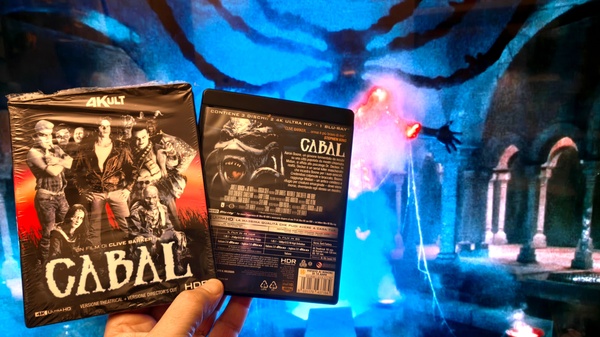


In 1990, Clive Barker brought the ambitious Nightbreed to the screen, titled Cabal in Italy, shifting horror towards a reflection on marginalization. The result was an irregular work, penalized by an editing that ultimately sacrificed important narrative passages, while sustaining an imagery that is still surprising today.
Aaron Boone (Craig Sheffer) is tormented by recurring dreams of Midian, a place inhabited by monstrous creatures, just as his psychiatrist Decker (David Cronenberg) hides a nature that is anything but peaceful. When the young man finally reaches the Nightbreed's refuge, he discovers a community of infernal-looking creatures persecuted by humans and forced to live in the shadows.
Who is the real monster?
Barker overturns genre conventions: the creatures become victims of prejudice, while presumed human normality reveals its most ferocious face. A reading that also recalls the X-Men universe, anticipating themes destined to find greater space in fantastic cinema in subsequent years. Cronenberg, with or without a mask, remains exquisitely unsettling.
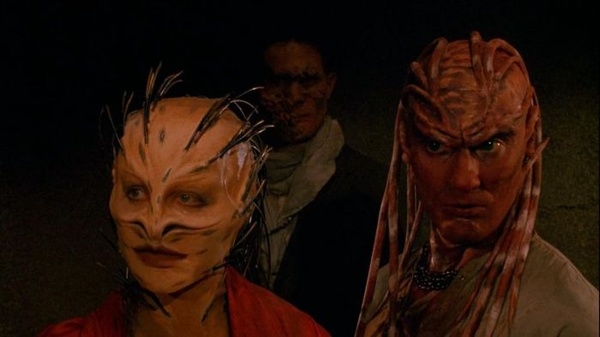
The film's strength lies primarily in the visual construction of Midian. The work on special effects and makeup gives personality to creatures far from conventional horror models, with Baphomet dominating a universe of almost mythological charm. However, the fragmentation of the narrative prevents the story from fully developing its potential, and Cabal remains an imperfect film, but its very betrayed ambitions make it a precious curiosity.
The theatrical version runs approximately 102 minutes with an edit that aimed to reduce the role of Midian's inhabitants. The Director's Cut extends to 120 minutes, recovering unreleased sequences, deepening the world of the creatures, and giving more space to the infernal community, approaching the director's original vision. In reality, these are joined by a different cut of a full 145 minutes made by Russell Cherrington in 2012, who edited it starting from work-in-progress versions on VHS along with the theatrical cut.
Shot on 35mm at unspecified ASA sensitivity, original aspect ratio 1.85:1 (3840 x 2160/23.97p), HEVC encoding on BD-66 dual layer for both the theatrical version with a 2023 4K master, and for the director's cut with 2026 restored material currently unreleased in the USA. These are scans of what are known to be the best surviving cinematic elements over time. Technically, we are looking at a substantial improvement over the previous 2K edition. Dolby Vision delivers richer and more intense colors, enhancing especially the warm tones of Midian's environments, the green of the vegetation, and the nuances of the creatures' makeup.
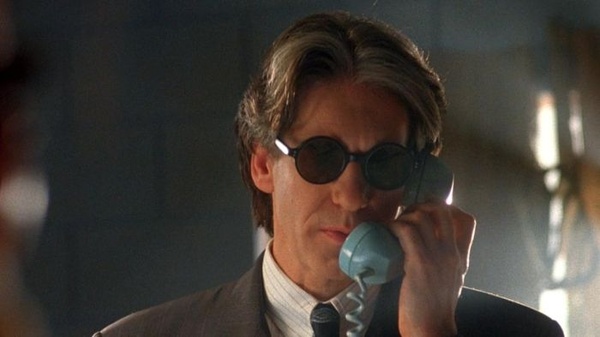
The level of detail is generally high, with good definition of surfaces, costumes, and sets. The blacks are deep, maintaining decent readability even in less illuminated environments, while highlights are sometimes a bit pushed. The cinematic grain is reproduced satisfactorily, despite some imperfections attributable to the age and condition of the original elements. Overall, an edition that enhances the film visually, while also highlighting the optical visual effects of the era.
DTS-HD Master Audio 2.0 stereo tracks (16 bit) in Italian and English, which despite the limitations of the case allow for pleasant listening even through HT listening beyond television speakers. A result that could have been even better if at least the original had been offered in 6 channels and 24 bit like the US release. Overall, both Danny Elfman's music and the dialogue and effects department are favored, with the English dialogue being a step above for direct sound. The unreleased parts of the director's cut are in original language with subtitles.
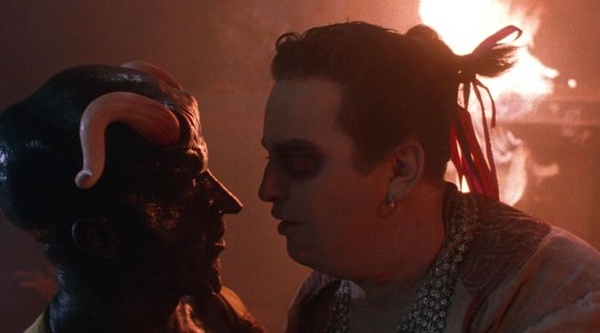
No extras. Partially embossed O-Card slipcover, numbered edition of 1000 copies with an exclusive card.
Similar articles