Gaming Without Worries: How to Save Electricity
A clear guide for gamers on managing energy and devices in their homes.
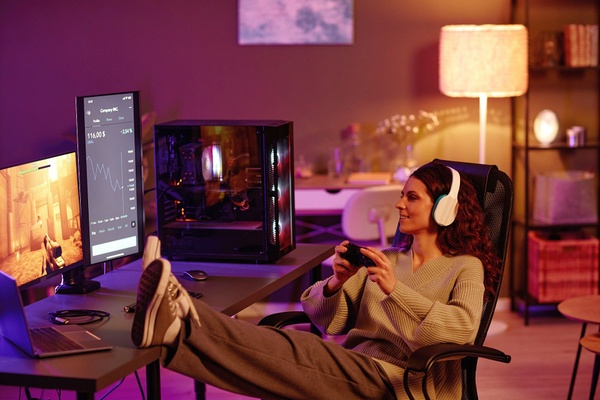


Gaming is now a stable presence in daily life: more and more often, hours are spent in virtual worlds and interactive narratives. Consoles, PCs, televisions, and connected devices have a concrete impact on household energy consumption, even if this aspect is not always clearly perceived. Gaming without worries today also means managing resources with greater awareness, without compromising the quality of the experience.
Saving energy does not necessarily mean giving up performance or reducing the time dedicated to gaming. It requires attention to how devices are used and integrated into the home space. It's a matter of balance between technology and daily management.
- The impact of always-on devices
- Choosing the right provider
- Managing usage without sacrifices
- The role of the home network
- Awareness and daily habits
- Is energy-saving mode really useful?
The impact of always-on devices
Consoles and PCs consume energy not only during direct use but also when they remain on in the background or in standby mode. The same applies to routers, smart TVs, and other devices that make up the home ecosystem. This constant activity generates consumption distributed over time, less obvious than that of gaming sessions, but still significant. The tendency to leave everything ready for use, to reduce access times, ends up affecting the amount of energy used throughout the day. Greater attention to the status of devices allows these consumptions to be reduced without interfering with the gaming experience.

Choosing the right provider
Alongside the daily management of devices, the choice of energy provider must also be considered. Opting for solutions with advantageous tariffs and transparent conditions can have a concrete impact on the costs associated with domestic electricity use. In a context where multiple devices remain connected and active for many hours a day, the relationship between consumption and energy price plays a central role. Carefully evaluating the available offers allows you to identify the solution best suited to your habits, maintaining a balance between quality of service and cost control.
Managing usage without sacrifices to save electricity
Energy saving also comes from organizing gaming sessions. Using devices purposefully, avoiding leaving them active unnecessarily, is one of the simplest solutions. Completely turning off consoles and PCs when not in use, instead of leaving them in standby, helps to contain consumption. The same applies to monitors and televisions, which often remain on even when not actively being used. These are precautions that do not alter the gaming experience but affect overall energy management, producing concrete effects over time.
The role of the home network
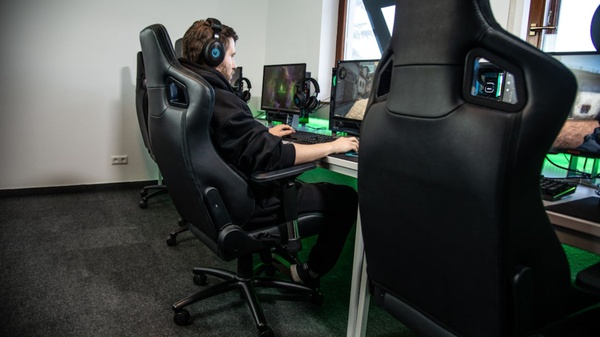
The router also contributes to the home's energy consumption. As a device that is continuously active, its impact is distributed throughout the entire day. Optimizing network usage, avoiding superfluous activities or excessive overlaps of connected devices, helps maintain a balance between service quality and consumption. Online gaming and streaming require a stable connection, but not necessarily constant and uncontrolled use of available resources.
Awareness and daily habits
The relationship between gaming and energy fits into broader habits related to technology use. The contemporary home is increasingly populated by connected devices; video games represent only a part of this ecosystem. Adopting a more conscious approach means understanding how these tools affect overall consumption and rebalancing their use. Gaming can coexist with more careful energy management, without losing its entertainment dimension.
Is energy-saving mode really useful?
Many gaming devices, such as consoles and PCs, include settings designed to reduce energy consumption during use or periods of inactivity. Activating energy-saving mode allows you to limit the resources used when the device is not being exploited to its full capacity, or to automatically reduce consumption after a period of inactivity. Functions such as automatic shutdown or scheduled suspension also help to avoid unnecessary waste. These are already available tools that can be used without significantly affecting the gaming experience, but which help maintain greater control over overall consumption.
Similar articles