Stranger Things: Tales from 1985: Was the animated spin-off really necessary?
We return to Hawkins with Eleven and her friends in ten episodes that are forcibly inserted between season two and three of the main series. On Netflix.
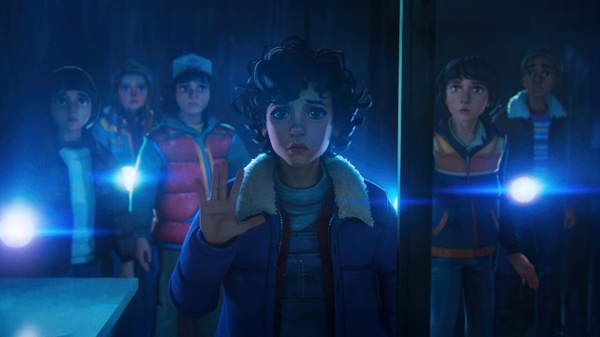


There's a date on the Netflix calendar that represents a fixed anniversary for millions of fans worldwide. We're talking about November 6th, or Stranger Things Day, the anniversary of Will Byers' disappearance into the tunnels of the Upside Down in the autumn of 1983. In November 2025, the anniversary was celebrated with the presentation of Stranger Things: Tales from 1985, at a time when there was still much anticipation for the conclusion of the main series, which, as we know in hindsight, was somewhat divisive and cleverly nostalgic.
The franchise machine, in short, has never fully stopped and has no intention of doing so, with other mysterious projects reportedly already in the pipeline. But how much sense does it make to continue to squeeze a story that had probably already given its all, stretching excessively even in its original incarnation? Let's find out after watching all ten animated episodes that make up this new project.
Gallery
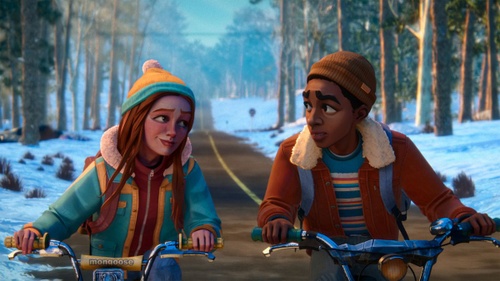
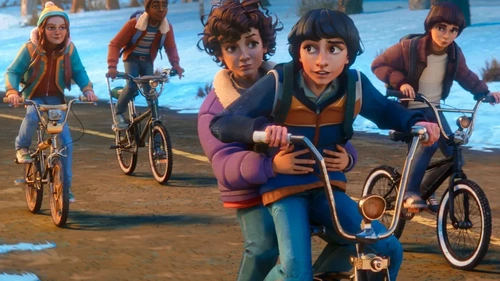
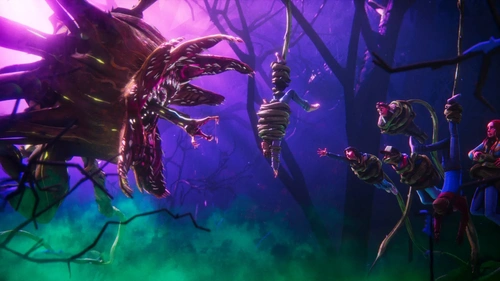
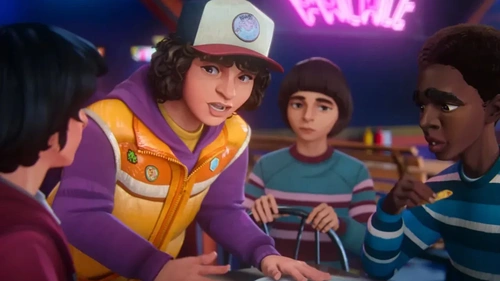
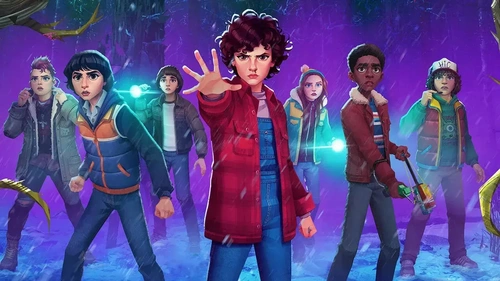
Look who's back time-traveling
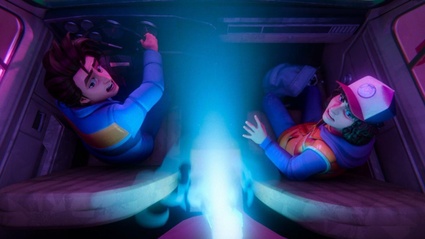
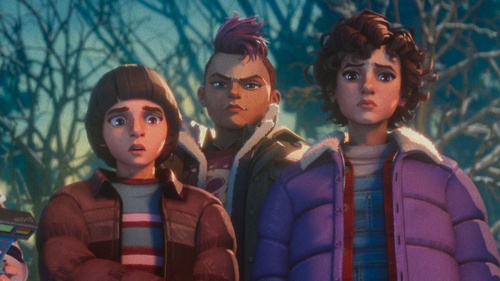
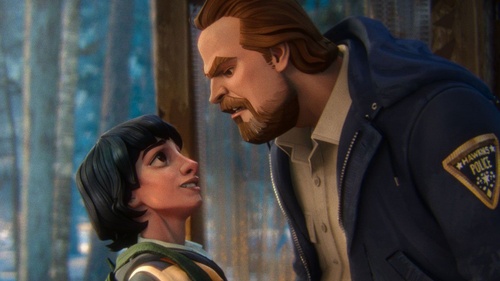
The first true spin-off, it is narratively placed between the second and third live-action seasons, in the winter of 1985, before the protagonists began to enter full adolescence. A precise choice, with our heroes still kids and the adult world, coincidentally, largely excluded: apart from brief appearances by Nancy, Jonathan, Steve, and Hopper, the adults are absent, leaving the field open to the younger ones, with Eleven once again solving every situation, perhaps even more overpowered than usual.
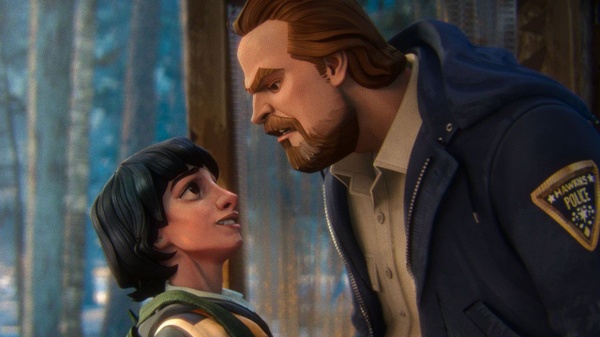
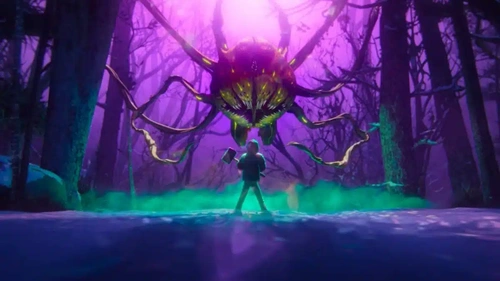
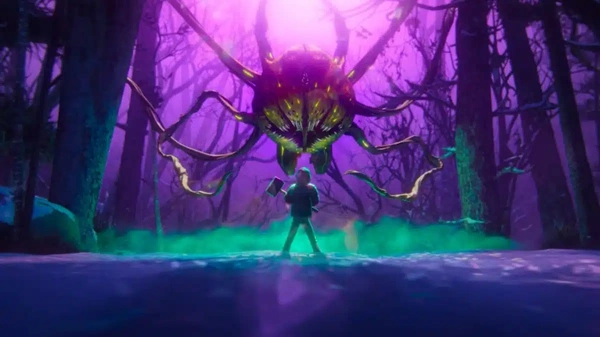
The animation is entrusted to Australia's Flying Bark Productions and looks to the aesthetic of 1980s Saturday morning cartoons, contaminated with modern techniques post-Arcane, which remains on a much higher level. The visual result is not always consistent, standing out for its chromatic care and creature design, but proving less convincing in the stylization of those iconic characters that we are all now accustomed to identifying with the human faces of their respective actors. Actors who, moreover, do not return to voice their alter egos, creating a disorienting effect at least for those accustomed to watching in V.O.
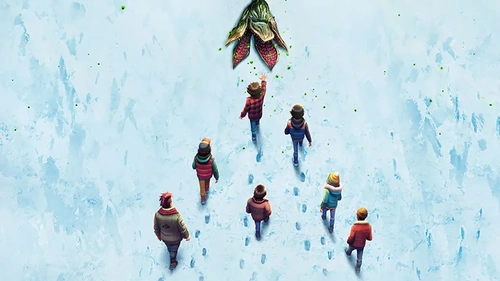
The story picks up exactly where the second season left off: the group has defeated the Mind Flayer, Will is safely home, and life in Hawkins seems to have found a semblance of normality, made of D&D games and afternoons in front of arcade cabinets. Obviously, this apparent tranquility is not destined to last, as something dark stirs beneath the snow that has covered the town: a new threat from the Upside Down will force the group to contend with new creatures.
An easy game of references and winks
While the plot initially maintains a certain rhythm, episode after episode it ends up dragging on excessively, and the forced insertion of a new character - punk student Nikki Baxter, with pink hair and standard studs - is not enough to offer the necessary variety of situations and dialogues, which almost exclusively rely on what the audience already knows.
The most evident problem of Stranger Things: Tales from 1985, however, is neither narrative nor aesthetic, but rather one of identity. The series cannot truly decide who it is speaking to: at times it seems to address a younger audience - perhaps with the intent of introducing them to this universe - but at the same time, the referential call to the fanbase is omnipresent, and those unaware of previous events will inevitably be disoriented. Those beloved figures, with whom many have grown up over the ten years that characterized the (mis)adventures of Stranger Things, here become impersonal caricatures, transforming from peculiar individuals into generic silhouettes, filled with familiar attributes by the needs of a script that feels compelled to return to the scene of the crime to justify its forced existence.
And a soundtrack that echoes the now iconic motif, and the more or less coherent insertion of 1980s sounds and songs to accompany the climax of events - where the action, it must be said, becomes predominant - are not enough to recreate the same magic. The bike rides, the D&D games, the Demogorgons and the like, and the unshakeable friendship among the members of the Party, bring us back to a known and unique imaginary, but without the driving effect of the original, Stranger Things: Tales from 1985 would probably have had very little chance of success.
Gallery
Score
Editorial team
Stranger Things: Tales from 1985: Was the animated spin-off really necessary?
Stranger Things: Tales from 1985 is, ultimately, exactly what was to be expected: a product conceived with the clear intent to capitalize on a consolidated fanbase. Ten animated episodes, with a total duration of about five hours, forcibly inserted into an already complete narrative ecosystem, operating not by chance as a midquel, bridging the second and third seasons of the main series. Hawkins and its young protagonists come to life in pixel form, with an aesthetic that stands out more in the design of the creatures than in the expressive management of the characters, but structural shortcomings and a general effect of self-referential recycling dampen its appeal.
Similar articles