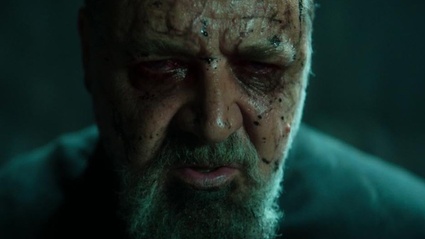
The Whisper Man, the return of average films?
Robert De Niro and Adam Scott are father and son in this story of past and present guilt, where a serial killer kidnaps children, emulating those who came before him. On Netflix.
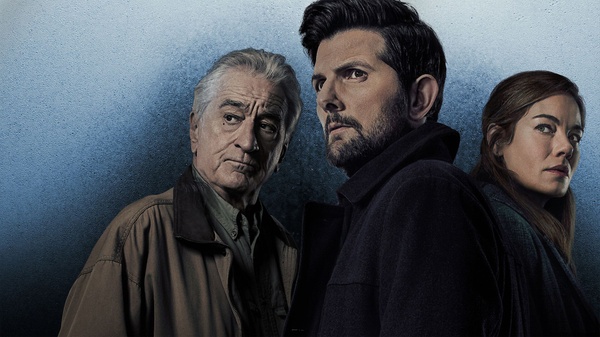


Tom Kennedy is a widowed novelist. After the tragic death of his wife, he decides to move with Jake, his eight-year-old son, to the town of Featherbank, where his father Peter, a former police officer with whom he hasn't had contact for years, also lives. The community is still deeply shaken by the memory of Frank Carter, a serial killer nicknamed The Whisper Man for his particular modus operandi: before kidnapping his young victims, he would let them listen to a nursery rhyme and whisper through doors and windows.
Carter was arrested fifteen years prior by Peter himself, now a retired detective. When a child disappears without a trace, in a case that closely resembles his predecessor's method, and Jake himself is also kidnapped, Tom is forced to turn to the parent he had estranged himself from. Meanwhile, Detective Amanda Beck leads the investigation and notices the disturbing analogies with that dramatic past.
Gallery
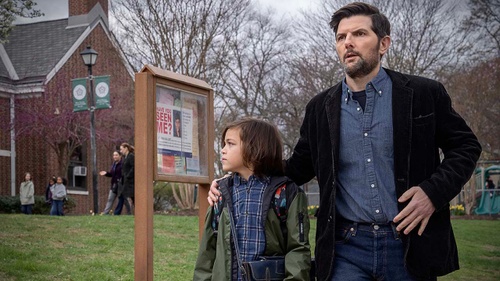
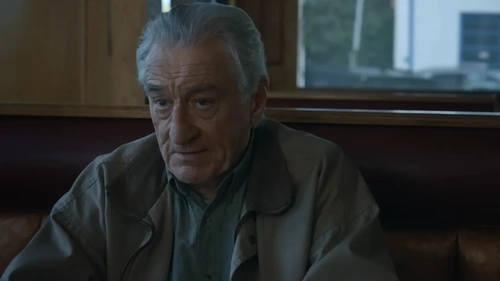
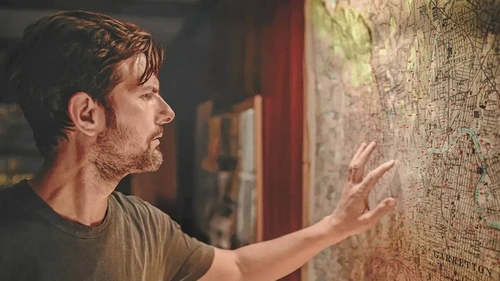
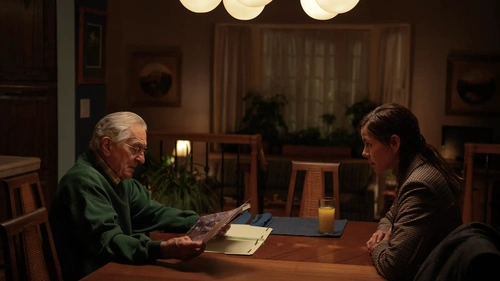
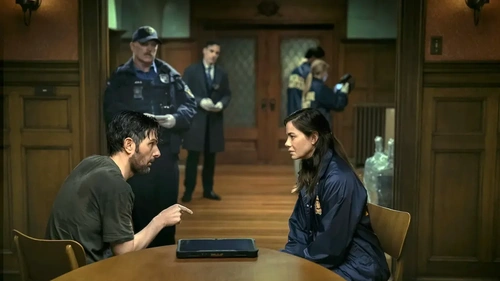
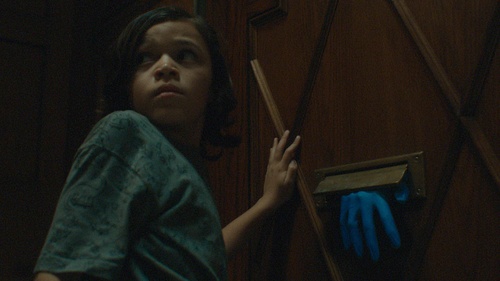
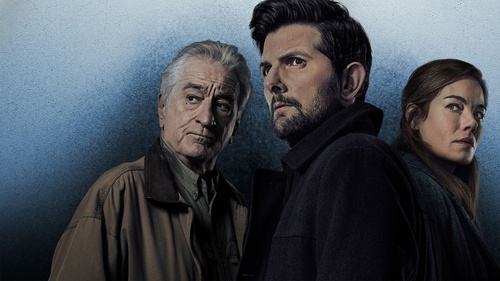
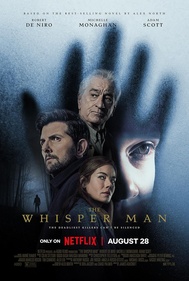
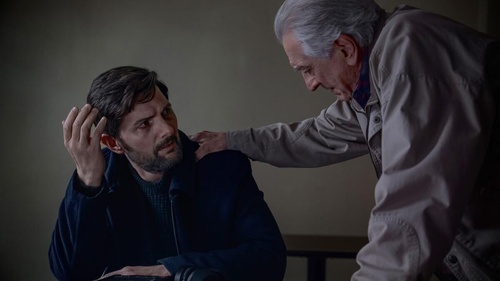
History Repeats Itself
A missing child, an unsettling nursery rhyme, a town that is the stage for a tragic story about to repeat itself. And naturally, as in any self-respecting crime thriller, a serial killer in prison and someone ready to emulate him on the outside. The Whisper Man couldn't be more blatant in declaring its influences, looking to certain Nineties genre cinema. The problem is that this would have been a classic average film of said decade, now welcomed in the streaming era as a sort of event-title due to the luxurious cast available.
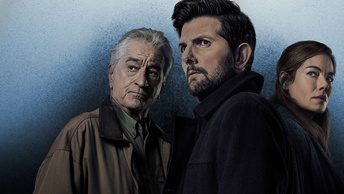
In the key roles, we find Robert De Niro and Michael Keaton, with the now prominent Adam Scott and Michelle Monaghan completing a top-tier acting ensemble. Director James Ashcroft consciously chose to revive those American psychological thriller atmospheres, but the almost two hours of viewing risk falling victim to said formula, limiting itself to a pleasant package without ever daring to do something more, effectively performing a simple reiteration of archetypal logics.
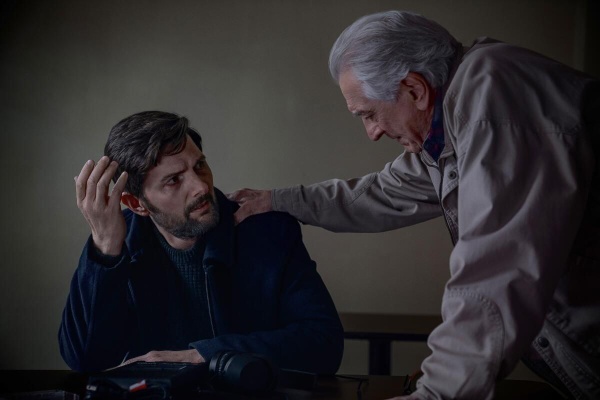
Unexpressed Ideas
The main problem is that The Whisper Man doesn't fully exploit the various potentials inherent in the story, an adaptation of the eponymous novel written in 2019 by Alex North. The juxtaposition between the figure of the serial killer and the conflicted father-son relationship, complete with pseudo-paranormal suggestions, was interesting on paper, but for much of the story, we witness an accumulation of clues according to a relatively traditional construction, weaving in red herrings, family mysteries, memories, and visions in a disorganized manner, to the point where the mechanism risks jamming more quickly than expected.
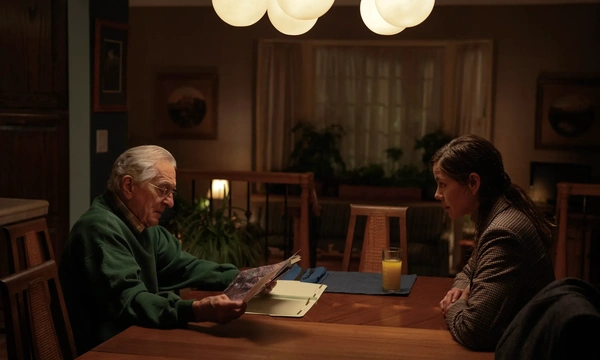
The tension in several scenes reaches decent peaks, but it's a shame that the final showdown nullifies the atmosphere built up previously: that chase and pursuit, between sacrificial instincts, last-minute rescues, and fortuitous insights, is full of contrivances solely designed to lead to a reassuring and conciliatory ending, suitable for a wide audience. And the more or less exhausted discussion about the "sins of the fathers falling on the sons" lacks the necessary ambiguity, relying on the De Niro - Scott connection with solutions that are certainly not original.
Gallery
Score
Editorial team
The Whisper Man, the return of average films?
The Whisper Man lacks freshness and merely recycles a consolidated Nineties aesthetic, featuring serial killers, kidnapped children, and a supernatural element that blends with a much grittier reality. But relying on the craft of Robert De Niro and Michael Keaton isn't enough to build a credible story, with the pages of the eponymous novel brought to life on screen in an adaptation that manages to reveal potentially interesting ideas, only to descend into equally avoidable obviousness. A conventional film, where the atmospheres of a bygone era of average genre cinema make it appear more "past its prime" than genuinely nostalgic or referential.
Similar articles