Carosello in Love: Love, Dreams, and Advertising in Post-War Italy
The collaboration between Rai and the production company Groenlandia returns, through a 20-year love story that becomes one with the history of Italian television.


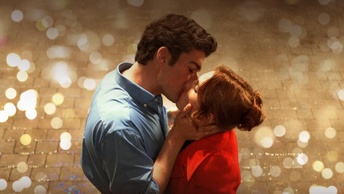
Laura (Ludovica Martini) is a girl drawn to the magnetic power of television; that magic box seems capable of changing everything: people's customs, their desires, their personal destinies. Mario (Giacomo Giorgio), on the other hand, is an aspiring director who prefers great auteur cinema à la Fellini or social documentaries to the cathode ray tube. The two young people live in the same neighborhood, will coincidentally both end up working at Rai, and both (albeit with profoundly different spirits) will collaborate on a program destined to change Italy's customs and traditions: Carosello.
Gallery
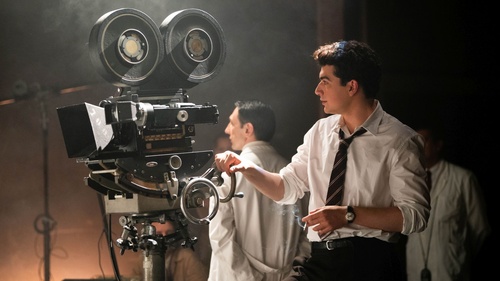
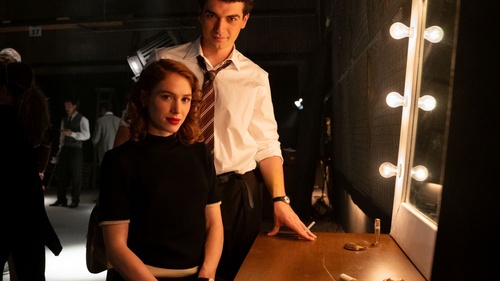
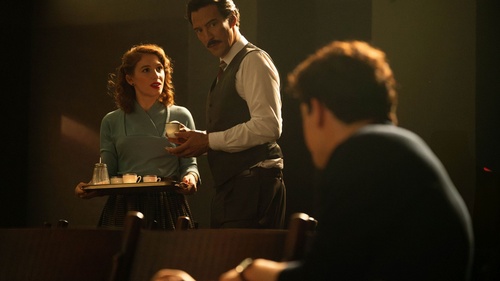
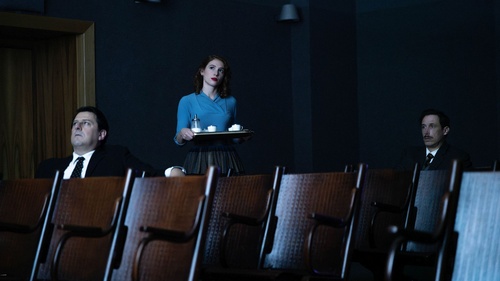
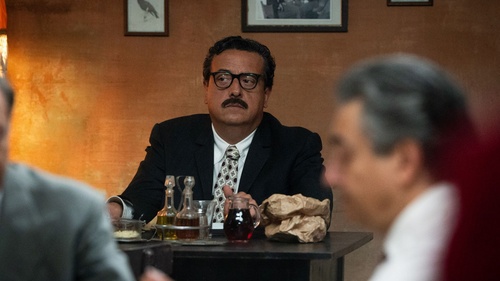
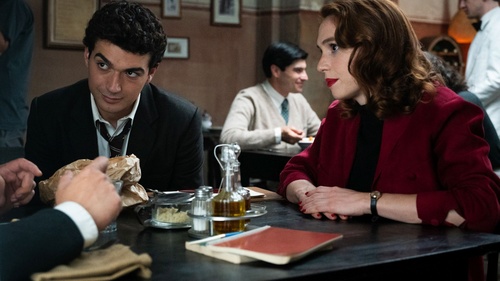
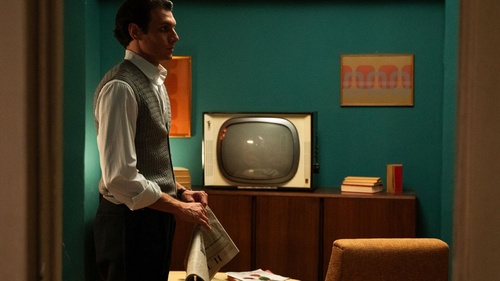
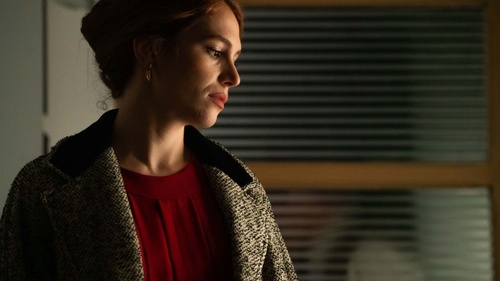
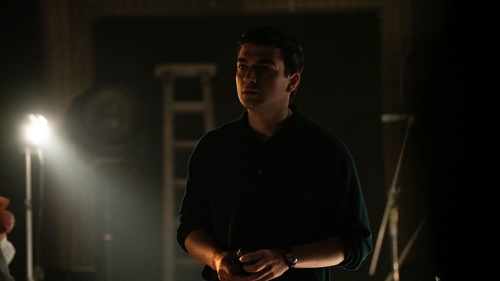
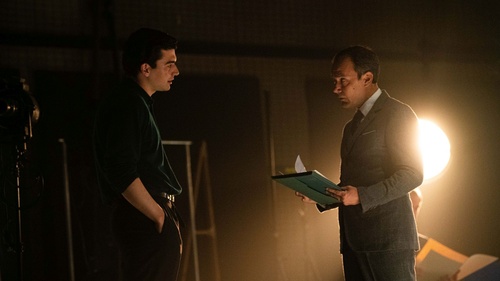
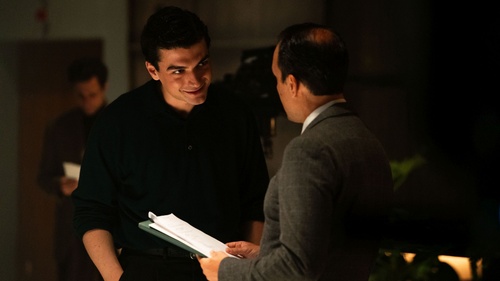
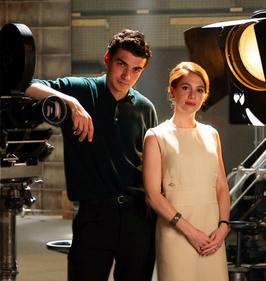
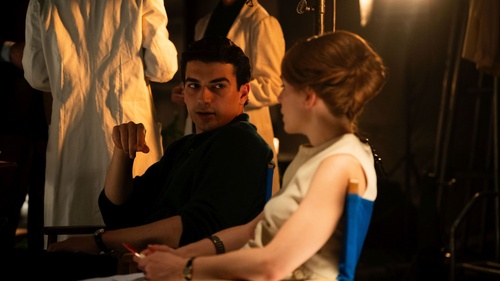
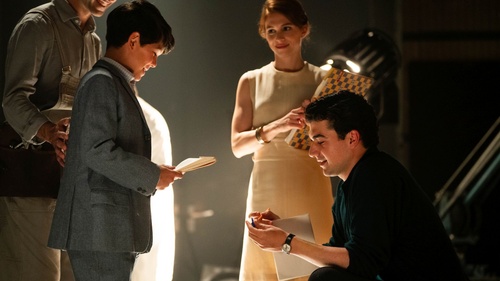
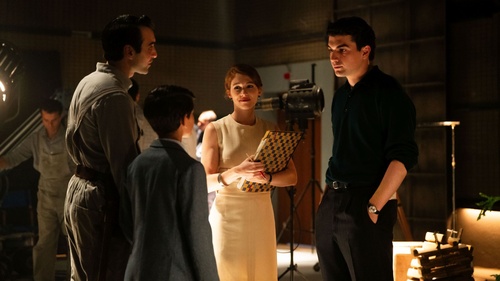
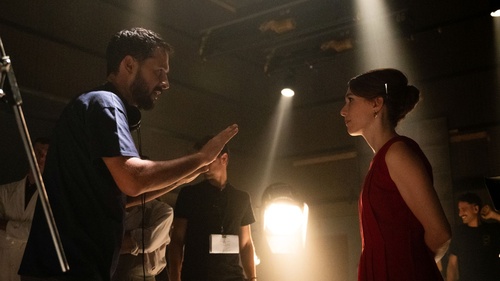
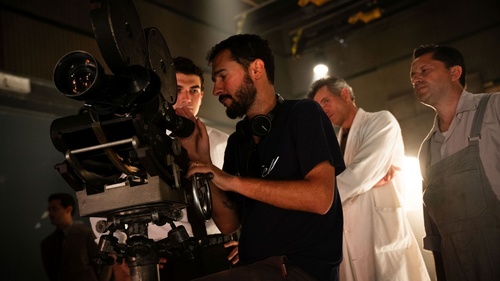
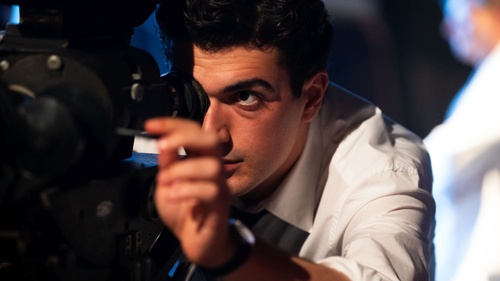
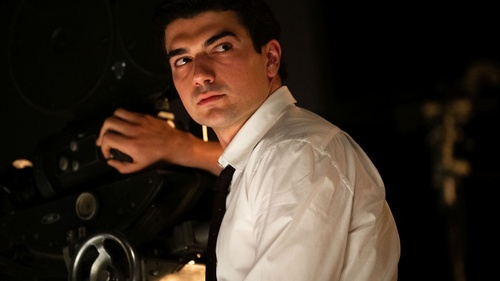
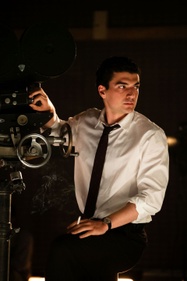
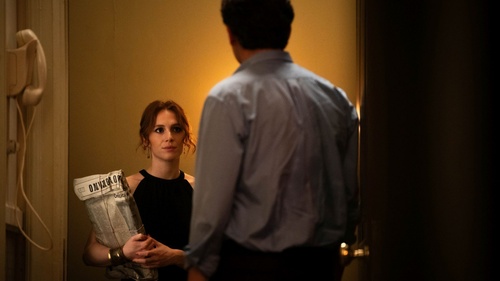
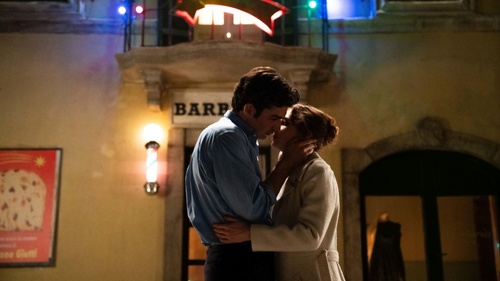
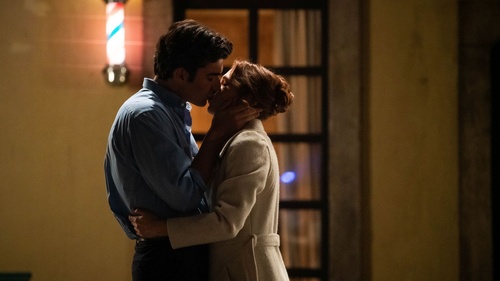
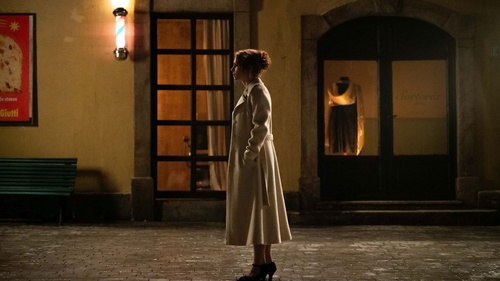
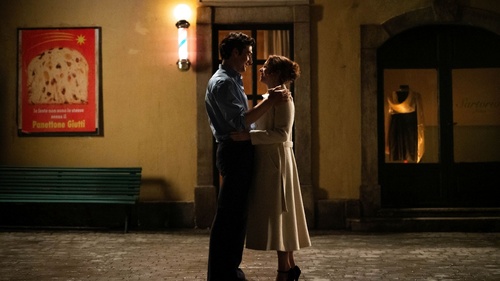
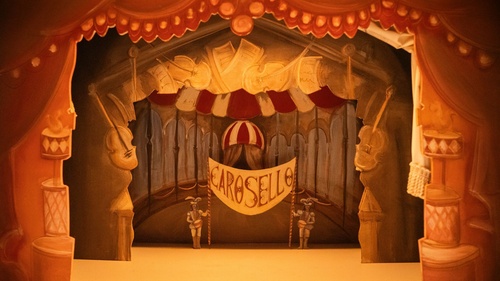
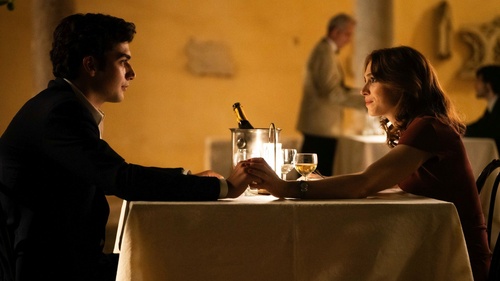
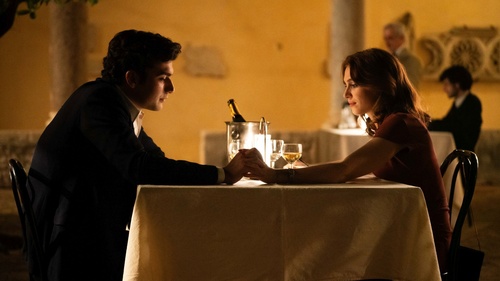
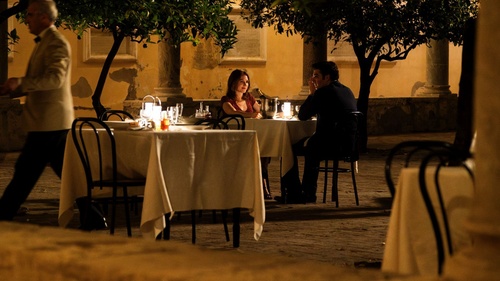
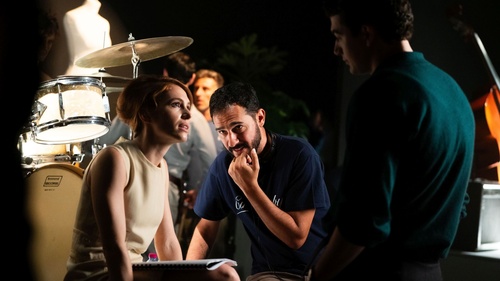
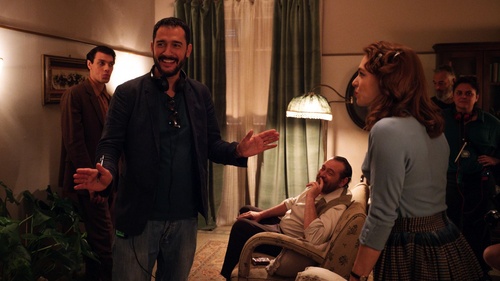
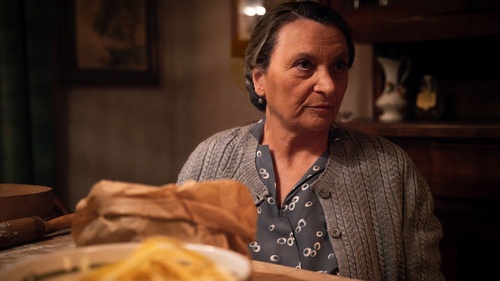
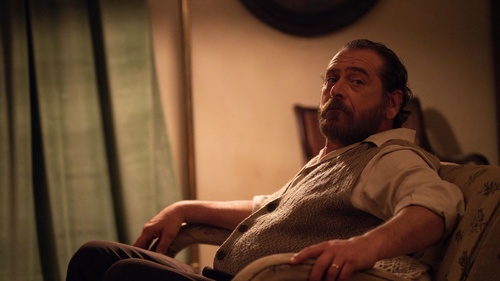
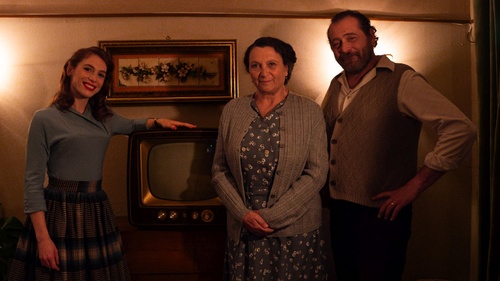
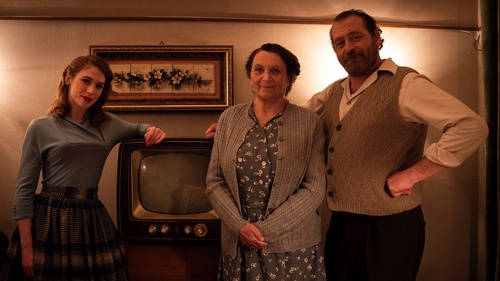
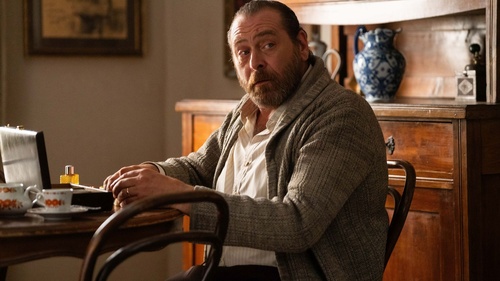
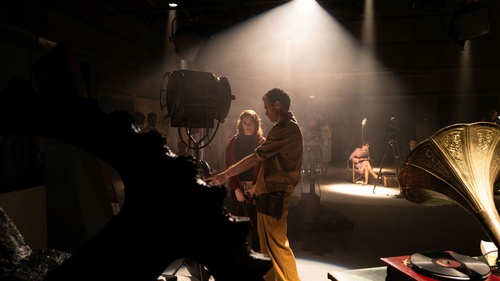
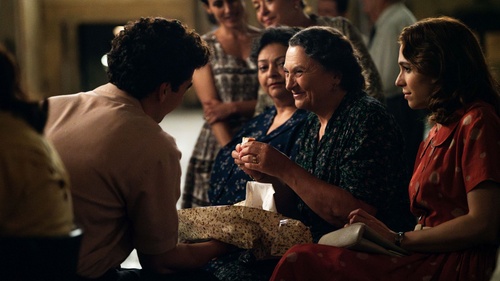
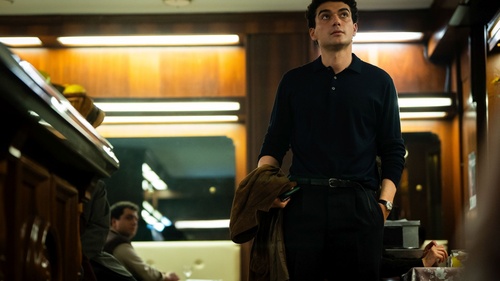
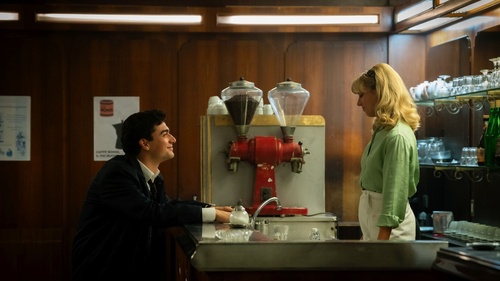
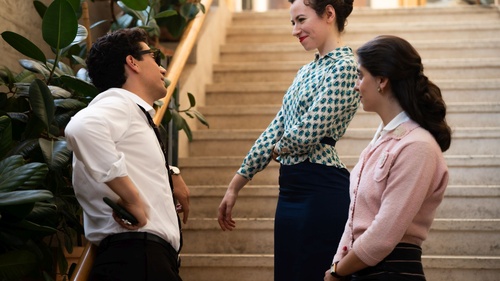
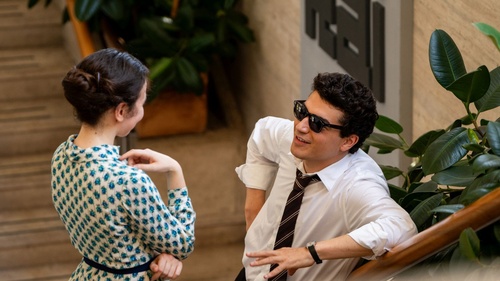
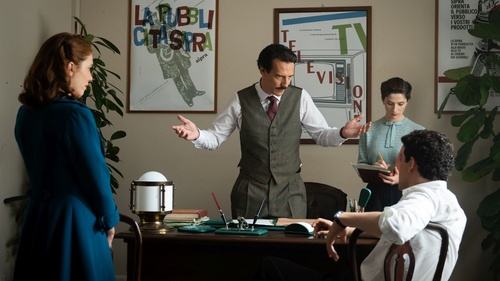
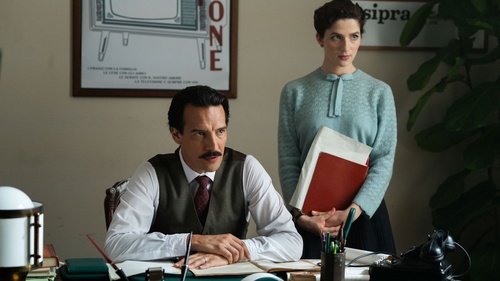
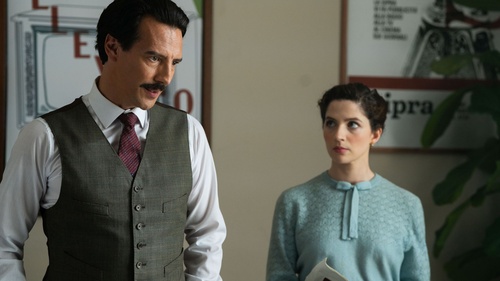
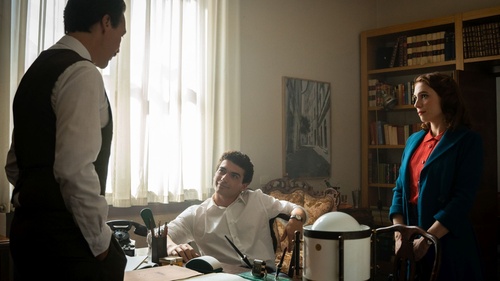
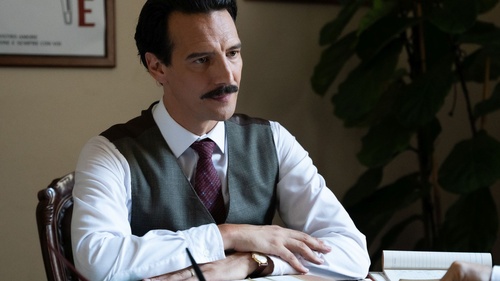
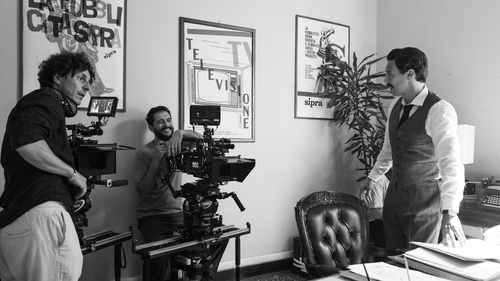
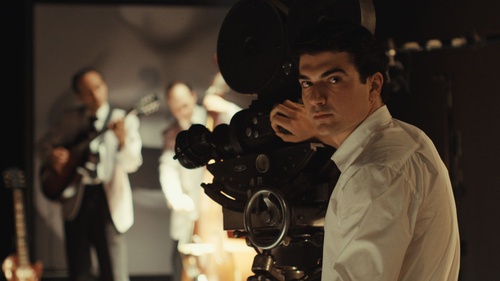
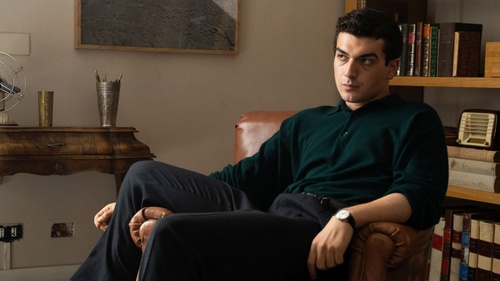
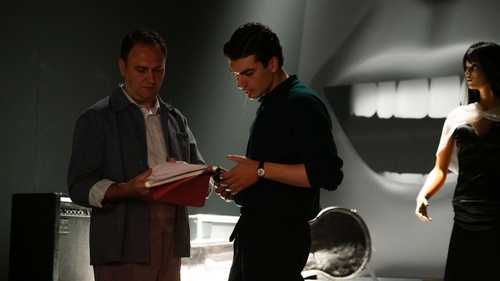
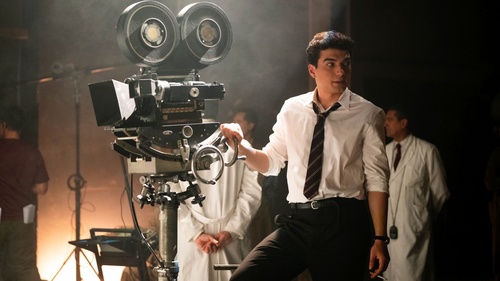
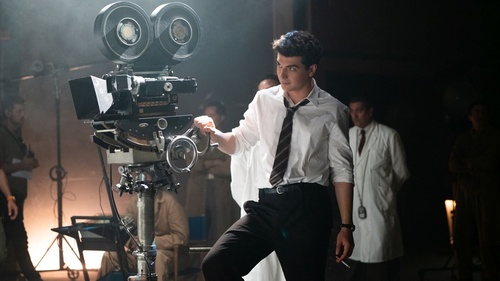
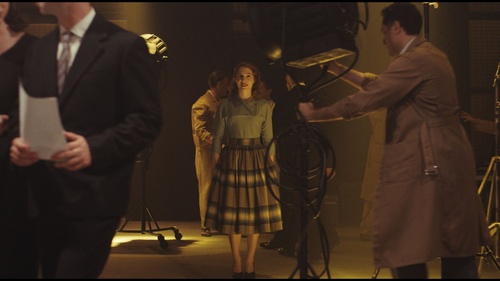
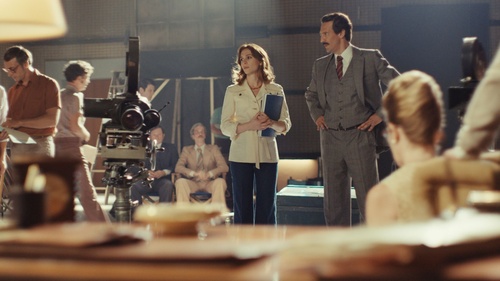
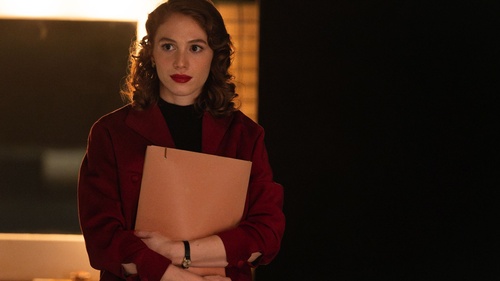
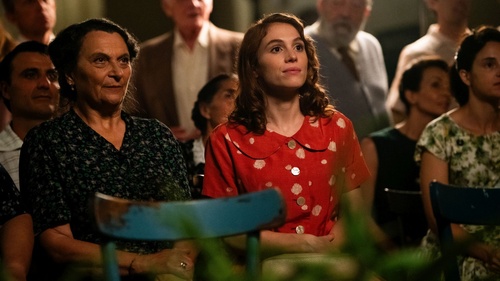
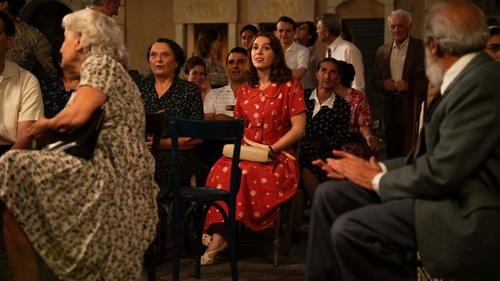
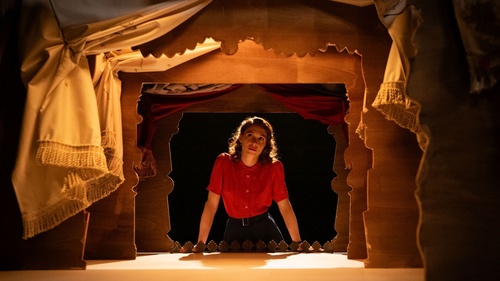

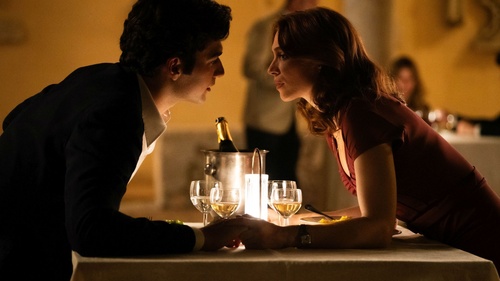
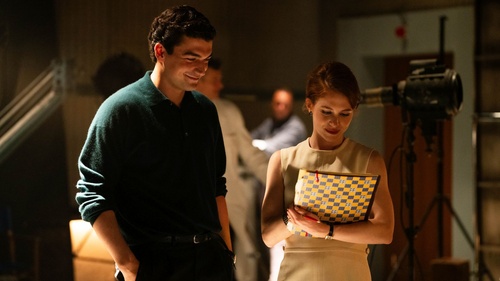
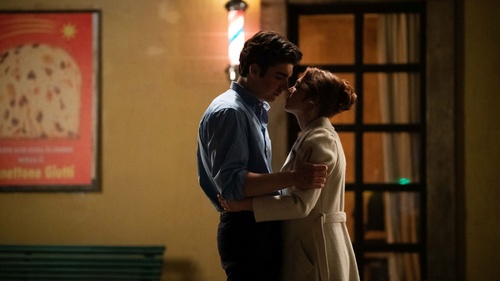
The production company Groenlandia (conceived and led by directors Matteo Rovere and Sydney Sibilia) has for years developed a genre capable of closely connecting television with cinema. For example, the biographical film made about Renato Carosone (aired on Rai1 in prime time with promotion on the Sanremo Festival stage in 2021) or other products centered on our country's popular culture. Today, under the direction of Jacopo Bonvicini, they offer the general public Carosello in Love: the story of a television program through a narrative concerning its behind-the-scenes.
In 1957, Rai faced the challenge of creating an advertising container capable of economically sustaining the complex machinery of the new public TV, beyond the annual subscription fee.
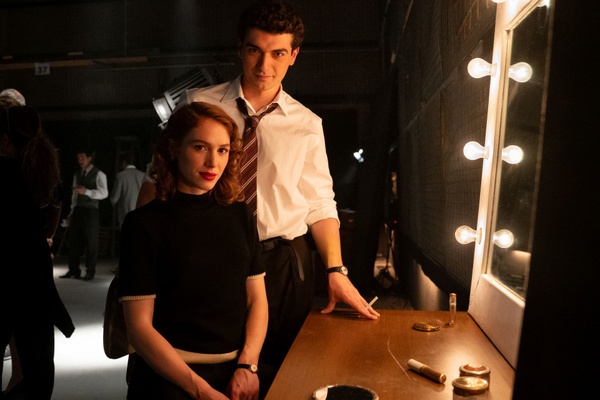
Hence the idea of Carosello: an evening slot where these advertisements themselves become small sketches of almost two minutes, in which to follow short stories or adventures of the celebrities of the moment. Carosello in Love shows us all this through the figure of Laura, who, from a simple switchboard operator, finds herself assisting director Righetti in the first steps of this program, even devising sketches, linguistic innovations, and catchphrases herself (in this sense, there seems to be a reference to the character played by Alessandra Mastronardi in C'era una volta Studio Uno, produced by Lux Vide and also aired on Rai1 in 2017).
Some of these catchphrases that she will devise we literally see being born before our eyes (as in the significant scene with Marcello Marchesi, where the expression "Basta la parola" ["The word is enough"] referring to Falqui laxative is coined).
Meanwhile, Italy changes, as do the lives of the two protagonists: Laura slowly climbs the Rai hierarchy but marries a man who is only seemingly reliable and loving. Roberto continues to direct Carosello commercials without breaking into the film world, against a backdrop of strong relational precariousness.
It will be the very melancholic end of the program that represents a turning point for their lives and their relationship.
And it is as if the end of the program also represents the last gasp of a certain idea of Italy, of advertising, and of television (Laura is contacted by an "entrepreneur from Milan" to work on a private television project). As well as the end of a perhaps too long youth for the two protagonists. In this sense, the development of the relationship between the two main characters and especially Giacomo Giorgio's performance (who develops an extremely negative character, only to masterfully reverse the role) turns out to be the most interesting point of the story.
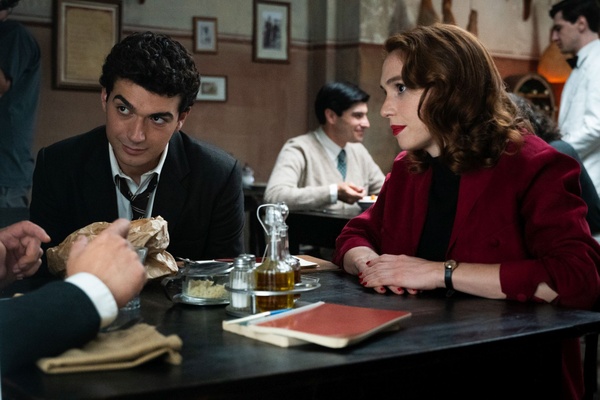
Which (as the title clearly highlights) manages to combine a romantic and not obvious love story of two imaginary characters with the story of one of the most important socio-cultural phenomena of our country, capable of entering the dictionary (not just linguistic) of our country.
6
Score
Editorial team
Carosello in Love: Love, Dreams, and Advertising in Post-War Italy
"Carosello in Love" is a nostalgic and sentimental operation that hits its mark, albeit without leaving an indelible impression. Bonvicini's film successfully captures the magical and pioneering atmosphere of the early days of Italian commercial television, thanks to a convincing set reconstruction and a well-chosen soundtrack. The chemistry between Giacomo Giorgio and Ludovica Martino, moreover, is undeniable, giving us moments of sincere sweetness that elevate the plot beyond the simple cliché of a period romantic comedy, even touching on strictly current themes such as divorce and female emancipation.
Similar articles