The Relic: First Guardian – Review of the game that combines soulslike and RPG
The Relic: First Guardian is a game that aims high but struggles under the weight of expectations. Read the review


When in late 2020 Project Cloud Games, a small indie team of fewer than ten people, unveiled The Relic: First Guardian, it captured the attention of critics and players alike. Many were impressed by how a title with that production level could represent the debut work for the software house.
Over the years, the hype surrounding the game steadily grew. This was due both to the shared material – which showed a production qualitatively closer to a double-A than an indie – and to the development team's statements, which repeatedly emphasized their desire to propose a formula capable of reinterpreting the soulslike and RPG genres.
Other statements, such as the presence of as many as 80 bosses, seemed more like a provocation than a real promise: yet, in the end, they are all there. One way or another, the Korean software house really did include 80 bosses in its debut title.
Gallery
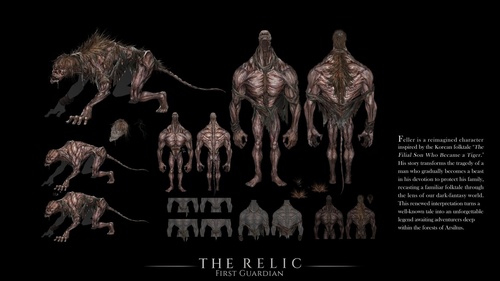
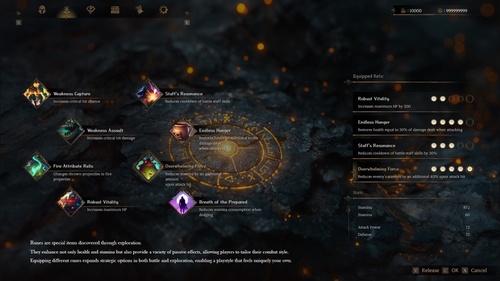
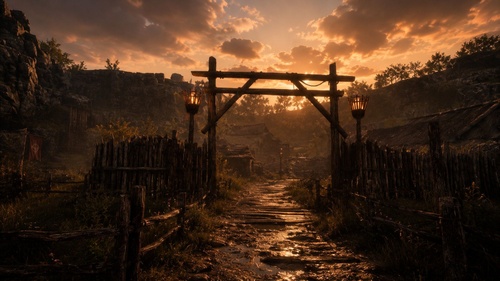
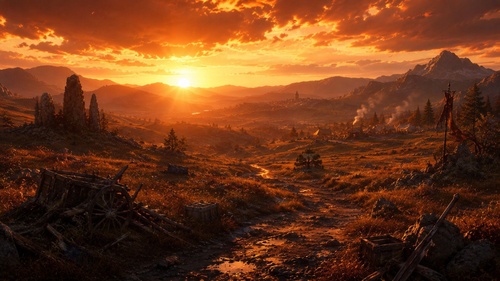
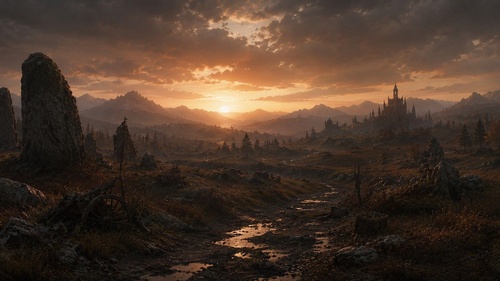
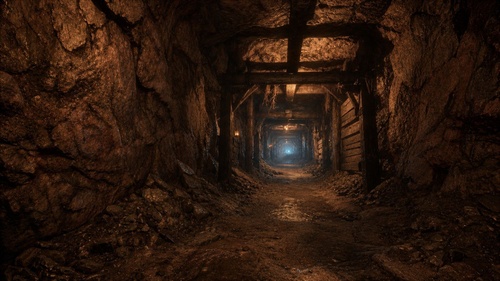
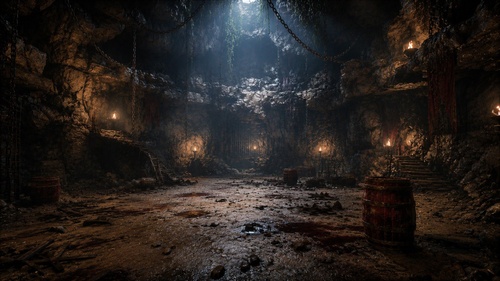
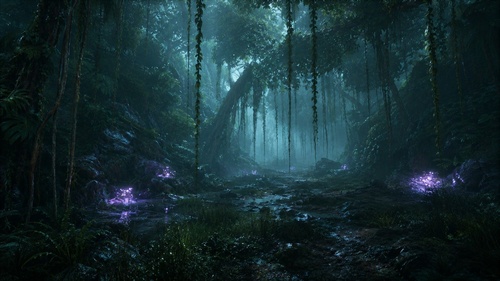
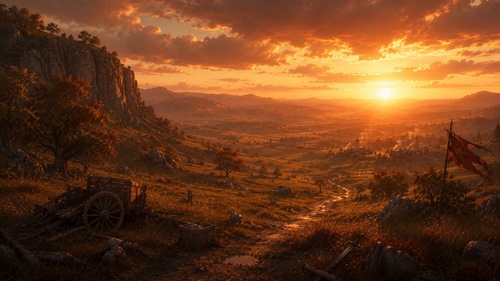
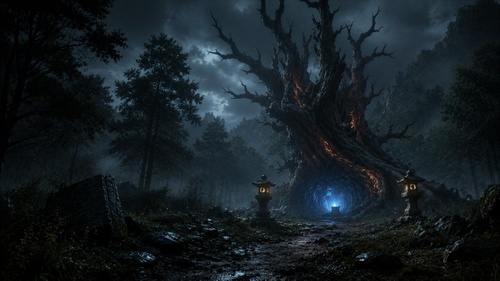
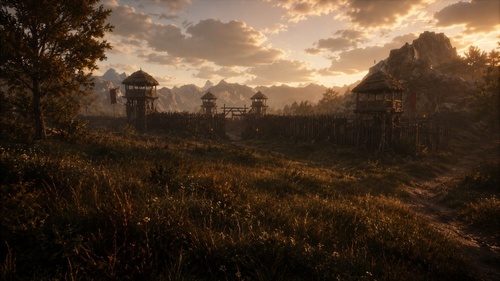
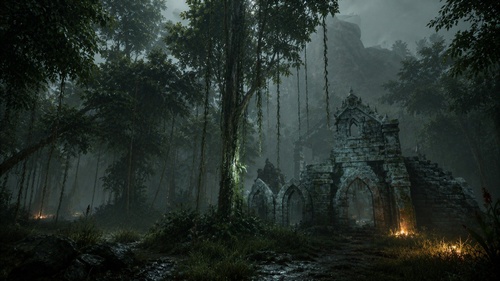
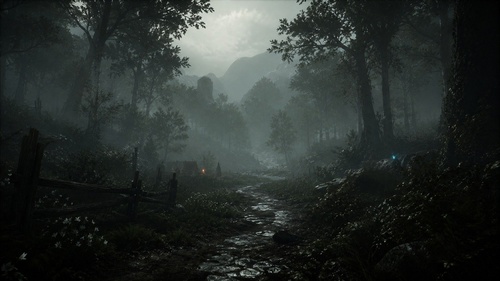
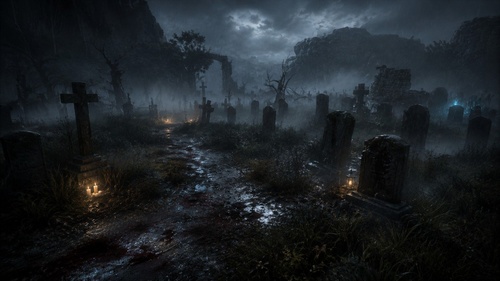
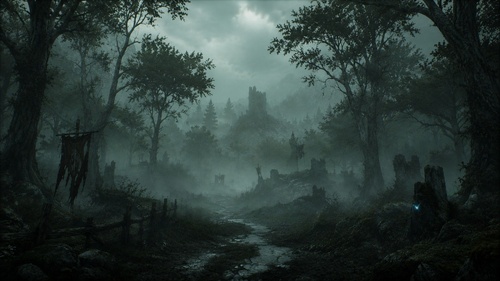
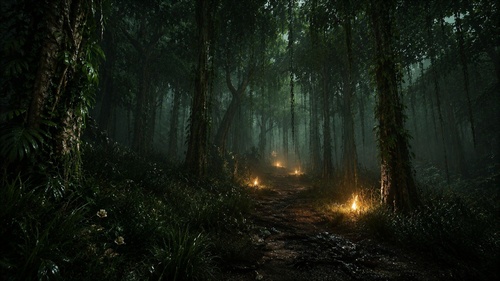
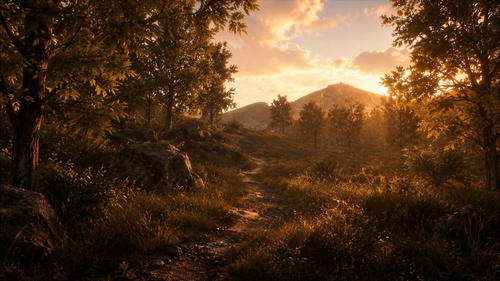
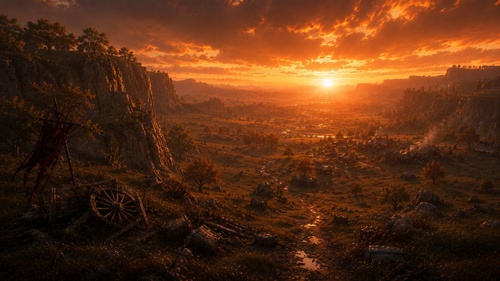
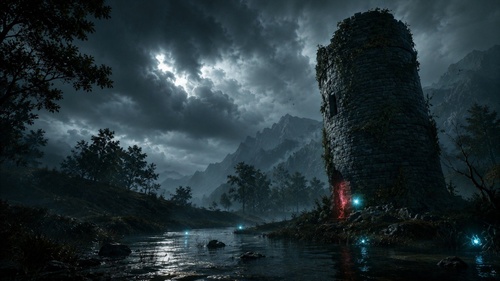
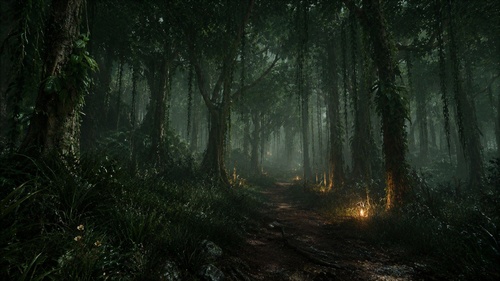
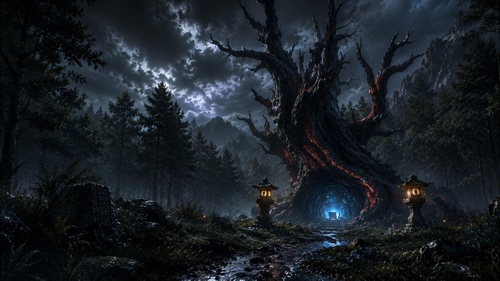
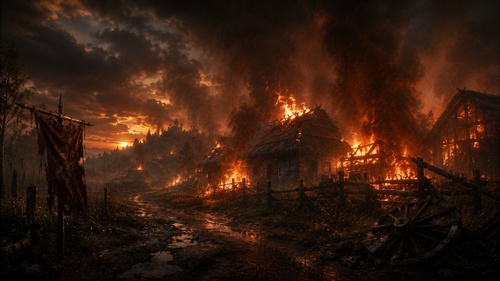
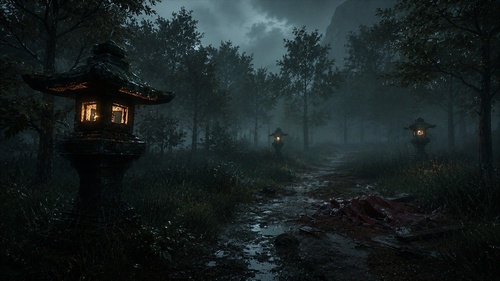
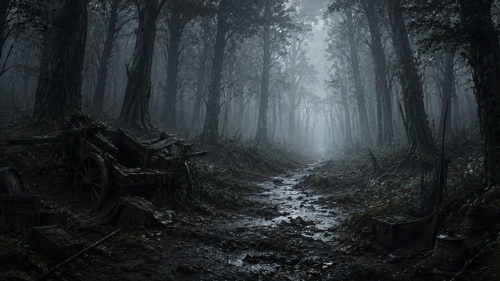
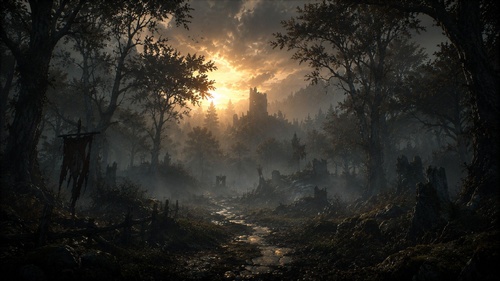
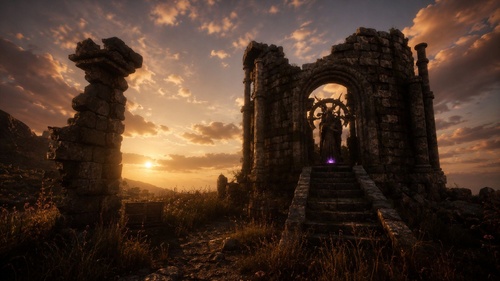
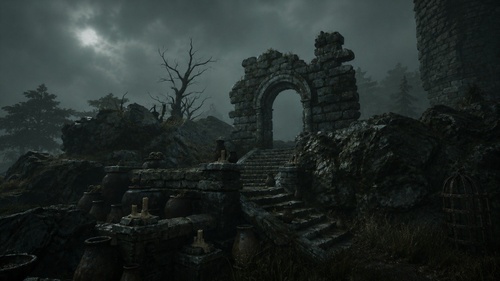
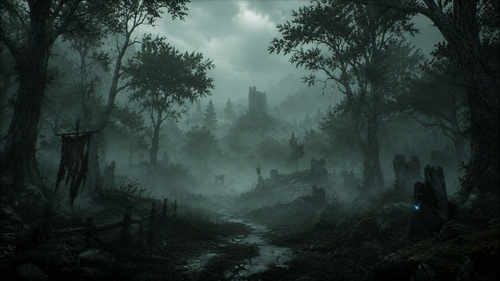
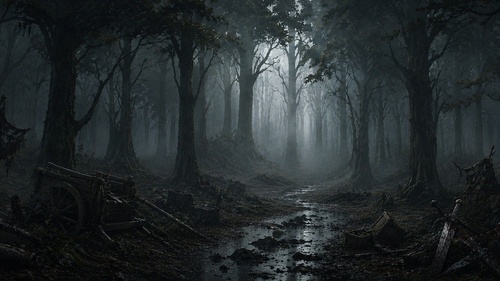
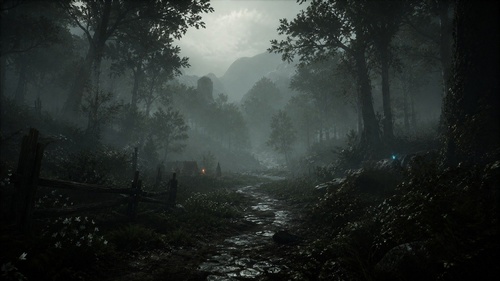
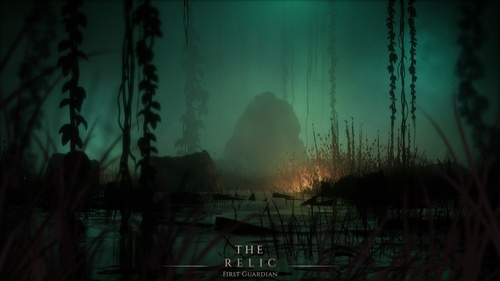
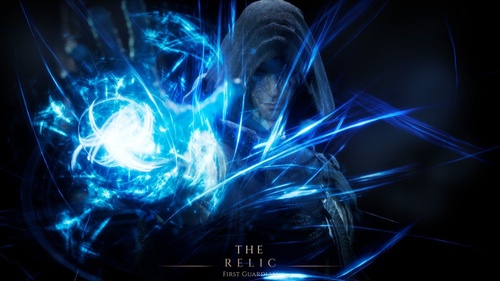
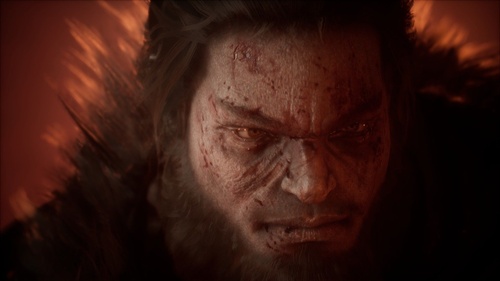
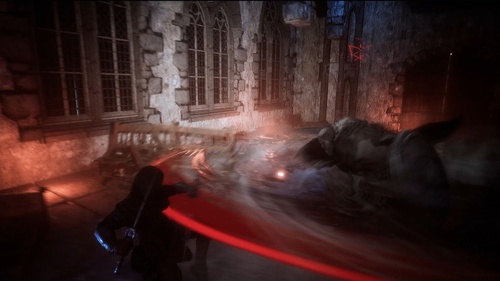
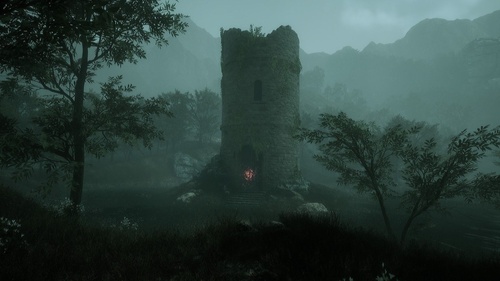
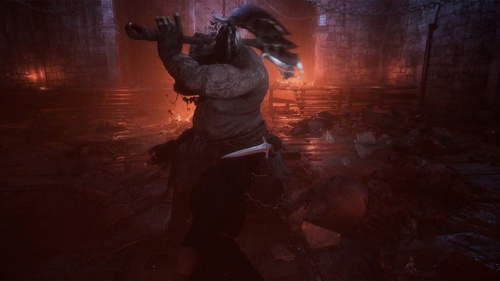
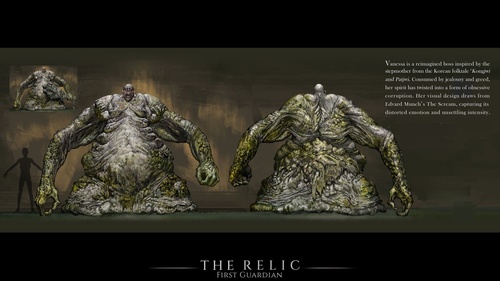
Now that the waiting is over, after extensively exploring the lands of Arsilthus and facing hundreds of battles, I can tell you that The Relic: First Guardian is a decidedly ambitious title. While it manages to achieve some of its stated goals, it also feels the immense weight of expectations that, unfortunately, it couldn't fully meet.
A title that constantly seems to want to do too much and inevitably ends up doing it poorly.
A Relic, Its Guardian, Chaos: The Plot of The Relic: First Guardian
The Relic: First Guardian follows the typical soulslike narrative thread, using memories, diaries, and item descriptions to recount the events that have shaken Arsilthus.
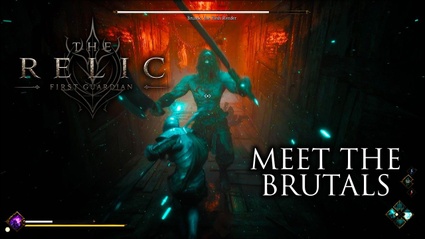
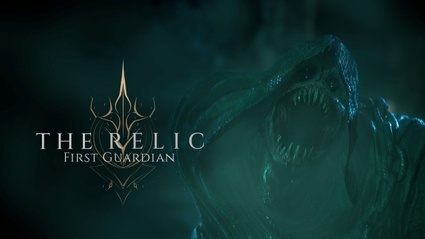
The kingdom, once prosperous and peaceful, fell into ruin following the destruction of a relic that maintained its order and balance. This dramatic event gave rise to the Brutals: beings that manifest when the human soul is overwhelmed by pain or wickedness, moments when "the void" takes over and transforms people into terrible monstrosities.
As the first guardian of the relic, our task is to find its scattered fragments across Arsilthus and restore peace.
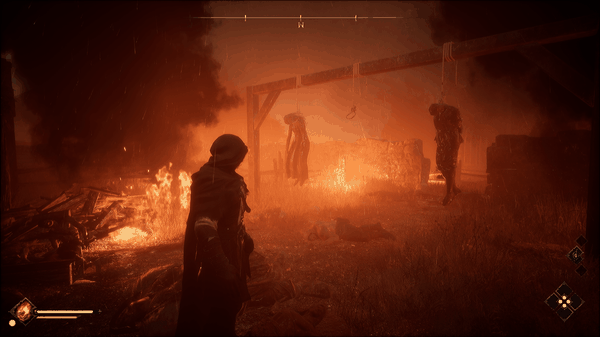
Unlike other titles that emphasize the pure desolation of the game world, The Relic focuses on those who have survived and resist, finding the strength to carry on in the memory of those who are no longer there. Consequently, the guardian is not only a paladin who protects the weak but also the keeper of the memory and sacrifice of those who didn't make it or transformed into a Brutal.
In doing so, the various quests are not just a way to make your way through burning villages and battlefields, but become the means to understand how the fire spread and what reasons unleashed the war.
Not Exactly Impeccable Lore Management
It must be emphasized that what has been said about the plot is the result of reasoning that only matured after the credits rolled, and it doesn't appear so clear while moving from one mission to another during the game. In fact, while it builds its narrative around the universe of Arsilthus, The Relic doesn't do a good job of presenting it to the player.
In a traditional soulslike, exploring the world leads to discovering clues that stimulate curiosity, prompting further investigation and gathering more information. In The Relic: First Guardian, however, the vast majority of points of interest are visible on the map from the beginning; once on site, you have access to documents and memories pertaining solely to that specific location.
This game design choice confines the lore to watertight compartments and fails to create that fascinating overall picture typical of FromSoftware's works. The result is that the constant urge to discover and shed light on the game world is diminished.
The Relic's Combat: Complex, Yet Frustrating and Boring
The Relic: First Guardian partially succeeds in positioning itself halfway between an RPG and a soulslike, blending elements of both genres and offering a game system that is immediate to understand in its basic mechanics.
The gameplay structure revolves around melee attacks, divided into five categories: sword and shield, two-handed weapons, daggers, staves, and longswords, to which the relic's magic is added for ranged attacks. A classic skill tree linked to each weapon type adds dynamism to combat, especially in advanced stages, allowing players to experiment with different builds and choose the best combination based on the boss at hand.
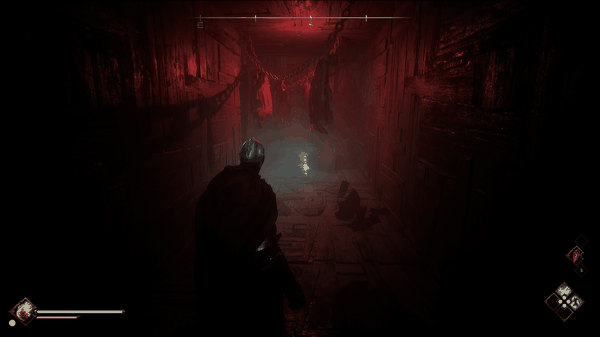
In encounters with enemies, The Relic: First Guardian abandons the typical rigidity of soulslikes to embrace greater dynamism, without sacrificing a high level of difficulty. An idea that sounds fantastic on paper, but in practice translates into a real game design disaster.
Here, both bosses and common adversaries prove to be ultra-aggressive. The various Brutals and raiders we encounter along the way are not a problem if taken one at a time; however, when they act in groups, managing them becomes a nightmare. Without any useful mechanics to interrupt their fury, just four successful hits are enough to send us straight to game over.
The same applies to bosses: as soon as the fight begins, they start attacking relentlessly, leaving us no real window for action. To maintain a high level of difficulty, Project Cloud Games has transformed The Relic's bosses into true "damage sponges," capable of absorbing our blows without flinching. The only way to break their guard is to string together a long series of perfect parries – sometimes even 15 in a row – to then gain a meager window of a few seconds to unleash our attacks.
All of this severely penalizes the strategic component, making some encounters unnecessarily boring and repetitive.
An Enormous and Beautiful Vastness of Nothing
The world of Arsilthus is enormous, varied, and boring.
The game is structured into three macro-areas packed with points of interest, all visible on the map from the start. While the developers intended this choice to encourage exploration, in practice it ends up destroying the thrill of discovery, as the player already knows exactly what to expect in each location.
Furthermore, each of these points of interest is immersed in cosmic nothingness: enormous expanses of fields, forests, and hills where raiders and Brutals lurk in the vegetation, awaiting our passage. The immediate consequence is that the player ends up running from one marker to another non-stop, forced into continuous street fights and without even time to process the dungeon or mission just completed. This breaks the typical balance of RPGs, which alternates the excitement of combat with moments of calm dedicated to exploration.
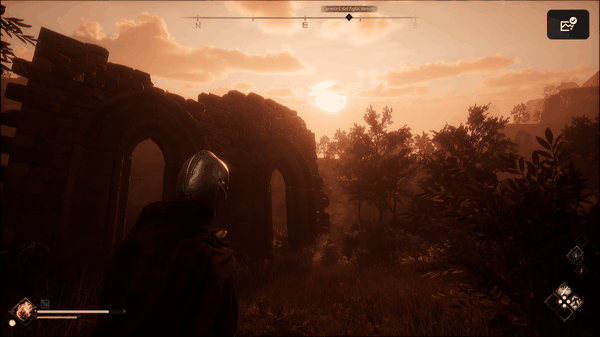
If we add to this a heavily fragmented narrative, relying on clues and diaries scattered here and there, the final sensation is that of moving from one secondary task to another without a true common thread, with the concrete risk of exhausting the player.
Also because the various missions all repeat according to the same pattern: an initial clue that introduces the events, a central phase where waves of enemies are faced while gathering some additional details, and finally the final clash with a boss that has already been widely foreshadowed throughout the entire mission.
Few Lights and Many Shadows: The Technical Sector of The Relic: First Guardian
Project Cloud Games' debut title is aesthetically well-crafted and offers several breathtaking views. The team has demonstrated remarkable mastery in managing lighting and particle effects, all enhanced by a good audio sector – both in background music and environmental sounds – capable of accompanying the action with great harmony.
What doesn't work, however, is the camera management, which often gets stuck between trees or walls, blocking the view. A flaw that has led me to game over multiple times, especially during boss fights set in confined spaces or arenas full of environmental hazards. Needless to say, when such episodes occur, the challenge component gives way to strong frustration caused by a structural game design error.
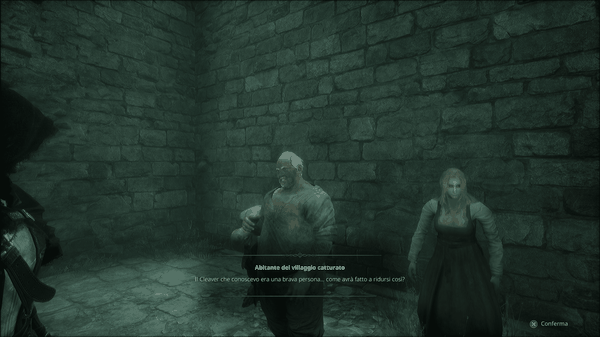
Another element that made me frown concerns the NPCs, who seem to have stepped out of a game from 15-20 years ago. Some are made with decidedly crude polygonal models, while others don't even move their lips when speaking. Minor details, to be clear; however, in an era where Unreal Engine 5 allows even emerging productions to achieve remarkable graphical standards, attention to these details becomes fundamental, and certain shortcomings are unacceptable in a game sold for 50 euros.
The Relic: First Guardian Aims Too High
Playing The Relic: First Guardian, I had the constant impression that Project Cloud Games bit off more than it could chew. As mentioned in the introduction, the Korean software house never hid the enormous ambitions of the title, but the game doesn't seem capable of bearing its weight.
Positive aspects are not lacking: excellent care for the game environments, dynamic and intuitive gameplay, and equipment management that integrates perfectly with the lore. However, these qualities are not enough to balance the title's numerous flaws, which do not stem from poor writing or technical problems, but rather from a series of questionable decisions during the game design phase.
The choice to include as many as 80 bosses is interesting and will delight soulslike fans, eager to jump from one fight to the next. However, the more casual player – attracted by the promise of an accessible experience – risks being severely frustrated by facing a new titanic battle immediately after spending an hour overcoming the previous one.
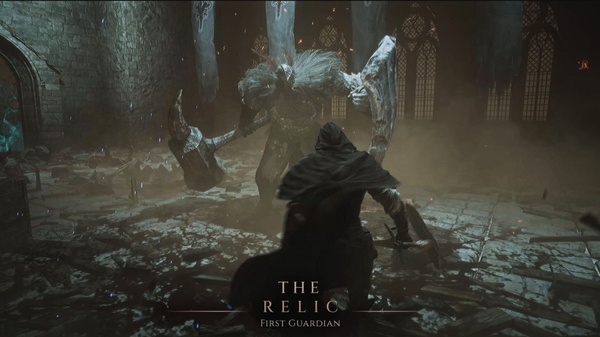
On these 80 bosses, the true highlight of the production, there would be much to criticize. Many have an extremely poor narrative background – if not entirely absent – and end up being copies of one another with some minimal aesthetic variations: after all, after defeating yet another bandit leader driven to massacres without a valid reason, boredom inevitably takes over.
The Relic: First Guardian aims for giants like Elden Ring and The Witcher 3, but ends up falling into the same errors committed by Avalanche with Mad Max. The feeling is that the title would have been decidedly better if the team had scaled back its ambitions: perhaps by offering a more linear narrative thread – along the lines of Bloodborne – or a map with fewer markers and more "white space," capable of letting the player get lost in exploration without being tied to specific missions.
Similarly, it would have been preferable to halve the number of bosses to focus on their characterization, making them more memorable and consistent with the story.
Many times in my reviews I find myself writing that "more could have been done." The Relic: First Guardian is the first game that made me think that, perhaps, less should have been done.
Score
Editorial team
The Relic: First Guardian – Review of the game that combines soulslike and RPG
The Relic: First Guardian is a decidedly ambitious title, but it feels the immense weight of expectations and ends up doing too much, and doing it poorly. Positive aspects are not lacking: excellent care for the game environments, dynamic and intuitive gameplay, and equipment management that integrates perfectly with the lore.
However, these qualities are not enough to balance a series of poor decisions in terms of game design. Opponents prove to be ultra-aggressive, while the 80 bosses – the true highlight of the production – turn out to be genuine "damage sponges" full of flaws and often copies of one another.
The game world is enormous, varied, and boring, immersed in cosmic nothingness with choices that destroy the thrill of discovery. An aesthetically well-crafted technical sector is accompanied by frustrating camera management and visibly dated NPCs.
Many times in my reviews I find myself writing that "more could have been done," but The Relic: First Guardian is the first game that made me think that, perhaps, less should have been done.
Similar articles