Project Zero 2: Crimson Butterfly Remake — Review
The remake that revives a certain type of survival horror with suffocating atmospheres, renewed gameplay, and relentless terror.
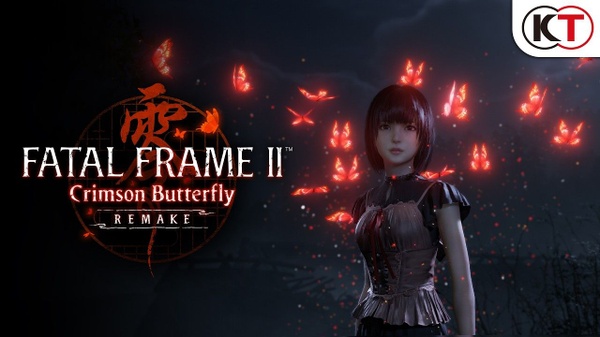


Over the past few years, we've been inundated with an army of cookie-cutter remasters whose sole declared intent was simply to bring a title or franchise back to the market, just to appease the fanbase, or to gauge public interest for a grand return. Two striking examples are Legacy of Kain, just released on the market, which we discuss here, and the unfortunate Dead Space, which, despite sublime technical execution, did not achieve the success it deserved.
And then there are the exceptions. Those gems that not only re-propose the original game's atmospheres but are capable of going beyond, modernizing the concept and offering the old guard something better, reinventing gameplay and atmospheres, and delivering a better product in all aspects. Examples? Resident Evil 2, if we want to stay on the horror theme, and certainly this Project Zero 2: Crimson Butterfly, considered by many to be the best in the Tecmo Koei saga.
Gallery
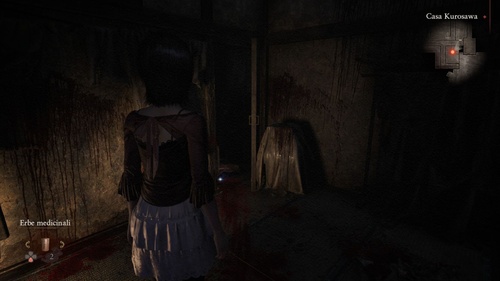
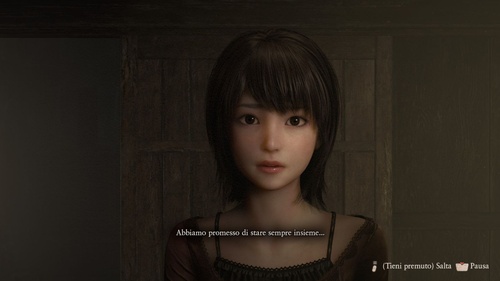
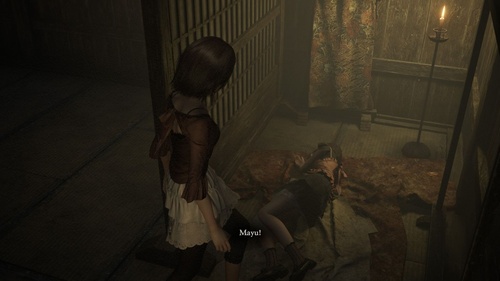
A Story of Twins and Curses: The Plot of Project Zero 2
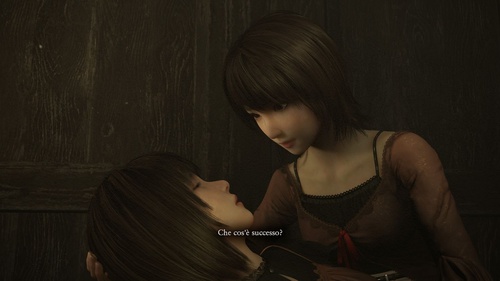
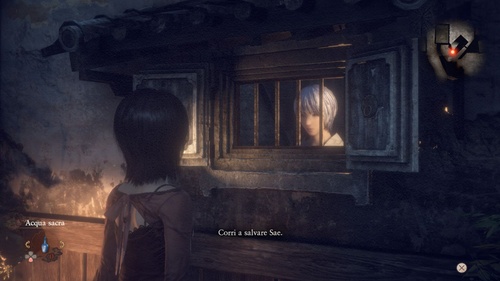
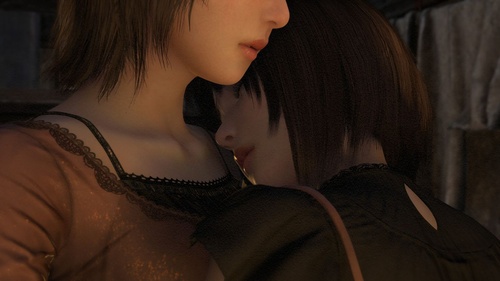
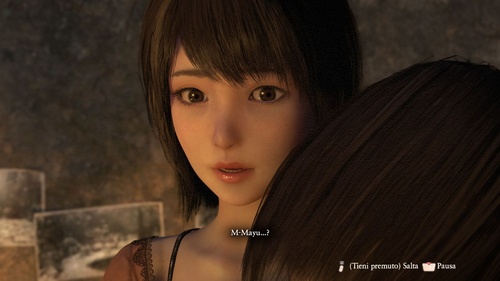
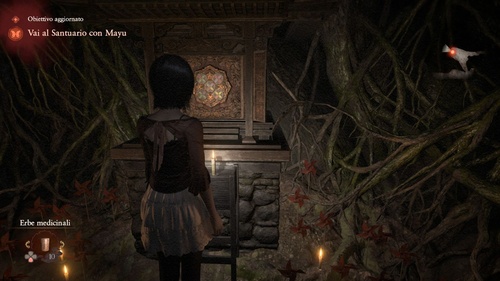
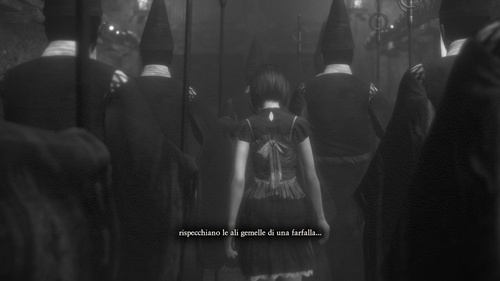
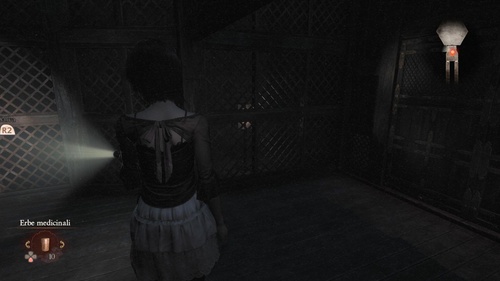
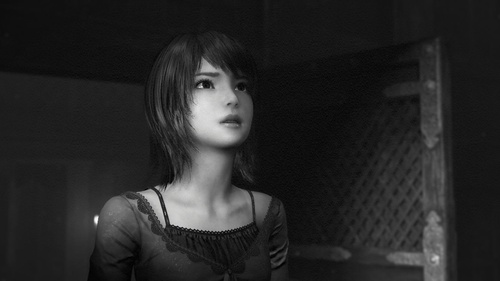
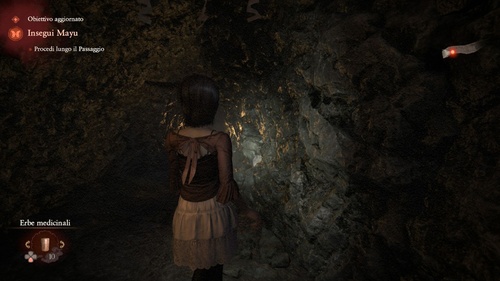
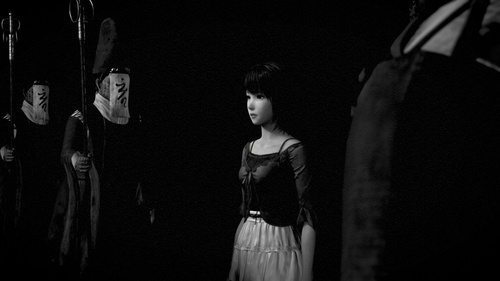
Certainly unchanged from the original are the protagonists and the plot. Mio and Mayu are two twins who stumble almost by chance (but are actually deliberately lured) into a cursed village, victim of a spell that sees it immersed in perpetual night, which can only be broken by an ancestral ritual involving two twins. The game will begin with Mayu being drawn into the village by a crimson butterfly that lures her into a trap from which she can only be freed by her twin. As Mio, we will then chase our twin into the perpetual night of Minakami village.
Project Zero 2: Crimson Butterfly Remake
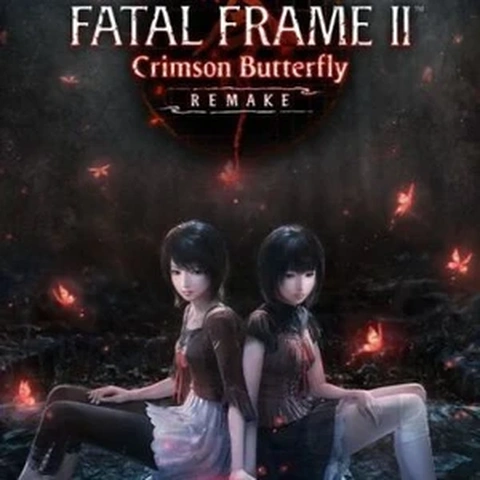
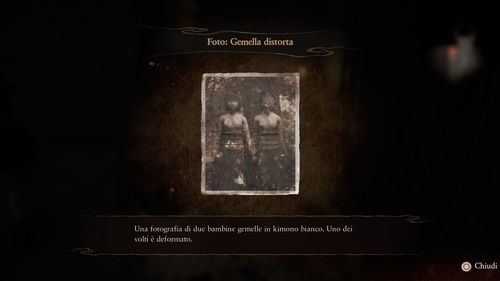
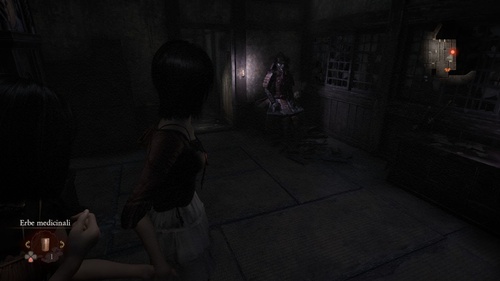
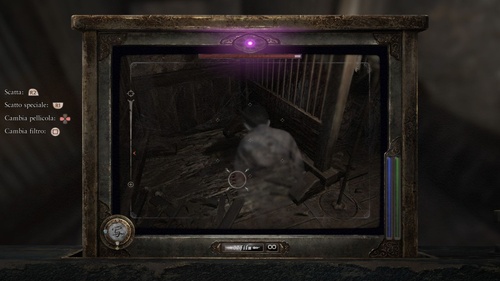
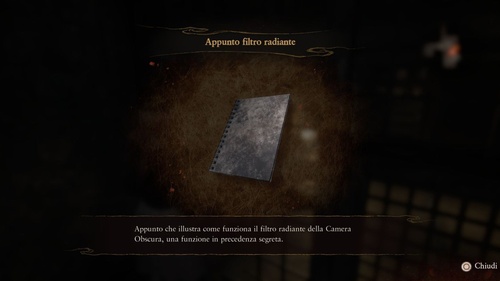
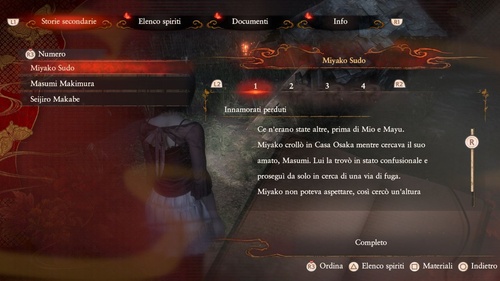
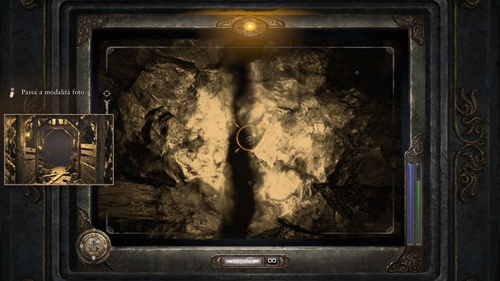
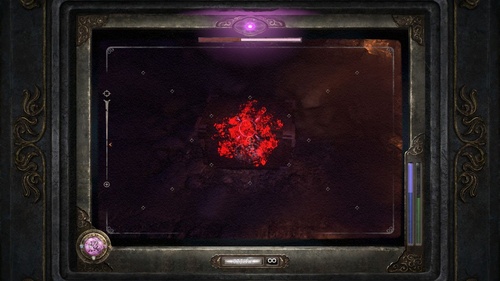
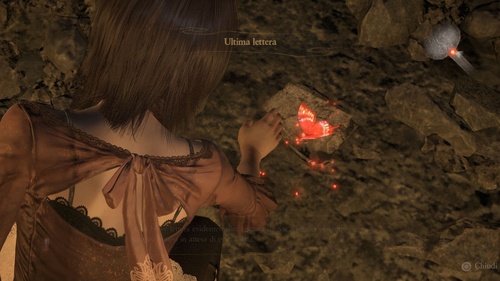
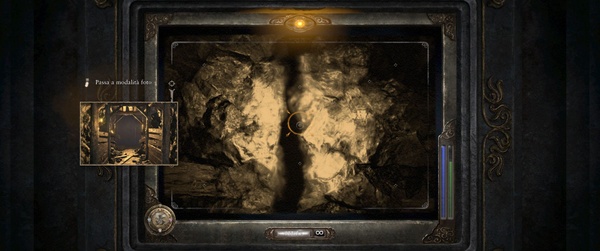
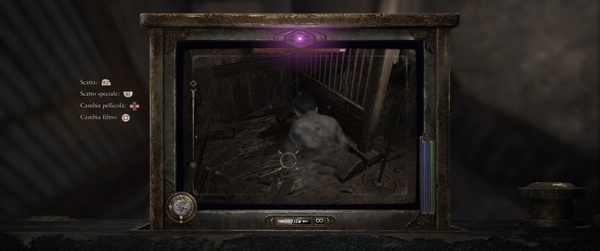
The peculiarity of the entire Project Zero series (Fatal Frame, in Japan and USA) is that, unlike other survival horror games, the only weapon in the hands of our protagonists is the Camera Obscura, an ancient camera capable of exorcising the damned souls that populate the cursed village. Thanks to the aid of special films that we can find scattered throughout the game map, we will be able to eliminate, with varying degrees of difficulty, the ghosts that will appear before us in cramped environments that make escape difficult, if not impossible. To increase the already rich lore formed by the large quantity of documents that we can find more or less everywhere, which tell of the village's curse and the various rituals performed over the centuries to try to break the spell, we will often also have the opportunity to recover crystals that, when inserted into a special radio, can tell us, through the living voices of the ghosts, their torments and anxieties. A very singular narrative solution that allows us to understand the point of view of our adversaries.
What Changes from the Original: The Remake's New Features
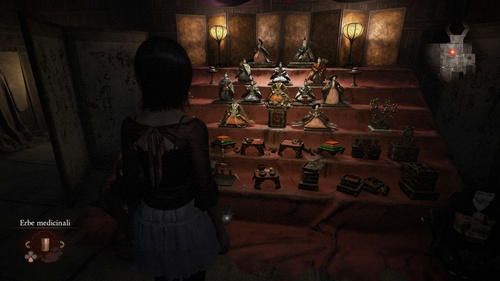
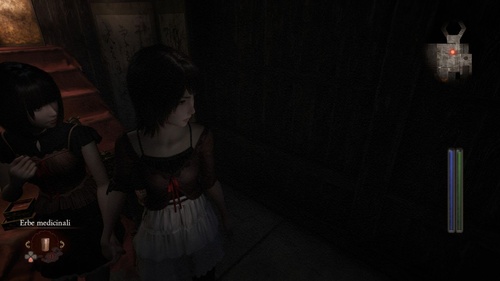
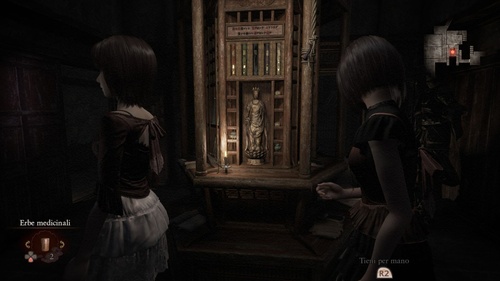
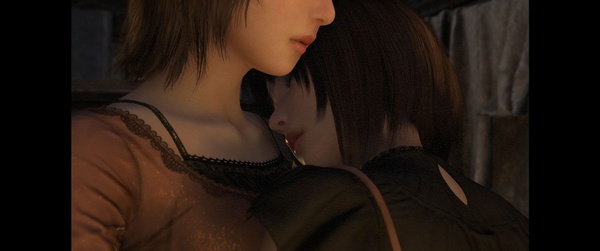
In the spirit of a true remake, Tecmo Koei decided to abandon the fixed camera system that characterized the early episodes of the saga and rely on what was already experimented with in the Wii version of Project Zero 2, with an “Over the shoulder” camera system, but pushing even further on the combat system and the inclusion of new mechanics and game areas that not only modernize it for players but make it a brand new game. Starting with the interaction between the two sisters who, when close, can hold hands to invigorate our protagonist's health bar when necessary. But, unfortunately, as we know, the two sisters will have very few opportunities to stay close. To this must also be added an unprecedented stealth mechanic, to be used on certain occasions, which, although not particularly in-depth, has the definite merit of making the game more valid and interesting. Even some puzzles, while similar to those of the original, have undergone a certain type of upgrade, so much so that they appear almost entirely new.
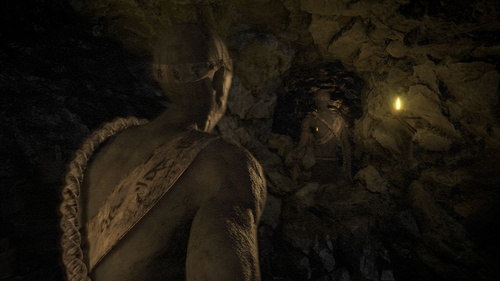
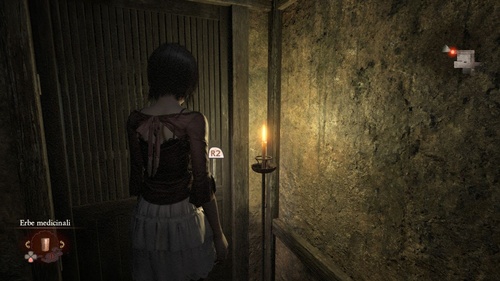
Of course, there will be plenty of items to help us stay alive as long as possible and improve our only defense. We can find medicinal herbs, special incense sticks that will allow us to strengthen our mental resilience against the spirits we face, but also films and special lenses that will allow us to see beyond matter and glimpse the world of the dead, with all that entails. In short, Tecmo Koei has proven to be a master at skillfully shuffling the cards, managing to provide a perfect mix of known and consolidated mechanics and the many new features introduced to give Project Zero 2 a renewed, fresh look, perfectly capable of keeping even the most seasoned audience on edge. The approach to the horror aspect of the saga, unlike other survival games, is not linked to the amount of blood on screen. On the contrary, the player's sense of unease is influenced by the rarefied atmospheres, the constant possibility of encountering a new entity ready to hunt them, and the decidedly unsettling appearance of these entities.
Fear Without Blood: Tecmo Koei's Horror Approach
On the front of the most substantial novelties, a separate chapter must obviously be dedicated to the technical sector, which appears to our eyes in great shape. Not only from an aesthetic point of view (the PC version in 21:9 is an absolute bomb), but also for a completely renewed audio aspect that will contribute to keeping you perpetually on edge, since every environmental noise will attract your attention and build around you a disturbing setting that will follow you until the last sequences of the game. And this is certainly the winning card of Project Zero 2, which chooses a different path from other survival games like Resident Evil, with something that tends not to give you a break and to distress you throughout the sixteen hours of gameplay that led to one of the game's planned endings, one of which is completely new.
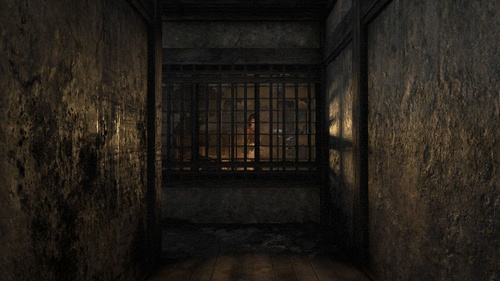
Obviously, as anticipated earlier, the cosmetic aspect has been heavily revised, with truly excellent work on textures and polygonal modeling, but also and above all on everything related to environmental lighting. It will also often happen that you can admire excellent particle effects that give the player that feeling of old and immobile that pervades the abandoned buildings that form the backbone of the village in which we will be imprisoned. The frame rate is also excellent, which at 3440x1440 resolution and supported by an RTX 3070 remained at 60 frames without particular hesitation.
In short, the Project Zero 2 remake is a small, great masterpiece that showcases a side of survival horror that is certainly less spectacular from a technical and special effects point of view, but that delves straight into the most disturbing and unsettling depths of the human soul to make the player uncomfortable in a way that has rarely been seen in recent exponents of the genre. Whether you are a newcomer or an old guard, do not hesitate.
Score
Editorial team
Project Zero 2: Crimson Butterfly Remake — Review
The remake of Project Zero 2 has a value that goes far beyond technique or cold numbers. It's proof that a certain type of horror, far from gore and spectacle at all costs, can still work in such a "distracted" market, increasingly prone to quick fixes. Tecmo Koei, instead, transformed its most successful and beloved chapter into something new, capable of attracting even audiences who had previously stayed away from the disturbing, magical atmospheres of Project Zero.
Similar articles