Jotunnslayer: Hordes of Hel – Review When Roguelite Meets Norse Mythology
A dark and spectacular survivor-like, supported by a good progression system, local co-op, and an excellent conversion on Nintendo Switch 2
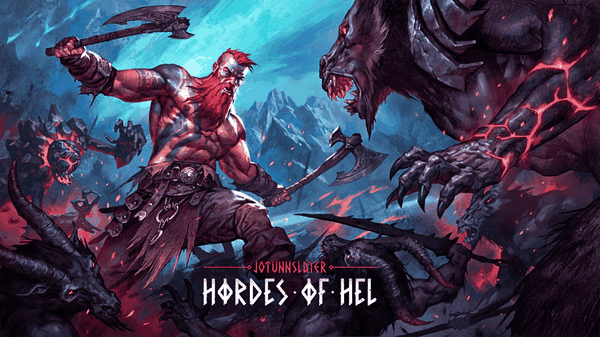


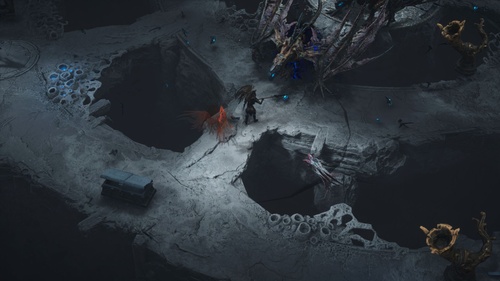
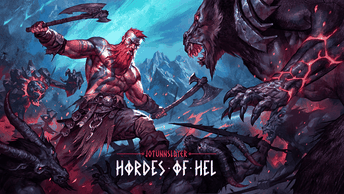
In recent years, the "survivor-like" genre has grown impressively, but distinguishing oneself in an increasingly saturated landscape has become an ever more complex challenge. Jotunnslayer: Hordes of Hel, developed by Games Farm and published by Grindstone, attempts to carve out its own niche by abandoning lighthearted or cartoonish atmospheres in favor of a dark universe, inspired by Norse myths and populated by gods, giants, and creatures straight from Hel's tales.
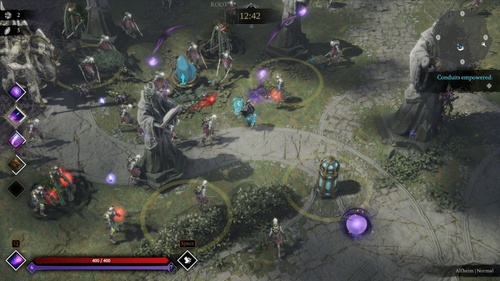
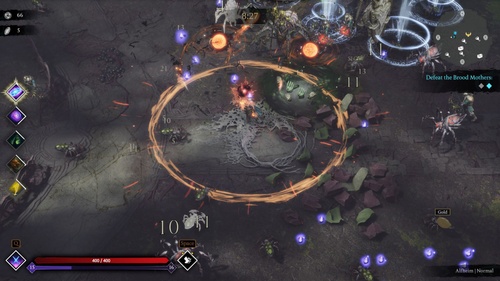
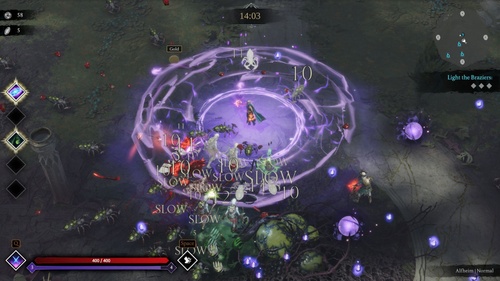
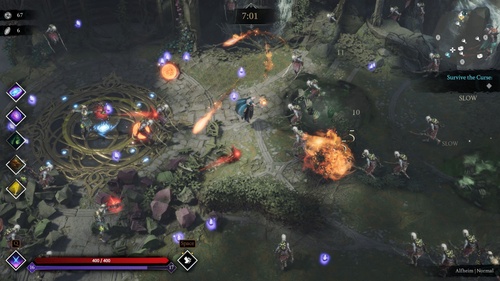
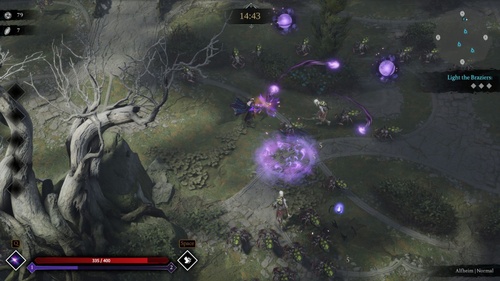
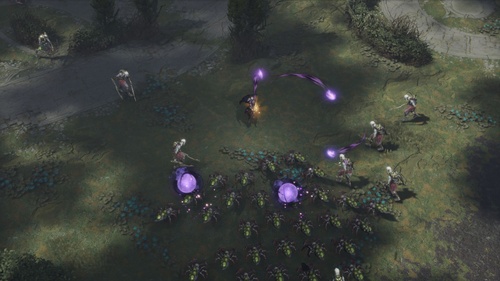
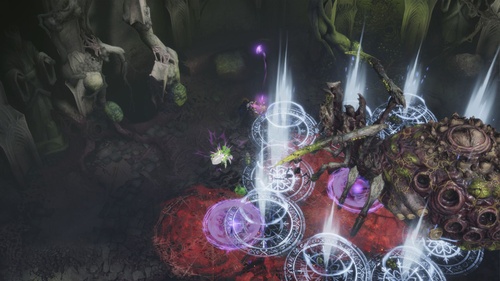
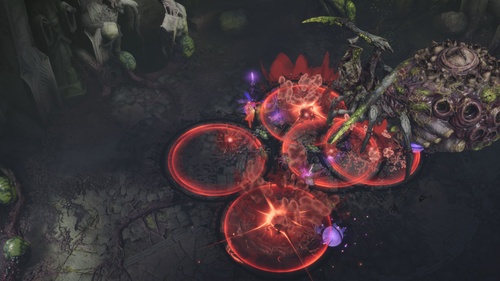
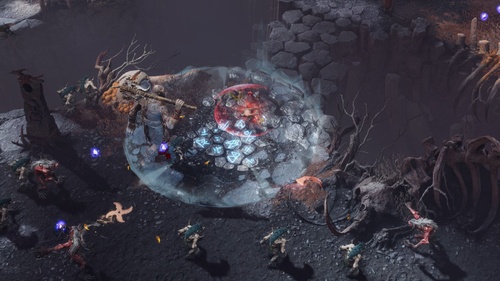
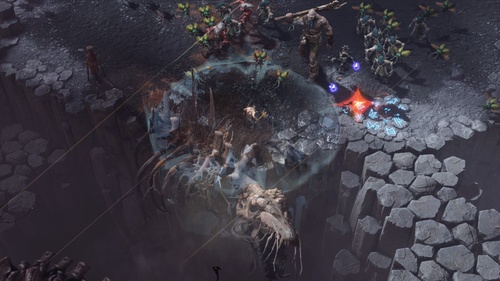
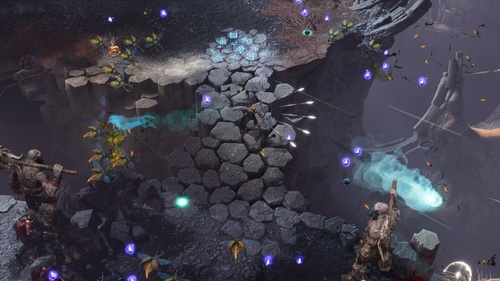
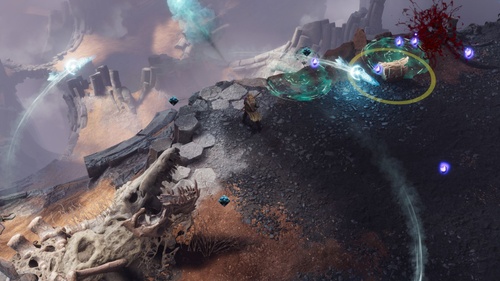
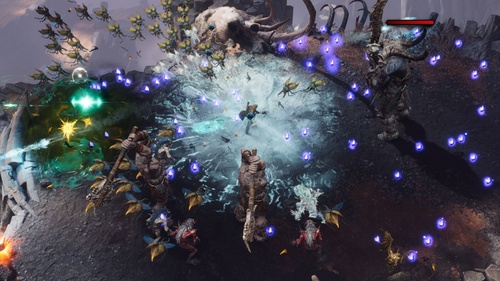
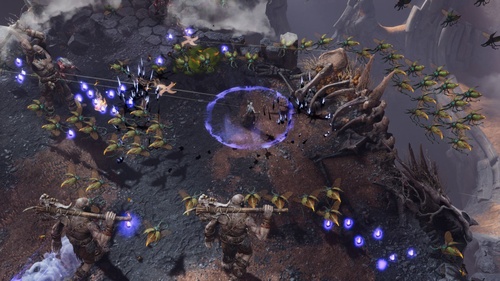
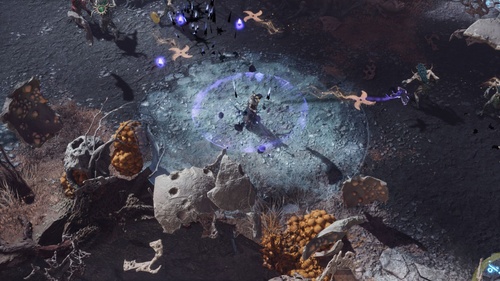
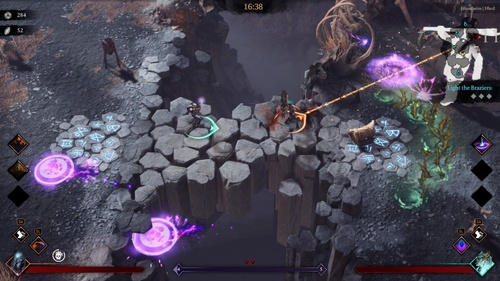
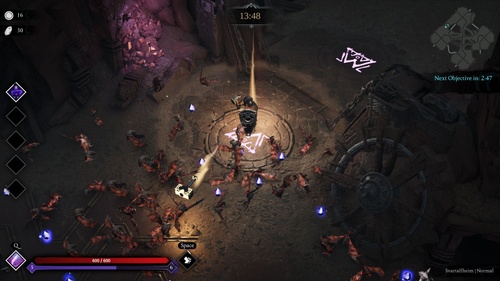
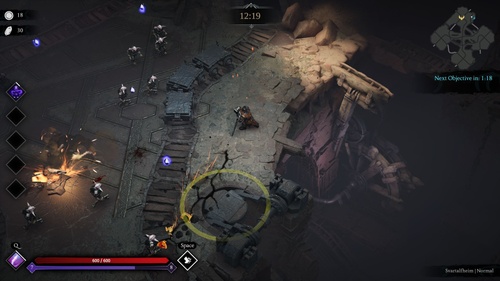
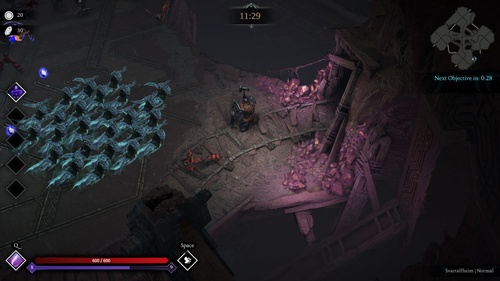
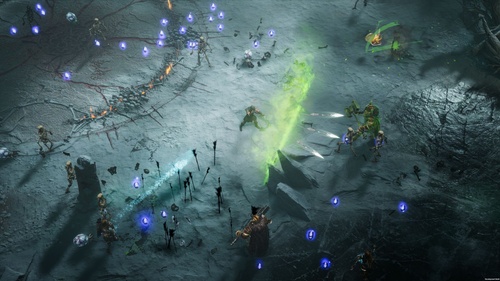
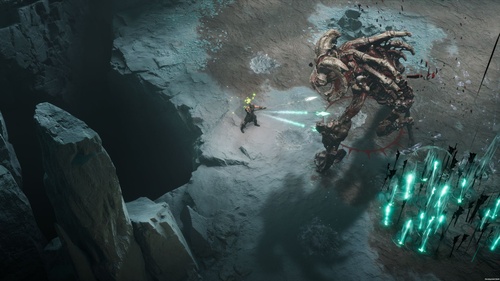
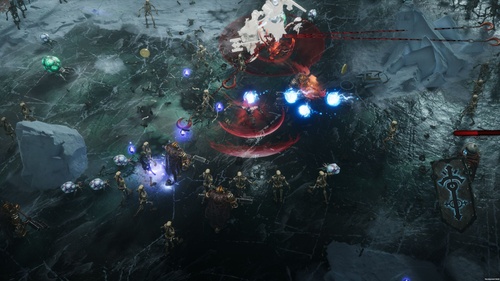
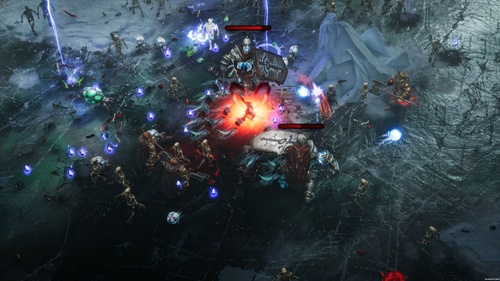
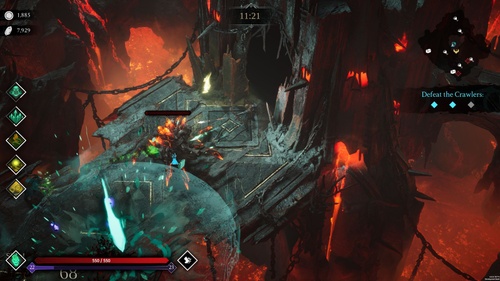
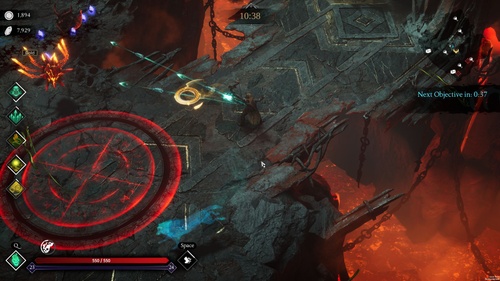
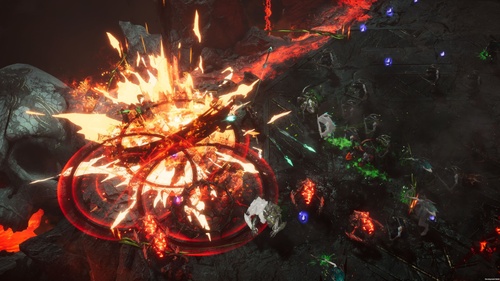
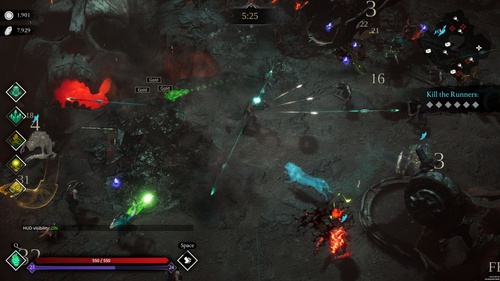
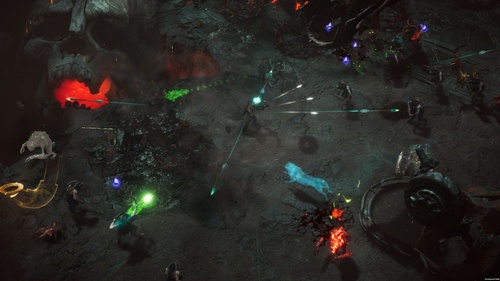
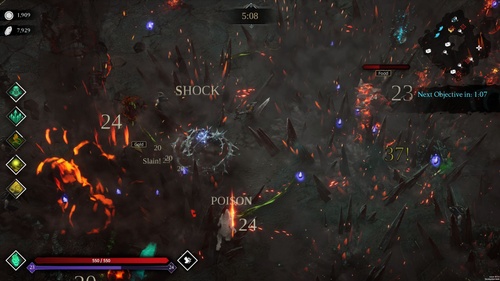
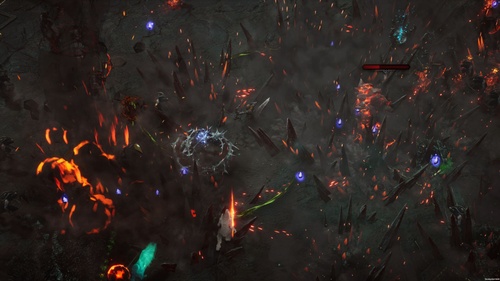
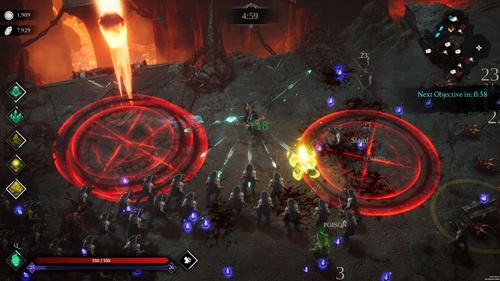
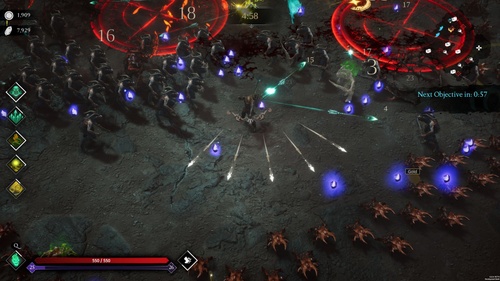
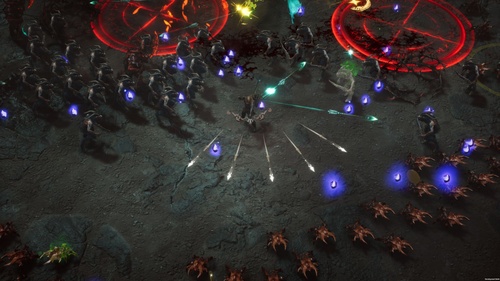
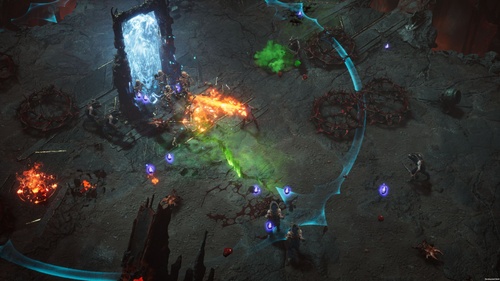
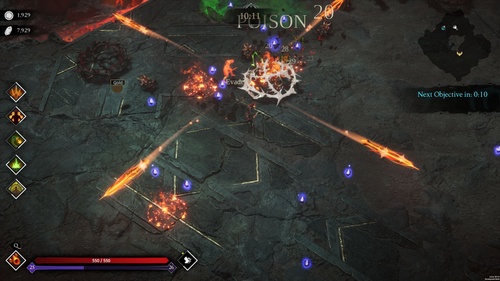
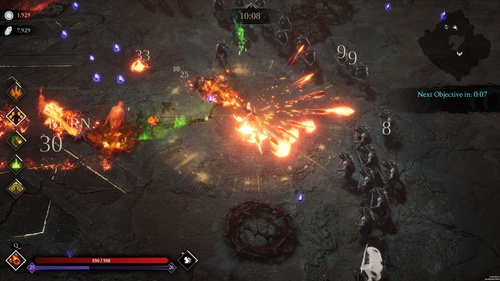
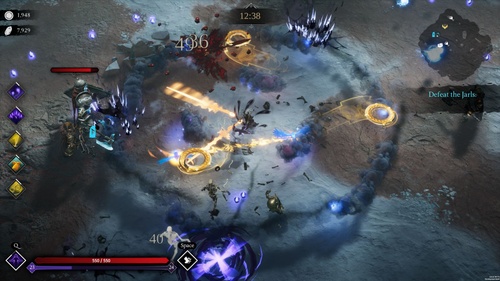
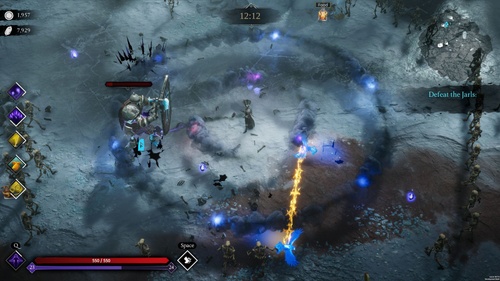
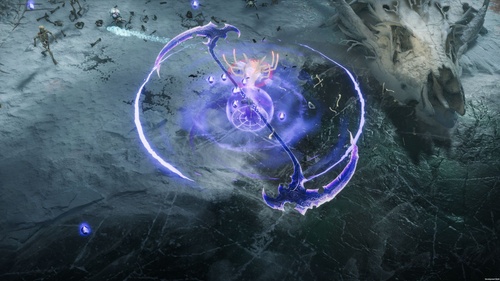
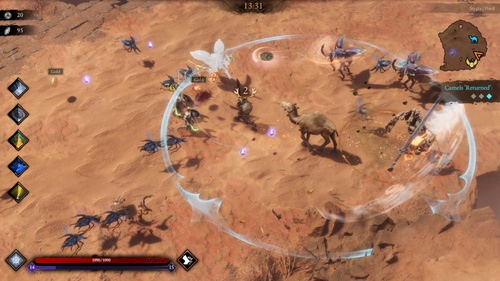
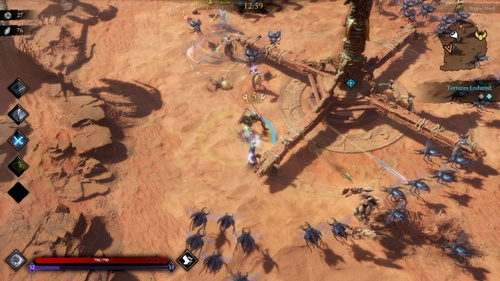
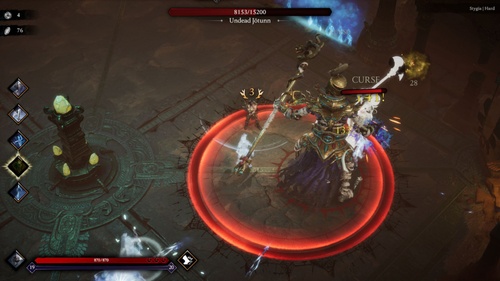
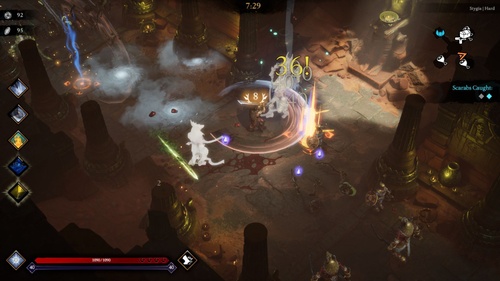
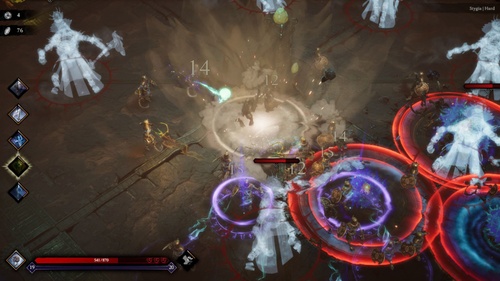
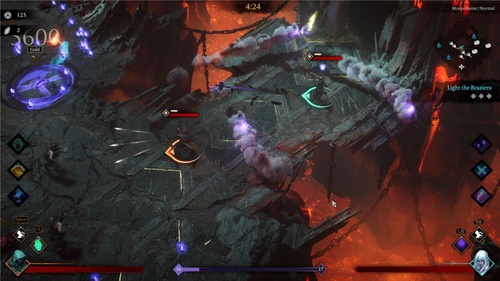
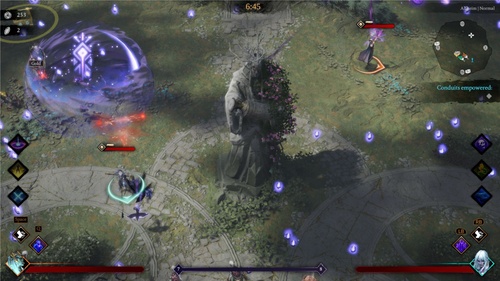
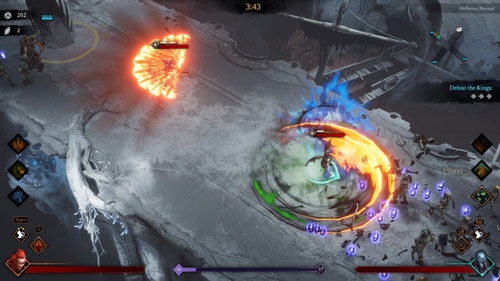
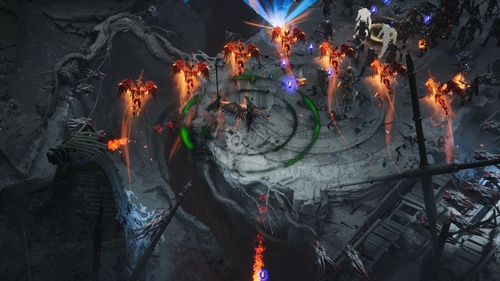
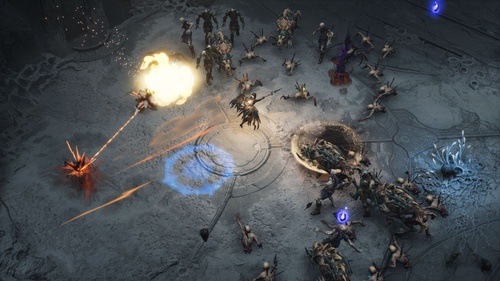
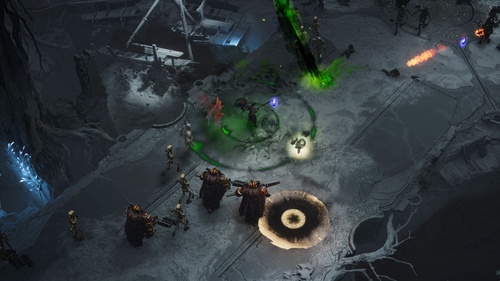
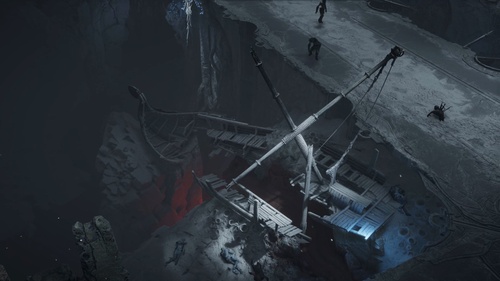
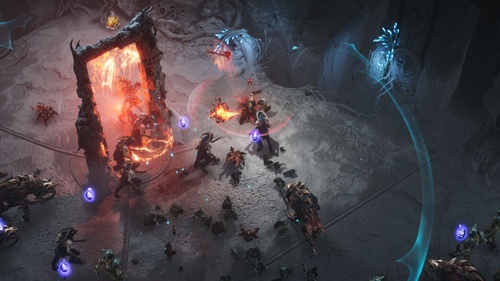
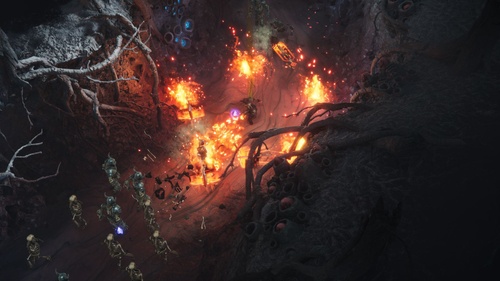
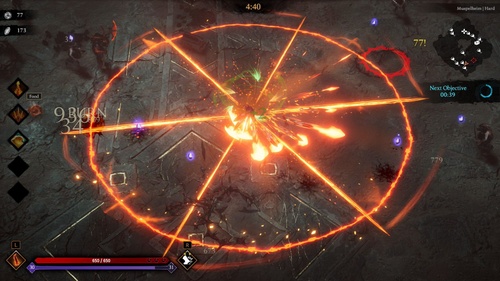
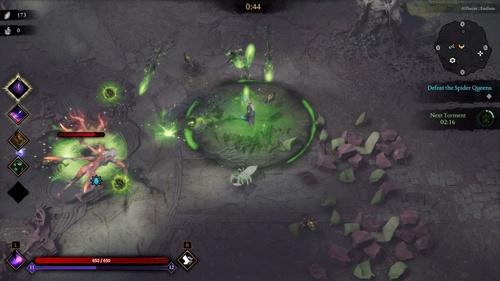
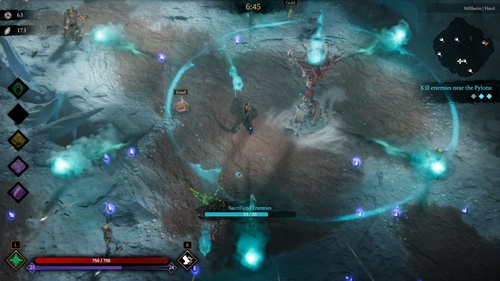
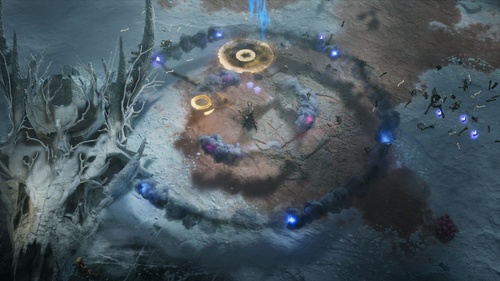
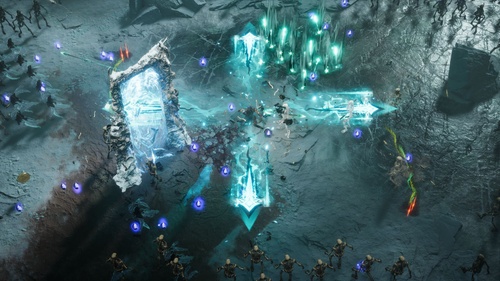
The setup remains typical of the genre: fast-paced matches, thousands of enemies on screen simultaneously, and continuous character growth. What makes this production recognizable is primarily its darker and more spectacular approach, accompanied by an art direction that evokes brutal fantasy without ever sacrificing readability, which is fundamental during the most chaotic clashes.
Gallery
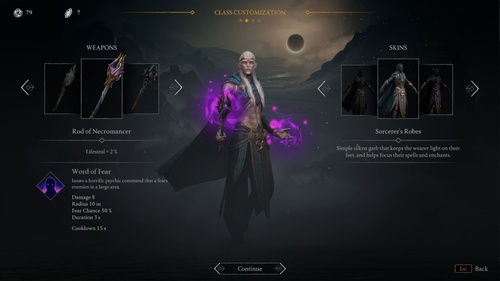
A Warrior Destined to Challenge the Gods
Rather than telling a story in the traditional sense, Jotunnslayer builds a narrative framework that justifies the continuous succession of battles. The player takes on the role of a fallen warrior seeking to gain the favor of the gods by facing increasingly extreme trials in the lands dominated by Hel.
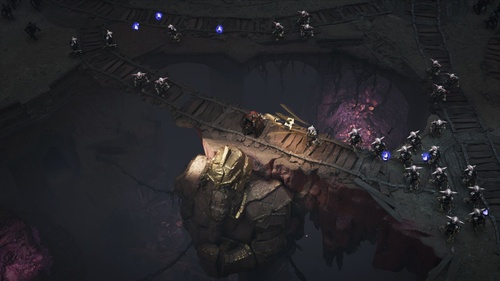
Each incursion represents a kind of survival ritual against endless hordes of enemies, culminating in a clash with gigantic creatures from Norse mythology. There are no long narrative sequences or intrusive dialogues: progression relies primarily on atmosphere, character descriptions, and the blessings offered by various deities, elements sufficient to give personality to the entire experience without slowing down its pace.
Easy to Learn, Difficult to Master Gameplay
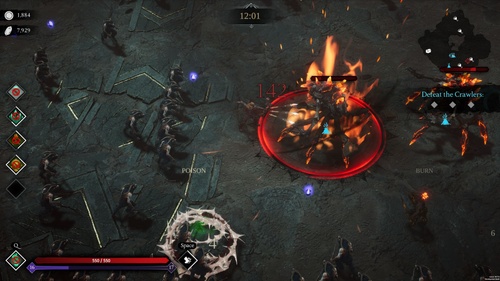
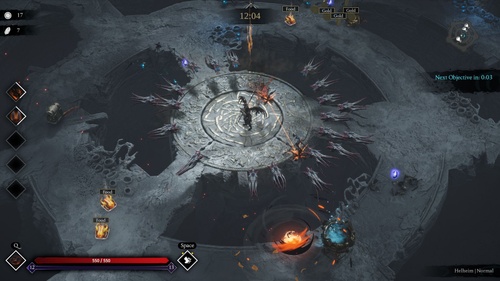
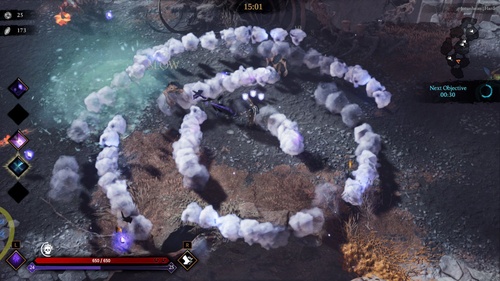
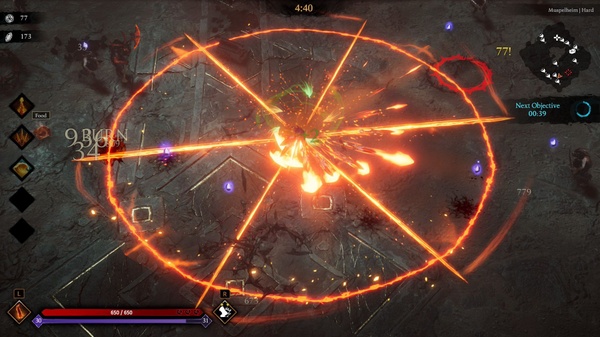
The heart of the experience naturally remains the gameplay, which is extremely immediate but surprisingly rich once explored. Movement is the player's only constant control, while most attacks are performed automatically, leaving room for managing positioning, dodging, and building one's character.
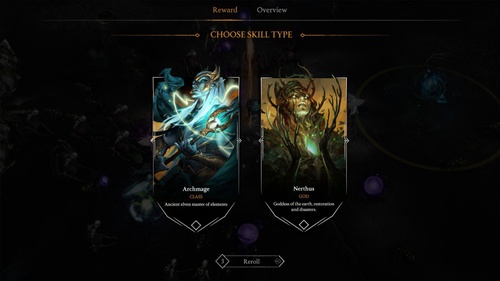
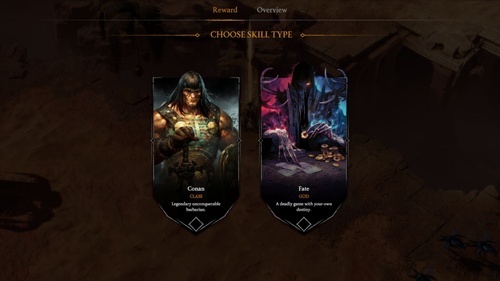
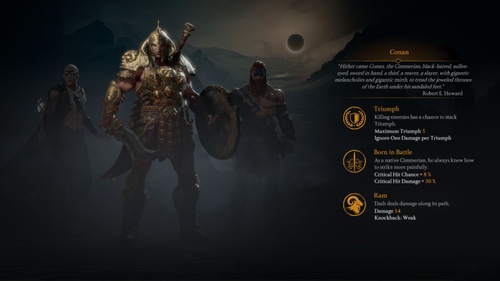
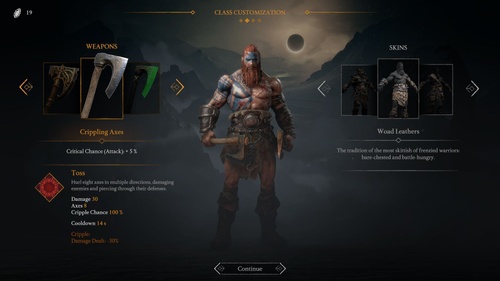
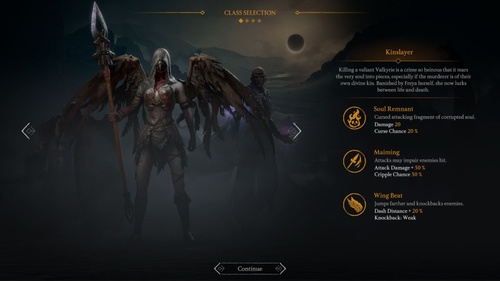
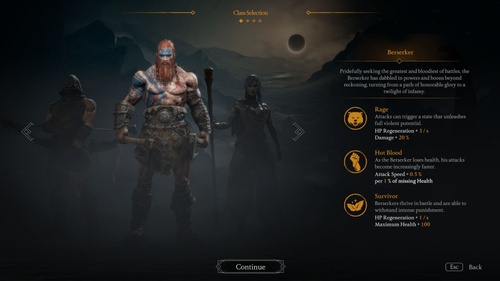
Each game allows players to choose from different heroes, each characterized by distinct stats, starting abilities, and combat styles. As the run progresses, experience is accumulated, allowing players to select new power-ups, creating ever-changing synergies between elemental attacks, summons, area-of-effect abilities, critical hits, and passive skills.
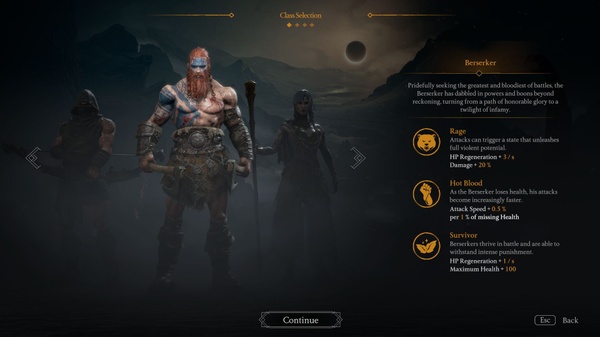
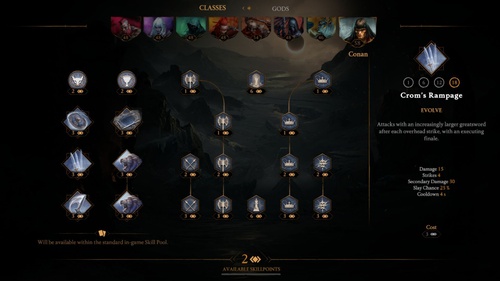
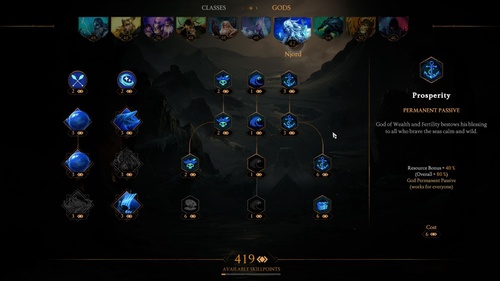
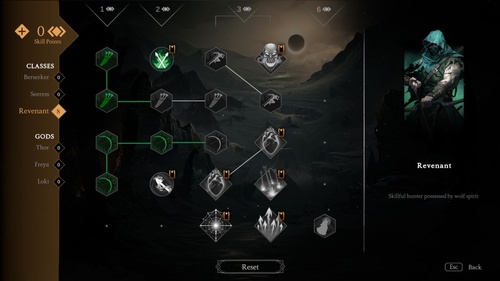
The blessings granted by the gods constitute one of the most interesting aspects of the progression system. The available combinations are numerous and constantly encourage experimentation with new strategies, making each attempt different from the last. The roguelite component works well precisely because the sense of growth is constant even after a defeat, thanks to permanent unlocks that incentivize players to try again.
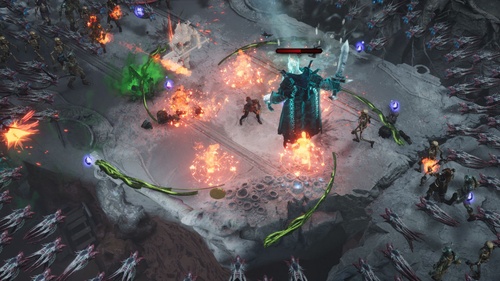
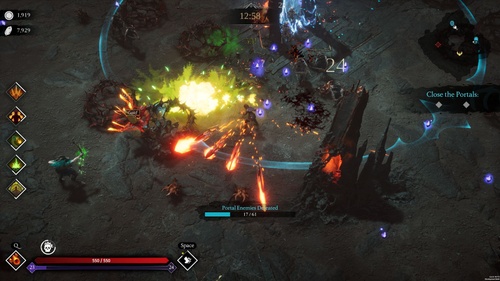
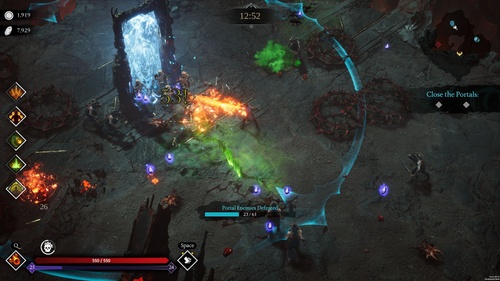
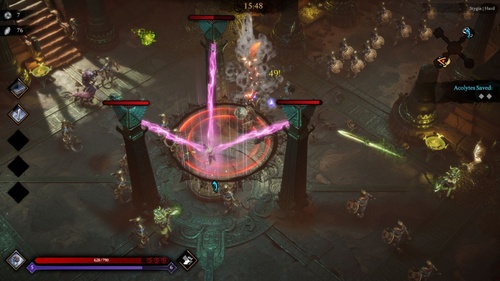
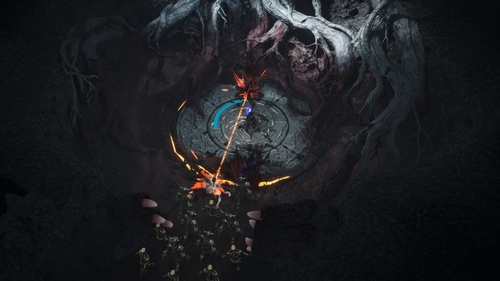
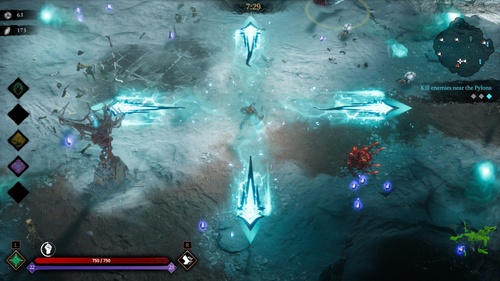
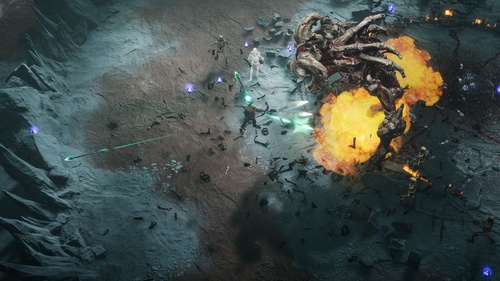
The maps alternate between moments of simple survival and special events, secondary objectives, and particularly spectacular boss fights, where understanding attack patterns and exploiting every available opening becomes crucial.
Local Co-op: The True Added Value
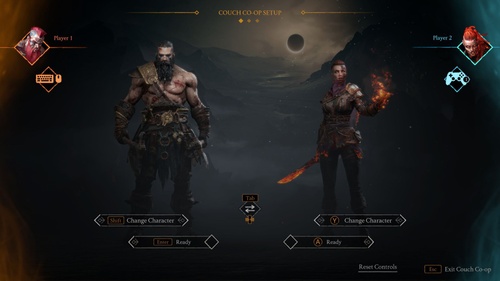
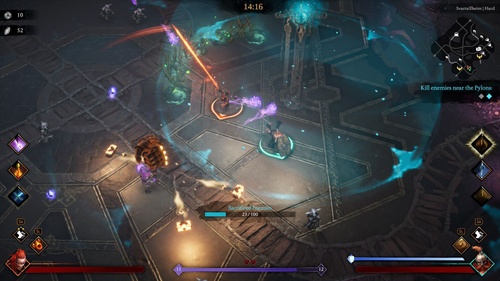
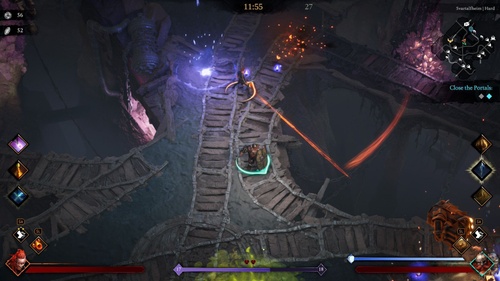
One of the elements that significantly increases the fun is the presence of local co-op. Two players can tackle the entire experience together, sharing the same screen, transforming the chaos of battles into an even more dynamic experience. Coordinating movements, building complementary abilities, and dividing space during boss fights adds a strategic layer that makes matches decidedly more engaging than in solo mode.
The structure inevitably remains repetitive, as is traditional for the genre, but the high variety of power-ups, characters, and modifiers keeps the desire to start a new game high.
A Convincing Conversion Even on Nintendo Switch 2
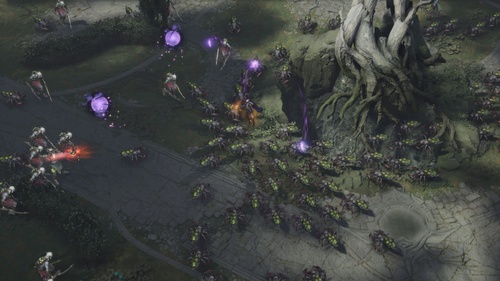
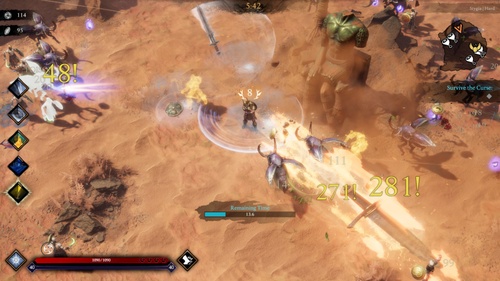
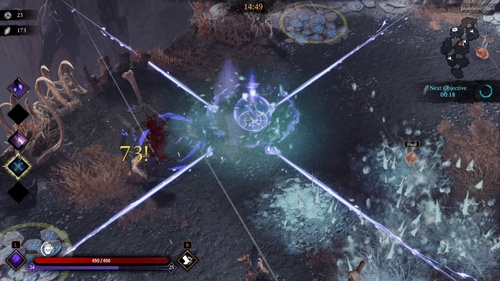
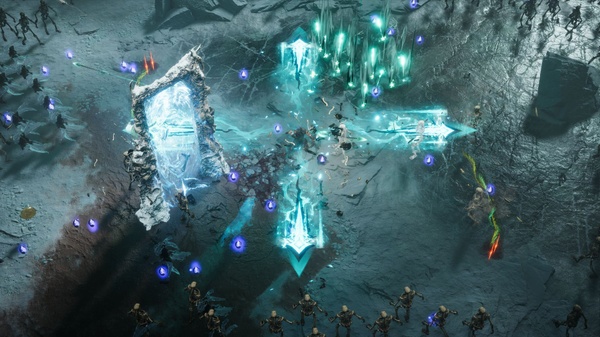
From a technical standpoint, Jotunnslayer impresses thanks to a graphics engine capable of handling hundreds of enemies simultaneously without particular uncertainties, always keeping the action clear on screen. Particle effects are abundant but rarely compromise readability, while boss models are particularly detailed and spectacular.
The version already seen on more powerful consoles is inevitably superior in terms of resolution and graphics effects quality, but the conversion for Nintendo Switch 2 represents a decidedly successful job. The title maintains excellent fluidity even during the most hectic situations, with fast loading times and visual quality that almost entirely preserves the work's original identity.
Overall, the result is extremely convincing and demonstrates excellent optimization.
The sound department also performs its job admirably. The music, characterized by epic and dark sonorities, perfectly accompanies the production's tone without becoming intrusive, while sound effects and attack impact convey a good sense of power during the most intense battles.
Score
Editorial team
Jotunnslayer: Hordes of Hel – Review When Roguelite Meets Norse Mythology
Jotunnslayer: Hordes of Hel doesn't revolutionize the survivor-like genre, but it builds its own identity thanks to its Nordic setting, a well-designed progression system, and gameplay that remains engaging even after numerous playthroughs. Local co-op represents a significant added value, while the excellent conversion on Nintendo Switch 2 allows players to enjoy the experience without significant compromises compared to other consoles. It's a title that relies entirely on immediacy and the continuous desire to tackle "just one more run," succeeding in most cases in perfectly hitting its target.
Similar articles