Dispatch: The Definitive Review. Is it the true spiritual successor to Telltale's work?
Between cynical superheroes and impossible choices: here's why AdHoc Studio's management adventure is the narrative surprise of the year.
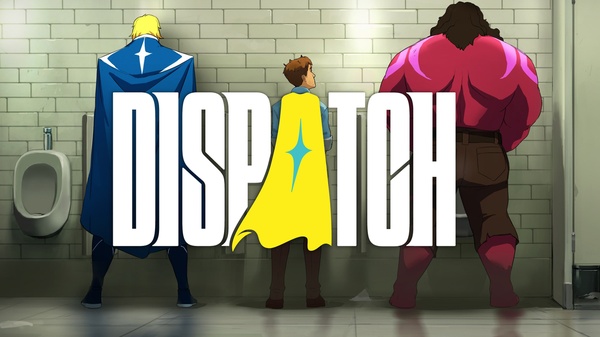


Dispatch is one of those games that immediately makes it clear it wants to be something different. Developed by AdHoc Studio, a company born from the experience of some former Telltale Games staff, the title presents itself as an interactive series built around charismatic characters, wild dialogues, and crazy human relationships, and where the developers chose
a bold but winning formula: an episodic game. This structure is more reminiscent of a TV series than a traditional title, making Dispatch a narrative experience designed to be lived, reflected upon, and discussed throughout all 8 episodes.
Its arrival, in this incredible gaming year for the quantity and quality of titles released, did not go unnoticed, and despite being the team's first project, it managed to surpass one million copies sold within ten days of its release, confirming that the public is not at all tired of this type of episodic game, especially when it is created and conceived with vision and intelligence.
Gallery
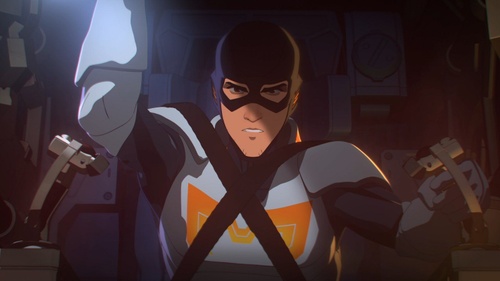
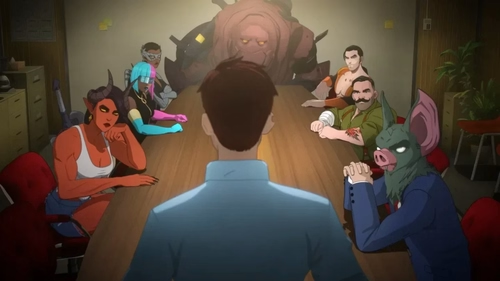
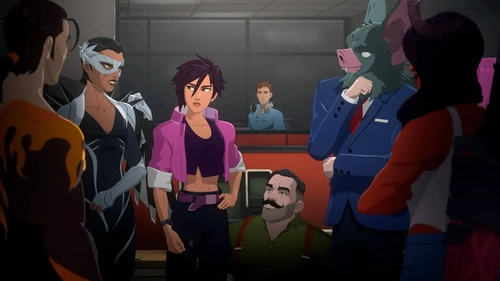
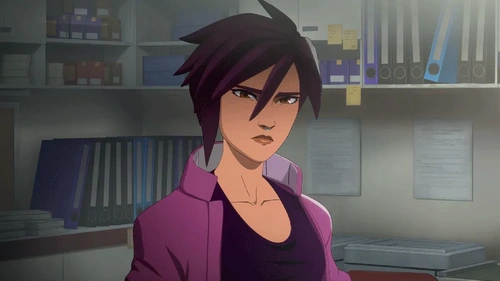
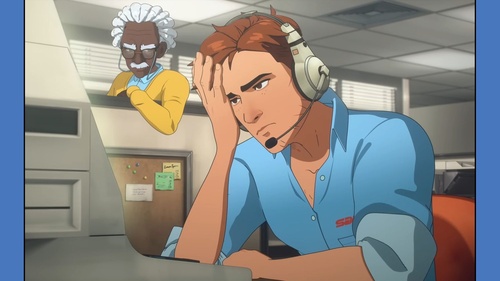
Another Day at the Office (If the Office Were Full of Superheroes)
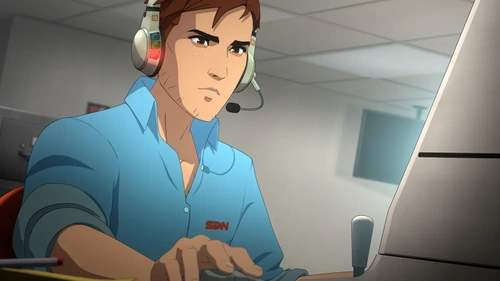
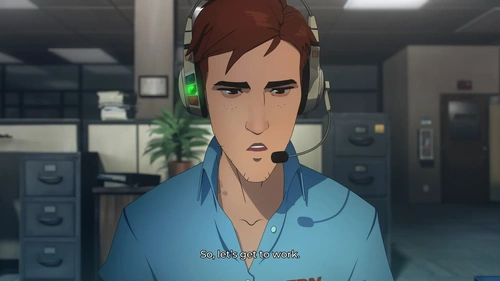
The story follows Robert Robertson, once known as Mecha Man, now relegated to a much humbler job as an operator at Dispatch, the coordination center for superhero interventions. A role that, at least on paper, seems more like a punishment than a second chance: from the glory of action to a desk full of paperwork, emergency calls, reports to compile, and decisions no one will ever acknowledge. Yet, it is precisely here that the game finds its identity, because instead of showing yet another beautiful and perfect superhero world, Dispatch focuses on what we never see, on that behind-the-scenes made up of imperfect, vulnerable, and surprisingly human people. A kind of "The Boys," in short.
A remarkably rich and 5-star voice cast contributes to making this world so vibrant.
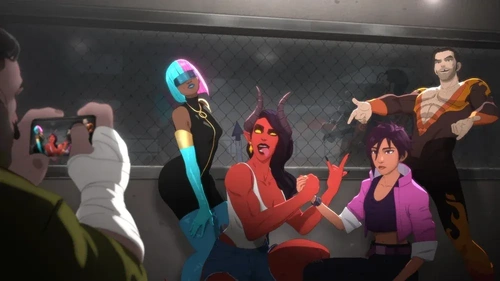
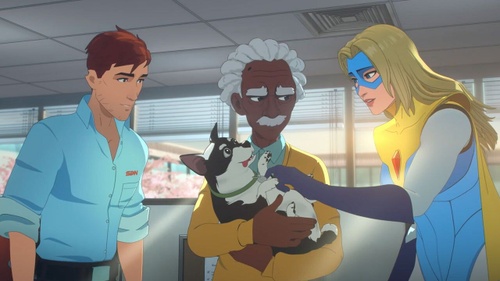
Aaron Paul voices the protagonist Robertson, making him a fragile, caustic character with a defeated air. With him are performers of the caliber of Laura Bailey, Erin Yvette, Jeffrey Wright, Travis Willingham, Matthew Mercer. Together they form a mosaic of credible and colorful personalities, full of ex-villains in rehabilitation, problematic heroes, and improbable and crazy office colleagues, all capable of giving great depth to a world that lives primarily on words, jokes, and madness.
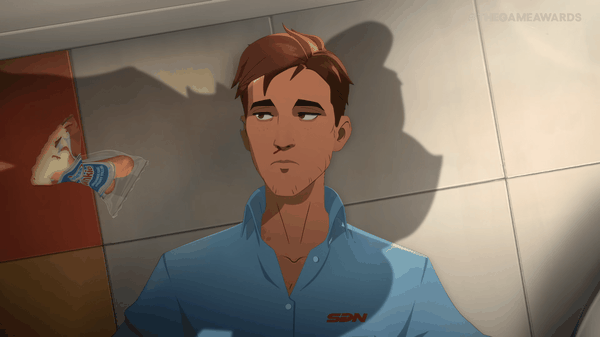
As mentioned, Dispatch was conceived and created as an eight-episode TV series, each with its own rhythm and identity. The episodic structure is not a mere marketing ploy, but a deliberate narrative choice. Each chapter allows for a deeper exploration of a different character, to delve into the dynamics between team members, and to observe how Robert's decisions, which can sometimes seem a bit trivial and sometimes emotionally heavy, nevertheless slowly shape the team's destiny. There are irresistible comedic moments, especially when the ex-villains who now have to collaborate as model civil servants come into play, but there is also room for drama, for reflection on failure, revenge, the possibility of change, and, above all, the weight of responsibility.
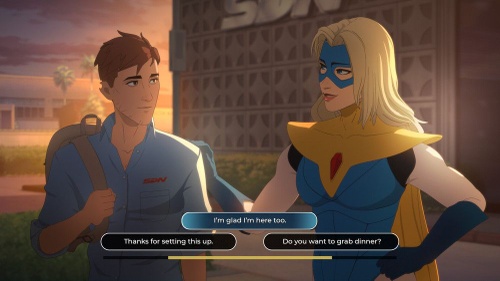
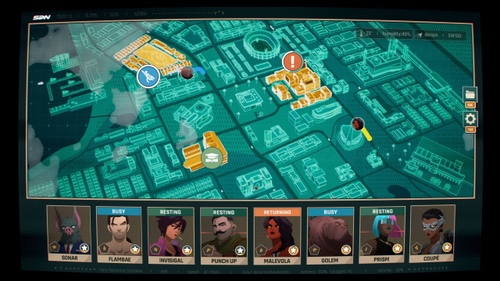
From a gameplay perspective, Dispatch sits in a hybrid zone between interactive narrative and tactical management. Choices don't just involve dialogue options, but also which heroes to send on individual emergencies, how to distribute tasks, what risks to take, and what priorities to set. Some missions require coolness and others intuition, and decisions often need to be made quickly, almost instinctively, leaving that slight sense of doubt that only well-written screenplays can provoke. There is no direct action, no combat, and the game relies entirely on brains, not brawn.
And it is this courageous choice by the developers that makes this game incredibly fresh.
Dispatch's Graphics and Style: An Aesthetic That Works Perfectly

Technically, Dispatch's stylistic signature is tailor-made for the concept of narration. The animations are simple but effective because there's no need for spectacular graphic effects when the game's true strength lies in its storytelling.
The interface for choosing characters to send on missions is sober, elegant, and intuitive. Load times are lightning-fast, and menu navigation is fluid and responsive. The game doesn't aim for photorealism or graphical spectacle, but for a functional aesthetic that enhances the story and characters. Everything is built to primarily give space to dialogues, voices, and small sound details that make a lively and frantic environment credible.
And the audio compartment itself represents the beating heart of the game. Every voice is carefully crafted, direct, and modulated with attention, almost cinematic. The intonations, the silences, the small huffs, the emotional ripples, everything contributes to giving depth to the characters. The sound design, for its part, does an excellent job of recreating an ecosystem made of calls, notifications, signals, and office background noises. The music is incredible, well-dosed, and capable of emphasizing the right moments, without ever overpowering the dialogues.
Score
Editorial team
Dispatch: The Definitive Review. Is it the true spiritual successor to Telltale's work?
Dispatch is a successful experiment, a return to episodic narrative that doesn't aim for nostalgia but for reinvention. It's a superhero story told from a fresh perspective, closer to daily life than to spectacle. It's a title capable of making you laugh, reflect, and, at times, even move you. A game that, without the need for bombastic plot twists or special effects, still manages to captivate and leave a lasting impression.
AdHoc Studio thus delivers a surprising, mature, and self-aware debut, and their game demonstrates that the Telltale narrative model can still work, if supported by solid writing, a stellar cast, and a clear vision of what they want to tell. Episode after episode, it manages to build a small, great, credible, human, and unforgettable world. And, above all, it shows that sometimes the real heroes are not those who fight but those who listen, decide, make mistakes, learn, and keep trying. A masterpiece!
Similar articles
Fatekeeper: Preview of the spiritual successor to Dark Messiah of Might & Magic
La Bola Negra, review: Is it time to consecrate the new Spanish cinema?
Kill Bill Returns to Theaters in its Definitive Form - The Review